
Shunkaen Bonsai Museum
About Shunkaen Bonsai Museum
Description
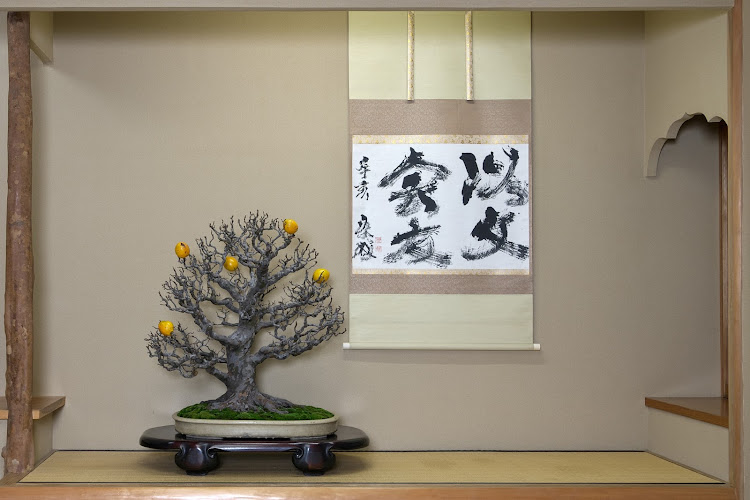
The Shunkaen Bonsai Museum represents something truly special in the world of Japanese horticultural artistry. When you step through the entrance, you're entering the life's work of Master Kunio Kobayashi, one of the most celebrated bonsai artists globally. And honestly, calling this place just a museum doesn't quite do it justice—it's more like walking into a living gallery where centuries-old trees tell stories through their twisted branches and carefully sculpted forms. What makes Shunkaen different from other bonsai collections is the intimate scale combined with world-class quality. Master Kobayashi has won the prestigious Prime Minister's Award four times, which is basically like winning an Olympic gold medal in the bonsai world. His trees aren't just displayed behind glass; they're arranged throughout sleek indoor galleries and peaceful outdoor gardens where koi fish glide beneath the surface of tranquil ponds. The museum sits in a residential area, giving it this unexpected, almost secret-garden quality. You're walking through regular streets and then suddenly there's this oasis of miniature forests and meticulously maintained landscapes. The collection includes trees that are hundreds of years old—some predating modern nations. These aren't houseplants, folks. These are living sculptures that have been passed down through generations and shaped by master hands. Many visitors come expecting a quick walk-through and end up spending hours photographing the intricate details of bark patterns, studying root formations that look like wooden waterfalls, and just sitting quietly beside the ponds. There's something meditative about the space that cameras can't quite capture but your memory will hold onto long after you've left.Key Features
The museum offers several distinctive elements that travelers should know about before planning their visit:- Master Kunio Kobayashi's award-winning personal collection featuring trees between 50 and 1,000 years old
- Indoor exhibition halls with climate-controlled environments showcasing premium specimens in rotating displays
- Outdoor gardens designed with traditional Japanese aesthetics including stone pathways and koi ponds
- Opportunities to witness live demonstrations and performances by Master Kobayashi himself on select dates
- A working apprentice program where you might see students learning traditional techniques
- Rare tree specimens including ancient pines, maples, and flowering varieties you won't find in typical collections
- Photography-friendly environment with natural lighting that changes throughout the day
- Free onsite parking which is honestly a blessing in Tokyo where parking can cost more than admission elsewhere
- Gender-neutral restroom facilities making it welcoming for all visitors
- Wheelchair accessible seating areas though some garden paths may present challenges
- Family-friendly atmosphere that welcomes children while maintaining a respectful quiet environment
Best Time to Visit
Timing your visit to Shunkaen can really make or break your experience, and I'm not just talking about avoiding crowds. The trees themselves change dramatically with the seasons, offering completely different aesthetics depending on when you go. Spring, particularly late March through April, brings the cherry and plum bonsai into bloom. There's something almost surreal about seeing a 300-year-old tree barely three feet tall covered in delicate pink blossoms. The maples begin leafing out in brilliant greens, and the entire garden feels like it's waking up from winter. But here's the thing—everyone knows spring is beautiful, so you'll have company. The museum sees higher visitor numbers during cherry blossom season. Autumn, from late October through November, might actually be the best kept secret. The maple bonsai turn those incredible reds and oranges that Japan is famous for, except you're seeing it in miniature form which somehow makes it even more impactful. The lighting in autumn is softer, perfect for photography, and the koi are active in the still-warm ponds. Summer can be challenging if you're not used to Tokyo's humidity. The gardens are lush and green, sure, but you'll be sweating through your shirt by noon. Early morning visits in summer work best—the museum opens at 10 AM, so getting there right at opening gives you cooler temperatures and fewer people. Winter is when serious bonsai enthusiasts visit. The deciduous trees are bare, revealing the true bone structure and branching patterns that artists have developed over decades. You can really study the craftsmanship when there aren't leaves in the way. Plus, the indoor galleries feel particularly cozy when it's cold outside. Weekdays are dramatically quieter than weekends. If you can swing a Tuesday or Wednesday visit, you'll practically have the place to yourself sometimes. The museum is closed on Tuesdays though, so double-check before you plan.How to Get There
Getting to Shunkaen Bonsai Museum requires a bit more effort than hitting major Tokyo attractions, but that's part of what keeps it from being overrun with tour buses. The museum is located in Edogawa Ward, which is more residential and less touristy than areas like Shibuya or Shinjuku. From central Tokyo, you'll want to take the JR Sobu Line to Koiwa Station. The train ride takes about 20-25 minutes from Tokyo Station, maybe 15 minutes from Akihabara. Koiwa isn't a major hub, so make sure you're on a local train that stops there rather than an express. Once you exit Koiwa Station, you've got options. The museum is roughly 15 minutes away on foot, and the walk takes you through regular Tokyo neighborhoods which honestly gives you a better feel for how people actually live than the tourist districts do. You'll pass small shops, vending machines on corners, and maybe some local kids heading home from school. Taxis are available at the station and the ride costs around 1,000 yen give or take. For folks traveling with mobility challenges or in hot weather, this might be worth it. Just show the driver the museum name in Japanese characters and you'll be fine. If you're driving, the free parking lot is genuinely free, which is rare enough in Tokyo that it bears repeating. Navigation apps work well, though the surrounding streets are narrow—standard for residential Tokyo. I'll be honest, the location isn't the most convenient, and that's probably by design. This isn't meant to be a quick stop between shopping districts. It's a destination that rewards intentional visiting.Tips for Visiting
First thing—admission does cost money, and they only accept cash. The fee is reasonable at around 800 yen for adults, but ATMs aren't right next door, so come prepared. I've seen confused tourists trying to find a convenience store ATM after arriving, which just eats into your visit time. Photography is allowed and even encouraged, which is fantastic. But here's where some cultural sensitivity comes in handy. These trees are essentially priceless living artworks. Don't touch them, don't lean on the display stands, and watch where you're swinging your backpack. Sounds obvious, but in the excitement of getting that perfect shot, people forget. The museum doesn't have a restaurant or cafe, so eat beforehand or plan to explore the Koiwa neighborhood afterward. There are some excellent local spots near the station that don't see many foreign tourists—real neighborhood ramen shops and family-run restaurants. Wear comfortable shoes. The outdoor gardens have gravel paths and stepping stones that can be uneven. Those Instagram-perfect white sneakers will get dusty. Garden paths can be slippery after rain too. If you're serious about bonsai or just curious to learn more, try to time your visit with one of Master Kobayashi's demonstrations. The schedule isn't always published far in advance, so checking their website or calling ahead helps. Watching him work on a tree is like watching a sculptor and a surgeon combined—precise, confident, and utterly fascinating. Bring layers if you're visiting in cooler months. You'll move between climate-controlled indoor galleries and outdoor gardens, and standing still observing trees in 50-degree weather gets chilly fast. The museum is family-friendly, which I appreciated when I saw parents explaining the age of trees to their kids in hushed tones. But it's not really designed for very young children who need constant stimulation. There's nowhere to run around, nothing to climb. It's a looking-and-thinking kind of place. Don't rush. Seriously, build in at least 90 minutes, preferably two hours. The magic of this place reveals itself slowly. That tree you glanced at initially might become your favorite after you notice the 200-year-old scar where a branch was removed, now perfectly healed into the design. The staff speak limited English, but they're incredibly helpful and patient. Having your hotel write down what you need in Japanese helps smooth any communication. Basic courtesy goes a long way—a bow, a smile, a "sumimasen" when you need help. Check the weather before you go since a good portion of the experience is outdoors. Light rain can actually be beautiful, making the leaves glisten and the stones glow, but heavy rain or extreme heat diminishes the experience. Finally, manage your expectations about accessibility. While there's wheelchair accessible seating and the staff tries to accommodate everyone, this is an older facility with traditional Japanese garden design. Some areas just aren't fully accessible, and that's important to know upfront for trip planning.Key Features
- Extensive collection of master-crafted bonsai, including ancient and award-winning specimens
- Courtyard-style layout with traditional Japanese house framing the displays
- Combination museum and working bonsai nursery — educational atmosphere
- Seasonal displays highlighting changing foliage, blooms, and bonsai styles
- Guided explanations and knowledgeable staff (often multilingual resources available)
More Details
Updated March 30, 2026
Table of Contents
Description
The Shunkaen Bonsai Museum represents something truly special in the world of Japanese horticultural artistry. When you step through the entrance, you’re entering the life’s work of Master Kunio Kobayashi, one of the most celebrated bonsai artists globally. And honestly, calling this place just a museum doesn’t quite do it justice—it’s more like walking into a living gallery where centuries-old trees tell stories through their twisted branches and carefully sculpted forms.
What makes Shunkaen different from other bonsai collections is the intimate scale combined with world-class quality. Master Kobayashi has won the prestigious Prime Minister’s Award four times, which is basically like winning an Olympic gold medal in the bonsai world. His trees aren’t just displayed behind glass; they’re arranged throughout sleek indoor galleries and peaceful outdoor gardens where koi fish glide beneath the surface of tranquil ponds.
The museum sits in a residential area, giving it this unexpected, almost secret-garden quality. You’re walking through regular streets and then suddenly there’s this oasis of miniature forests and meticulously maintained landscapes. The collection includes trees that are hundreds of years old—some predating modern nations. These aren’t houseplants, folks. These are living sculptures that have been passed down through generations and shaped by master hands.
Many visitors come expecting a quick walk-through and end up spending hours photographing the intricate details of bark patterns, studying root formations that look like wooden waterfalls, and just sitting quietly beside the ponds. There’s something meditative about the space that cameras can’t quite capture but your memory will hold onto long after you’ve left.
Key Features
The museum offers several distinctive elements that travelers should know about before planning their visit:
- Master Kunio Kobayashi’s award-winning personal collection featuring trees between 50 and 1,000 years old
- Indoor exhibition halls with climate-controlled environments showcasing premium specimens in rotating displays
- Outdoor gardens designed with traditional Japanese aesthetics including stone pathways and koi ponds
- Opportunities to witness live demonstrations and performances by Master Kobayashi himself on select dates
- A working apprentice program where you might see students learning traditional techniques
- Rare tree specimens including ancient pines, maples, and flowering varieties you won’t find in typical collections
- Photography-friendly environment with natural lighting that changes throughout the day
- Free onsite parking which is honestly a blessing in Tokyo where parking can cost more than admission elsewhere
- Gender-neutral restroom facilities making it welcoming for all visitors
- Wheelchair accessible seating areas though some garden paths may present challenges
- Family-friendly atmosphere that welcomes children while maintaining a respectful quiet environment
Best Time to Visit
Timing your visit to Shunkaen can really make or break your experience, and I’m not just talking about avoiding crowds. The trees themselves change dramatically with the seasons, offering completely different aesthetics depending on when you go.
Spring, particularly late March through April, brings the cherry and plum bonsai into bloom. There’s something almost surreal about seeing a 300-year-old tree barely three feet tall covered in delicate pink blossoms. The maples begin leafing out in brilliant greens, and the entire garden feels like it’s waking up from winter. But here’s the thing—everyone knows spring is beautiful, so you’ll have company. The museum sees higher visitor numbers during cherry blossom season.
Autumn, from late October through November, might actually be the best kept secret. The maple bonsai turn those incredible reds and oranges that Japan is famous for, except you’re seeing it in miniature form which somehow makes it even more impactful. The lighting in autumn is softer, perfect for photography, and the koi are active in the still-warm ponds.
Summer can be challenging if you’re not used to Tokyo’s humidity. The gardens are lush and green, sure, but you’ll be sweating through your shirt by noon. Early morning visits in summer work best—the museum opens at 10 AM, so getting there right at opening gives you cooler temperatures and fewer people.
Winter is when serious bonsai enthusiasts visit. The deciduous trees are bare, revealing the true bone structure and branching patterns that artists have developed over decades. You can really study the craftsmanship when there aren’t leaves in the way. Plus, the indoor galleries feel particularly cozy when it’s cold outside.
Weekdays are dramatically quieter than weekends. If you can swing a Tuesday or Wednesday visit, you’ll practically have the place to yourself sometimes. The museum is closed on Tuesdays though, so double-check before you plan.
How to Get There
Getting to Shunkaen Bonsai Museum requires a bit more effort than hitting major Tokyo attractions, but that’s part of what keeps it from being overrun with tour buses. The museum is located in Edogawa Ward, which is more residential and less touristy than areas like Shibuya or Shinjuku.
From central Tokyo, you’ll want to take the JR Sobu Line to Koiwa Station. The train ride takes about 20-25 minutes from Tokyo Station, maybe 15 minutes from Akihabara. Koiwa isn’t a major hub, so make sure you’re on a local train that stops there rather than an express.
Once you exit Koiwa Station, you’ve got options. The museum is roughly 15 minutes away on foot, and the walk takes you through regular Tokyo neighborhoods which honestly gives you a better feel for how people actually live than the tourist districts do. You’ll pass small shops, vending machines on corners, and maybe some local kids heading home from school.
Taxis are available at the station and the ride costs around 1,000 yen give or take. For folks traveling with mobility challenges or in hot weather, this might be worth it. Just show the driver the museum name in Japanese characters and you’ll be fine.
If you’re driving, the free parking lot is genuinely free, which is rare enough in Tokyo that it bears repeating. Navigation apps work well, though the surrounding streets are narrow—standard for residential Tokyo.
I’ll be honest, the location isn’t the most convenient, and that’s probably by design. This isn’t meant to be a quick stop between shopping districts. It’s a destination that rewards intentional visiting.
Tips for Visiting
First thing—admission does cost money, and they only accept cash. The fee is reasonable at around 800 yen for adults, but ATMs aren’t right next door, so come prepared. I’ve seen confused tourists trying to find a convenience store ATM after arriving, which just eats into your visit time.
Photography is allowed and even encouraged, which is fantastic. But here’s where some cultural sensitivity comes in handy. These trees are essentially priceless living artworks. Don’t touch them, don’t lean on the display stands, and watch where you’re swinging your backpack. Sounds obvious, but in the excitement of getting that perfect shot, people forget.
The museum doesn’t have a restaurant or cafe, so eat beforehand or plan to explore the Koiwa neighborhood afterward. There are some excellent local spots near the station that don’t see many foreign tourists—real neighborhood ramen shops and family-run restaurants.
Wear comfortable shoes. The outdoor gardens have gravel paths and stepping stones that can be uneven. Those Instagram-perfect white sneakers will get dusty. Garden paths can be slippery after rain too.
If you’re serious about bonsai or just curious to learn more, try to time your visit with one of Master Kobayashi’s demonstrations. The schedule isn’t always published far in advance, so checking their website or calling ahead helps. Watching him work on a tree is like watching a sculptor and a surgeon combined—precise, confident, and utterly fascinating.
Bring layers if you’re visiting in cooler months. You’ll move between climate-controlled indoor galleries and outdoor gardens, and standing still observing trees in 50-degree weather gets chilly fast.
The museum is family-friendly, which I appreciated when I saw parents explaining the age of trees to their kids in hushed tones. But it’s not really designed for very young children who need constant stimulation. There’s nowhere to run around, nothing to climb. It’s a looking-and-thinking kind of place.
Don’t rush. Seriously, build in at least 90 minutes, preferably two hours. The magic of this place reveals itself slowly. That tree you glanced at initially might become your favorite after you notice the 200-year-old scar where a branch was removed, now perfectly healed into the design.
The staff speak limited English, but they’re incredibly helpful and patient. Having your hotel write down what you need in Japanese helps smooth any communication. Basic courtesy goes a long way—a bow, a smile, a “sumimasen” when you need help.
Check the weather before you go since a good portion of the experience is outdoors. Light rain can actually be beautiful, making the leaves glisten and the stones glow, but heavy rain or extreme heat diminishes the experience.
Finally, manage your expectations about accessibility. While there’s wheelchair accessible seating and the staff tries to accommodate everyone, this is an older facility with traditional Japanese garden design. Some areas just aren’t fully accessible, and that’s important to know upfront for trip planning.
Key Highlights
- Extensive collection of master-crafted bonsai, including ancient and award-winning specimens
- Courtyard-style layout with traditional Japanese house framing the displays
- Combination museum and working bonsai nursery — educational atmosphere
- Seasonal displays highlighting changing foliage, blooms, and bonsai styles
- Guided explanations and knowledgeable staff (often multilingual resources available)
Location
Places to Stay Near Shunkaen Bonsai Museum
Find and Book a Tour
Explore More Travel Guides
No reviews found! Be the first to review!
Shunkaen Bonsai Museum is a prominent museums located in Edogawa City.
Visit us at: 1 Chome-29-16 Niihori, Edogawa City, Tokyo 132-0001, Japan.
Traveler Reviews for Shunkaen Bonsai Museum
There are no reviews yet. Be the first one to write one.
Have you visited Shunkaen Bonsai Museum? Help other travelers by sharing your review.
Nearby Attractions
You Might Also Like
Furukawa Water Park

Shinozaki Park
Imai North Children's Playground
Find Accommodations Nearby
Recommended Tours & Activities
Visitor Reviews
There are no reviews yet. Be the first one to write one.
Share Your Experience
Have you visited Shunkaen Bonsai Museum? Help other travelers by leaving a review.