
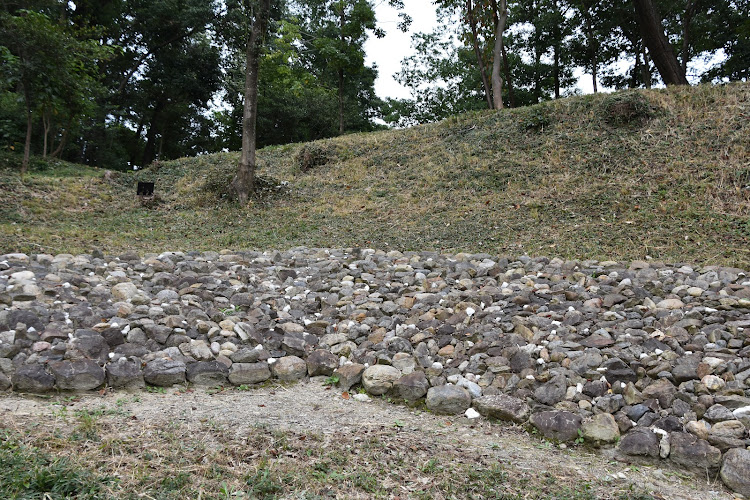
Shiratorizuka Kofun
About Shiratorizuka Kofun
Description
Shiratorizuka Kofun is one of those places that quietly hums with history — the kind of site that doesn’t shout for attention but rewards those who take the time to listen. Located in Nagoya’s Moriyama Ward, this ancient burial mound dates back to Japan’s Kofun period, roughly the 4th to 6th centuries. It’s not just a pile of earth and stones; it’s a tangible piece of Japan’s early history, a story told through soil and shape. If you’ve ever stood somewhere and felt time stretch out behind you, that’s the feeling here. I remember my first visit — the air felt still, like the centuries had paused for a moment to let me catch up.
Unlike some of the larger and more famous kofun sites in the Kansai region, Shiratorizuka has a more intimate, almost understated charm. It’s surrounded by a peaceful park area, trees whispering overhead, and local families often strolling through. Kids run around the open space while a few history buffs, camera in hand, linger at the edges of the mound, trying to capture its quiet dignity. The site’s preservation efforts are impressive, and though it’s not a flashy tourist spot, there’s something deeply grounding about standing before an artifact that’s survived more than a millennium.
Archaeologists believe the mound was built for a powerful local ruler or noble, which makes sense given its size and structure. The kofun itself is keyhole-shaped — a design unique to Japan — symbolizing the blend of ritual and status that defined the era. The nearby museum, Shiratorizuka Kofun Museum, offers context for what you’re seeing: ancient burial goods, clay haniwa figures, and reconstructed models that help you imagine what life might have looked like back then. Even if you’re not a history buff, it’s hard not to be intrigued by how much thought and craftsmanship went into something built so long ago.
It’s also worth noting that the area is well-maintained. The lawns are tidy, the paths are clean, and there’s a sense of respect for the site that’s palpable. You can tell that locals value it — not just as a tourist attraction, but as part of their shared heritage. That said, it’s not the kind of spot where you’ll find a lot of amenities. There are rest areas and public bathrooms, sure, but don’t expect a café or souvenir shop right next door. It’s more of a “bring your own curiosity” kind of destination. And honestly, that’s part of its charm.
Visitors often remark on the serenity of the place. It’s not crowded, even on weekends, which makes it ideal for travelers who prefer quieter, off-the-beaten-path experiences. The atmosphere can shift depending on the season — cherry blossoms in spring, lush greenery in summer, golden leaves in autumn — each adding a new layer of beauty to the mound’s silhouette. And if you’re lucky enough to catch it in the early morning or late afternoon, the light hits the grass just right, giving the entire site a soft, golden glow. It’s the kind of moment that makes you pause, take a breath, and just be present.
Key Features
- Ancient Keyhole-Shaped Burial Mound: A rare and well-preserved example from Japan’s Kofun period, showcasing early Japanese engineering and ritual design.
- Shiratorizuka Kofun Museum: Offers exhibits of excavated artifacts, haniwa clay figures, and reconstructions that bring the history of the site to life.
- Peaceful Park Setting: Surrounded by trees and open lawns, ideal for leisurely walks and quiet reflection.
- Educational Signage: Informative displays (in Japanese, with some English translations) explaining the mound’s structure and historical significance.
- Family-Friendly Atmosphere: Safe and open spaces where children can explore while adults appreciate the historical context.
- Free Admission: Visiting the kofun and its surrounding park doesn’t cost a thing, making it accessible to all kinds of travelers.
- Photography Opportunities: Especially scenic in spring and autumn, with natural light enhancing the mound’s contours.
Best Time to Visit
Timing can make all the difference when visiting a historic site like Shiratorizuka Kofun. Spring is arguably the best season — those soft pink cherry blossoms frame the mound beautifully, creating a postcard-perfect scene that feels both timeless and alive. I’ve visited during April, and honestly, it’s hard to beat the combination of blooming trees and mild weather. The air smells faintly sweet, and the park feels like it’s waking up after winter.
Summer, on the other hand, brings lush greenery and long daylight hours, though it can get quite hot and humid. If you don’t mind the heat, it’s a great time to enjoy the vibrant foliage and the occasional festival atmosphere nearby. Autumn is another favorite — the colors shift to deep reds and golds, and the air turns crisp. It’s quieter, too, which makes it perfect for contemplative walks. Winter visits are less common, but there’s a certain stillness to the landscape then, a kind of quiet dignity that suits the site’s ancient soul.
For photographers, early morning or late afternoon light is best. The shadows stretch gently across the mound, giving it depth and texture. And if you’re into capturing that perfect shot, a slightly overcast day can work wonders — the diffused light brings out the subtle greens and browns of the earth.
How to Get There
Reaching Shiratorizuka Kofun is relatively straightforward, especially if you’re already exploring Nagoya. The site is located in Moriyama Ward, which is accessible by local train and bus routes. From Nagoya Station, travelers can take the Meitetsu Seto Line or the JR Chuo Line toward the area. The nearest station is usually just a short walk or quick bus ride away. For those who prefer driving, there’s parking available near the park, though spaces can fill up on weekends or during cherry blossom season.
If you’re relying on public transport, I’d recommend checking the latest schedules in advance — Japan’s train system runs like clockwork, but local bus timings can vary slightly. And if you’re staying in Nagoya city center, it’s easy enough to make this a half-day trip. You could combine it with a visit to nearby attractions or even a leisurely lunch at a local restaurant afterward. The journey itself is part of the experience — passing through residential neighborhoods gives you a glimpse of everyday life beyond the city’s bustle.
Walking from the station to the kofun is pleasant, with clear signage guiding you along the way. The area feels safe and well-kept, and locals are generally friendly if you need to ask for directions. Just remember that not everyone speaks English fluently, so having a translation app or map screenshot handy can save you some confusion.
Tips for Visiting
Before heading out, there are a few things worth knowing to make your trip smoother — and honestly, more enjoyable. First, wear comfortable shoes. The park paths are easy enough, but you’ll want to wander around the mound and museum without worrying about sore feet. It’s mostly an outdoor experience, so check the weather forecast and bring a hat or umbrella depending on the season.
While the site is generally accessible, it’s worth noting that the entrance isn’t fully wheelchair-friendly. The terrain around the mound includes grassy slopes and uneven ground, which might pose challenges for some visitors. Families with strollers should plan accordingly — though kids will love the open space to run around, so it’s still a great spot for them.
Food and drink options nearby are limited, so packing a small snack or drink isn’t a bad idea. There are vending machines in the area (this is Japan, after all), but if you’re planning to linger, a picnic could be a lovely touch. Just be respectful of the grounds — it’s a historical site, not a playground, so keep noise levels down and avoid climbing on restricted areas.
Photography is allowed, and you’ll definitely want to bring your camera or phone. Try to capture not just the mound itself but also the surrounding landscape — the trees, the sky, the subtle play of light. If you’re traveling with kids, turn it into a mini history adventure. The museum staff are usually happy to answer questions, and even if your Japanese isn’t great, the exhibits speak for themselves.
Lastly, take your time. Shiratorizuka Kofun isn’t a place to rush through. It’s a site that reveals itself slowly — the longer you stay, the more you notice. Maybe it’s the curve of the mound, or the way the wind moves through the grass, or just the realization that you’re standing where people stood over a thousand years ago. That’s the kind of quiet magic that makes travel worthwhile.
In short, Shiratorizuka Kofun is one of those hidden gems that rewards curiosity. It’s not flashy, but it’s deeply meaningful — a place where history feels alive, where the past and present coexist in the simplest, most beautiful way. For travelers looking to experience Japan beyond the usual temples and neon lights, this ancient mound offers a rare and memorable glimpse into the country’s earliest stories.
Key Features
- Key Features
- Best Time to Visit
- How to Get There
- Tips for Visiting
More Details
Updated November 30, 2025
Table of Contents
Description
Shiratorizuka Kofun is one of those places that quietly hums with history — the kind of site that doesn’t shout for attention but rewards those who take the time to listen. Located in Nagoya’s Moriyama Ward, this ancient burial mound dates back to Japan’s Kofun period, roughly the 4th to 6th centuries. It’s not just a pile of earth and stones; it’s a tangible piece of Japan’s early history, a story told through soil and shape. If you’ve ever stood somewhere and felt time stretch out behind you, that’s the feeling here. I remember my first visit — the air felt still, like the centuries had paused for a moment to let me catch up.
Unlike some of the larger and more famous kofun sites in the Kansai region, Shiratorizuka has a more intimate, almost understated charm. It’s surrounded by a peaceful park area, trees whispering overhead, and local families often strolling through. Kids run around the open space while a few history buffs, camera in hand, linger at the edges of the mound, trying to capture its quiet dignity. The site’s preservation efforts are impressive, and though it’s not a flashy tourist spot, there’s something deeply grounding about standing before an artifact that’s survived more than a millennium.
Archaeologists believe the mound was built for a powerful local ruler or noble, which makes sense given its size and structure. The kofun itself is keyhole-shaped — a design unique to Japan — symbolizing the blend of ritual and status that defined the era. The nearby museum, Shiratorizuka Kofun Museum, offers context for what you’re seeing: ancient burial goods, clay haniwa figures, and reconstructed models that help you imagine what life might have looked like back then. Even if you’re not a history buff, it’s hard not to be intrigued by how much thought and craftsmanship went into something built so long ago.
It’s also worth noting that the area is well-maintained. The lawns are tidy, the paths are clean, and there’s a sense of respect for the site that’s palpable. You can tell that locals value it — not just as a tourist attraction, but as part of their shared heritage. That said, it’s not the kind of spot where you’ll find a lot of amenities. There are rest areas and public bathrooms, sure, but don’t expect a café or souvenir shop right next door. It’s more of a “bring your own curiosity” kind of destination. And honestly, that’s part of its charm.
Visitors often remark on the serenity of the place. It’s not crowded, even on weekends, which makes it ideal for travelers who prefer quieter, off-the-beaten-path experiences. The atmosphere can shift depending on the season — cherry blossoms in spring, lush greenery in summer, golden leaves in autumn — each adding a new layer of beauty to the mound’s silhouette. And if you’re lucky enough to catch it in the early morning or late afternoon, the light hits the grass just right, giving the entire site a soft, golden glow. It’s the kind of moment that makes you pause, take a breath, and just be present.
Key Features
- Ancient Keyhole-Shaped Burial Mound: A rare and well-preserved example from Japan’s Kofun period, showcasing early Japanese engineering and ritual design.
- Shiratorizuka Kofun Museum: Offers exhibits of excavated artifacts, haniwa clay figures, and reconstructions that bring the history of the site to life.
- Peaceful Park Setting: Surrounded by trees and open lawns, ideal for leisurely walks and quiet reflection.
- Educational Signage: Informative displays (in Japanese, with some English translations) explaining the mound’s structure and historical significance.
- Family-Friendly Atmosphere: Safe and open spaces where children can explore while adults appreciate the historical context.
- Free Admission: Visiting the kofun and its surrounding park doesn’t cost a thing, making it accessible to all kinds of travelers.
- Photography Opportunities: Especially scenic in spring and autumn, with natural light enhancing the mound’s contours.
Best Time to Visit
Timing can make all the difference when visiting a historic site like Shiratorizuka Kofun. Spring is arguably the best season — those soft pink cherry blossoms frame the mound beautifully, creating a postcard-perfect scene that feels both timeless and alive. I’ve visited during April, and honestly, it’s hard to beat the combination of blooming trees and mild weather. The air smells faintly sweet, and the park feels like it’s waking up after winter.
Summer, on the other hand, brings lush greenery and long daylight hours, though it can get quite hot and humid. If you don’t mind the heat, it’s a great time to enjoy the vibrant foliage and the occasional festival atmosphere nearby. Autumn is another favorite — the colors shift to deep reds and golds, and the air turns crisp. It’s quieter, too, which makes it perfect for contemplative walks. Winter visits are less common, but there’s a certain stillness to the landscape then, a kind of quiet dignity that suits the site’s ancient soul.
For photographers, early morning or late afternoon light is best. The shadows stretch gently across the mound, giving it depth and texture. And if you’re into capturing that perfect shot, a slightly overcast day can work wonders — the diffused light brings out the subtle greens and browns of the earth.
How to Get There
Reaching Shiratorizuka Kofun is relatively straightforward, especially if you’re already exploring Nagoya. The site is located in Moriyama Ward, which is accessible by local train and bus routes. From Nagoya Station, travelers can take the Meitetsu Seto Line or the JR Chuo Line toward the area. The nearest station is usually just a short walk or quick bus ride away. For those who prefer driving, there’s parking available near the park, though spaces can fill up on weekends or during cherry blossom season.
If you’re relying on public transport, I’d recommend checking the latest schedules in advance — Japan’s train system runs like clockwork, but local bus timings can vary slightly. And if you’re staying in Nagoya city center, it’s easy enough to make this a half-day trip. You could combine it with a visit to nearby attractions or even a leisurely lunch at a local restaurant afterward. The journey itself is part of the experience — passing through residential neighborhoods gives you a glimpse of everyday life beyond the city’s bustle.
Walking from the station to the kofun is pleasant, with clear signage guiding you along the way. The area feels safe and well-kept, and locals are generally friendly if you need to ask for directions. Just remember that not everyone speaks English fluently, so having a translation app or map screenshot handy can save you some confusion.
Tips for Visiting
Before heading out, there are a few things worth knowing to make your trip smoother — and honestly, more enjoyable. First, wear comfortable shoes. The park paths are easy enough, but you’ll want to wander around the mound and museum without worrying about sore feet. It’s mostly an outdoor experience, so check the weather forecast and bring a hat or umbrella depending on the season.
While the site is generally accessible, it’s worth noting that the entrance isn’t fully wheelchair-friendly. The terrain around the mound includes grassy slopes and uneven ground, which might pose challenges for some visitors. Families with strollers should plan accordingly — though kids will love the open space to run around, so it’s still a great spot for them.
Food and drink options nearby are limited, so packing a small snack or drink isn’t a bad idea. There are vending machines in the area (this is Japan, after all), but if you’re planning to linger, a picnic could be a lovely touch. Just be respectful of the grounds — it’s a historical site, not a playground, so keep noise levels down and avoid climbing on restricted areas.
Photography is allowed, and you’ll definitely want to bring your camera or phone. Try to capture not just the mound itself but also the surrounding landscape — the trees, the sky, the subtle play of light. If you’re traveling with kids, turn it into a mini history adventure. The museum staff are usually happy to answer questions, and even if your Japanese isn’t great, the exhibits speak for themselves.
Lastly, take your time. Shiratorizuka Kofun isn’t a place to rush through. It’s a site that reveals itself slowly — the longer you stay, the more you notice. Maybe it’s the curve of the mound, or the way the wind moves through the grass, or just the realization that you’re standing where people stood over a thousand years ago. That’s the kind of quiet magic that makes travel worthwhile.
In short, Shiratorizuka Kofun is one of those hidden gems that rewards curiosity. It’s not flashy, but it’s deeply meaningful — a place where history feels alive, where the past and present coexist in the simplest, most beautiful way. For travelers looking to experience Japan beyond the usual temples and neon lights, this ancient mound offers a rare and memorable glimpse into the country’s earliest stories.
Key Highlights
- Key Features
- Best Time to Visit
- How to Get There
- Tips for Visiting
Location
Places to Stay Near Shiratorizuka Kofun
Find and Book a Tour
Explore More Travel Guides
No reviews found! Be the first to review!
Traveler Reviews for Shiratorizuka Kofun
There are no reviews yet. Be the first one to write one.
Have you visited Shiratorizuka Kofun? Help other travelers by sharing your review.
You Might Also Like

Nagoya City Museum
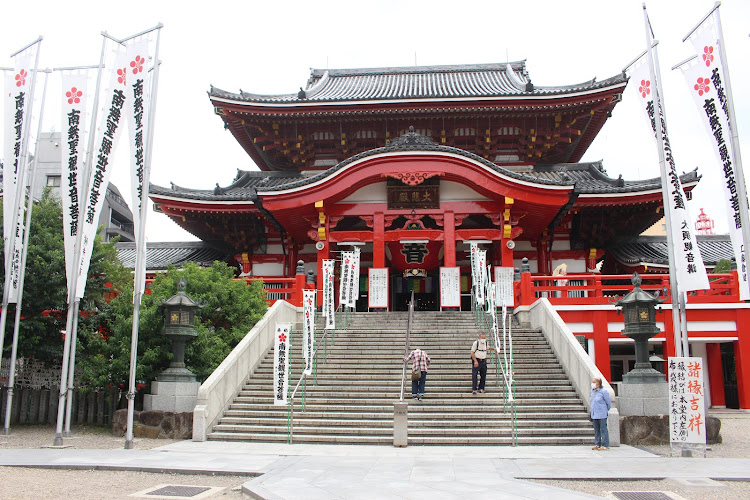
Osu Kannon (Kitanosan Shinpuku-ji Hoshoin)
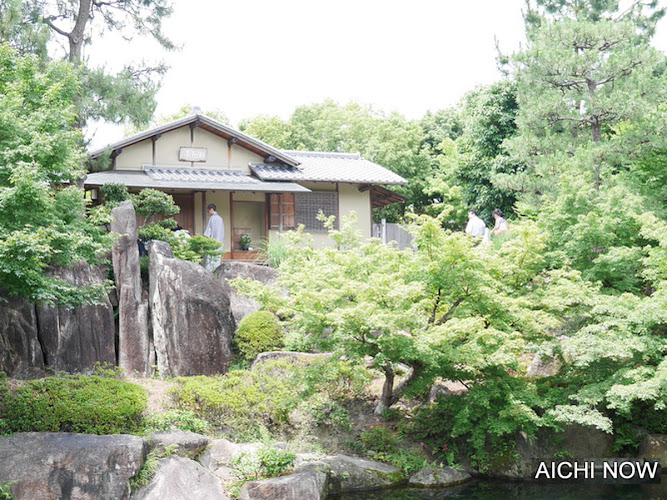
Tokugawa Park
Find Accommodations Nearby
Recommended Tours & Activities
Visitor Reviews
There are no reviews yet. Be the first one to write one.
Share Your Experience
Have you visited Shiratorizuka Kofun? Help other travelers by leaving a review.