
Shinjuku City
About Shinjuku City
Description
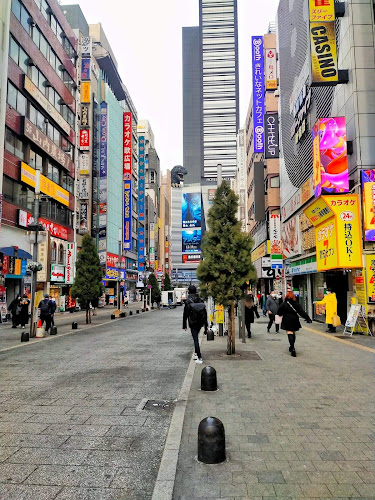
Shinjuku City is one of those places that kinda hits you like a whirlwind the first time you dive into it. It’s where neon lights clash head-on with sleek skyscrapers, where karaoke joints buzz alongside rooftop bars you never thought you’d end up sipping cocktails in. East Shinjuku doesn’t hold back on the nightlife—it’s a maze of clubs, izakayas, and endless places to lose track of time. On the flip side, the Skyscraper District pulls in a slightly different crowd: think sharp-suited business folks winding down in swanky hotel bars or foodies hunting down some of Tokyo’s best contemporary cuisines.
The Tokyo Metropolitan Government Building—yeah, that eye-catching twin-tower construction—is not just a giant eyesore. Its observation decks give you some of the most mind-blowing panoramic views of the city (and, if the air’s clear, Mount Fuji decides to pop in for the picture). It’s free, by the way, so no excuse to skip this vantage point where the city’s sprawling madness suddenly makes a kind of sense.
Interestingly enough, Shinjuku isn’t just about the glitz. If you’re craving a quieter vibe, you can hop over to the parklands, which offer a surprising calm that feels worlds away. Nearby Mount Hakone’s quiet presence reminds you that nature’s still very much a player in this urban arena, especially when you want to hit reset from the city’s non-stop energy.
The cultural side of things gets a fair shake too. Galleries, theaters, and bookstores cluster around campus areas, and they create this vibe where grown-up students and curious wanderers mix and mingle. It’s not rare to find a quirky art show or an underground play kicking off in these pockets.
And don’t overlook the New National Stadium. Built for the 2020 Olympics, it’s a sleek, tech-savvy structure that’s a real marvel if you love architecture or sports. Even if you’re not a massive sports fan, there’s this cool energy about the place that makes you feel part of something grand.
Key Features
- East Shinjuku’s neon-lit nightlife with countless bars, clubs, and karaoke rooms
- Skyscraper District offering upscale dining and swanky hotel bars
- Tokyo Metropolitan Government Building observation decks with free panoramic views
- Tranquil urban parklands contrasting Tokyo’s usual buzz
- Access to nearby Mount Hakone for nature escapes
- Vibrant cultural scene: galleries, theaters, and indie bookstores near university campuses
- New National Stadium, a high-tech Olympic sports venue with modern architecture
Best Time to Visit
If you ask me, spring is the magical window for Shinjuku. Anytime from late March to early April, the cherry blossoms start winking at you, softening the sharp edges of the concrete jungle. The city gets a little extra sparkle, especially around the parks and along the river running through portions of Shinjuku. But, heads up—this season can be crowded since everyone else wants a peek at the blossoms too.
Autumn’s another solid bet, from late October through November. The cool air and red-gold foliage add warmth to the city’s concrete and glass landscape. Plus, you’ll avoid the rain-soaked folding umbrella ballet of the rainy season that dominates June and early July. Winter is crisp and often crystal clear, perfect if you’re into those stunning cityscape photos from the observation decks without the summer haze.
Personally, I wouldn’t bother with the peak of summer unless you’re a heat junkie. Tokyo summers can get swampy—sticky and humid—making walking from place to place a bit of a drag. But hey, if you’re after those late-night summer festivals around Shinjuku, that’s a whole different conversation.
How to Get There
Getting to Shinjuku is easy-peasy. Shinjuku Station is Tokyo’s busiest railway hub—a total beast in size and the ideal spot to jump off no matter where you’re coming from. Whether you fly into Narita or Haneda Airport, there are direct trains (like the Narita Express or the Keisei Skyliner and then a transfer) that get you straight into Shinjuku without much fuss.
Once you’re at Shinjuku Station, you can explore the city on foot or take a short subway or bus ride to get you to more specific spots like the Skyscraper District or cultural hubs near the universities. Honestly, the station itself can be a bit of a labyrinth, so give yourself some time to navigate—lost count how many times I ended up in the opposite direction of where I was meant to be.
Tips for Visiting
Alright, here’s where I drop some honest advice to make your Shinjuku trip smoother:
- Don’t underestimate Shinjuku Station: It’s a maze. Download a local transit app or get a paper map—you’ll thank me later when you don’t find yourself wandering underground tunnels for an hour.
- Try karaoke, even if you think you’re tone-deaf: It’s a cultural rite here, and some places have private rooms so you don’t have to be serenading a crowd. Plus, it’s fun; trust me on this!
- Visit observation decks late afternoon: That way, you catch the daylight view and then see the city light up at night without doubling back.
- Explore beyond the main streets: Walk through smaller back alleys in East Shinjuku where tiny, family-run eateries and hole-in-the-wall bars live. Often, these hidden gems serve the best food and drinks for fewer yen.
- Be mindful of smoking areas: Despite the bustle, Japan’s strict rules make smoking in the streets a no-go in some zones—look for designated spots and don’t be “that tourist.”
- Cash is king: While credit cards are more accepted than before, smaller shops and restaurants prefer cash. Carry some yen handy—or risk being politely turned away.
- Pack a portable charger: You’ll be using your phone a lot for maps, translations, and snapping pics—it dies faster than you'd expect with all that heavy use.
- Time your visit to cultural spots: Check gallery or theater opening hours since they can be odd, especially on weekends or holidays.
- Try local delicacies: Shinjuku’s dining scene is rich. Don’t skip out on yakitori from street stalls or the multi-course kaiseki meals in the more upscale joints.
Honestly, Shinjuku is a place that sticks with you—whether it’s the shiny chaos of East Shinjuku's nightlife or the quiet reflective moments in its green spaces. Just come with an open mind and tired feet—you’ll probably need both.
Key Features
- East Shinjuku’s neon-lit nightlife with countless bars, clubs, and karaoke rooms
- Skyscraper District offering upscale dining and swanky hotel bars
- Tokyo Metropolitan Government Building observation decks with free panoramic views
- Tranquil urban parklands contrasting Tokyo’s usual buzz
- Access to nearby Mount Hakone for nature escapes
- Vibrant cultural scene: galleries, theaters, and indie bookstores near university campuses
- New National Stadium, a high-tech Olympic sports venue with modern architecture
More Details
Updated June 4, 2025
Table of Contents
Description
Shinjuku City is one of those places that kinda hits you like a whirlwind the first time you dive into it. It’s where neon lights clash head-on with sleek skyscrapers, where karaoke joints buzz alongside rooftop bars you never thought you’d end up sipping cocktails in. East Shinjuku doesn’t hold back on the nightlife—it’s a maze of clubs, izakayas, and endless places to lose track of time. On the flip side, the Skyscraper District pulls in a slightly different crowd: think sharp-suited business folks winding down in swanky hotel bars or foodies hunting down some of Tokyo’s best contemporary cuisines.
The Tokyo Metropolitan Government Building—yeah, that eye-catching twin-tower construction—is not just a giant eyesore. Its observation decks give you some of the most mind-blowing panoramic views of the city (and, if the air’s clear, Mount Fuji decides to pop in for the picture). It’s free, by the way, so no excuse to skip this vantage point where the city’s sprawling madness suddenly makes a kind of sense.
Interestingly enough, Shinjuku isn’t just about the glitz. If you’re craving a quieter vibe, you can hop over to the parklands, which offer a surprising calm that feels worlds away. Nearby Mount Hakone’s quiet presence reminds you that nature’s still very much a player in this urban arena, especially when you want to hit reset from the city’s non-stop energy.
The cultural side of things gets a fair shake too. Galleries, theaters, and bookstores cluster around campus areas, and they create this vibe where grown-up students and curious wanderers mix and mingle. It’s not rare to find a quirky art show or an underground play kicking off in these pockets.
And don’t overlook the New National Stadium. Built for the 2020 Olympics, it’s a sleek, tech-savvy structure that’s a real marvel if you love architecture or sports. Even if you’re not a massive sports fan, there’s this cool energy about the place that makes you feel part of something grand.
Key Features
- East Shinjuku’s neon-lit nightlife with countless bars, clubs, and karaoke rooms
- Skyscraper District offering upscale dining and swanky hotel bars
- Tokyo Metropolitan Government Building observation decks with free panoramic views
- Tranquil urban parklands contrasting Tokyo’s usual buzz
- Access to nearby Mount Hakone for nature escapes
- Vibrant cultural scene: galleries, theaters, and indie bookstores near university campuses
- New National Stadium, a high-tech Olympic sports venue with modern architecture
Best Time to Visit
If you ask me, spring is the magical window for Shinjuku. Anytime from late March to early April, the cherry blossoms start winking at you, softening the sharp edges of the concrete jungle. The city gets a little extra sparkle, especially around the parks and along the river running through portions of Shinjuku. But, heads up—this season can be crowded since everyone else wants a peek at the blossoms too.
Autumn’s another solid bet, from late October through November. The cool air and red-gold foliage add warmth to the city’s concrete and glass landscape. Plus, you’ll avoid the rain-soaked folding umbrella ballet of the rainy season that dominates June and early July. Winter is crisp and often crystal clear, perfect if you’re into those stunning cityscape photos from the observation decks without the summer haze.
Personally, I wouldn’t bother with the peak of summer unless you’re a heat junkie. Tokyo summers can get swampy—sticky and humid—making walking from place to place a bit of a drag. But hey, if you’re after those late-night summer festivals around Shinjuku, that’s a whole different conversation.
How to Get There
Getting to Shinjuku is easy-peasy. Shinjuku Station is Tokyo’s busiest railway hub—a total beast in size and the ideal spot to jump off no matter where you’re coming from. Whether you fly into Narita or Haneda Airport, there are direct trains (like the Narita Express or the Keisei Skyliner and then a transfer) that get you straight into Shinjuku without much fuss.
Once you’re at Shinjuku Station, you can explore the city on foot or take a short subway or bus ride to get you to more specific spots like the Skyscraper District or cultural hubs near the universities. Honestly, the station itself can be a bit of a labyrinth, so give yourself some time to navigate—lost count how many times I ended up in the opposite direction of where I was meant to be.
Tips for Visiting
Alright, here’s where I drop some honest advice to make your Shinjuku trip smoother:
- Don’t underestimate Shinjuku Station: It’s a maze. Download a local transit app or get a paper map—you’ll thank me later when you don’t find yourself wandering underground tunnels for an hour.
- Try karaoke, even if you think you’re tone-deaf: It’s a cultural rite here, and some places have private rooms so you don’t have to be serenading a crowd. Plus, it’s fun; trust me on this!
- Visit observation decks late afternoon: That way, you catch the daylight view and then see the city light up at night without doubling back.
- Explore beyond the main streets: Walk through smaller back alleys in East Shinjuku where tiny, family-run eateries and hole-in-the-wall bars live. Often, these hidden gems serve the best food and drinks for fewer yen.
- Be mindful of smoking areas: Despite the bustle, Japan’s strict rules make smoking in the streets a no-go in some zones—look for designated spots and don’t be “that tourist.”
- Cash is king: While credit cards are more accepted than before, smaller shops and restaurants prefer cash. Carry some yen handy—or risk being politely turned away.
- Pack a portable charger: You’ll be using your phone a lot for maps, translations, and snapping pics—it dies faster than you’d expect with all that heavy use.
- Time your visit to cultural spots: Check gallery or theater opening hours since they can be odd, especially on weekends or holidays.
- Try local delicacies: Shinjuku’s dining scene is rich. Don’t skip out on yakitori from street stalls or the multi-course kaiseki meals in the more upscale joints.
Honestly, Shinjuku is a place that sticks with you—whether it’s the shiny chaos of East Shinjuku’s nightlife or the quiet reflective moments in its green spaces. Just come with an open mind and tired feet—you’ll probably need both.
Key Highlights
- East Shinjuku’s neon-lit nightlife with countless bars, clubs, and karaoke rooms
- Skyscraper District offering upscale dining and swanky hotel bars
- Tokyo Metropolitan Government Building observation decks with free panoramic views
- Tranquil urban parklands contrasting Tokyo’s usual buzz
- Access to nearby Mount Hakone for nature escapes
- Vibrant cultural scene: galleries, theaters, and indie bookstores near university campuses
- New National Stadium, a high-tech Olympic sports venue with modern architecture
Location
Places to Stay Near Shinjuku City
Find and Book a Tour
Explore More Travel Guides
No reviews found! Be the first to review!
Traveler Reviews for Shinjuku City
There are no reviews yet. Be the first one to write one.
Have you visited Shinjuku City? Help other travelers by sharing your review.
You Might Also Like
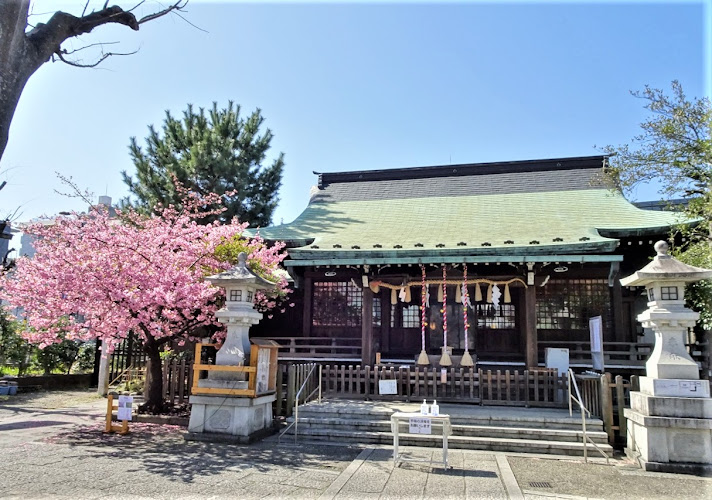
Shimoochiai Hikawa Shrine
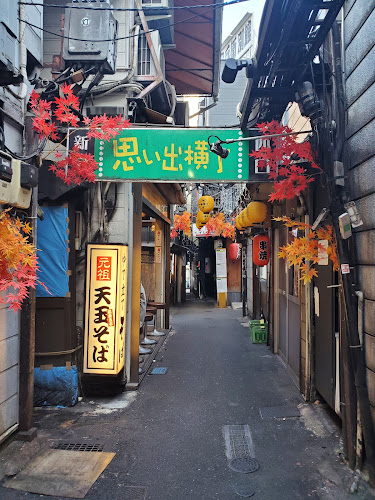
Omoide Yokocho
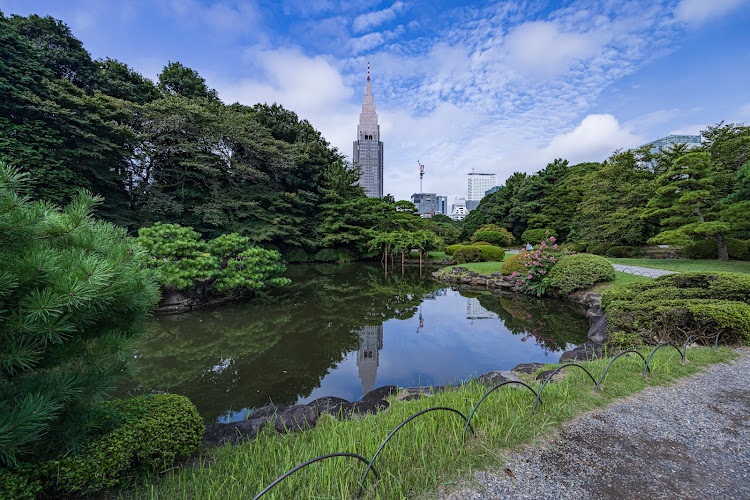
Shinjuku Gyoen National Garden
Find Accommodations Nearby
Recommended Tours & Activities
Visitor Reviews
There are no reviews yet. Be the first one to write one.
Share Your Experience
Have you visited Shinjuku City? Help other travelers by leaving a review.