

Shah-i-Zinda
About Shah-i-Zinda
Key Features
More Details
Updated September 26, 2025
Shah-i-Zinda is a striking ensemble of tiled mausoleums in Samarkand, Uzbekistan, whose glazed mosaics and majolica faience date mainly from the 11th to 19th centuries. The narrow, atmospheric necropolis stretches along a sunken avenue and features richly patterned tilework, carved reliefs, and layered architectural styles that illustrate Central Asian decorative art and funerary traditions. Visiting at different times of day reveals changing light on the ceramics and inscriptions, making it a key site for both art history and the study of Timurid-era craftsmanship.
Table of Contents
Key Highlights
Avenue of mausoleums: A tight canyon of tiled facades from the 14th–15th centuries, many linked to the Timurid court. Look for the mausoleums of Shadi Mulk‑aka and Shirin Bika‑aka—powerful reminders of the status of royal women in that era.
Qusam ibn Abbas complex: At the top terrace, the shrine and small mosque honor the “Living King.” Even if you’re not visiting as a pilgrim, move quietly and dress modestly. The calm here is part of the experience.
Masterful tilework: Mosaic faience, glazed terracotta, and cuerda seca techniques in blues, turquoises, and whites. Spot muqarnas cornices, star polygons, and bands of Kufic and Thuluth calligraphy.
Layered history: Foundations from as early as the 11th–12th centuries, with a Timurid flowering in the 1300s–1400s and later additions. Restoration during the 20th century helped stabilize and reveal original details.
Atmospheric light: The narrow passageway funnels sun in dramatic ways—early morning and late afternoon are especially photogenic, with shadows that deepen the blue tiles.
Living necropolis: Beyond the famed alley, the complex extends to more recent graves. It’s a reminder that this is still a place of memory, not just a tourist attraction.
Acoustic domes: Inside several mausoleums, ceilings carry a soft echo. A quiet whisper can bloom into a gentle ring—another reason to keep voices low.
Hand‑carved wood and doors: Many portals are framed with intricate wood carving and metalwork. Don’t rush past the thresholds; the craftsmanship there is exceptional.
Location
Places to Stay Near Shah-i-Zinda
Find and Book a Tour
Explore More Travel Guides
No reviews found! Be the first to review!
Description
Shah‑i‑Zinda is the place in Samarkand that stopped me in my tracks. Walk up from the bustle of Siab Bazaar, turn onto Shohi Zinda ko’chasi, and suddenly the city’s noise dips away into a corridor of blues. It’s a necropolis, yes, but it feels like a living gallery of Timurid art—rows of mausoleums wrapped in mosaic tiles, carved terracotta, and calligraphy that bends and curves like vines. The complex takes its name from a legend: “The Living King,” referring to Qusam (Kusam) ibn Abbas, a cousin of the Prophet Muhammad, whose shrine crowns the upper terrace. Locals still climb the steps to pay respects, and you’ll feel that mix of pilgrimage site and open-air museum the moment you pass through the gate.
Most of what you see dates from the 14th–15th centuries, when Samarkand flourished under the Timurids. Each mausoleum has a distinct personality—some glowing turquoise, others deep cobalt, with patterns in faience and cuerda seca that reveal the peak of Central Asian craftsmanship. The artistry is so dense that you’ll find new details even on a second or third pass: a tiny rosette tucked behind a column, a sliver of lapis glaze along a rim, a frieze of Thuluth script that catches late‑afternoon light just so.
Shah‑i‑Zinda is part of the UNESCO‑listed “Samarkand – Crossroads of Cultures,” and it earns that label. You feel the Silk Road here—in the techniques, the motifs, and the stories layered into brick and tile. While the Registan may be the city’s grand stage, this necropolis is its most intimate performance. The alley is narrow, the domes loom close, and the silence between tour groups is golden. I’ve lingered for long minutes just to listen to footsteps on stone and the soft murmur of prayers at the upper shrine.
Families visit. It’s good for kids, though there are stairs. Onsite services are available, and the complex is generally well managed. Give yourself time; even a quick stop turns into an hour as you step into one mausoleum after another. If you’re building an Uzbekistan itinerary, consider planning your Samarkand day around this visit, weaving in nearby Bibi‑Khanym Mosque and the Afrasiab area.
Key Features
- Avenue of mausoleums: A tight canyon of tiled facades from the 14th–15th centuries, many linked to the Timurid court. Look for the mausoleums of Shadi Mulk‑aka and Shirin Bika‑aka—powerful reminders of the status of royal women in that era.
- Qusam ibn Abbas complex: At the top terrace, the shrine and small mosque honor the “Living King.” Even if you’re not visiting as a pilgrim, move quietly and dress modestly. The calm here is part of the experience.
- Masterful tilework: Mosaic faience, glazed terracotta, and cuerda seca techniques in blues, turquoises, and whites. Spot muqarnas cornices, star polygons, and bands of Kufic and Thuluth calligraphy.
- Layered history: Foundations from as early as the 11th–12th centuries, with a Timurid flowering in the 1300s–1400s and later additions. Restoration during the 20th century helped stabilize and reveal original details.
- Atmospheric light: The narrow passageway funnels sun in dramatic ways—early morning and late afternoon are especially photogenic, with shadows that deepen the blue tiles.
- Living necropolis: Beyond the famed alley, the complex extends to more recent graves. It’s a reminder that this is still a place of memory, not just a tourist attraction.
- Acoustic domes: Inside several mausoleums, ceilings carry a soft echo. A quiet whisper can bloom into a gentle ring—another reason to keep voices low.
- Hand‑carved wood and doors: Many portals are framed with intricate wood carving and metalwork. Don’t rush past the thresholds; the craftsmanship there is exceptional.
Best Time to Visit
If you can swing it, go in spring (April–May) or autumn (September–October). Samarkand is generous with sunshine, but summers are hot: by midday, the stone stairway and the corridor can feel like a kiln. Spring brings mild mornings and flower stalls on the walk from Siab Bazaar; autumn gives clear light and long shadows that make the tilework pop in photos.
Timing during the day matters even more. I’ve had my best visits in the first hour after opening, when the alley is quiet and caretakers are sweeping dust from steps. Late afternoon is another sweet spot—after the peak of tour bus groups and before sunset, when the glaze shifts from bright azure to a softer blue‑green. Fridays and major religious holidays can be busier, especially near the shrine.
Winter has its charms: thin crowds, crisp air, and sometimes a dusting of snow that turns the domes into frosted cake. The trade-off is shorter daylight and occasional closures for maintenance or weather. In summer, aim for early morning or just before closing to avoid the heat and tour group tides.
How to Get There
Shah‑i‑Zinda sits on Shohi Zinda ko’chasi in Samarkand, in the Samarqand Region of Uzbekistan, on the slope below the ancient Afrasiab settlement. From the Registan, it’s a straightforward walk northeast (roughly 20–25 minutes) past Bibi‑Khanym and the Siab Bazaar area. I like this approach because the city reveals itself step by step: bread ovens, spice stalls, and then—suddenly—the blue alley.
By taxi, ride‑hailing apps widely used in Uzbekistan (like local services) will get you there easily; drivers know “Shohi Zinda” by name. If you’re in the old town area, the ride is short and inexpensive. Ask to be dropped at the main entrance gate at the southern end of the complex.
Public transport is available via local buses and marshrutkas that run toward Afrasiab and Siab Bazaar; routes change, so it’s best to ask your guesthouse which line is running closest that day or look for signage in the bazaar area. If you’re driving, there’s street parking along Shohi Zinda ko’chasi and nearby lanes, but it fills quickly at peak times.
Pair your visit with nearby sights: Bibi‑Khanym Mosque is within walking distance, and the Afrasiab Museum and ancient settlement are up the hill. If you’re tracing Timurid architecture across Samarkand, Shah‑i‑Zinda fits naturally between a morning at the Registan and an afternoon at Ulugh Beg’s Observatory.
Tips for Visiting
1) Respect the sacred side. This is both an architectural landmark and an active holy site. Modest dress is appreciated: shoulders and knees covered, and a scarf is handy (not strictly required, but respectful near the shrine). Keep voices low inside chambers, and avoid blocking doorways for photos.
2) Beat the groups. Tour buses tend to sweep through mid‑morning to early afternoon. If you arrive near opening or come later in the day, you’ll get quieter moments in the central corridor, which changes everything—not just for photos, but for the way the place feels.
3) Mind the steps. There’s a stairway at the entrance and smaller steps throughout. There’s an old local tradition of counting the steps on the way up and down to check your luck or sincerity; try it if you like, but watch your footing. Accessibility is limited due to the terrain.
4) Photography etiquette. The light bounces beautifully off the ceramic tiles. Bring a fast lens if you want to capture interiors without flash; tripods are sometimes restricted, and flash isn’t welcome in sacred areas. If people are praying, give them space and ask before photographing faces.
5) Look closely. The finest details can be easy to miss: a glaze crackle that tells its age, a carved terracotta medallion tucked under a lintel, tiny color shifts where artisans mixed pigments by hand. The cuerda seca outlines—the thin, dark lines between colors—are a signature of Samarkand’s Timurid era.
6) Bring cash. There’s a ticket booth at the entrance, and while cards may be accepted, cash in Uzbek som is more reliable. Keep your ticket handy; attendants sometimes check at internal points. If you’re offered a guide inside, negotiate the fee beforehand.
7) Dress for the sun. Even though the alley is narrow, the heat can pool on summer days. Wear breathable clothing, bring water, and don’t skip sunscreen. In winter, it’s noticeably colder in the shaded passage—gloves help if you’ll be handling a camera.
8) Give yourself time. Budget at least 60–90 minutes. I like to pass through once quickly, then loop back with intention: one pass to admire the facades, another to step inside selected chambers. The Qusam ibn Abbas complex at the top deserves a quiet pause.
9) Pair with nearby flavors. Before or after your visit, swing by Siab Bazaar for warm non bread and dried fruit. A short stroll to Bibi‑Khanym lets you compare how tilework evolves on a grand mosque versus the tight intimacy of Shah‑i‑Zinda’s mausoleums.
10) Learn a few words. A simple “rahmat” (thank you) in Uzbek or a greeting in Tajik or Russian goes a long way. Caretakers and visitors are proud of this place; a little language opens doors—and sometimes unlocks a story about a specific tomb or restoration detail.
11) Watch for restoration notes. You’ll find discreet plaques indicating dates and techniques. Samarkand’s conservators have done careful work here; spotting where original fabric ends and restoration begins adds nuance to what you’re seeing.
12) Safety and awareness. It’s generally safe, with a calm atmosphere even during busy times. Still, crowds can tighten in the main alley; keep your valuables close and move aside for processions or groups, especially near the shrine.
On my last visit, a local student pointed out a tiny flower motif I’d never noticed, sitting just above an iwan arch in a wash of turquoise. That’s Shah‑i‑Zinda in a nutshell: a place where details keep revealing themselves, and where the city’s grand history narrows into one unforgettable street of blue. If you love Islamic architecture, Timurid history, or simply the feeling of walking through living art, put Shah‑i‑Zinda high on your Samarkand list—and plan your day so you can linger when the light is kind and the alley breathes.
Traveler Reviews for Shah-i-Zinda
There are no reviews yet. Be the first one to write one.
Have you visited Shah-i-Zinda? Help other travelers by sharing your review.
You Might Also Like
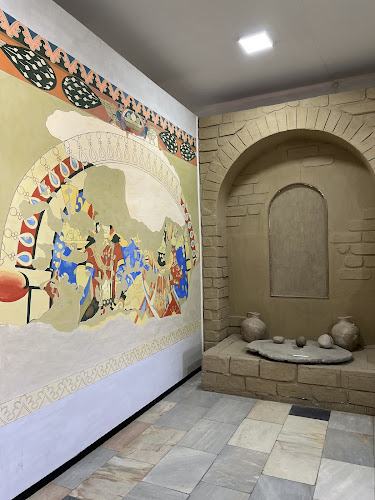
Afrasiyab Museum
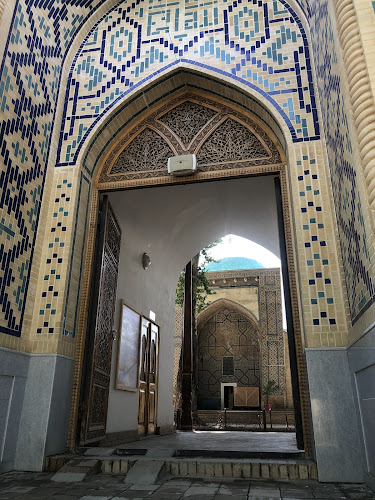
Khodzha Abdu-Darun Mausoleum

Amir Temur Mausoleum Gur-i Amir Сomplex
Find Accommodations Nearby
Recommended Tours & Activities
Visitor Reviews
There are no reviews yet. Be the first one to write one.
Share Your Experience
Have you visited Shah-i-Zinda? Help other travelers by leaving a review.