

Semana Santa de Melilla
About Semana Santa de Melilla
Description
Semana Santa de Melilla is one of those experiences that sneaks up on you. At first glance, it might seem like just another religious festival, but trust me, it’s way more than that. It’s a blend of tradition, culture, and a bit of local flair that really brings the city to life in a way that feels genuine and heartfelt. If you’re the kind of traveler who likes to see how a community expresses its identity through rituals and celebrations, this is right up your alley.
What’s cool about Semana Santa in Melilla is how accessible it is. Whether you’re rolling in with a stroller or a wheelchair, the city has made sure the main events are easy to get into and enjoy. It’s not just about watching from afar; you can feel part of it, which makes a huge difference. And if you’re traveling with kids, you’ll find it surprisingly family-friendly. There’s a certain warmth in the way locals include younger generations, making it a memorable outing for all ages.
Now, I won’t sugarcoat everything. It’s not a perfectly polished tourist show. Some parts can feel a bit chaotic or less organized, which might throw off visitors expecting a slick production. But honestly, that’s part of its charm. It’s real, a bit raw, and that honesty shines through. Plus, the energy from the community is contagious. You’ll find yourself swept up in the processions, the music, and the stories told through centuries-old customs.
One thing that stands out is the deep respect the people of Melilla have for their heritage. Semana Santa here isn’t just a calendar event; it’s a moment that holds a lot of meaning for the locals. You’ll notice it in the solemnity of some processions and the joyful bursts of celebration in others. It’s that balance that makes it fascinating to watch and participate in.
So, if you’re thinking about visiting, expect a mix of solemnity and celebration, tradition and spontaneity. It’s a chance to peek into a unique corner of Spanish culture that’s often overshadowed by bigger, flashier festivals elsewhere. And sometimes, the smaller, less touristy events are the ones that stick with you the longest.
Key Features
- Wheelchair accessible entrances and venues, making it inclusive for all visitors.
- Family-friendly atmosphere, suitable for children and adults alike.
- Authentic processions featuring centuries-old religious statues and local brotherhoods.
- Mix of solemn and festive events, offering a rich cultural experience.
- Strong community involvement, with locals actively participating and welcoming visitors.
- Unique blend of Spanish and North African cultural influences, reflecting Melilla’s diverse heritage.
- Opportunities to witness traditional music, costumes, and culinary delights tied to the festival.
Best Time to Visit
Semana Santa de Melilla happens during Holy Week, typically in late March or early April. Timing your trip to coincide with this period is crucial because the atmosphere is unlike anything else the rest of the year. The city streets transform, and you get to see the whole community come alive in ways that are both moving and lively.
But here’s a little insider tip: the earlier days of the week tend to be less crowded, giving you a more intimate glimpse of the processions and rituals. If you’re all about avoiding big tourist crushes, aim for Monday or Tuesday. By midweek and especially on Good Friday, things get busier, and the processions become more elaborate and intense.
Weather-wise, Melilla is pretty mild around this time, so you won’t be battling the scorching heat or winter chills. Just pack a light jacket for the evenings, and you’re good to go.
How to Get There
Getting to Melilla might feel a bit like a mini-adventure itself. It’s a Spanish city on the North African coast, so it’s not your typical mainland destination. Most travelers arrive by ferry from southern Spain, with ports like Málaga or Almería offering regular services. The ferry ride is about 6 to 7 hours, so it’s a decent chunk of time, but hey, it’s part of the charm. Watching the Mediterranean roll by while you approach this unique city is pretty special.
Alternatively, Melilla has an airport with flights connecting to various Spanish cities. If you’re short on time, flying is definitely the way to go. Just remember, flights can be pricier and less frequent than ferries, so booking ahead is a smart move.
Once you’re there, the city is compact enough to explore on foot, but taxis and local buses are handy if you want to save your energy for soaking in the festival vibes.
Tips for Visiting
Alright, here’s where I get a little personal. When I first visited Semana Santa de Melilla, I made the rookie mistake of showing up without a plan—thinking I could just wander and catch the action. Sure, you can do that, but having a rough itinerary helps a lot. Some processions start early and can last for hours, so knowing the schedule means you won’t miss the best moments.
Also, don’t be shy about chatting with locals. They’re usually pretty proud of their festival and happy to share stories or point you in the direction of the best spots. I remember this one elderly gentleman who told me about the history of one of the brotherhoods—completely changed how I saw the whole event.
Wear comfortable shoes. You’ll be on your feet a lot, and the cobblestone streets can be unforgiving. And pack a small bottle of water—hydration is key, especially if you’re out in the sun waiting for processions to pass.
Finally, bring a bit of patience. Some parts of the festival might feel slow or repetitive if you’re used to fast-paced events. But if you lean into the rhythm and soak in the atmosphere, you’ll find it’s a deeply rewarding experience.
Oh, and don’t forget your camera or smartphone—there are moments you’ll want to capture but also moments you’ll want to just live in without the lens. Finding that balance is part of the fun.
Key Features
- Wheelchair accessible entrances and venues, making it inclusive for all visitors.
- Family-friendly atmosphere, suitable for children and adults alike.
- Authentic processions featuring centuries-old religious statues and local brotherhoods.
- Mix of solemn and festive events, offering a rich cultural experience.
- Strong community involvement, with locals actively participating and welcoming visitors.
- Unique blend of Spanish and North African cultural influences, reflecting Melilla’s diverse heritage.
- Opportunities to witness traditional music, costumes, and culinary delights tied to the festival.
More Details
Updated July 16, 2025
Table of Contents
Description
Semana Santa de Melilla is one of those experiences that sneaks up on you. At first glance, it might seem like just another religious festival, but trust me, it’s way more than that. It’s a blend of tradition, culture, and a bit of local flair that really brings the city to life in a way that feels genuine and heartfelt. If you’re the kind of traveler who likes to see how a community expresses its identity through rituals and celebrations, this is right up your alley.
What’s cool about Semana Santa in Melilla is how accessible it is. Whether you’re rolling in with a stroller or a wheelchair, the city has made sure the main events are easy to get into and enjoy. It’s not just about watching from afar; you can feel part of it, which makes a huge difference. And if you’re traveling with kids, you’ll find it surprisingly family-friendly. There’s a certain warmth in the way locals include younger generations, making it a memorable outing for all ages.
Now, I won’t sugarcoat everything. It’s not a perfectly polished tourist show. Some parts can feel a bit chaotic or less organized, which might throw off visitors expecting a slick production. But honestly, that’s part of its charm. It’s real, a bit raw, and that honesty shines through. Plus, the energy from the community is contagious. You’ll find yourself swept up in the processions, the music, and the stories told through centuries-old customs.
One thing that stands out is the deep respect the people of Melilla have for their heritage. Semana Santa here isn’t just a calendar event; it’s a moment that holds a lot of meaning for the locals. You’ll notice it in the solemnity of some processions and the joyful bursts of celebration in others. It’s that balance that makes it fascinating to watch and participate in.
So, if you’re thinking about visiting, expect a mix of solemnity and celebration, tradition and spontaneity. It’s a chance to peek into a unique corner of Spanish culture that’s often overshadowed by bigger, flashier festivals elsewhere. And sometimes, the smaller, less touristy events are the ones that stick with you the longest.
Key Features
- Wheelchair accessible entrances and venues, making it inclusive for all visitors.
- Family-friendly atmosphere, suitable for children and adults alike.
- Authentic processions featuring centuries-old religious statues and local brotherhoods.
- Mix of solemn and festive events, offering a rich cultural experience.
- Strong community involvement, with locals actively participating and welcoming visitors.
- Unique blend of Spanish and North African cultural influences, reflecting Melilla’s diverse heritage.
- Opportunities to witness traditional music, costumes, and culinary delights tied to the festival.
Best Time to Visit
Semana Santa de Melilla happens during Holy Week, typically in late March or early April. Timing your trip to coincide with this period is crucial because the atmosphere is unlike anything else the rest of the year. The city streets transform, and you get to see the whole community come alive in ways that are both moving and lively.
But here’s a little insider tip: the earlier days of the week tend to be less crowded, giving you a more intimate glimpse of the processions and rituals. If you’re all about avoiding big tourist crushes, aim for Monday or Tuesday. By midweek and especially on Good Friday, things get busier, and the processions become more elaborate and intense.
Weather-wise, Melilla is pretty mild around this time, so you won’t be battling the scorching heat or winter chills. Just pack a light jacket for the evenings, and you’re good to go.
How to Get There
Getting to Melilla might feel a bit like a mini-adventure itself. It’s a Spanish city on the North African coast, so it’s not your typical mainland destination. Most travelers arrive by ferry from southern Spain, with ports like Málaga or Almería offering regular services. The ferry ride is about 6 to 7 hours, so it’s a decent chunk of time, but hey, it’s part of the charm. Watching the Mediterranean roll by while you approach this unique city is pretty special.
Alternatively, Melilla has an airport with flights connecting to various Spanish cities. If you’re short on time, flying is definitely the way to go. Just remember, flights can be pricier and less frequent than ferries, so booking ahead is a smart move.
Once you’re there, the city is compact enough to explore on foot, but taxis and local buses are handy if you want to save your energy for soaking in the festival vibes.
Tips for Visiting
Alright, here’s where I get a little personal. When I first visited Semana Santa de Melilla, I made the rookie mistake of showing up without a plan—thinking I could just wander and catch the action. Sure, you can do that, but having a rough itinerary helps a lot. Some processions start early and can last for hours, so knowing the schedule means you won’t miss the best moments.
Also, don’t be shy about chatting with locals. They’re usually pretty proud of their festival and happy to share stories or point you in the direction of the best spots. I remember this one elderly gentleman who told me about the history of one of the brotherhoods—completely changed how I saw the whole event.
Wear comfortable shoes. You’ll be on your feet a lot, and the cobblestone streets can be unforgiving. And pack a small bottle of water—hydration is key, especially if you’re out in the sun waiting for processions to pass.
Finally, bring a bit of patience. Some parts of the festival might feel slow or repetitive if you’re used to fast-paced events. But if you lean into the rhythm and soak in the atmosphere, you’ll find it’s a deeply rewarding experience.
Oh, and don’t forget your camera or smartphone—there are moments you’ll want to capture but also moments you’ll want to just live in without the lens. Finding that balance is part of the fun.
Key Highlights
- Wheelchair accessible entrances and venues, making it inclusive for all visitors.
- Family-friendly atmosphere, suitable for children and adults alike.
- Authentic processions featuring centuries-old religious statues and local brotherhoods.
- Mix of solemn and festive events, offering a rich cultural experience.
- Strong community involvement, with locals actively participating and welcoming visitors.
- Unique blend of Spanish and North African cultural influences, reflecting Melilla’s diverse heritage.
- Opportunities to witness traditional music, costumes, and culinary delights tied to the festival.
Location
Places to Stay Near Semana Santa de Melilla
Find and Book a Tour
Explore More Travel Guides
No reviews found! Be the first to review!
Traveler Reviews for Semana Santa de Melilla
There are no reviews yet. Be the first one to write one.
Have you visited Semana Santa de Melilla? Help other travelers by sharing your review.
You Might Also Like

Museum of Archeology and History
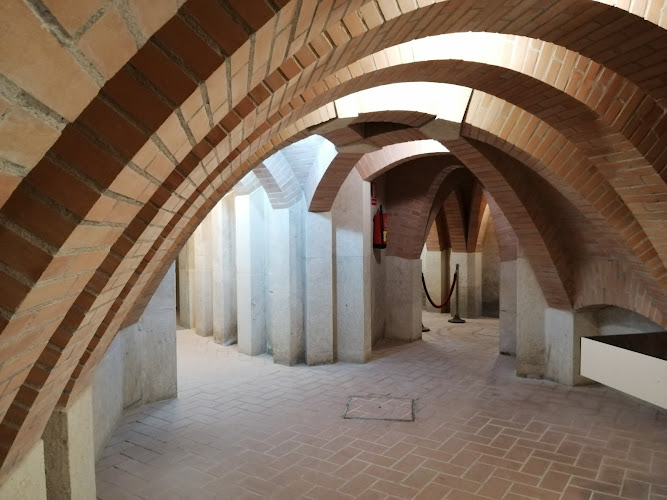
Cuevas del Conventico
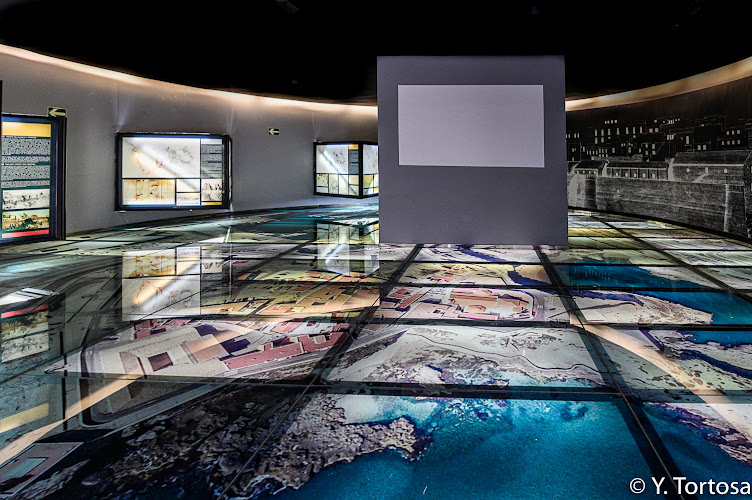
Centro de Interpretación de Melilla la Vieja
Find Accommodations Nearby
Recommended Tours & Activities
Visitor Reviews
There are no reviews yet. Be the first one to write one.
Share Your Experience
Have you visited Semana Santa de Melilla? Help other travelers by leaving a review.