

Sedgwick Museum of Earth Sciences
About Sedgwick Museum of Earth Sciences
Description
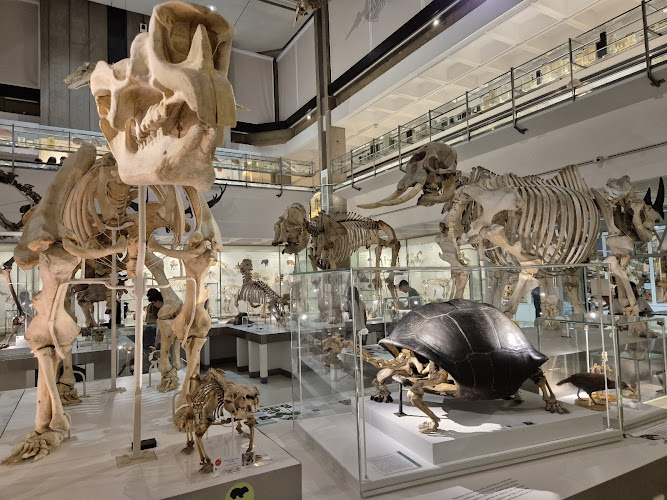
The Sedgwick Museum of Earth Sciences in Cambridge is one of those places that feels like stepping into a time machine, only instead of flashing lights and sci-fi sound effects, you get rows of glass cabinets packed with fossils, rocks, and even meteorites. It’s the University of Cambridge’s oldest museum, founded back in the 18th century, and it still carries that old-world charm. The atmosphere is classic—wooden floors that creak just enough to remind you of the building’s history, and long galleries where you can wander at your own pace.
What really makes this museum stand out is the sense of connection to some of the great names in science. Charles Darwin himself donated specimens here, and you can actually see some of them on display. That’s not something you get in your average science museum. And while it’s not flashy or overly interactive like some modern attractions, the sheer depth of the collection more than makes up for it. For anyone with even a passing interest in geology, paleontology, or just the story of Earth itself, it’s a goldmine.
Most visitors walk away impressed by the scale and detail of the exhibits, though a few might find the traditional layout a bit old-fashioned. Personally, I think that’s part of the magic—it feels authentic, like you’re peeking behind the curtain of scientific history rather than being spoon-fed digital displays. Kids seem to enjoy it too, especially when they stumble upon the dinosaur fossils. And honestly, who doesn’t get a little thrill seeing the skeleton of a creature that walked the Earth millions of years ago?
Key Features
- Over 1 million specimens covering 4.5 billion years of Earth’s history
- Fossils donated by Charles Darwin himself
- Dinosaur skeletons and prehistoric marine reptiles
- Extensive rock and mineral collections, including meteorites
- Historic displays with wooden cabinets and handwritten labels
- Free entry, making it accessible for all budgets
- Wheelchair-accessible entrance and restrooms
- Family-friendly environment with exhibits that spark kids’ curiosity
Best Time to Visit
If you want to enjoy the museum without the buzz of too many people, weekdays in the late morning or early afternoon are usually the sweet spot. Weekends can get busier, especially when families and tour groups come through. I once visited on a rainy Tuesday and practically had the place to myself—it was like a private tour through Earth’s history. Summer holidays naturally draw more crowds, but the museum is spacious enough that you can usually find a quiet corner to linger over a fossil or two.
One thing to keep in mind: the museum isn’t huge compared to some other institutions, so you don’t need an entire day. Two to three hours is usually enough time to take it all in without rushing. That said, if you’re the type who likes to read every single label (guilty as charged), you might want to plan for a bit longer.
How to Get There
The Sedgwick Museum is right in the heart of Cambridge, which makes it pretty convenient if you’re already exploring the city. From the train station, it’s about a 15–20 minute walk, or you can hop on one of the local buses. If you’re driving, parking in central Cambridge can be a bit of a headache, so I’d recommend using one of the park-and-ride services unless you’re particularly brave about city driving.
Cycling is another great option—this is Cambridge after all, and bikes are everywhere. I once rented a bike while visiting and it was hands-down the easiest way to get around. Just be prepared to dodge the occasional student zipping past at lightning speed.
Tips for Visiting
First off, don’t rush. Even though the museum isn’t massive, the details are what make it special. Take the time to peer into the cases and notice the handwritten labels that date back decades. They’ve got a charm of their own.
If you’re bringing kids, set them a little challenge, like spotting the biggest dinosaur bone or finding the meteorite. It keeps them engaged and makes the visit more fun. And if you’re someone who geeks out over history, make a point of finding Darwin’s specimens—they’re tucked among the other fossils, and it feels like discovering a hidden treasure when you spot them.
The museum doesn’t have a café, so grab a coffee or snack before you go in. There are plenty of options nearby since it’s right in the city center. Also, wear comfy shoes—the wooden floors are beautiful but not the softest underfoot if you’re wandering around for a couple of hours.
Finally, keep in mind that photography is allowed, but flash isn’t. So, if you’re planning to capture some shots of the fossils or the old-school display cases, bring a camera or phone with good low-light settings. I’ve taken some of my favorite travel photos in this museum—there’s something about the way the light hits the glass cases that makes everything look timeless.
Key Features
- Over 1 million specimens covering 4.5 billion years of Earth’s history
- Fossils donated by Charles Darwin himself
- Dinosaur skeletons and prehistoric marine reptiles
- Extensive rock and mineral collections, including meteorites
- Historic displays with wooden cabinets and handwritten labels
- Free entry, making it accessible for all budgets
- Wheelchair-accessible entrance and restrooms
- Family-friendly environment with exhibits that spark kids’ curiosity
More Details
Updated September 9, 2025
Table of Contents
Description
The Sedgwick Museum of Earth Sciences in Cambridge is one of those places that feels like stepping into a time machine, only instead of flashing lights and sci-fi sound effects, you get rows of glass cabinets packed with fossils, rocks, and even meteorites. It’s the University of Cambridge’s oldest museum, founded back in the 18th century, and it still carries that old-world charm. The atmosphere is classic—wooden floors that creak just enough to remind you of the building’s history, and long galleries where you can wander at your own pace.
What really makes this museum stand out is the sense of connection to some of the great names in science. Charles Darwin himself donated specimens here, and you can actually see some of them on display. That’s not something you get in your average science museum. And while it’s not flashy or overly interactive like some modern attractions, the sheer depth of the collection more than makes up for it. For anyone with even a passing interest in geology, paleontology, or just the story of Earth itself, it’s a goldmine.
Most visitors walk away impressed by the scale and detail of the exhibits, though a few might find the traditional layout a bit old-fashioned. Personally, I think that’s part of the magic—it feels authentic, like you’re peeking behind the curtain of scientific history rather than being spoon-fed digital displays. Kids seem to enjoy it too, especially when they stumble upon the dinosaur fossils. And honestly, who doesn’t get a little thrill seeing the skeleton of a creature that walked the Earth millions of years ago?
Key Features
- Over 1 million specimens covering 4.5 billion years of Earth’s history
- Fossils donated by Charles Darwin himself
- Dinosaur skeletons and prehistoric marine reptiles
- Extensive rock and mineral collections, including meteorites
- Historic displays with wooden cabinets and handwritten labels
- Free entry, making it accessible for all budgets
- Wheelchair-accessible entrance and restrooms
- Family-friendly environment with exhibits that spark kids’ curiosity
Best Time to Visit
If you want to enjoy the museum without the buzz of too many people, weekdays in the late morning or early afternoon are usually the sweet spot. Weekends can get busier, especially when families and tour groups come through. I once visited on a rainy Tuesday and practically had the place to myself—it was like a private tour through Earth’s history. Summer holidays naturally draw more crowds, but the museum is spacious enough that you can usually find a quiet corner to linger over a fossil or two.
One thing to keep in mind: the museum isn’t huge compared to some other institutions, so you don’t need an entire day. Two to three hours is usually enough time to take it all in without rushing. That said, if you’re the type who likes to read every single label (guilty as charged), you might want to plan for a bit longer.
How to Get There
The Sedgwick Museum is right in the heart of Cambridge, which makes it pretty convenient if you’re already exploring the city. From the train station, it’s about a 15–20 minute walk, or you can hop on one of the local buses. If you’re driving, parking in central Cambridge can be a bit of a headache, so I’d recommend using one of the park-and-ride services unless you’re particularly brave about city driving.
Cycling is another great option—this is Cambridge after all, and bikes are everywhere. I once rented a bike while visiting and it was hands-down the easiest way to get around. Just be prepared to dodge the occasional student zipping past at lightning speed.
Tips for Visiting
First off, don’t rush. Even though the museum isn’t massive, the details are what make it special. Take the time to peer into the cases and notice the handwritten labels that date back decades. They’ve got a charm of their own.
If you’re bringing kids, set them a little challenge, like spotting the biggest dinosaur bone or finding the meteorite. It keeps them engaged and makes the visit more fun. And if you’re someone who geeks out over history, make a point of finding Darwin’s specimens—they’re tucked among the other fossils, and it feels like discovering a hidden treasure when you spot them.
The museum doesn’t have a café, so grab a coffee or snack before you go in. There are plenty of options nearby since it’s right in the city center. Also, wear comfy shoes—the wooden floors are beautiful but not the softest underfoot if you’re wandering around for a couple of hours.
Finally, keep in mind that photography is allowed, but flash isn’t. So, if you’re planning to capture some shots of the fossils or the old-school display cases, bring a camera or phone with good low-light settings. I’ve taken some of my favorite travel photos in this museum—there’s something about the way the light hits the glass cases that makes everything look timeless.
Key Highlights
- Over 1 million specimens covering 4.5 billion years of Earth’s history
- Fossils donated by Charles Darwin himself
- Dinosaur skeletons and prehistoric marine reptiles
- Extensive rock and mineral collections, including meteorites
- Historic displays with wooden cabinets and handwritten labels
- Free entry, making it accessible for all budgets
- Wheelchair-accessible entrance and restrooms
- Family-friendly environment with exhibits that spark kids’ curiosity
Location
Places to Stay Near Sedgwick Museum of Earth Sciences
Find and Book a Tour
Explore More Travel Guides
No reviews found! Be the first to review!
Traveler Reviews for Sedgwick Museum of Earth Sciences
There are no reviews yet. Be the first one to write one.
Have you visited Sedgwick Museum of Earth Sciences? Help other travelers by sharing your review.
You Might Also Like
University Museum Of Zoology

The Polar Museum

Museum of Archaeology and Anthropology
Find Accommodations Nearby
Recommended Tours & Activities
Visitor Reviews
There are no reviews yet. Be the first one to write one.
Share Your Experience
Have you visited Sedgwick Museum of Earth Sciences? Help other travelers by leaving a review.