

Sculpture Fields at Montague Park
About Sculpture Fields at Montague Park
Description
Sculpture Fields at Montague Park stretches across roughly 33 acres of open land, and that scale is the first thing that hits most visitors. It’s not a tidy little sculpture garden where you shuffle politely from one piece to the next. This place breathes. The sculptures are spaced out across rolling grass, framed by big skies, distant tree lines, and the occasional jogger or dog walker cutting through the scene. It feels less like a museum and more like a conversation between art and landscape, which, personally, is how outdoor sculpture should be experienced.
The park focuses on large-scale contemporary works. Some pieces tower over you, others sprawl horizontally like they’ve landed there on purpose and decided to stay. There’s abstract steel that twists and curls, stone forms that look ancient even though they’re not, and playful designs that make kids stop dead in their tracks and ask questions adults don’t always have answers for. And that’s kind of the magic. You’re not handed explanations on a silver platter. You’re invited to interpret.
What stands out, and I say this as someone who’s wandered through a fair number of sculpture parks, is how approachable the place feels. You don’t need an art history degree or a deep love of modernism to enjoy it. You can just walk, look, think, or not think at all. I remember one visit where I barely read any signage and just let the shapes guide me. It was oddly calming, like letting your brain stretch its legs.
There’s also a very real sense that this is a community space, not just a tourist stop. Locals picnic here. Parents bring bikes and strollers. Couples wander around at sunset, lingering longer than they planned. And yes, sometimes you’ll overhear opinions about certain sculptures that are blunt, funny, or both. Not every piece clicks with every person, and that honesty actually adds to the experience. Art doesn’t need universal approval to be worthwhile.
Key Features
- Expansive 33-acre layout that allows sculptures to be viewed from multiple angles and distances
- Large-scale contemporary sculptures by rotating artists, meaning repeat visits feel fresh
- Wide, grassy paths suitable for walking, casual strolling, and slow-paced exploration
- Free on-site parking, which still feels like a small miracle these days
- Wheelchair accessible entrance, restrooms, and parking areas
- Restroom facilities available on-site, not always a given in outdoor art spaces
- Open sightlines that make photography especially rewarding, even for phone cameras
- Kid-friendly environment where touching the art isn’t encouraged, but curiosity is
Best Time to Visit
The park is open year-round, but timing your visit can change the whole mood. Spring is probably the sweet spot if you ask me. The grass is green, the temperatures are forgiving, and you can linger without melting or rushing. Fall comes in a close second, especially when the air sharpens just enough to make walking feel purposeful. The sculptures seem to hold their own against autumn colors, which isn’t easy.
Summer visits are doable, but they require strategy. Go early in the morning or later in the evening. Midday heat can be intense, and there’s limited shade in some sections. That said, summer sunsets here are something else. I once showed up “just to look around for ten minutes” and ended up staying until the sky went pink and gold, the sculptures throwing long shadows that felt like new artworks entirely.
Winter has its own quiet appeal. Fewer people, more space, and a stripped-down landscape that puts all the attention on form and texture. You’ll want a jacket, obviously, but if you like contemplative walks and don’t mind a bit of chill, winter visits feel almost private.
Weekdays are calmer, especially in the mornings. Weekends bring more energy, families, and dogs. Neither is better, just different. If you want solitude and uninterrupted wandering, aim for a weekday. If you enjoy people-watching and overhearing spontaneous debates about whether a sculpture looks like a spaceship or a pretzel, weekends deliver.
How to Get There
Getting to Sculpture Fields at Montague Park is fairly straightforward, especially if you’re already exploring the surrounding city. It’s well-known enough that most navigation apps will recognize it immediately. Drivers will appreciate the free on-site parking, which removes a layer of stress before you even step out of the car.
If you’re staying nearby, rideshare services are a solid option, and cyclists often include the park as part of a longer ride. The surrounding area is generally flat enough to make biking comfortable, even for casual riders. I’ve also walked in from nearby spots before, and while it’s not tucked into a dense urban grid, the walk itself felt like part of the experience. You transition from streets to open land, and it sets the tone nicely.
Public transportation options exist, but they may require a bit of planning depending on where you’re coming from. If you’re the type who enjoys figuring out local transit (I am, to a fault), it can be a small adventure. Otherwise, driving or rideshare is the most efficient route.
Tips for Visiting
First tip, and I can’t stress this enough: wear comfortable shoes. The park is bigger than it looks at first glance, and you’ll want the freedom to wander without thinking about your feet. I made the mistake once of wearing shoes that were “fine for walking” and regretted it halfway through. Learn from my errors.
Bring water, especially on warmer days. There’s a lot of open space, and while that’s part of the appeal, it also means sun exposure. A hat or sunscreen isn’t a bad idea either. You might not notice how long you’ve been out there until you check the time and realize an hour disappeared.
Don’t rush. This isn’t a checklist destination. Give yourself permission to skip pieces that don’t grab you and spend extra time with ones that do. Sit on the grass. Walk around a sculpture more than once. Look at it from far away, then up close. I’ve changed my mind about pieces simply by shifting my angle.
If you’re visiting with kids, let them lead occasionally. They notice things adults don’t. I once overheard a child explain a sculpture’s purpose with absolute confidence, and honestly, their interpretation was better than anything I could’ve come up with.
Photography is encouraged, but try not to experience everything through a screen. Take a few shots, sure, but also let yourself just be there. The scale, the silence broken by wind or distant laughter, the way metal and stone sit against the sky… those things don’t fully translate to photos.
And finally, keep an open mind. Not every sculpture will resonate. Some might confuse you. A few might annoy you. That’s okay. Contemporary art is allowed to be challenging, and Sculpture Fields at Montague Park gives it room to be exactly that. You’ll likely leave with at least one image stuck in your head, and in my book, that means the place did its job.
Key Features
- Expansive 33-acre layout that allows sculptures to be viewed from multiple angles and distances
- Large-scale contemporary sculptures by rotating artists, meaning repeat visits feel fresh
- Wide, grassy paths suitable for walking, casual strolling, and slow-paced exploration
- Free on-site parking, which still feels like a small miracle these days
- Wheelchair accessible entrance, restrooms, and parking areas
- Restroom facilities available on-site, not always a given in outdoor art spaces
- Open sightlines that make photography especially rewarding, even for phone cameras
- Kid-friendly environment where touching the art isn’t encouraged, but curiosity is
More Details
Updated January 1, 2026
Table of Contents
Description
Sculpture Fields at Montague Park stretches across roughly 33 acres of open land, and that scale is the first thing that hits most visitors. It’s not a tidy little sculpture garden where you shuffle politely from one piece to the next. This place breathes. The sculptures are spaced out across rolling grass, framed by big skies, distant tree lines, and the occasional jogger or dog walker cutting through the scene. It feels less like a museum and more like a conversation between art and landscape, which, personally, is how outdoor sculpture should be experienced.
The park focuses on large-scale contemporary works. Some pieces tower over you, others sprawl horizontally like they’ve landed there on purpose and decided to stay. There’s abstract steel that twists and curls, stone forms that look ancient even though they’re not, and playful designs that make kids stop dead in their tracks and ask questions adults don’t always have answers for. And that’s kind of the magic. You’re not handed explanations on a silver platter. You’re invited to interpret.
What stands out, and I say this as someone who’s wandered through a fair number of sculpture parks, is how approachable the place feels. You don’t need an art history degree or a deep love of modernism to enjoy it. You can just walk, look, think, or not think at all. I remember one visit where I barely read any signage and just let the shapes guide me. It was oddly calming, like letting your brain stretch its legs.
There’s also a very real sense that this is a community space, not just a tourist stop. Locals picnic here. Parents bring bikes and strollers. Couples wander around at sunset, lingering longer than they planned. And yes, sometimes you’ll overhear opinions about certain sculptures that are blunt, funny, or both. Not every piece clicks with every person, and that honesty actually adds to the experience. Art doesn’t need universal approval to be worthwhile.
Key Features
- Expansive 33-acre layout that allows sculptures to be viewed from multiple angles and distances
- Large-scale contemporary sculptures by rotating artists, meaning repeat visits feel fresh
- Wide, grassy paths suitable for walking, casual strolling, and slow-paced exploration
- Free on-site parking, which still feels like a small miracle these days
- Wheelchair accessible entrance, restrooms, and parking areas
- Restroom facilities available on-site, not always a given in outdoor art spaces
- Open sightlines that make photography especially rewarding, even for phone cameras
- Kid-friendly environment where touching the art isn’t encouraged, but curiosity is
Best Time to Visit
The park is open year-round, but timing your visit can change the whole mood. Spring is probably the sweet spot if you ask me. The grass is green, the temperatures are forgiving, and you can linger without melting or rushing. Fall comes in a close second, especially when the air sharpens just enough to make walking feel purposeful. The sculptures seem to hold their own against autumn colors, which isn’t easy.
Summer visits are doable, but they require strategy. Go early in the morning or later in the evening. Midday heat can be intense, and there’s limited shade in some sections. That said, summer sunsets here are something else. I once showed up “just to look around for ten minutes” and ended up staying until the sky went pink and gold, the sculptures throwing long shadows that felt like new artworks entirely.
Winter has its own quiet appeal. Fewer people, more space, and a stripped-down landscape that puts all the attention on form and texture. You’ll want a jacket, obviously, but if you like contemplative walks and don’t mind a bit of chill, winter visits feel almost private.
Weekdays are calmer, especially in the mornings. Weekends bring more energy, families, and dogs. Neither is better, just different. If you want solitude and uninterrupted wandering, aim for a weekday. If you enjoy people-watching and overhearing spontaneous debates about whether a sculpture looks like a spaceship or a pretzel, weekends deliver.
How to Get There
Getting to Sculpture Fields at Montague Park is fairly straightforward, especially if you’re already exploring the surrounding city. It’s well-known enough that most navigation apps will recognize it immediately. Drivers will appreciate the free on-site parking, which removes a layer of stress before you even step out of the car.
If you’re staying nearby, rideshare services are a solid option, and cyclists often include the park as part of a longer ride. The surrounding area is generally flat enough to make biking comfortable, even for casual riders. I’ve also walked in from nearby spots before, and while it’s not tucked into a dense urban grid, the walk itself felt like part of the experience. You transition from streets to open land, and it sets the tone nicely.
Public transportation options exist, but they may require a bit of planning depending on where you’re coming from. If you’re the type who enjoys figuring out local transit (I am, to a fault), it can be a small adventure. Otherwise, driving or rideshare is the most efficient route.
Tips for Visiting
First tip, and I can’t stress this enough: wear comfortable shoes. The park is bigger than it looks at first glance, and you’ll want the freedom to wander without thinking about your feet. I made the mistake once of wearing shoes that were “fine for walking” and regretted it halfway through. Learn from my errors.
Bring water, especially on warmer days. There’s a lot of open space, and while that’s part of the appeal, it also means sun exposure. A hat or sunscreen isn’t a bad idea either. You might not notice how long you’ve been out there until you check the time and realize an hour disappeared.
Don’t rush. This isn’t a checklist destination. Give yourself permission to skip pieces that don’t grab you and spend extra time with ones that do. Sit on the grass. Walk around a sculpture more than once. Look at it from far away, then up close. I’ve changed my mind about pieces simply by shifting my angle.
If you’re visiting with kids, let them lead occasionally. They notice things adults don’t. I once overheard a child explain a sculpture’s purpose with absolute confidence, and honestly, their interpretation was better than anything I could’ve come up with.
Photography is encouraged, but try not to experience everything through a screen. Take a few shots, sure, but also let yourself just be there. The scale, the silence broken by wind or distant laughter, the way metal and stone sit against the sky… those things don’t fully translate to photos.
And finally, keep an open mind. Not every sculpture will resonate. Some might confuse you. A few might annoy you. That’s okay. Contemporary art is allowed to be challenging, and Sculpture Fields at Montague Park gives it room to be exactly that. You’ll likely leave with at least one image stuck in your head, and in my book, that means the place did its job.
Key Highlights
- Expansive 33-acre layout that allows sculptures to be viewed from multiple angles and distances
- Large-scale contemporary sculptures by rotating artists, meaning repeat visits feel fresh
- Wide, grassy paths suitable for walking, casual strolling, and slow-paced exploration
- Free on-site parking, which still feels like a small miracle these days
- Wheelchair accessible entrance, restrooms, and parking areas
- Restroom facilities available on-site, not always a given in outdoor art spaces
- Open sightlines that make photography especially rewarding, even for phone cameras
- Kid-friendly environment where touching the art isn’t encouraged, but curiosity is
Location
Places to Stay Near Sculpture Fields at Montague Park
Find and Book a Tour
Explore More Travel Guides
No reviews found! Be the first to review!
Traveler Reviews for Sculpture Fields at Montague Park
There are no reviews yet. Be the first one to write one.
Have you visited Sculpture Fields at Montague Park? Help other travelers by sharing your review.
You Might Also Like
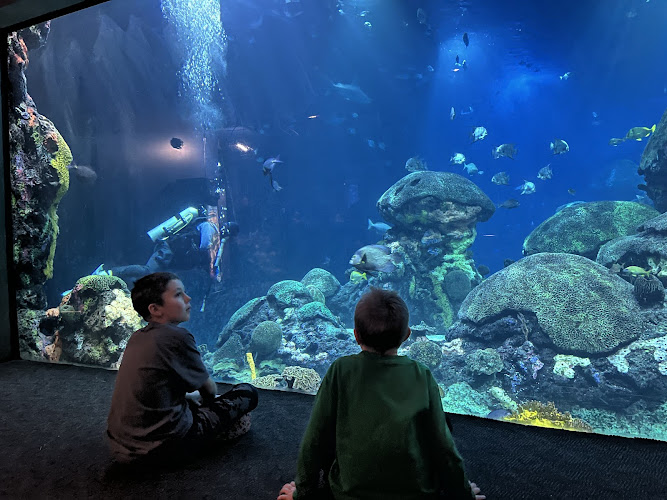
Tennessee Aquarium

Audubon Acres

Tennessee Valley Railroad Museum
Find Accommodations Nearby
Recommended Tours & Activities
Visitor Reviews
There are no reviews yet. Be the first one to write one.
Share Your Experience
Have you visited Sculpture Fields at Montague Park? Help other travelers by leaving a review.