

Science Museum of Western Virginia
About Science Museum of Western Virginia
Description
The Science Museum of Western Virginia sits in the heart of Roanoke and presents itself as a hands-on center for curiosity, learning, and low-stakes wonder. Visitors find more than a row of static displays; they discover a place that encourages touching, tinkering, and asking Why? The museum is known for its planetarium shows that make the cosmos feel slightly less distant, and a butterfly garden that quietly steals the hearts of folks who didn't expect to stop and watch a painted lady dodge sunlight for minutes on end. It is a museum that likes to surprise people — and often does.
Travelers who plan to visit should picture an experience built around participation. Exhibits invite experimentation: try a simple mechanical challenge, see basic physics at work with everyday objects, or peer through microscopes to meet tiny worlds. There is a genuine focus on science education, but without the heavy-handed textbook vibe. A lot of the appeal lies in the how-to and the aha moment — the kind of small epiphanies that families still talk about on the drive home. Schools bring students for field trips, curious adults wander in between downtown errands, and couples on low-key dates discover they can get oddly competitive with the interactive displays. It happens.
One distinguishing feature is the planetarium, a dark dome that does an excellent job of turning complicated astronomy into a story anyone can follow. The shows range from beginner-friendly sky tours that point out planets and seasonal constellations to more immersive, narrative-driven experiences for older kids and adults. The projection quality and programming are solid for a regional museum; it's not a national observatory, but it brings stars within conversational reach. In short: if someone wants a digestible blast of space lore without committing to a long lecture, this does the trick.
Another quieter jewel is the indoor butterfly garden. It’s not enormous, but that intimacy is part of the charm. Butterflies flit among curated plantings, and the setting is intentionally calming — good for visitors who need a slower pace after the more active galleries. It also serves as a neat natural science demonstration: life cycles, pollination, and habitat needs presented in a way that’s gentle and visually pleasing. Kids often linger here longer than parents expect, completely entranced. And you might find the occasional volunteer or naturalist stationed nearby, ready to answer a question or point out a species. Those little conversations are the museum's secret sauce.
Accessibility is taken seriously. The building offers a wheelchair-accessible entrance, an accessible parking lot, and restrooms that accommodate mobility needs. It’s worth noting because not every regional museum invests so visibly in accessibility details. That said, some visitors report that during busy periods certain gallery spaces feel tight; mobility is supported, but navigating a crowded exhibit can still be a juggling act. The museum provides a calm, approachable environment, but the busiest days require a little patience.
Practical amenities are straightforward. There is a gift shop with science-themed trinkets, educational toys, and a handful of keepsakes that make for nice, last-minute souvenirs. There’s no on-site restaurant, so visitors typically plan for a bite in nearby downtown Roanoke or a quick picnic if the weather allows. Parking is generous relative to some urban museums: options include free on-site and street parking supplemented by paid lots and street spaces if those fill up during events. Admission is fee-based, which helps keep programming fresh and supports the nonprofit mission; however, it’s not priced like a major metropolitan attraction. Many travelers find the cost reasonable, particularly for families who can spend several hours exploring.
Hands-on interactive exhibits are core to the museum’s mission. Expect areas designed for different ages: bright, sensory-friendly zones for young children with tactile activities and simpler explanations, and more complex demonstrations for older kids and adults that lean into physics, technology, and life sciences. The tone is educational but playful. This makes the museum a useful stop for families, for casual learners, and for anyone who enjoys seeing how simple experiments illuminate bigger ideas. A lot of the museum’s programming is local and community-driven — think guest demonstrations, rotating science shows, and occasional special events that draw people from across western Virginia.
Visitors often remark on the museum’s community feel. It’s run as a nonprofit, and that shows in the staff and volunteer presence. People behind the scenes tend to be enthusiastic and are often good at translating complex concepts into everyday analogies. One staffer might explain tidal forces with a bowl of water and a flashlight, another volunteer will enthusiastically point out a caterpillar species in the butterfly garden. Those personal touches make the visit feel less like consuming content and more like being invited into a conversation about how the world works.
There are trade-offs, naturally. The museum’s footprint is modest compared to large urban science centers, so it focuses on a curated set of experiences rather than an exhaustive catalog. Visitors seeking giant immersive installations or extensive indoor play areas might be slightly disappointed. But for travelers who appreciate quality over sheer scale and prefer meaningful interactions to an overload of screens, the Science Museum of Western Virginia hits a sweet spot. It is a compact, thoughtful museum that does several things well — especially astronomy, natural science, and interactive demonstrations — rather than trying to do everything halfway.
Seasonal programming and rotating exhibits give repeat visitors reasons to return. During warmer months the butterfly garden tends to be at its busiest and most colorful; planetarium programming adjusts with astronomical events like meteor showers, visible planet alignments, and constellation changes. The museum also hosts periodic workshops, maker-space style activities, and family science nights. Travelers who enjoy timing a visit to coincide with special events can get more bang for their travel buck.
Honest traveler notes worth sharing: the museum is often visited in combination with a stroll through downtown Roanoke and its nearby Market Square activities. That makes it easy to pair a morning at the museum with lunch, local shops, or a short hike on surrounding trails for those who brought walking shoes. For parents traveling with kids, plan for at least two hours if they want to see the planetarium and pop through the butterfly garden at a relaxed pace, longer if they’re enrolling in a hands-on workshop. Adults visiting solo or on a date could comfortably spend 60 to 90 focused minutes.
Finally, the Science Museum of Western Virginia is the sort of place that rewards curiosity. It’s earnest, sometimes delightfully nerdy, and built around the principle that learning can be immediate — you can flip a switch, spin a wheel, and see a concept reveal itself. Travelers who come with an open mind and a willingness to play will leave with a few new facts, maybe a silly photo, and the pleasant memory of an afternoon well spent. It’s not perfect, but then, which small museum is? For many people the imperfections — the human staff, the local flavor, the modest scale — are exactly what gives it charm. If a traveler wants a regional science experience in Roanoke that combines planetarium shows, a butterfly garden, and interactive exhibits with accessible facilities and a friendly nonprofit vibe, this museum is worth penciling into the itinerary.
Key Features
More Details
Updated August 30, 2025
Table of Contents
Description
The Science Museum of Western Virginia sits in the heart of Roanoke and presents itself as a hands-on center for curiosity, learning, and low-stakes wonder. Visitors find more than a row of static displays; they discover a place that encourages touching, tinkering, and asking Why? The museum is known for its planetarium shows that make the cosmos feel slightly less distant, and a butterfly garden that quietly steals the hearts of folks who didn’t expect to stop and watch a painted lady dodge sunlight for minutes on end. It is a museum that likes to surprise people — and often does.
Travelers who plan to visit should picture an experience built around participation. Exhibits invite experimentation: try a simple mechanical challenge, see basic physics at work with everyday objects, or peer through microscopes to meet tiny worlds. There is a genuine focus on science education, but without the heavy-handed textbook vibe. A lot of the appeal lies in the how-to and the aha moment — the kind of small epiphanies that families still talk about on the drive home. Schools bring students for field trips, curious adults wander in between downtown errands, and couples on low-key dates discover they can get oddly competitive with the interactive displays. It happens.
One distinguishing feature is the planetarium, a dark dome that does an excellent job of turning complicated astronomy into a story anyone can follow. The shows range from beginner-friendly sky tours that point out planets and seasonal constellations to more immersive, narrative-driven experiences for older kids and adults. The projection quality and programming are solid for a regional museum; it’s not a national observatory, but it brings stars within conversational reach. In short: if someone wants a digestible blast of space lore without committing to a long lecture, this does the trick.
Another quieter jewel is the indoor butterfly garden. It’s not enormous, but that intimacy is part of the charm. Butterflies flit among curated plantings, and the setting is intentionally calming — good for visitors who need a slower pace after the more active galleries. It also serves as a neat natural science demonstration: life cycles, pollination, and habitat needs presented in a way that’s gentle and visually pleasing. Kids often linger here longer than parents expect, completely entranced. And you might find the occasional volunteer or naturalist stationed nearby, ready to answer a question or point out a species. Those little conversations are the museum’s secret sauce.
Accessibility is taken seriously. The building offers a wheelchair-accessible entrance, an accessible parking lot, and restrooms that accommodate mobility needs. It’s worth noting because not every regional museum invests so visibly in accessibility details. That said, some visitors report that during busy periods certain gallery spaces feel tight; mobility is supported, but navigating a crowded exhibit can still be a juggling act. The museum provides a calm, approachable environment, but the busiest days require a little patience.
Practical amenities are straightforward. There is a gift shop with science-themed trinkets, educational toys, and a handful of keepsakes that make for nice, last-minute souvenirs. There’s no on-site restaurant, so visitors typically plan for a bite in nearby downtown Roanoke or a quick picnic if the weather allows. Parking is generous relative to some urban museums: options include free on-site and street parking supplemented by paid lots and street spaces if those fill up during events. Admission is fee-based, which helps keep programming fresh and supports the nonprofit mission; however, it’s not priced like a major metropolitan attraction. Many travelers find the cost reasonable, particularly for families who can spend several hours exploring.
Hands-on interactive exhibits are core to the museum’s mission. Expect areas designed for different ages: bright, sensory-friendly zones for young children with tactile activities and simpler explanations, and more complex demonstrations for older kids and adults that lean into physics, technology, and life sciences. The tone is educational but playful. This makes the museum a useful stop for families, for casual learners, and for anyone who enjoys seeing how simple experiments illuminate bigger ideas. A lot of the museum’s programming is local and community-driven — think guest demonstrations, rotating science shows, and occasional special events that draw people from across western Virginia.
Visitors often remark on the museum’s community feel. It’s run as a nonprofit, and that shows in the staff and volunteer presence. People behind the scenes tend to be enthusiastic and are often good at translating complex concepts into everyday analogies. One staffer might explain tidal forces with a bowl of water and a flashlight, another volunteer will enthusiastically point out a caterpillar species in the butterfly garden. Those personal touches make the visit feel less like consuming content and more like being invited into a conversation about how the world works.
There are trade-offs, naturally. The museum’s footprint is modest compared to large urban science centers, so it focuses on a curated set of experiences rather than an exhaustive catalog. Visitors seeking giant immersive installations or extensive indoor play areas might be slightly disappointed. But for travelers who appreciate quality over sheer scale and prefer meaningful interactions to an overload of screens, the Science Museum of Western Virginia hits a sweet spot. It is a compact, thoughtful museum that does several things well — especially astronomy, natural science, and interactive demonstrations — rather than trying to do everything halfway.
Seasonal programming and rotating exhibits give repeat visitors reasons to return. During warmer months the butterfly garden tends to be at its busiest and most colorful; planetarium programming adjusts with astronomical events like meteor showers, visible planet alignments, and constellation changes. The museum also hosts periodic workshops, maker-space style activities, and family science nights. Travelers who enjoy timing a visit to coincide with special events can get more bang for their travel buck.
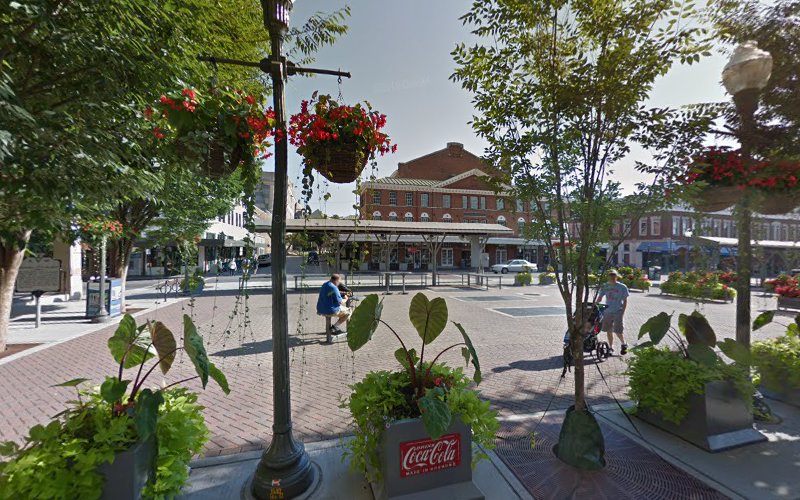
Honest traveler notes worth sharing: the museum is often visited in combination with a stroll through downtown Roanoke and its nearby Market Square activities. That makes it easy to pair a morning at the museum with lunch, local shops, or a short hike on surrounding trails for those who brought walking shoes. For parents traveling with kids, plan for at least two hours if they want to see the planetarium and pop through the butterfly garden at a relaxed pace, longer if they’re enrolling in a hands-on workshop. Adults visiting solo or on a date could comfortably spend 60 to 90 focused minutes.
Finally, the Science Museum of Western Virginia is the sort of place that rewards curiosity. It’s earnest, sometimes delightfully nerdy, and built around the principle that learning can be immediate — you can flip a switch, spin a wheel, and see a concept reveal itself. Travelers who come with an open mind and a willingness to play will leave with a few new facts, maybe a silly photo, and the pleasant memory of an afternoon well spent. It’s not perfect, but then, which small museum is? For many people the imperfections — the human staff, the local flavor, the modest scale — are exactly what gives it charm. If a traveler wants a regional science experience in Roanoke that combines planetarium shows, a butterfly garden, and interactive exhibits with accessible facilities and a friendly nonprofit vibe, this museum is worth penciling into the itinerary.
Key Highlights
Science Museum of Western Virginia
Location
Places to Stay Near Science Museum of Western Virginia
Find and Book a Tour
Explore More Travel Guides
No reviews found! Be the first to review!
Traveler Reviews for Science Museum of Western Virginia
There are no reviews yet. Be the first one to write one.
Have you visited Science Museum of Western Virginia? Help other travelers by sharing your review.
You Might Also Like
1 Market Square SE #2

Mill Mountain Zoo
Mill Mountain Park
Find Accommodations Nearby
Recommended Tours & Activities
Visitor Reviews
There are no reviews yet. Be the first one to write one.
Share Your Experience
Have you visited Science Museum of Western Virginia? Help other travelers by leaving a review.