Description
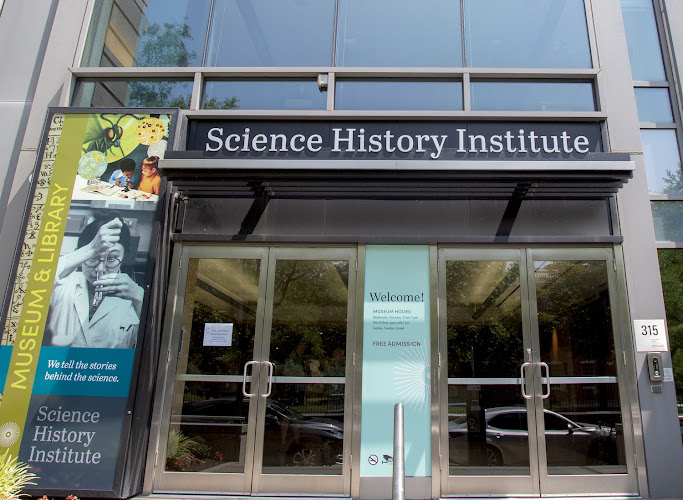
The Science History Institute stands as one of those rare gems that manages to make chemistry actually interesting – and I say that as someone who barely scraped through high school chemistry. This isn’t your typical dusty museum filled with incomprehensible lab equipment and periodic tables that make your eyes glaze over. Instead, visitors discover how science shaped the modern world in ways they never really thought about before.
The museum functions as a multifaceted institution that wears many hats. It’s a research institute, a library packed with rare scientific texts, and a public museum all rolled into one. But what really sets this place apart is its mission to tell stories. And not just any stories – the fascinating, weird, sometimes controversial tales of how chemistry and chemical sciences influenced everything from medicine to warfare, from photography to plastics.
When you walk through these halls, you’re diving into centuries of scientific discovery and innovation. The exhibits showcase how scientists throughout history experimented, failed, succeeded, and occasionally made discoveries completely by accident. There’s something oddly comforting about learning that even brilliant chemists made mistakes and had no idea what they were doing half the time.
The building itself houses an impressive collection of artifacts, instruments, photographs, and manuscripts. You’ll find everything from ancient alchemical texts to modern pharmaceutical breakthroughs. The institute doesn’t just preserve these items – it actively uses them for research and education, making it a living, breathing center of scientific inquiry rather than a static collection gathering dust.
Families find plenty to engage young minds here, though it works equally well for solo travelers who geek out over scientific history or couples looking for something a bit different than the usual tourist attractions. The learning center component means there’s always something happening – lectures, demonstrations, special exhibitions that rotate throughout the year.
Key Features
The Science History Institute packs quite a punch when it comes to what visitors can actually see and do. Here’s what makes this place worth adding to your travel itinerary:
- Interactive exhibits that don’t just tell you to read plaques and move along – you actually get to understand how chemical processes work through hands-on demonstrations
- The Othmer Library of Chemical History, which houses one of the world’s most comprehensive collections of materials related to the history of chemistry and life sciences (even if you’re not a researcher, the reading room itself is architectural eye candy)
- Museum store that goes beyond the typical souvenir magnets – think science-themed gifts that actually mean something and educational materials you might genuinely want to buy
- Regular guided tours led by knowledgeable staff who can translate complex scientific concepts into language normal humans can understand
- Special exhibitions that change throughout the year, covering topics from the chemistry of color to pharmaceutical history to environmental science
- Live performances and demonstrations that bring scientific concepts to life – way more entertaining than it sounds, trust me
- Accessibility features including wheelchair-accessible entrances, parking, and restrooms, making it genuinely welcoming for all visitors
- Event spaces that host everything from academic conferences to public lectures, so there’s often something extra happening beyond the permanent exhibits
- Photography collection featuring historic scientific images that are absolutely stunning, even if you don’t understand the science behind them
- Archives containing personal papers of famous chemists and scientists – basically the Instagram accounts of dead geniuses
Best Time to Visit
Timing your visit to the Science History Institute requires a bit of strategy if you want to maximize the experience. The museum stays open year-round, but certain times definitely beat others.
Weekday mornings, particularly Tuesday through Thursday, tend to be quieter. You’ll have more breathing room to examine exhibits without someone’s elbow constantly in your peripheral vision. I’ve found that arriving right when they open gives you at least an hour of peaceful exploration before school groups or afternoon tourists show up.
Summer months see increased foot traffic as families travel and students have free time. That’s not necessarily a bad thing – the energy can be fun, and the institute often schedules additional programming during peak season. But if crowds make you twitchy, maybe save your visit for fall or spring.
Weather doesn’t impact your visit much since everything’s indoors, which makes this an excellent rainy day activity. Actually, some of my favorite museum visits have happened on gloomy, drizzly days when the atmosphere just feels right for diving into history.
The institute hosts special events throughout the year – lectures, exhibition openings, science-themed performances. Checking their event calendar before you plan your trip can help you catch something extra. However, be aware that some sections might close for private events occasionally.
Late fall and winter months, excluding major holidays, typically offer the most relaxed visiting experience. February in particular tends to be dead – everyone’s broke from the holidays and not quite in vacation mode yet. Perfect for travelers who prefer a contemplative museum experience over a crowded one.
Plan for at least two to three hours minimum. You can rush through in less time, but you’d be doing yourself a disservice. This isn’t the kind of place where you just snap a few photos and leave – the exhibits deserve your attention.
How to Get There
Getting to the Science History Institute requires navigating an urban environment, but it’s actually pretty straightforward once you know your options.
Public transportation works brilliantly for reaching the museum. Multiple subway lines stop within easy walking distance, making it accessible from various parts of the city. If you’re staying downtown or in the surrounding neighborhoods, the subway offers the most efficient route without dealing with parking headaches.
Regional rail services also provide access for visitors coming from suburbs or neighboring areas. From the main rail stations, you’re looking at either a short subway ride or a 15-20 minute walk depending on your pace and navigation skills.
Driving is possible, though parking in this area can be a special kind of frustrating. Street parking exists but fills up quickly, especially during business hours. Several parking garages operate nearby, but expect to pay typical downtown rates that’ll make your wallet weep a little. The institute does offer wheelchair-accessible parking for visitors who need it, which helps considerably.
Rideshare services like Uber or Lyft drop passengers right at the entrance, making them a convenient option if you’re traveling from hotels or other tourist attractions. The area is well-covered by these services, so wait times usually stay reasonable.
For the ambitious and physically able, walking or biking can work if you’re staying relatively close. The surrounding neighborhood is generally safe and pedestrian-friendly, though use common city sense about your surroundings. Bike racks are available if you’re cycling.
If you’re flying in specifically to visit, the institute sits roughly 30-40 minutes from the airport depending on traffic and your chosen transportation method. Factor in extra time during rush hours because city traffic can be brutal.
Tips for Visiting
Making the most of your Science History Institute visit requires knowing a few insider details that don’t always make it into the official guidebooks.
First off, admission policies deserve attention. The museum offers free entry, which honestly shocked me the first time I visited – institutions of this caliber usually charge admission that makes you reconsider your life choices. Take advantage of this generosity but maybe consider a donation if you can spare it.
Photography is generally allowed in most areas, but flash photography might be restricted in certain exhibition spaces to protect sensitive materials. Just ask staff if you’re unsure – they’re surprisingly helpful rather than the typical museum guards who act like you’re plotting to steal the exhibits.
The gift shop deserves more than a cursory glance on your way out. Unlike typical museum stores that peddle cheap trinkets, this one stocks genuinely interesting science-related items, books, and educational materials. Budget some time and money accordingly.
Restroom facilities are available and kept clean, which matters more than people like to admit when planning a multi-hour museum visit. They’re wheelchair accessible too, which the institute takes seriously unlike some places that treat accessibility as an afterthought.
Tours are offered regularly and I strongly recommend taking one, even if you usually prefer exploring independently. The guides possess impressive knowledge and share stories that bring the exhibits to life in ways you’d miss just wandering around reading labels. Plus, you can ask questions that might be bugging you.
Families with kids should know this place works well for children, but set realistic expectations. Younger kids might lose interest after an hour or so – chemistry history doesn’t grip every five-year-old’s attention. Older kids and teenagers often find it genuinely engaging though, especially the interactive components.
Bring layers. Museum climate control can be unpredictable – some galleries run cold while others feel stuffy. A light jacket or cardigan prevents discomfort from derailing your visit.
The learning center and library areas serve different functions than the museum galleries. If you’re interested in digging deeper into specific topics, ask staff about accessing additional resources. Researchers can arrange appointments to view materials not on public display.
Don’t skip the temporary exhibitions. While the permanent collection provides the backbone, special exhibitions often showcase the most cutting-edge or unusual topics. These rotate regularly, giving repeat visitors new reasons to return.
Plan your visit around your energy levels. Starting at the top floor and working down tends to work better than climbing stairs after you’re already tired. The elevator works fine too if stairs aren’t your thing.
Finally, give yourself permission to skip stuff that doesn’t interest you. Not every exhibit will resonate with every visitor, and that’s perfectly okay. Focus on what genuinely captures your attention rather than forcing yourself through everything out of some misguided completionist impulse.