
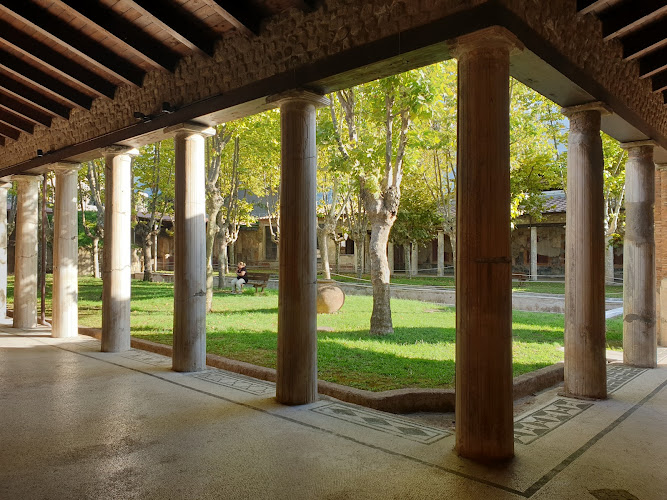
Scavi di Stabia – Villa San Marco
About Scavi di Stabia – Villa San Marco
Description
Scavi di Stabia – Villa San Marco stands out as a haunting, remarkably evocative Roman villa on the hillside above modern Castellammare di Stabia. While just a stone’s throw from more famous sites like Pompeii and Herculaneum, this archaeological treasure often flies under the radar for most travelers. For those who find themselves wanting an authentic connection with ancient Roman daily life—without the wall-to-wall crowds—this place is a revelation. Let’s be honest, walking among the sunlight-soaked porticoes of Villa San Marco, with Mount Vesuvius looming on the horizon, gives an almost eerie feeling of stepping right into the past. I’ll admit, the first time I wandered this vast, echoing villa, the silence and open spaces left me a bit awestruck.
This historic Roman villa, lavish and expansive, was originally part of Stabiae, a bustling seaside resort favored by the Roman elite. In AD 79, the infamous eruption of Mount Vesuvius buried the area in a thick blanket of ash and pumice, freezing it in time. Excavations have since revealed enormous colonnaded courtyards, intricate mosaic floors, color-drenched frescoes, baths, and nymphaea. And honestly, you can almost picture the clinking glasses and drifting laughter of elite guests as you peer up at those painted ceilings, many still brimming with color after nearly two millennia. This isn’t just a museum—it’s a place where you feel history breathing down your neck.
Villa San Marco is one of the largest surviving Roman villas in southern Italy (and I’ve seen my share, believe me). Unlike its cousins in Pompeii, much of this villa is remarkably well preserved, offering a vivid glimpse into the opulent lifestyle of its ancient residents. Some parts, sure, are a bit rough around the edges or in ruins, but for many travelers, that’s part of the appeal—the authenticity. The site tends to be uncrowded, fostering a rare sense of tranquility that’s hard to put into words. You’ll likely share the pathways with archaeologists at work or a handful of other wanderers, which definitely adds a thrill.
Of course, it’s not just about the villa: walk its vast peristyles, relax in what used to be magnificent heated baths, and let the cliff-top views over the Bay of Naples remind you why the Romans built their summer houses here. As someone who’s ducked into a good many ancient sites, I have to say San Marco genuinely rewards slow exploration and an open mind for hidden stories tucked in painted corners.
Key Features
- Original Frescoes & Mosaics: Well-preserved wall paintings and mosaic floors bring to life Roman mythology, landscapes, and banquets. The colors and artistry are captivating, especially in the grand triclinium and bathing rooms.
- Colossal Size: Villa San Marco sprawls over 11,000 square meters—so big you may need a good hour (minimum) just to do a basic circuit. You get to play real-life explorer within a maze of rooms, corridors, and gardens.
- Beautiful Peristyle Courtyards: Several columned courtyards let you imagine peaceful ancient afternoons under the shade, surrounded by echoes of laughter and ancient fountains. The largest peristyle, particularly, is a scene-stealer.
- Ancient Roman Baths: The thermal bath complex rivals even those in Pompeii—cold (frigidarium), warm, and hot (caldarium) rooms are all here. Step inside and picture the steam and the rituals of Roman leisure time.
- Nymphaeum and Panoramic Views: The villa’s cliff-edge location gives sweeping views of the Bay of Naples. Don’t skip the nymphaeum with original stucco and flowing water features.
- Atmospheric Tranquility: Unlike other crowd-magnets, Villa San Marco offers a serene, reflective visit. You might find yourself wandering for long stretches in silence, musing over the ghosts of Roman aristocrats.
- Accessible Entrance and Parking: Wheelchair-friendly access and parking make this site more welcoming than many ancient ruins in Italy.
- Family-Friendly & Educational: Great for kids and curious adults. The open spaces, visible daily-life relics, and evocative wall art spark plenty of questions and imagination—my niece loved counting the frescoed dolphins.
- Archaeological Significance: The villa, together with Villa Arianna nearby, offers insight into Roman domestic architecture and art at their peak—unfiltered by later reconstruction.
- Public Restroom: Onsite restroom facilities (not always a given at rural archaeological sites), a definite plus.
Best Time to Visit
Let’s get real—Campania summers can melt your sandals right off. Villa San Marco is an outdoor archaeological museum, so you’re exposed to sun, changing weather, the odd sea breeze, and sometimes the shriek of a passing local soccer game. My favorite time to visit? Late spring (May, early June) or early autumn (September to early October). The weather’s kinder, crowds are thin, and the wildflowers around the courtyards are in bloom. If you’re sensitive to heat, absolutely skip the midday July and August hours unless you love broiling in 30+°C (that’s 90s°F) sunshine with limited shade. You’ll do your best strolling in the fresh morning light or later afternoon, when shadows play across the old walls and the Bay of Naples looks its most dramatic.
The site opens most days, but always double-check local holidays—Italy sometimes loves a spontaneous closure or strike. Winter can be special if you want to channel your inner Indiana Jones minus the crowds, just dress in layers and prepare for the possibility of rain and some muddy walkways. There’s no restaurant or café at the site, so plan accordingly—an energy bar or a bottle of water in your bag is a must.
How to Get There
You have options—public transport, taxi, or your own rental car. If you’re already exploring the Vesuvian sites, tacking on a visit to Scavi di Stabia is surprisingly doable. Here’s a quick and dirty breakdown (plus, a sidebar about taxis down below, because that’s a common worry, I know).
By train: The Circumvesuviana railway is the backbone of Vesuvian tourism. Jump off at Castellammare di Stabia (not Pompei Scavi!), then brace for a moderately uphill walk (about 2 kilometers, or roughly 25 minutes) up through residential neighborhoods. Some visitors find the signage a tad sketchy, but the locals are usually willing to point you in the right direction. If walking isn’t your jam, taxis are available at the station—though not always in abundance, so you may need to wait or call ahead. Honestly, I once waited twenty minutes on a sleepy Thursday afternoon, so be patient or prearrange with a service if you want smooth transitions.
By car: If you’re driving, parking is right at the entrance—a big plus. Roads are narrow and occasionally busy with local traffic near school dismissal times, but nothing too wild compared to bigger cities. GPS will get you close; just follow signs for "Passeggiata Archeologica." Once you park, everything is clearly marked.
Taxi/tour services: Some travelers arrange round-trip taxi rides from the train station to both Villa San Marco and neighboring Villa Arianna, which is about a kilometer away and worth combining if you’re on an archaeological binge. For a little extra, most drivers will wait and provide return service—seriously convenient and potentially a lifesaver in the heat.
Connections from Sorrento, Naples, or Pompeii: Regional trains plus local taxis make for a day trip. If you’re staying on the Amalfi Coast or Sorrento, plenty of tours cover “the Big Three” (Pompeii, Herculaneum, Oplontis), but Stabiae-focused tours are much rarer and often more personal or private. If you prefer to avoid tourist groups, coordinate with your accommodation for transport—they often know reliable local drivers.
Tips for Visiting
- Pace Yourself: Don’t try to cram in Pompeii, Herculaneum, and Stabiae all in the same frantic day—Villa San Marco rewards a slower visit, letting you discover hidden details like the faded graffiti near the atrium or those tiny ornamental fountains.
- Combine with Villa Arianna: The Stabiae Archaeological Park includes both Villa San Marco and the nearby Villa Arianna. They have different characters—Arianna is famous for vivid frescoes, San Marco for its giant courtyards—so if you love variety, try both. A car makes the hop easiest, but some fit folks walk between sites.
- Accessibility: The villa’s paths, entrances, and parking lots are wheelchair accessible unlike many ancient Roman sites. The terrain is generally gentle, but the occasional uneven stone might trip up inattentive folks, so watch your footing.
- Bring Supplies: There’s no on-site café or restaurant. I always pack a snack, a big bottle of water, sunscreen, and a backup battery for my phone—between GPS navigation and the photo ops, you’ll use it up quickly.
- Restrooms: There is a public restroom at Villa San Marco. Having been caught unawares at too many archaeological sites, I can’t overstate how helpful this is.
- Photography Tips: The early morning or late afternoon sun really brings out the colors in the frescoes and the drama of the long shadows on columns. If you’re a budding photographer or a selfie enthusiast, avoid late mid-day—harsh light washes everything out.
- Lingering Benefits: Give yourself time for quiet. Sit in the peristyle, close your eyes, and try to conjure up the daily life in ancient Stabiae. Sometimes the imagination adds more magic than any guidebook.
- Child-Friendly Discovery: Kids love exploring the “maze” of rooms and courtyards. Challenge them to find the dolphins in the mosaics or count how many columns they can spot.
- Expand Your Adventure: If you’re a serious ancient history buff or just want variety, consider visiting nearby Pompeii, Herculaneum, or Oplontis for the full spectrum of Vesuvian archaeology—but honestly, the peacefulness of San Marco is a unique tonic after wrestling with the tourist mobs at the bigger sites.
- Guided or Not? Most days there are no official guides, but local enthusiasts occasionally offer informal tours for tips. Basic info boards in English and Italian help, but for a deeper dive, download some background reading or a digital guide before you go.
Above all—approach Scavi di Stabia Villa San Marco with curiosity. The stories aren’t all written on signboards; they’re waiting in the silent corners, under dust, and in cracked mosaics that have seen centuries come and go. There’s nothing quite like that sense of unexpected discovery, and that just might be the best souvenir you’ll take home from this underappreciated gem on the Bay of Naples.
Key Features
- Large Roman residential complex with multiple wings and peristyles
- Surviving frescoes and decorative paintings from elite Roman interiors
- Mosaic pavements and architectural remains showing villa layout
- Panoramic terraces with views over Castellammare and the Bay of Naples
- Quieter, less-crowded experience compared with Pompeii and Herculaneum
More Details
Updated September 16, 2025
Table of Contents
Description
Scavi di Stabia – Villa San Marco stands out as a haunting, remarkably evocative Roman villa on the hillside above modern Castellammare di Stabia. While just a stone’s throw from more famous sites like Pompeii and Herculaneum, this archaeological treasure often flies under the radar for most travelers. For those who find themselves wanting an authentic connection with ancient Roman daily life—without the wall-to-wall crowds—this place is a revelation. Let’s be honest, walking among the sunlight-soaked porticoes of Villa San Marco, with Mount Vesuvius looming on the horizon, gives an almost eerie feeling of stepping right into the past. I’ll admit, the first time I wandered this vast, echoing villa, the silence and open spaces left me a bit awestruck.
This historic Roman villa, lavish and expansive, was originally part of Stabiae, a bustling seaside resort favored by the Roman elite. In AD 79, the infamous eruption of Mount Vesuvius buried the area in a thick blanket of ash and pumice, freezing it in time. Excavations have since revealed enormous colonnaded courtyards, intricate mosaic floors, color-drenched frescoes, baths, and nymphaea. And honestly, you can almost picture the clinking glasses and drifting laughter of elite guests as you peer up at those painted ceilings, many still brimming with color after nearly two millennia. This isn’t just a museum—it’s a place where you feel history breathing down your neck.
Villa San Marco is one of the largest surviving Roman villas in southern Italy (and I’ve seen my share, believe me). Unlike its cousins in Pompeii, much of this villa is remarkably well preserved, offering a vivid glimpse into the opulent lifestyle of its ancient residents. Some parts, sure, are a bit rough around the edges or in ruins, but for many travelers, that’s part of the appeal—the authenticity. The site tends to be uncrowded, fostering a rare sense of tranquility that’s hard to put into words. You’ll likely share the pathways with archaeologists at work or a handful of other wanderers, which definitely adds a thrill.
Of course, it’s not just about the villa: walk its vast peristyles, relax in what used to be magnificent heated baths, and let the cliff-top views over the Bay of Naples remind you why the Romans built their summer houses here. As someone who’s ducked into a good many ancient sites, I have to say San Marco genuinely rewards slow exploration and an open mind for hidden stories tucked in painted corners.
Key Features
- Original Frescoes & Mosaics: Well-preserved wall paintings and mosaic floors bring to life Roman mythology, landscapes, and banquets. The colors and artistry are captivating, especially in the grand triclinium and bathing rooms.
- Colossal Size: Villa San Marco sprawls over 11,000 square meters—so big you may need a good hour (minimum) just to do a basic circuit. You get to play real-life explorer within a maze of rooms, corridors, and gardens.
- Beautiful Peristyle Courtyards: Several columned courtyards let you imagine peaceful ancient afternoons under the shade, surrounded by echoes of laughter and ancient fountains. The largest peristyle, particularly, is a scene-stealer.
- Ancient Roman Baths: The thermal bath complex rivals even those in Pompeii—cold (frigidarium), warm, and hot (caldarium) rooms are all here. Step inside and picture the steam and the rituals of Roman leisure time.
- Nymphaeum and Panoramic Views: The villa’s cliff-edge location gives sweeping views of the Bay of Naples. Don’t skip the nymphaeum with original stucco and flowing water features.
- Atmospheric Tranquility: Unlike other crowd-magnets, Villa San Marco offers a serene, reflective visit. You might find yourself wandering for long stretches in silence, musing over the ghosts of Roman aristocrats.
- Accessible Entrance and Parking: Wheelchair-friendly access and parking make this site more welcoming than many ancient ruins in Italy.
- Family-Friendly & Educational: Great for kids and curious adults. The open spaces, visible daily-life relics, and evocative wall art spark plenty of questions and imagination—my niece loved counting the frescoed dolphins.
- Archaeological Significance: The villa, together with Villa Arianna nearby, offers insight into Roman domestic architecture and art at their peak—unfiltered by later reconstruction.
- Public Restroom: Onsite restroom facilities (not always a given at rural archaeological sites), a definite plus.
Best Time to Visit
Let’s get real—Campania summers can melt your sandals right off. Villa San Marco is an outdoor archaeological museum, so you’re exposed to sun, changing weather, the odd sea breeze, and sometimes the shriek of a passing local soccer game. My favorite time to visit? Late spring (May, early June) or early autumn (September to early October). The weather’s kinder, crowds are thin, and the wildflowers around the courtyards are in bloom. If you’re sensitive to heat, absolutely skip the midday July and August hours unless you love broiling in 30+°C (that’s 90s°F) sunshine with limited shade. You’ll do your best strolling in the fresh morning light or later afternoon, when shadows play across the old walls and the Bay of Naples looks its most dramatic.
The site opens most days, but always double-check local holidays—Italy sometimes loves a spontaneous closure or strike. Winter can be special if you want to channel your inner Indiana Jones minus the crowds, just dress in layers and prepare for the possibility of rain and some muddy walkways. There’s no restaurant or café at the site, so plan accordingly—an energy bar or a bottle of water in your bag is a must.
How to Get There
You have options—public transport, taxi, or your own rental car. If you’re already exploring the Vesuvian sites, tacking on a visit to Scavi di Stabia is surprisingly doable. Here’s a quick and dirty breakdown (plus, a sidebar about taxis down below, because that’s a common worry, I know).
By train: The Circumvesuviana railway is the backbone of Vesuvian tourism. Jump off at Castellammare di Stabia (not Pompei Scavi!), then brace for a moderately uphill walk (about 2 kilometers, or roughly 25 minutes) up through residential neighborhoods. Some visitors find the signage a tad sketchy, but the locals are usually willing to point you in the right direction. If walking isn’t your jam, taxis are available at the station—though not always in abundance, so you may need to wait or call ahead. Honestly, I once waited twenty minutes on a sleepy Thursday afternoon, so be patient or prearrange with a service if you want smooth transitions.
By car: If you’re driving, parking is right at the entrance—a big plus. Roads are narrow and occasionally busy with local traffic near school dismissal times, but nothing too wild compared to bigger cities. GPS will get you close; just follow signs for “Passeggiata Archeologica.” Once you park, everything is clearly marked.
Taxi/tour services: Some travelers arrange round-trip taxi rides from the train station to both Villa San Marco and neighboring Villa Arianna, which is about a kilometer away and worth combining if you’re on an archaeological binge. For a little extra, most drivers will wait and provide return service—seriously convenient and potentially a lifesaver in the heat.
Connections from Sorrento, Naples, or Pompeii: Regional trains plus local taxis make for a day trip. If you’re staying on the Amalfi Coast or Sorrento, plenty of tours cover “the Big Three” (Pompeii, Herculaneum, Oplontis), but Stabiae-focused tours are much rarer and often more personal or private. If you prefer to avoid tourist groups, coordinate with your accommodation for transport—they often know reliable local drivers.
Tips for Visiting
- Pace Yourself: Don’t try to cram in Pompeii, Herculaneum, and Stabiae all in the same frantic day—Villa San Marco rewards a slower visit, letting you discover hidden details like the faded graffiti near the atrium or those tiny ornamental fountains.
- Combine with Villa Arianna: The Stabiae Archaeological Park includes both Villa San Marco and the nearby Villa Arianna. They have different characters—Arianna is famous for vivid frescoes, San Marco for its giant courtyards—so if you love variety, try both. A car makes the hop easiest, but some fit folks walk between sites.
- Accessibility: The villa’s paths, entrances, and parking lots are wheelchair accessible unlike many ancient Roman sites. The terrain is generally gentle, but the occasional uneven stone might trip up inattentive folks, so watch your footing.
- Bring Supplies: There’s no on-site café or restaurant. I always pack a snack, a big bottle of water, sunscreen, and a backup battery for my phone—between GPS navigation and the photo ops, you’ll use it up quickly.
- Restrooms: There is a public restroom at Villa San Marco. Having been caught unawares at too many archaeological sites, I can’t overstate how helpful this is.
- Photography Tips: The early morning or late afternoon sun really brings out the colors in the frescoes and the drama of the long shadows on columns. If you’re a budding photographer or a selfie enthusiast, avoid late mid-day—harsh light washes everything out.
- Lingering Benefits: Give yourself time for quiet. Sit in the peristyle, close your eyes, and try to conjure up the daily life in ancient Stabiae. Sometimes the imagination adds more magic than any guidebook.
- Child-Friendly Discovery: Kids love exploring the “maze” of rooms and courtyards. Challenge them to find the dolphins in the mosaics or count how many columns they can spot.
- Expand Your Adventure: If you’re a serious ancient history buff or just want variety, consider visiting nearby Pompeii, Herculaneum, or Oplontis for the full spectrum of Vesuvian archaeology—but honestly, the peacefulness of San Marco is a unique tonic after wrestling with the tourist mobs at the bigger sites.
- Guided or Not? Most days there are no official guides, but local enthusiasts occasionally offer informal tours for tips. Basic info boards in English and Italian help, but for a deeper dive, download some background reading or a digital guide before you go.
Above all—approach Scavi di Stabia Villa San Marco with curiosity. The stories aren’t all written on signboards; they’re waiting in the silent corners, under dust, and in cracked mosaics that have seen centuries come and go. There’s nothing quite like that sense of unexpected discovery, and that just might be the best souvenir you’ll take home from this underappreciated gem on the Bay of Naples.
Key Highlights
- Large Roman residential complex with multiple wings and peristyles
- Surviving frescoes and decorative paintings from elite Roman interiors
- Mosaic pavements and architectural remains showing villa layout
- Panoramic terraces with views over Castellammare and the Bay of Naples
- Quieter, less-crowded experience compared with Pompeii and Herculaneum
Location
Places to Stay Near Scavi di Stabia - Villa San Marco
Find and Book a Tour
Explore More Travel Guides
No reviews found! Be the first to review!
Traveler Reviews for Scavi di Stabia – Villa San Marco
There are no reviews yet. Be the first one to write one.
Have you visited Scavi di Stabia – Villa San Marco? Help other travelers by sharing your review.
Nearby Attractions
You Might Also Like
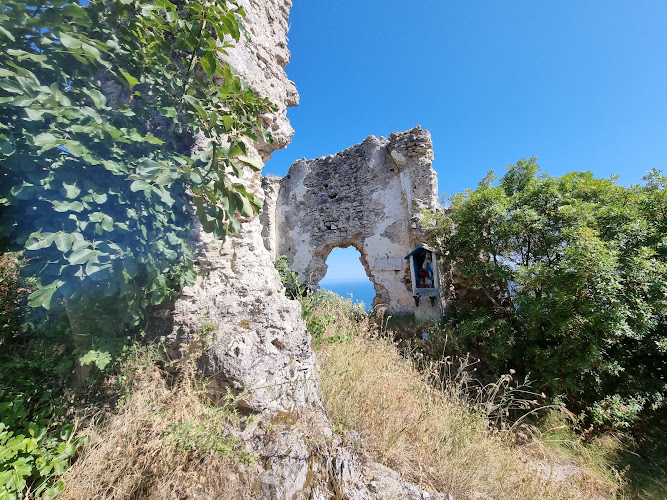
Parco Regionale dei Monti Lattari

Spiaggia Libera Pozzano

Villa Arianna
Find Accommodations Nearby
Recommended Tours & Activities
Visitor Reviews
There are no reviews yet. Be the first one to write one.
Share Your Experience
Have you visited Scavi di Stabia – Villa San Marco? Help other travelers by leaving a review.