
São Bernardo do Campo
About São Bernardo do Campo
Description
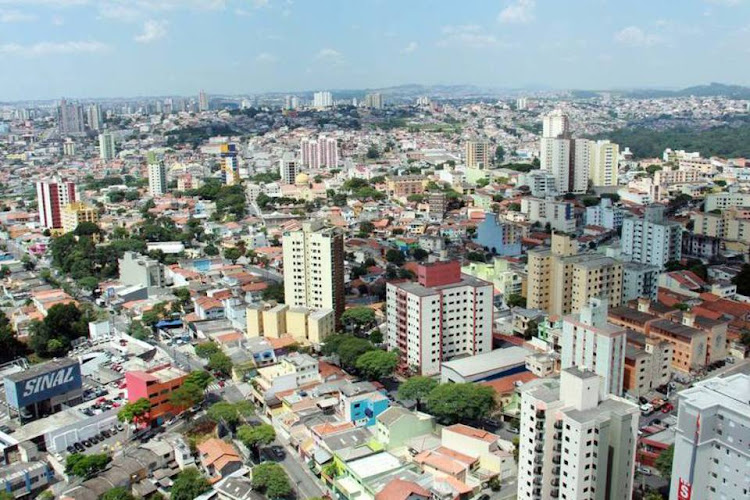
São Bernardo do Campo, tucked into the greater São Paulo metropolitan region, is one of those places that doesn’t always make it onto a traveler’s first Brazil itinerary but probably should. It’s a city with deep industrial roots, historically tied to the automobile industry, yet it has also carved out a reputation for its cultural, culinary, and natural offerings. With a population of over 840,000 spread across more than 400 square kilometers, it feels big enough to be bustling but not so overwhelming that you lose your bearings.
Walking around, you can sense the city’s dual personality. On one hand, there’s the hum of factories and commerce, the sort of energy that keeps São Paulo’s massive economy ticking. On the other, there are pockets of green, lakes, and parks where locals escape on weekends. I remember the first time I visited—it was a Sunday, and families were out with picnic baskets, kids kicking footballs around, and street vendors grilling skewers that smelled way too good to pass up. That mix of urban grit and laid-back leisure is what makes São Bernardo do Campo stand out.
It’s not a polished tourist hotspot, and maybe that’s the charm. You don’t come here expecting postcard-perfect beaches or flashy attractions; you come to experience a slice of authentic Brazilian city life, with all its quirks, flavors, and surprises. And honestly, that’s often more rewarding than the obvious destinations.
Key Features
- Located within the São Paulo metropolitan region, offering easy access to the capital while maintaining its own identity.
- Known as a hub of Brazil’s automobile industry, giving it a unique industrial heritage.
- Home to natural escapes such as Represa Billings (a large reservoir) and green parks where locals relax and recharge.
- A strong cultural scene, with theaters, music venues, and local festivals that reflect the community’s creative side.
- Food culture that blends traditional Brazilian fare with influences from Italian and Japanese immigrants who settled in the region.
- Sports and leisure are big here—football of course, but also cycling and water sports around the reservoir.
Best Time to Visit
The climate in São Bernardo do Campo is generally mild, though it can get rainy during the summer months (December to March). If you’re someone who hates carrying an umbrella everywhere, you might prefer visiting between April and October, when the weather is cooler and drier. I personally went in May, and it was perfect—sunny days without the sticky humidity. Plus, locals say the air feels fresher around this time, especially near the reservoir and parks.
Another thing worth considering is timing your visit with local events. The city hosts cultural festivals throughout the year, and catching one of those adds a whole new layer to the experience. Imagine stumbling upon a street parade or a food fair you didn’t plan for—it’s those little serendipitous moments that stick in your memory the most.
How to Get There
Reaching São Bernardo do Campo is straightforward if you’re already in São Paulo. The city is about 20 kilometers from the capital, so you can hop in a car or take a bus. Driving usually takes less than an hour, though rush-hour traffic can stretch that into a test of patience. If you’re not keen on driving, buses run frequently between São Paulo and São Bernardo, and they’re comfortable enough for the short ride.
For international travelers, the nearest major airport is São Paulo/Guarulhos International Airport. From there, you can either rent a car or use public transport connections through São Paulo to get to São Bernardo. I once took a taxi straight from the airport after a long flight, and while it wasn’t the cheapest option, it was definitely the most hassle-free after 12 hours in the air.
Tips for Visiting
First and foremost, come with an open mind. São Bernardo do Campo isn’t a polished tourist destination, and that’s part of its appeal. Don’t expect everything to be picture-perfect, and you’ll enjoy it more. Here are a few practical tips I’ve picked up along the way:
- Learn a few Portuguese phrases. English isn’t widely spoken outside the main tourist areas of São Paulo, so even just knowing how to say hello, thank you, or ask for directions goes a long way. Locals really appreciate the effort.
- Try the local food. Skip the international chains and look for small family-run restaurants. I had one of the best feijoadas of my life here in a no-frills spot that didn’t even have a sign outside.
- Plan for traffic. São Paulo’s metropolitan region is notorious for congestion. If you’re heading out for a day trip or catching a flight, give yourself extra time—it’s better to be early than stressed out in a taxi stuck on the highway.
- Explore the outdoors. Don’t miss Represa Billings if you like being near the water. It’s a popular spot for boating, fishing, or just relaxing by the shore.
- Stay safe but relaxed. Like in any big city, keep an eye on your belongings, especially in crowded areas. That said, most parts of São Bernardo feel welcoming and friendly, especially if you stick to well-known neighborhoods and parks.
And one last thing—don’t just treat São Bernardo do Campo as a quick stopover on your way to São Paulo. Give it at least a couple of days. Wander around, talk to people, maybe even get a little lost. Sometimes the best travel stories come from the places you didn’t expect much from at first.
Key Features
- Located within the São Paulo metropolitan region, offering easy access to the capital while maintaining its own identity.
- Known as a hub of Brazil’s automobile industry, giving it a unique industrial heritage.
- Home to natural escapes such as Represa Billings (a large reservoir) and green parks where locals relax and recharge.
- A strong cultural scene, with theaters, music venues, and local festivals that reflect the community’s creative side.
- Food culture that blends traditional Brazilian fare with influences from Italian and Japanese immigrants who settled in the region.
- Sports and leisure are big here—football of course, but also cycling and water sports around the reservoir.
More Details
Updated September 23, 2025
Table of Contents
Description
São Bernardo do Campo, tucked into the greater São Paulo metropolitan region, is one of those places that doesn’t always make it onto a traveler’s first Brazil itinerary but probably should. It’s a city with deep industrial roots, historically tied to the automobile industry, yet it has also carved out a reputation for its cultural, culinary, and natural offerings. With a population of over 840,000 spread across more than 400 square kilometers, it feels big enough to be bustling but not so overwhelming that you lose your bearings.
Walking around, you can sense the city’s dual personality. On one hand, there’s the hum of factories and commerce, the sort of energy that keeps São Paulo’s massive economy ticking. On the other, there are pockets of green, lakes, and parks where locals escape on weekends. I remember the first time I visited—it was a Sunday, and families were out with picnic baskets, kids kicking footballs around, and street vendors grilling skewers that smelled way too good to pass up. That mix of urban grit and laid-back leisure is what makes São Bernardo do Campo stand out.
It’s not a polished tourist hotspot, and maybe that’s the charm. You don’t come here expecting postcard-perfect beaches or flashy attractions; you come to experience a slice of authentic Brazilian city life, with all its quirks, flavors, and surprises. And honestly, that’s often more rewarding than the obvious destinations.
Key Features
- Located within the São Paulo metropolitan region, offering easy access to the capital while maintaining its own identity.
- Known as a hub of Brazil’s automobile industry, giving it a unique industrial heritage.
- Home to natural escapes such as Represa Billings (a large reservoir) and green parks where locals relax and recharge.
- A strong cultural scene, with theaters, music venues, and local festivals that reflect the community’s creative side.
- Food culture that blends traditional Brazilian fare with influences from Italian and Japanese immigrants who settled in the region.
- Sports and leisure are big here—football of course, but also cycling and water sports around the reservoir.
Best Time to Visit
The climate in São Bernardo do Campo is generally mild, though it can get rainy during the summer months (December to March). If you’re someone who hates carrying an umbrella everywhere, you might prefer visiting between April and October, when the weather is cooler and drier. I personally went in May, and it was perfect—sunny days without the sticky humidity. Plus, locals say the air feels fresher around this time, especially near the reservoir and parks.
Another thing worth considering is timing your visit with local events. The city hosts cultural festivals throughout the year, and catching one of those adds a whole new layer to the experience. Imagine stumbling upon a street parade or a food fair you didn’t plan for—it’s those little serendipitous moments that stick in your memory the most.
How to Get There
Reaching São Bernardo do Campo is straightforward if you’re already in São Paulo. The city is about 20 kilometers from the capital, so you can hop in a car or take a bus. Driving usually takes less than an hour, though rush-hour traffic can stretch that into a test of patience. If you’re not keen on driving, buses run frequently between São Paulo and São Bernardo, and they’re comfortable enough for the short ride.
For international travelers, the nearest major airport is São Paulo/Guarulhos International Airport. From there, you can either rent a car or use public transport connections through São Paulo to get to São Bernardo. I once took a taxi straight from the airport after a long flight, and while it wasn’t the cheapest option, it was definitely the most hassle-free after 12 hours in the air.
Tips for Visiting
First and foremost, come with an open mind. São Bernardo do Campo isn’t a polished tourist destination, and that’s part of its appeal. Don’t expect everything to be picture-perfect, and you’ll enjoy it more. Here are a few practical tips I’ve picked up along the way:
- Learn a few Portuguese phrases. English isn’t widely spoken outside the main tourist areas of São Paulo, so even just knowing how to say hello, thank you, or ask for directions goes a long way. Locals really appreciate the effort.
- Try the local food. Skip the international chains and look for small family-run restaurants. I had one of the best feijoadas of my life here in a no-frills spot that didn’t even have a sign outside.
- Plan for traffic. São Paulo’s metropolitan region is notorious for congestion. If you’re heading out for a day trip or catching a flight, give yourself extra time—it’s better to be early than stressed out in a taxi stuck on the highway.
- Explore the outdoors. Don’t miss Represa Billings if you like being near the water. It’s a popular spot for boating, fishing, or just relaxing by the shore.
- Stay safe but relaxed. Like in any big city, keep an eye on your belongings, especially in crowded areas. That said, most parts of São Bernardo feel welcoming and friendly, especially if you stick to well-known neighborhoods and parks.
And one last thing—don’t just treat São Bernardo do Campo as a quick stopover on your way to São Paulo. Give it at least a couple of days. Wander around, talk to people, maybe even get a little lost. Sometimes the best travel stories come from the places you didn’t expect much from at first.
Key Highlights
- Located within the São Paulo metropolitan region, offering easy access to the capital while maintaining its own identity.
- Known as a hub of Brazil’s automobile industry, giving it a unique industrial heritage.
- Home to natural escapes such as Represa Billings (a large reservoir) and green parks where locals relax and recharge.
- A strong cultural scene, with theaters, music venues, and local festivals that reflect the community’s creative side.
- Food culture that blends traditional Brazilian fare with influences from Italian and Japanese immigrants who settled in the region.
- Sports and leisure are big here—football of course, but also cycling and water sports around the reservoir.
Location
Places to Stay Near São Bernardo do Campo
Find and Book a Tour
Explore More Travel Guides
No reviews found! Be the first to review!
Traveler Reviews for São Bernardo do Campo
There are no reviews yet. Be the first one to write one.
Have you visited São Bernardo do Campo? Help other travelers by sharing your review.
You Might Also Like
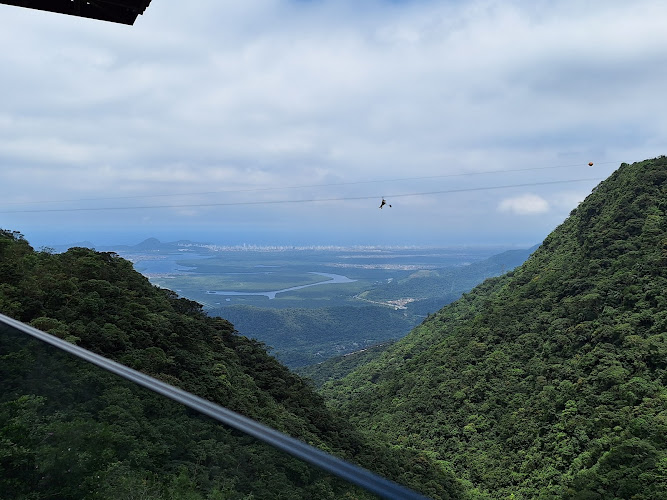
Landing Paranapiacaba
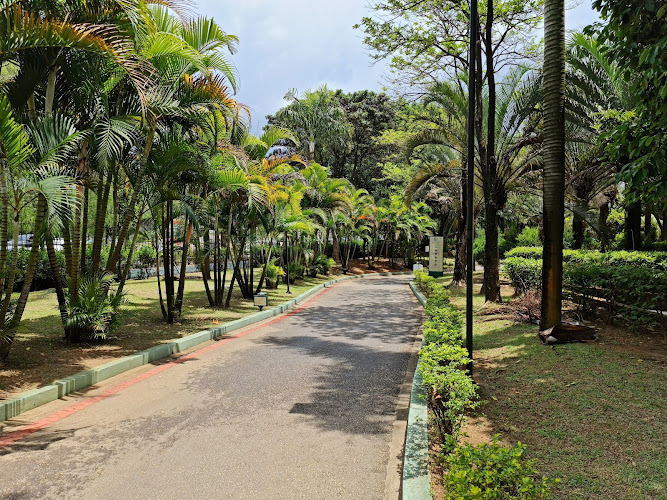
Municipal park Eng Salvador Arena

Mural de Azulejos da Rodovia dos Imigrantes
Find Accommodations Nearby
Recommended Tours & Activities
Visitor Reviews
There are no reviews yet. Be the first one to write one.
Share Your Experience
Have you visited São Bernardo do Campo? Help other travelers by leaving a review.