Santuari de la Mare de Déu del Carme
About Santuari de la Mare de Déu del Carme
Description
The Santuari de la Mare de Déu del Carme is a quietly compelling Catholic church in Barcelona, Spain, where Carmelite devotion meets the steady hum of city life. Travelers who only know the city for Gaudí will be pleasantly surprised: this sanctuary offers a different register—softer, contemplative, and tuned to prayerful rhythms rather than spectacle. It sits in the Eixample district along the Diagonal axis, easy to reach yet easy to miss if someone rushes from one headline sight to the next. Those who step inside usually linger longer than planned. The interplay of light, crafted stone, and devotional art creates a space that invites unhurried attention and, for many, a sense of calm that lingers after the visit.
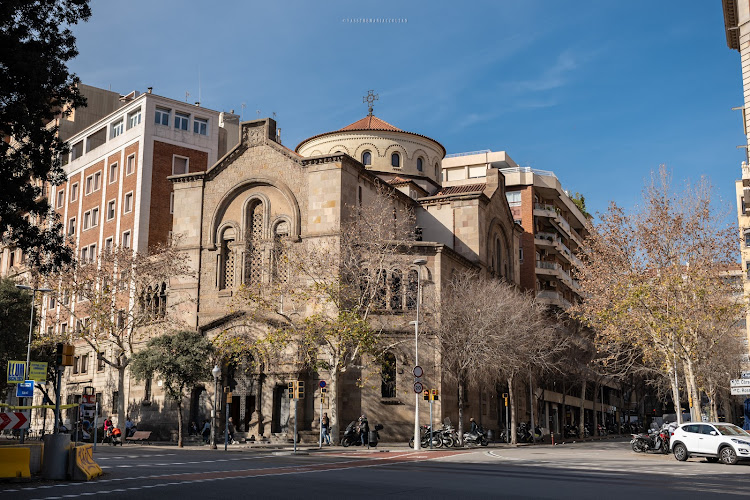
Dedicated to Our Lady of Mount Carmel (Mare de Déu del Carme), the church carries the signature hallmarks of Carmelite spirituality: simplicity with intention, beauty anchored in meaning, and spaces designed for both community worship and personal contemplation. Architecture enthusiasts often note Byzantine-influenced touches alongside more local Catalan accents; the dome lines, arches, and ornamental details feel different from the Gothic verticality of Santa Maria del Mar or the organic curves of Sagrada Família. That contrast is part of the charm. Inside, visitors may find warm-toned stone, devotional imagery and side chapels that add layers of narrative without overwhelming the eye. The nave offers a clear sightline to the main altar, where Marian symbolism and the Carmelite scapular tradition typically hold pride of place.
Because this is a living parish and sanctuary, what happens here is not just architectural appreciation. The Santuari de la Mare de Déu del Carme hosts regular Mass, quiet prayer times, and occasional concerts that take advantage of the church’s resonant acoustics. Locals come for feast days—July 16, the Feast of Our Lady of Mount Carmel, is especially significant—but also to light a candle after work, make a short, silent visit at midday, or sit and reset in the cool of the nave. Travelers who slip in between big-ticket attractions often remark on the difference in pace; the sanctuary has the rare ability to make a bustling avenue feel distant for a few precious minutes.
Most visitors respond strongly to the atmosphere and craftsmanship. A few, especially those hoping for soaring tourist infrastructure, prefer Barcelona’s blockbuster basilicas. That’s fair. The sanctuary’s appeal is quieter and more devotional than flashy. Yet for those who want to understand the texture of faith in Barcelona—not just its postcard moments—the Santuari de la Mare de Déu del Carme offers one of the city’s truest voices. It also rewards the photo-minded guest: natural light from late afternoon casts a honeyed sheen on the stone, making an already graceful interior look cinematic without filters. Bring a steady hand and, as always, follow the posted photo guidelines.
Curious travelers often ask big, open-ended questions: What’s the most beautiful church in Barcelona? Is Sagrada Família the famous cathedral everyone talks about? Is there a sacred site beyond the marquee names? Beauty is subjective, but this sanctuary belongs in the conversation precisely because it suggests a broader answer. The holy sites of Barcelona include world-famous landmarks and smaller, working churches like this one, where daily life and devotion intersect. Fewer crowds, deeper quiet—that’s its gift.
Key Features
- Carmelite identity: Dedicated to Our Lady of Mount Carmel, with devotional art and a focus on the scapular tradition.
- Architecture with character: A blend that includes Byzantine-influenced forms and Catalan sensitivity, distinct from Gaudí’s style yet equally purposeful.
- Peaceful nave: Clear sightlines, warm-toned stone, and side chapels that encourage reflection without visual clutter.
- Acoustics suited to sacred music: Occasional concerts and choral events highlight the sanctuary’s resonant sound.
- Wheelchair accessible entrance: Step-free access at the main entry, with staff usually ready to assist.
- Active parish life: Regular services and feast-day celebrations, including the Feast of Our Lady of Mount Carmel on July 16.
- Photogenic light: Late-day sun enhances the interior, making it a rewarding subject for a respectful photo session.
- Central Eixample location: Easy to combine with major attractions while offering a break from the crowds.
- Quiet pockets for prayer: Areas to sit, reflect, and light candles—an antidote to the fast pace outside.
- Cultural collaborations: At times used for festival programming and sacred music performances.
Best Time to Visit
Weekday mornings are the sweet spot for those who crave hushed spaces and uninterrupted contemplation. Arrive not long after opening and the sanctuary tends to feel like a personal chapel, with occasional parishioners stopping in for short devotions. If a photo is the goal, late afternoon to early evening offers the most flattering natural light, casting soft shadows and revealing stone textures. Golden hour can be particularly beautiful; the nave becomes almost luminous.
Visitors with a devotional focus should mark July 16, the Feast of Our Lady of Mount Carmel. Expect a more animated atmosphere: liturgy with wider attendance, candlelight, and the kind of communal warmth that defines a living parish. Holy Week and Christmas season also bring special services and music, though exact details vary year to year and are best checked on-site.
As for seasons, Barcelona’s Mediterranean weather keeps the sanctuary comfortable to visit year-round. Spring and autumn often bring mild temperatures and fewer crowds across the city. In summer, step inside during the hot midday stretch for a respite from the heat; the church interior is cooler than the street and offers a restorative break. Winter visits have their own charm—clear air, quieter sidewalks, and soft, slanting light that suits photography and reflection.
How to Get There
The Santuari de la Mare de Déu del Carme sits in the Eixample district along the Diagonal corridor, one of Barcelona’s main arteries. This makes it straightforward to reach by public transport:
- Metro: The nearest stations along the L4 or L5 lines (such as Verdaguer) place visitors within a short walk. The L3/L5 interchange at Diagonal is another good option for those already moving along Passeig de Gràcia.
- Bus: Multiple city buses run the length of Diagonal. Hop off near the Eixample stretch and walk a few minutes—look for the sanctuary’s dome lines and façade set back from the street.
- On foot: From Casa Milà (La Pedrera) or Passeig de Gràcia, it’s a pleasant urban walk through Eixample’s grid. From the Sagrada Família area, it’s also within reach on foot, roughly 15–20 minutes depending on pace.
- Bicycle: Dedicated lanes along Diagonal make cycling viable; there are bike racks nearby. As always, lock up securely and avoid blocking the entrance.
- Taxi or rideshare: Drivers will know the Diagonal corridor; ask to be dropped off near the Eixample section of Diagonal close to the sanctuary’s block.
For those crafting day-by-day itineraries in Barcelona, the sanctuary pairs easily with modernist landmarks, local cafes along the Eixample cross streets, and a late-afternoon stroll toward Passeig de Gràcia. Think of it as a contemplative anchor point between art, architecture, and everyday city life.
Tips for Visiting
Practicalities make a good visit a great one. A few tried-and-true suggestions:
- Respect the liturgy: If arriving during Mass or a service, stay discreet, refrain from photography, and choose a rear pew. If the primary aim is sightseeing or photography, pick a time between services.
- Dress and demeanor: Modest clothing is appreciated. Keep voices low; phones on silent. It’s a church first, a place to visit second.
- Photography etiquette: Non-flash photography is generally acceptable outside liturgical moments, but always look for posted signs or ask a staff member. A fast lens helps in the low light.
- Wheelchair access: The main entrance is wheelchair accessible. Inside, aisles are relatively wide; if assistance is needed, staff or volunteers are usually kind and attentive.
- Plan your timing: Weekday mornings for solitude, late afternoon for light, feast days for energy and community. Give yourself at least 20–40 minutes—longer if staying for prayer or a concert.
- Donations and candles: Entry is typically free; a small donation helps with maintenance. Bring a few coins if you’d like to light a candle.
- Combine smartly: Link the visit with nearby Eixample highlights, a coffee on a side street, or a walking loop that includes modernist façades along Diagonal. It’s a balanced way to experience Barcelona’s sacred and secular sides.
- Security basics: As with any popular city, watch personal items—especially on the street outside. Inside the sanctuary, the atmosphere is calm and respectful.
- Weather check: Barcelona’s weather is kind, but summer sun can be intense. Hydrate, step inside to cool down, and use the sanctuary as a mid-route rest stop.
- Special events: The sanctuary sometimes hosts sacred music and festival programming. If that coincides with a visit, consider attending—acoustics add depth to choral and instrumental works.
Travelers comparing Barcelona’s churches often wonder, which is the most beautiful? Sagrada Família is the famous one—the name most people know. But there’s another layer to the city’s sacred map. The Santuari de la Mare de Déu del Carme stands out not because it shouts, but because it listens. It allows visitors to breathe, to notice small details—how light traces an arch, how a mosaic catches the eye at an angle, how a simple statue of the Virgin cues memory and meaning. Those are the moments that stay, long after the last photo is taken.
And a small note for the curious: if someone keeps a list of off-the-radar places that still feel essential, this sanctuary belongs on it. The balance of easy access, devotional depth, and distinctive architecture makes it a welcome counterpoint to Barcelona’s bigger stages. For first-time travelers planning a trip to Barcelona and for repeat visitors refining their personal shortlists, the Santuari de la Mare de Déu del Carme offers a thoughtful, grounded experience—one that turns a quick stop into a deliberate pause, and a city day into something a touch more memorable.
Key Features
- Carmelite devotional tradition and active parish life
- Intimate neo-Gothic/eclectic architecture and stained glass
- Altarpieces and sculptural images of Our Lady of Mount Carmel
- Central location on Avinguda Diagonal in L'Eixample
- Calm, reflective interior contrasting with busy city streets
More Details
Updated November 2, 2025
Table of Contents
- Description
- Key Features
- Best Time to Visit
- How to Get There
- Tips for Visiting
- Key Highlights
- Location
- Places to Stay Near Santuari de la Mare de Déu del Carme
- Find and Book a Tour
- Explore More Travel Guides
- Nearby Places You Might Like
- Traveler Reviews for Santuari de la Mare de Déu del Carme
- Share Your Experience
Description
The Santuari de la Mare de Déu del Carme is a quietly compelling Catholic church in Barcelona, Spain, where Carmelite devotion meets the steady hum of city life. Travelers who only know the city for Gaudí will be pleasantly surprised: this sanctuary offers a different register—softer, contemplative, and tuned to prayerful rhythms rather than spectacle. It sits in the Eixample district along the Diagonal axis, easy to reach yet easy to miss if someone rushes from one headline sight to the next. Those who step inside usually linger longer than planned. The interplay of light, crafted stone, and devotional art creates a space that invites unhurried attention and, for many, a sense of calm that lingers after the visit.
Dedicated to Our Lady of Mount Carmel (Mare de Déu del Carme), the church carries the signature hallmarks of Carmelite spirituality: simplicity with intention, beauty anchored in meaning, and spaces designed for both community worship and personal contemplation. Architecture enthusiasts often note Byzantine-influenced touches alongside more local Catalan accents; the dome lines, arches, and ornamental details feel different from the Gothic verticality of Santa Maria del Mar or the organic curves of Sagrada Família. That contrast is part of the charm. Inside, visitors may find warm-toned stone, devotional imagery and side chapels that add layers of narrative without overwhelming the eye. The nave offers a clear sightline to the main altar, where Marian symbolism and the Carmelite scapular tradition typically hold pride of place.
Because this is a living parish and sanctuary, what happens here is not just architectural appreciation. The Santuari de la Mare de Déu del Carme hosts regular Mass, quiet prayer times, and occasional concerts that take advantage of the church’s resonant acoustics. Locals come for feast days—July 16, the Feast of Our Lady of Mount Carmel, is especially significant—but also to light a candle after work, make a short, silent visit at midday, or sit and reset in the cool of the nave. Travelers who slip in between big-ticket attractions often remark on the difference in pace; the sanctuary has the rare ability to make a bustling avenue feel distant for a few precious minutes.
Most visitors respond strongly to the atmosphere and craftsmanship. A few, especially those hoping for soaring tourist infrastructure, prefer Barcelona’s blockbuster basilicas. That’s fair. The sanctuary’s appeal is quieter and more devotional than flashy. Yet for those who want to understand the texture of faith in Barcelona—not just its postcard moments—the Santuari de la Mare de Déu del Carme offers one of the city’s truest voices. It also rewards the photo-minded guest: natural light from late afternoon casts a honeyed sheen on the stone, making an already graceful interior look cinematic without filters. Bring a steady hand and, as always, follow the posted photo guidelines.
Curious travelers often ask big, open-ended questions: What’s the most beautiful church in Barcelona? Is Sagrada Família the famous cathedral everyone talks about? Is there a sacred site beyond the marquee names? Beauty is subjective, but this sanctuary belongs in the conversation precisely because it suggests a broader answer. The holy sites of Barcelona include world-famous landmarks and smaller, working churches like this one, where daily life and devotion intersect. Fewer crowds, deeper quiet—that’s its gift.
Key Features
- Carmelite identity: Dedicated to Our Lady of Mount Carmel, with devotional art and a focus on the scapular tradition.
- Architecture with character: A blend that includes Byzantine-influenced forms and Catalan sensitivity, distinct from Gaudí’s style yet equally purposeful.
- Peaceful nave: Clear sightlines, warm-toned stone, and side chapels that encourage reflection without visual clutter.
- Acoustics suited to sacred music: Occasional concerts and choral events highlight the sanctuary’s resonant sound.
- Wheelchair accessible entrance: Step-free access at the main entry, with staff usually ready to assist.
- Active parish life: Regular services and feast-day celebrations, including the Feast of Our Lady of Mount Carmel on July 16.
- Photogenic light: Late-day sun enhances the interior, making it a rewarding subject for a respectful photo session.
- Central Eixample location: Easy to combine with major attractions while offering a break from the crowds.
- Quiet pockets for prayer: Areas to sit, reflect, and light candles—an antidote to the fast pace outside.
- Cultural collaborations: At times used for festival programming and sacred music performances.
Best Time to Visit
Weekday mornings are the sweet spot for those who crave hushed spaces and uninterrupted contemplation. Arrive not long after opening and the sanctuary tends to feel like a personal chapel, with occasional parishioners stopping in for short devotions. If a photo is the goal, late afternoon to early evening offers the most flattering natural light, casting soft shadows and revealing stone textures. Golden hour can be particularly beautiful; the nave becomes almost luminous.
Visitors with a devotional focus should mark July 16, the Feast of Our Lady of Mount Carmel. Expect a more animated atmosphere: liturgy with wider attendance, candlelight, and the kind of communal warmth that defines a living parish. Holy Week and Christmas season also bring special services and music, though exact details vary year to year and are best checked on-site.
As for seasons, Barcelona’s Mediterranean weather keeps the sanctuary comfortable to visit year-round. Spring and autumn often bring mild temperatures and fewer crowds across the city. In summer, step inside during the hot midday stretch for a respite from the heat; the church interior is cooler than the street and offers a restorative break. Winter visits have their own charm—clear air, quieter sidewalks, and soft, slanting light that suits photography and reflection.
How to Get There
The Santuari de la Mare de Déu del Carme sits in the Eixample district along the Diagonal corridor, one of Barcelona’s main arteries. This makes it straightforward to reach by public transport:
- Metro: The nearest stations along the L4 or L5 lines (such as Verdaguer) place visitors within a short walk. The L3/L5 interchange at Diagonal is another good option for those already moving along Passeig de Gràcia.
- Bus: Multiple city buses run the length of Diagonal. Hop off near the Eixample stretch and walk a few minutes—look for the sanctuary’s dome lines and façade set back from the street.
- On foot: From Casa Milà (La Pedrera) or Passeig de Gràcia, it’s a pleasant urban walk through Eixample’s grid. From the Sagrada Família area, it’s also within reach on foot, roughly 15–20 minutes depending on pace.
- Bicycle: Dedicated lanes along Diagonal make cycling viable; there are bike racks nearby. As always, lock up securely and avoid blocking the entrance.
- Taxi or rideshare: Drivers will know the Diagonal corridor; ask to be dropped off near the Eixample section of Diagonal close to the sanctuary’s block.
For those crafting day-by-day itineraries in Barcelona, the sanctuary pairs easily with modernist landmarks, local cafes along the Eixample cross streets, and a late-afternoon stroll toward Passeig de Gràcia. Think of it as a contemplative anchor point between art, architecture, and everyday city life.
Tips for Visiting
Practicalities make a good visit a great one. A few tried-and-true suggestions:
- Respect the liturgy: If arriving during Mass or a service, stay discreet, refrain from photography, and choose a rear pew. If the primary aim is sightseeing or photography, pick a time between services.
- Dress and demeanor: Modest clothing is appreciated. Keep voices low; phones on silent. It’s a church first, a place to visit second.
- Photography etiquette: Non-flash photography is generally acceptable outside liturgical moments, but always look for posted signs or ask a staff member. A fast lens helps in the low light.
- Wheelchair access: The main entrance is wheelchair accessible. Inside, aisles are relatively wide; if assistance is needed, staff or volunteers are usually kind and attentive.
- Plan your timing: Weekday mornings for solitude, late afternoon for light, feast days for energy and community. Give yourself at least 20–40 minutes—longer if staying for prayer or a concert.
- Donations and candles: Entry is typically free; a small donation helps with maintenance. Bring a few coins if you’d like to light a candle.
- Combine smartly: Link the visit with nearby Eixample highlights, a coffee on a side street, or a walking loop that includes modernist façades along Diagonal. It’s a balanced way to experience Barcelona’s sacred and secular sides.
- Security basics: As with any popular city, watch personal items—especially on the street outside. Inside the sanctuary, the atmosphere is calm and respectful.
- Weather check: Barcelona’s weather is kind, but summer sun can be intense. Hydrate, step inside to cool down, and use the sanctuary as a mid-route rest stop.
- Special events: The sanctuary sometimes hosts sacred music and festival programming. If that coincides with a visit, consider attending—acoustics add depth to choral and instrumental works.
Travelers comparing Barcelona’s churches often wonder, which is the most beautiful? Sagrada Família is the famous one—the name most people know. But there’s another layer to the city’s sacred map. The Santuari de la Mare de Déu del Carme stands out not because it shouts, but because it listens. It allows visitors to breathe, to notice small details—how light traces an arch, how a mosaic catches the eye at an angle, how a simple statue of the Virgin cues memory and meaning. Those are the moments that stay, long after the last photo is taken.
And a small note for the curious: if someone keeps a list of off-the-radar places that still feel essential, this sanctuary belongs on it. The balance of easy access, devotional depth, and distinctive architecture makes it a welcome counterpoint to Barcelona’s bigger stages. For first-time travelers planning a trip to Barcelona and for repeat visitors refining their personal shortlists, the Santuari de la Mare de Déu del Carme offers a thoughtful, grounded experience—one that turns a quick stop into a deliberate pause, and a city day into something a touch more memorable.
Key Highlights
- Carmelite devotional tradition and active parish life
- Intimate neo-Gothic/eclectic architecture and stained glass
- Altarpieces and sculptural images of Our Lady of Mount Carmel
- Central location on Avinguda Diagonal in L’Eixample
- Calm, reflective interior contrasting with busy city streets
Location
Places to Stay Near Santuari de la Mare de Déu del Carme
Find and Book a Tour
Explore More Travel Guides
No reviews found! Be the first to review!
Traveler Reviews for Santuari de la Mare de Déu del Carme
There are no reviews yet. Be the first one to write one.
Have you visited Santuari de la Mare de Déu del Carme? Help other travelers by sharing your review.
Nearby Attractions
Find Accommodations Nearby
Recommended Tours & Activities
Visitor Reviews
There are no reviews yet. Be the first one to write one.
Share Your Experience
Have you visited Santuari de la Mare de Déu del Carme? Help other travelers by leaving a review.