About Santa Maria Museum of Flight

Description

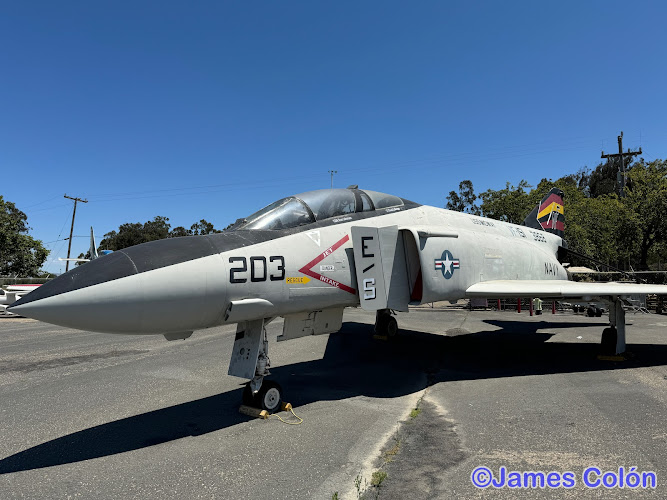
The Santa Maria Museum of Flight is a focused, passionately run aviation museum on the Central Coast that highlights regional flight history and a hands-on connection to aircraft. It presents itself less as a sprawling, polished corporate institution and more like a living hangar where volunteers and local aviators keep stories — and old engines — breathing. Visitors who appreciate aviation history, mechanical marvels, or simply the sight of a propeller up close will find a compact but satisfying collection of vintage and historic aircraft, exhibits on flight technology, and displays that trace the local role of airfields in Santa Maria and surrounding communities.

More than a static display, the museum functions as an educational resource and community hub. It hosts guided tours, school programs, and occasional special events that bring pilots, modelers, veterans, and families together. The tone here leans practical and welcoming rather than glossy. One could say it has the honest smell of grease and gasoline — in the best way — and an atmosphere where volunteers are proud to point out a rare instrument panel or a wartime modification. For many visitors, that authenticity is the main draw: real people telling real stories about planes that flew, missions they supported, and the local pilots who learned to love the sky above Santa Maria.

Accessibility is a clear priority. The museum offers a wheelchair-accessible entrance and parking, and restrooms that accommodate visitors with mobility needs. Those practical touches make it easier for families, seniors, and those with limited mobility to engage with exhibits up close. There is on-site parking, which removes the stress of hunting for a space before wandering among the displays. While the museum does not operate an on-site restaurant, visitors will generally find nearby dining options off the airfield and in town; staff will often point out good local stops if asked during a tour.

The core collection focuses on aircraft and artifacts that illuminate aviation history in California and the broader American experience. Expect to see a mixture of military and civilian examples: trainers, transport pieces, and a few unique restorations that hint at the painstaking volunteer work behind the scenes. The exhibits arrange engines, cockpit controls, and exterior airframes to demonstrate how aviation technology changed over the decades. Interpretive panels and volunteer docents explain not only the what but the why — why a particular design mattered, why certain innovations were adopted, and how community airports contributed to regional development and wartime efforts.

Visitors who come with children will appreciate the kid-friendly vibe. The museum is described by frequent guests as good for kids because the displays are close-up and tactile wherever safety allows. Young aviation-obsessed kids can press buttons in supervised areas, peer into cockpits, and, with a little encouragement, imagine being the pilot. The tours are often adaptable: docents will lengthen or shorten explanations depending on the audience, and local school groups are regular visitors because the educational programs align with curriculum goals around technology, history, and STEM. Those programs often include hands-on activities, like basic aerodynamics demonstrations, that stick in a child’s head long after the visit.

One practical note: the museum offers tours but also works at a pace that honors its volunteer base. On a weekday the place might feel quiet and contemplative; on a weekend, especially when a special event coincides with visiting pilots or fly-ins, the mood becomes lively and social. The museum’s volunteer-driven model means that visitors who arrive for a tour will often get an informal, personalized experience — stories about who flew an aircraft, anecdotes about its restoration, and tips on the best photo angles. That kind of behind-the-scenes access is precisely what many travelers seek when choosing between a big city attraction and a regional gem.

For visitors who geek out on details, the Santa Maria Museum of Flight frequently showcases parts and artifacts that are hard to find elsewhere: vintage instruments, mission logs, and sometimes locally relevant memorabilia that ties aviation to the agricultural and military history of the Santa Maria Valley. The interpretive materials aim to strike a balance between novice-friendly explanations and enough technical depth to satisfy hobbyist pilots and aircraft restoration fans. The narrative often connects the machines to the people who built, maintained, and flew them, turning metal and rivets into stories about innovation, courage, and community identity.

Because the facility is modest in size, it rewards those who take the time to chat. A short anecdote illustrates this: a volunteer once spent nearly an hour with a late-arriving visitor explaining the idiosyncrasies of a particular radial engine and, in the process, uncovered a family connection to a pilot mentioned in the aircraft’s logbook. That kind of human exchange — serendipitous, unscripted, and deeply satisfying — is the museum’s quietly distinctive attribute. Travelers who prefer highly curated, audio-guided experiences may need to adjust expectations; but those who like to discover things by asking questions and lingering over details will feel at home.

Practical features are straightforward and traveler-friendly. There are public restrooms and wheelchair-accessible facilities; tours are offered and can be booked or arranged on-site depending on staff availability. Since there is no restaurant inside, visitors should plan accordingly: pack snacks or plan a stop in Santa Maria for a meal after the visit. On-site parking takes the hassle out of arrival, and the proximity to the local airport means that visitors arriving by small plane or attending an airfield event often combine their flight with a museum stop — a neat option for aviators planning an impulsive day trip.

From an SEO perspective, the museum presents strong, searchable angles: aviation museum, Santa Maria Museum of Flight, aircraft display, vintage planes, aviation history, and aviation museum near Santa Maria Airport. These topics are naturally woven into the museum’s programming and interpretive focus, making it a useful stop for travelers who are researching Central Coast attractions or planning an aviation-themed itinerary. It also tends to fare well with photographers and history buffs looking for authentic, lesser-known aviation spots off the beaten path.

Visitors should note that special events and fly-ins often change the intensity of the experience. On event days, the museum can be an extremely social place: pilots swap stories, local aircraft are displayed, and restoration projects are sometimes demonstrated. On quieter days, the emphasis shifts to individual exploration and conversation with volunteers. Either mode has value, but travelers on a tight schedule might want to check whether an event is occurring — not because the museum is closed on non-event days (it’s not), but because the atmosphere will vary and that matters if someone is after a photo op or a chance to speak with a particular expert.

The museum’s role as a non-profit organization is visible in its operations: fundraising drives, membership opportunities, and volunteer recruitment are part of the landscape. Visitors who feel moved by the experience often find ways to support the museum, whether by becoming members, donating to restoration projects, or volunteering time. For travelers who enjoy participating rather than just consuming, this community-oriented vibe can be especially rewarding.

Overall, the Santa Maria Museum of Flight is a compact, highly personable aviation museum that delivers a solid payoff for travelers who value authenticity, hands-on exhibits, and human stories about flight. It may not have the scale of metropolitan aviation museums, but its strength lies in detail, community engagement, and the chance to meet volunteers who love what they do. For a Central Coast day trip or a focused stop during a broader California itinerary, it offers a memorable, informative, and surprisingly intimate look at aircraft, aviation history, and the people who make both possible.

Key Features

Santa Maria Museum of Flight

More Details

Updated August 29, 2025

Description

The Santa Maria Museum of Flight is a focused, passionately run aviation museum on the Central Coast that highlights regional flight history and a hands-on connection to aircraft. It presents itself less as a sprawling, polished corporate institution and more like a living hangar where volunteers and local aviators keep stories — and old engines — breathing. Visitors who appreciate aviation history, mechanical marvels, or simply the sight of a propeller up close will find a compact but satisfying collection of vintage and historic aircraft, exhibits on flight technology, and displays that trace the local role of airfields in Santa Maria and surrounding communities.

More than a static display, the museum functions as an educational resource and community hub. It hosts guided tours, school programs, and occasional special events that bring pilots, modelers, veterans, and families together. The tone here leans practical and welcoming rather than glossy. One could say it has the honest smell of grease and gasoline — in the best way — and an atmosphere where volunteers are proud to point out a rare instrument panel or a wartime modification. For many visitors, that authenticity is the main draw: real people telling real stories about planes that flew, missions they supported, and the local pilots who learned to love the sky above Santa Maria.

Accessibility is a clear priority. The museum offers a wheelchair-accessible entrance and parking, and restrooms that accommodate visitors with mobility needs. Those practical touches make it easier for families, seniors, and those with limited mobility to engage with exhibits up close. There is on-site parking, which removes the stress of hunting for a space before wandering among the displays. While the museum does not operate an on-site restaurant, visitors will generally find nearby dining options off the airfield and in town; staff will often point out good local stops if asked during a tour.

The core collection focuses on aircraft and artifacts that illuminate aviation history in California and the broader American experience. Expect to see a mixture of military and civilian examples: trainers, transport pieces, and a few unique restorations that hint at the painstaking volunteer work behind the scenes. The exhibits arrange engines, cockpit controls, and exterior airframes to demonstrate how aviation technology changed over the decades. Interpretive panels and volunteer docents explain not only the what but the why — why a particular design mattered, why certain innovations were adopted, and how community airports contributed to regional development and wartime efforts.

Visitors who come with children will appreciate the kid-friendly vibe. The museum is described by frequent guests as good for kids because the displays are close-up and tactile wherever safety allows. Young aviation-obsessed kids can press buttons in supervised areas, peer into cockpits, and, with a little encouragement, imagine being the pilot. The tours are often adaptable: docents will lengthen or shorten explanations depending on the audience, and local school groups are regular visitors because the educational programs align with curriculum goals around technology, history, and STEM. Those programs often include hands-on activities, like basic aerodynamics demonstrations, that stick in a child’s head long after the visit.

One practical note: the museum offers tours but also works at a pace that honors its volunteer base. On a weekday the place might feel quiet and contemplative; on a weekend, especially when a special event coincides with visiting pilots or fly-ins, the mood becomes lively and social. The museum’s volunteer-driven model means that visitors who arrive for a tour will often get an informal, personalized experience — stories about who flew an aircraft, anecdotes about its restoration, and tips on the best photo angles. That kind of behind-the-scenes access is precisely what many travelers seek when choosing between a big city attraction and a regional gem.

For visitors who geek out on details, the Santa Maria Museum of Flight frequently showcases parts and artifacts that are hard to find elsewhere: vintage instruments, mission logs, and sometimes locally relevant memorabilia that ties aviation to the agricultural and military history of the Santa Maria Valley. The interpretive materials aim to strike a balance between novice-friendly explanations and enough technical depth to satisfy hobbyist pilots and aircraft restoration fans. The narrative often connects the machines to the people who built, maintained, and flew them, turning metal and rivets into stories about innovation, courage, and community identity.

Because the facility is modest in size, it rewards those who take the time to chat. A short anecdote illustrates this: a volunteer once spent nearly an hour with a late-arriving visitor explaining the idiosyncrasies of a particular radial engine and, in the process, uncovered a family connection to a pilot mentioned in the aircraft’s logbook. That kind of human exchange — serendipitous, unscripted, and deeply satisfying — is the museum’s quietly distinctive attribute. Travelers who prefer highly curated, audio-guided experiences may need to adjust expectations; but those who like to discover things by asking questions and lingering over details will feel at home.

Practical features are straightforward and traveler-friendly. There are public restrooms and wheelchair-accessible facilities; tours are offered and can be booked or arranged on-site depending on staff availability. Since there is no restaurant inside, visitors should plan accordingly: pack snacks or plan a stop in Santa Maria for a meal after the visit. On-site parking takes the hassle out of arrival, and the proximity to the local airport means that visitors arriving by small plane or attending an airfield event often combine their flight with a museum stop — a neat option for aviators planning an impulsive day trip.

From an SEO perspective, the museum presents strong, searchable angles: aviation museum, Santa Maria Museum of Flight, aircraft display, vintage planes, aviation history, and aviation museum near Santa Maria Airport. These topics are naturally woven into the museum’s programming and interpretive focus, making it a useful stop for travelers who are researching Central Coast attractions or planning an aviation-themed itinerary. It also tends to fare well with photographers and history buffs looking for authentic, lesser-known aviation spots off the beaten path.

Visitors should note that special events and fly-ins often change the intensity of the experience. On event days, the museum can be an extremely social place: pilots swap stories, local aircraft are displayed, and restoration projects are sometimes demonstrated. On quieter days, the emphasis shifts to individual exploration and conversation with volunteers. Either mode has value, but travelers on a tight schedule might want to check whether an event is occurring — not because the museum is closed on non-event days (it’s not), but because the atmosphere will vary and that matters if someone is after a photo op or a chance to speak with a particular expert.

The museum’s role as a non-profit organization is visible in its operations: fundraising drives, membership opportunities, and volunteer recruitment are part of the landscape. Visitors who feel moved by the experience often find ways to support the museum, whether by becoming members, donating to restoration projects, or volunteering time. For travelers who enjoy participating rather than just consuming, this community-oriented vibe can be especially rewarding.

Overall, the Santa Maria Museum of Flight is a compact, highly personable aviation museum that delivers a solid payoff for travelers who value authenticity, hands-on exhibits, and human stories about flight. It may not have the scale of metropolitan aviation museums, but its strength lies in detail, community engagement, and the chance to meet volunteers who love what they do. For a Central Coast day trip or a focused stop during a broader California itinerary, it offers a memorable, informative, and surprisingly intimate look at aircraft, aviation history, and the people who make both possible.

Key Highlights

Santa Maria Museum of Flight

Location

Places to Stay Near Santa Maria Museum of Flight

Find and Book a Tour

Explore More Travel Guides

No reviews found! Be the first to review!

Traveler Reviews for Santa Maria Museum of Flight

There are no reviews yet. Be the first one to write one.

Share Your Experience

Have you visited Santa Maria Museum of Flight? Help other travelers by sharing your review.

Find Accommodations Nearby

Recommended Tours & Activities

Visitor Reviews

There are no reviews yet. Be the first one to write one.

Share Your Experience

Have you visited Santa Maria Museum of Flight? Help other travelers by leaving a review.