
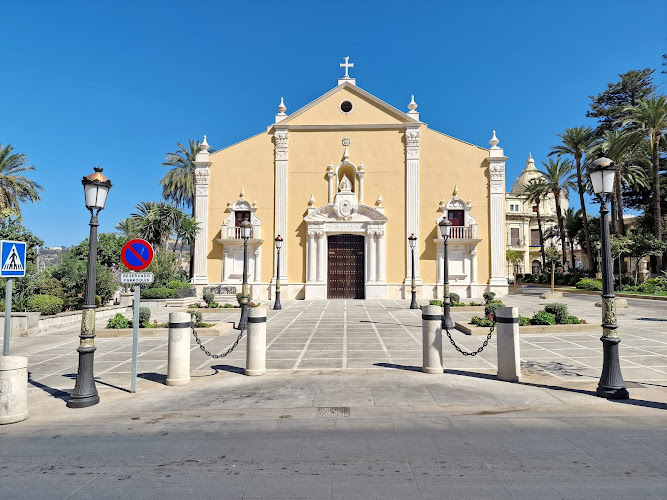
Sanctuary of Santa María of Africa
About Sanctuary of Santa María of Africa
Description
The Sanctuary of Santa María de África stands as a captivating spiritual and cultural beacon in Ceuta, a city where history and faith intertwine in the most intriguing ways. This shrine, dedicated to the patron saint of the city, offers visitors a chance to step into a world that feels both timeless and deeply rooted in local tradition. It’s not just a place of worship but a living testament to centuries of devotion, resilience, and community spirit.
When you wander through its doors, you’ll immediately notice the peaceful atmosphere that envelopes the sanctuary. The architecture strikes a balance between simplicity and grace, with subtle details that hint at its rich past. It’s not flashy or over the top, but it carries a quiet dignity that pulls you in. And if you’re like me, someone who’s wandered through countless cathedrals and shrines, you’ll appreciate the sanctuary’s unique charm—it’s the kind of place where you can feel the weight of history without it being overwhelming.
One thing that really stood out to me during my visit was how accessible the sanctuary is. Unlike some historic religious sites that can be a pain to navigate, this place has a wheelchair-accessible entrance, making it welcoming to a wider range of visitors. It’s a thoughtful touch that shows respect for all who come seeking solace or simply a moment of reflection.
What’s fascinating is how this shrine manages to be a spiritual hub while also serving as a cultural landmark that draws tourists curious about Ceuta’s blend of European and African influences. The sanctuary’s role as the home of the patron saint adds a layer of local pride and identity that you can almost feel in the air. It’s the sort of spot that invites you to pause, take a deep breath, and maybe even have a little chat with the saint’s statue—if that’s your thing.
Visitors often remark on the warmth of the place, which is partly thanks to the locals who treat the sanctuary not just as a religious site but as a community cornerstone. You might catch a glimpse of a quiet prayer, a candle lit with care, or hear the soft murmur of hymns during special ceremonies. It’s these moments that make the sanctuary more than just a tourist attraction; it’s a living, breathing part of Ceuta’s soul.
And here’s a little nugget for the curious: the sanctuary isn’t just about the past. It’s also a place where traditions continue to thrive, especially during local festivities honoring Santa María de África. If your timing’s right, you might get to witness these vibrant celebrations firsthand—a mix of solemn devotion and joyful community spirit that’s pretty unforgettable.
Key Features
- Dedicated to Santa María de África, the patron saint of Ceuta, offering a deep cultural and spiritual connection.
- Wheelchair accessible entrance, ensuring inclusivity for all visitors.
- Historic architecture that blends simplicity with meaningful religious symbolism.
- Active site for local religious ceremonies and festivals, providing authentic cultural experiences.
- Quiet, reflective atmosphere perfect for moments of contemplation or prayer.
- Located in a city that uniquely bridges European and African cultures, enhancing the sanctuary’s significance.
- Friendly, welcoming environment supported by local community involvement.
Best Time to Visit
Picking the perfect time to visit the Sanctuary of Santa María de África depends a bit on what you’re after. If you want to soak in the spiritual vibe when the sanctuary is buzzing with energy, aim for the feast day of Santa María de África, typically celebrated with processions, music, and local traditions that bring the place alive in a way photos just can’t capture. It’s a bit like stepping into a living storybook.
On the flip side, if you prefer a quieter experience—just you, the architecture, and maybe a few other contemplative souls—then weekdays outside of major holidays are your best bet. The sanctuary tends to be more peaceful then, which is perfect if you want to take your time, snap some photos without crowds, or just sit and soak up the atmosphere.
Weather-wise, Ceuta enjoys a Mediterranean climate, so spring and early autumn are particularly pleasant. Not too hot, not too chilly—ideal for wandering around the city and the sanctuary without breaking a sweat or shivering. Summer can be quite warm, so if you’re not a fan of the heat, maybe avoid July and August.
How to Get There
Getting to the Sanctuary of Santa María de África is pretty straightforward, especially if you’re already exploring Ceuta. The shrine is located within the city, so once you’re in town, it’s usually just a short walk or a quick taxi ride away from most central spots. Ceuta itself is a fascinating gateway city on the northern coast of Africa, connected to mainland Spain by ferry and road.
If you’re coming from Spain, the ferry crossing from Algeciras is a popular route, and the journey offers some stunning views of the Strait of Gibraltar—one of those moments where you realize you’re in a truly unique part of the world. Once in Ceuta, local buses and taxis are readily available, but honestly, walking is often the best way to get a feel for the city’s vibe and stumble upon hidden gems along the way.
For those who like a bit of adventure, driving into Ceuta is possible but keep in mind the border controls and the city’s special status. Navigating the streets might require a bit of patience, but that’s part of the charm, right? Just make sure you’ve got a good map or GPS handy.
Tips for Visiting
Alright, here’s where I get a little personal—visiting the Sanctuary of Santa María de África is one of those experiences that’s richer when you bring a bit of curiosity and respect along for the ride. First off, dress modestly. It’s a place of worship after all, and while it’s welcoming, showing a bit of reverence goes a long way.
Don’t rush. Seriously, take your time. Sit for a moment, watch the light play on the walls, listen to the quiet sounds—you’d be surprised how calming it can be. And if you happen to be there during a service or festival, try to blend in and soak it up rather than just snapping pictures. Those moments are special for the locals.
Photography is generally allowed, but keep an eye out for any signs or requests from staff. Sometimes, certain areas are off-limits for photos, especially during religious ceremonies. And hey, if you’re unsure, just ask. People usually appreciate the politeness.
One little nugget I learned the hard way: bring some cash. There might be small donations or candles you want to light, and not all places take cards. Plus, supporting the sanctuary in this way helps maintain the site for future visitors.
Lastly, chat with locals if you get the chance. Ceuta’s residents are proud of their patron saint and the sanctuary, and they often have stories or tidbits that you won’t find in any guidebook. I once ended up sharing a coffee with a couple of locals who filled me in on the sanctuary’s history and their personal connections to it—an experience I treasure to this day.
Key Features
- Dedicated to Santa María de África, the patron saint of Ceuta, offering a deep cultural and spiritual connection.
- Wheelchair accessible entrance, ensuring inclusivity for all visitors.
- Historic architecture that blends simplicity with meaningful religious symbolism.
- Active site for local religious ceremonies and festivals, providing authentic cultural experiences.
- Quiet, reflective atmosphere perfect for moments of contemplation or prayer.
- Located in a city that uniquely bridges European and African cultures, enhancing the sanctuary’s significance.
- Friendly, welcoming environment supported by local community involvement.
More Details
Updated July 13, 2025
Table of Contents
- Description
- Key Features
- Best Time to Visit
- How to Get There
- Tips for Visiting
- Key Highlights
- Location
- Places to Stay Near Sanctuary of Santa María of Africa
- Find and Book a Tour
- Explore More Travel Guides
- Nearby Places You Might Like
- Traveler Reviews for Sanctuary of Santa María of Africa
- Share Your Experience
Description
The Sanctuary of Santa María de África stands as a captivating spiritual and cultural beacon in Ceuta, a city where history and faith intertwine in the most intriguing ways. This shrine, dedicated to the patron saint of the city, offers visitors a chance to step into a world that feels both timeless and deeply rooted in local tradition. It’s not just a place of worship but a living testament to centuries of devotion, resilience, and community spirit.
When you wander through its doors, you’ll immediately notice the peaceful atmosphere that envelopes the sanctuary. The architecture strikes a balance between simplicity and grace, with subtle details that hint at its rich past. It’s not flashy or over the top, but it carries a quiet dignity that pulls you in. And if you’re like me, someone who’s wandered through countless cathedrals and shrines, you’ll appreciate the sanctuary’s unique charm—it’s the kind of place where you can feel the weight of history without it being overwhelming.
One thing that really stood out to me during my visit was how accessible the sanctuary is. Unlike some historic religious sites that can be a pain to navigate, this place has a wheelchair-accessible entrance, making it welcoming to a wider range of visitors. It’s a thoughtful touch that shows respect for all who come seeking solace or simply a moment of reflection.
What’s fascinating is how this shrine manages to be a spiritual hub while also serving as a cultural landmark that draws tourists curious about Ceuta’s blend of European and African influences. The sanctuary’s role as the home of the patron saint adds a layer of local pride and identity that you can almost feel in the air. It’s the sort of spot that invites you to pause, take a deep breath, and maybe even have a little chat with the saint’s statue—if that’s your thing.
Visitors often remark on the warmth of the place, which is partly thanks to the locals who treat the sanctuary not just as a religious site but as a community cornerstone. You might catch a glimpse of a quiet prayer, a candle lit with care, or hear the soft murmur of hymns during special ceremonies. It’s these moments that make the sanctuary more than just a tourist attraction; it’s a living, breathing part of Ceuta’s soul.
And here’s a little nugget for the curious: the sanctuary isn’t just about the past. It’s also a place where traditions continue to thrive, especially during local festivities honoring Santa María de África. If your timing’s right, you might get to witness these vibrant celebrations firsthand—a mix of solemn devotion and joyful community spirit that’s pretty unforgettable.
Key Features
- Dedicated to Santa María de África, the patron saint of Ceuta, offering a deep cultural and spiritual connection.
- Wheelchair accessible entrance, ensuring inclusivity for all visitors.
- Historic architecture that blends simplicity with meaningful religious symbolism.
- Active site for local religious ceremonies and festivals, providing authentic cultural experiences.
- Quiet, reflective atmosphere perfect for moments of contemplation or prayer.
- Located in a city that uniquely bridges European and African cultures, enhancing the sanctuary’s significance.
- Friendly, welcoming environment supported by local community involvement.
Best Time to Visit
Picking the perfect time to visit the Sanctuary of Santa María de África depends a bit on what you’re after. If you want to soak in the spiritual vibe when the sanctuary is buzzing with energy, aim for the feast day of Santa María de África, typically celebrated with processions, music, and local traditions that bring the place alive in a way photos just can’t capture. It’s a bit like stepping into a living storybook.
On the flip side, if you prefer a quieter experience—just you, the architecture, and maybe a few other contemplative souls—then weekdays outside of major holidays are your best bet. The sanctuary tends to be more peaceful then, which is perfect if you want to take your time, snap some photos without crowds, or just sit and soak up the atmosphere.
Weather-wise, Ceuta enjoys a Mediterranean climate, so spring and early autumn are particularly pleasant. Not too hot, not too chilly—ideal for wandering around the city and the sanctuary without breaking a sweat or shivering. Summer can be quite warm, so if you’re not a fan of the heat, maybe avoid July and August.
How to Get There
Getting to the Sanctuary of Santa María de África is pretty straightforward, especially if you’re already exploring Ceuta. The shrine is located within the city, so once you’re in town, it’s usually just a short walk or a quick taxi ride away from most central spots. Ceuta itself is a fascinating gateway city on the northern coast of Africa, connected to mainland Spain by ferry and road.
If you’re coming from Spain, the ferry crossing from Algeciras is a popular route, and the journey offers some stunning views of the Strait of Gibraltar—one of those moments where you realize you’re in a truly unique part of the world. Once in Ceuta, local buses and taxis are readily available, but honestly, walking is often the best way to get a feel for the city’s vibe and stumble upon hidden gems along the way.
For those who like a bit of adventure, driving into Ceuta is possible but keep in mind the border controls and the city’s special status. Navigating the streets might require a bit of patience, but that’s part of the charm, right? Just make sure you’ve got a good map or GPS handy.
Tips for Visiting
Alright, here’s where I get a little personal—visiting the Sanctuary of Santa María de África is one of those experiences that’s richer when you bring a bit of curiosity and respect along for the ride. First off, dress modestly. It’s a place of worship after all, and while it’s welcoming, showing a bit of reverence goes a long way.
Don’t rush. Seriously, take your time. Sit for a moment, watch the light play on the walls, listen to the quiet sounds—you’d be surprised how calming it can be. And if you happen to be there during a service or festival, try to blend in and soak it up rather than just snapping pictures. Those moments are special for the locals.
Photography is generally allowed, but keep an eye out for any signs or requests from staff. Sometimes, certain areas are off-limits for photos, especially during religious ceremonies. And hey, if you’re unsure, just ask. People usually appreciate the politeness.
One little nugget I learned the hard way: bring some cash. There might be small donations or candles you want to light, and not all places take cards. Plus, supporting the sanctuary in this way helps maintain the site for future visitors.
Lastly, chat with locals if you get the chance. Ceuta’s residents are proud of their patron saint and the sanctuary, and they often have stories or tidbits that you won’t find in any guidebook. I once ended up sharing a coffee with a couple of locals who filled me in on the sanctuary’s history and their personal connections to it—an experience I treasure to this day.
Key Highlights
- Dedicated to Santa María de África, the patron saint of Ceuta, offering a deep cultural and spiritual connection.
- Wheelchair accessible entrance, ensuring inclusivity for all visitors.
- Historic architecture that blends simplicity with meaningful religious symbolism.
- Active site for local religious ceremonies and festivals, providing authentic cultural experiences.
- Quiet, reflective atmosphere perfect for moments of contemplation or prayer.
- Located in a city that uniquely bridges European and African cultures, enhancing the sanctuary’s significance.
- Friendly, welcoming environment supported by local community involvement.
Location
Places to Stay Near Sanctuary of Santa María of Africa
Find and Book a Tour
Explore More Travel Guides
No reviews found! Be the first to review!
Traveler Reviews for Sanctuary of Santa María of Africa
There are no reviews yet. Be the first one to write one.
Have you visited Sanctuary of Santa María of Africa? Help other travelers by sharing your review.
You Might Also Like

Parque de San Amaro
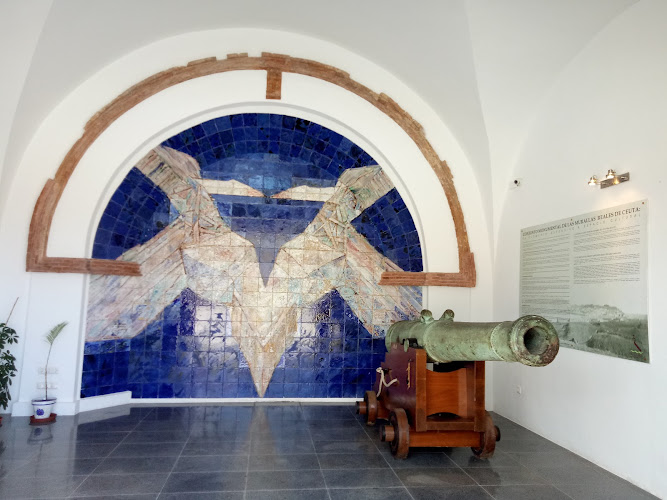
Servicios de Museos de Ceuta
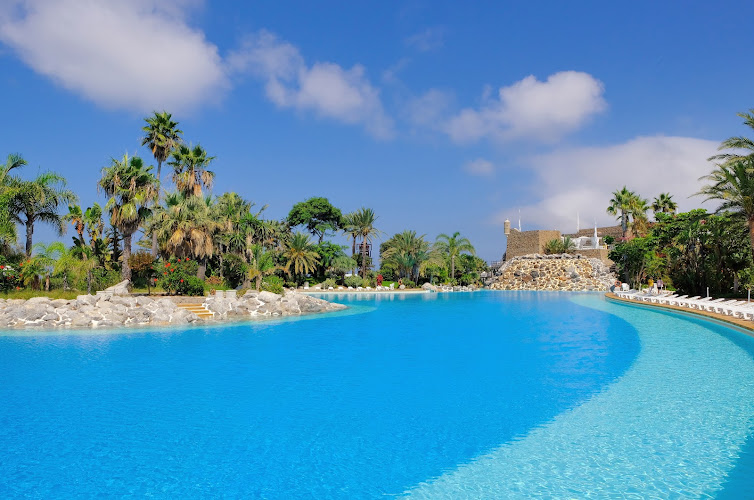
Parque Marítimo del Mediterráneo
Find Accommodations Nearby
Recommended Tours & Activities
Visitor Reviews
There are no reviews yet. Be the first one to write one.
Share Your Experience
Have you visited Sanctuary of Santa María of Africa? Help other travelers by leaving a review.