
San Miguel Altos
About San Miguel Altos
Description
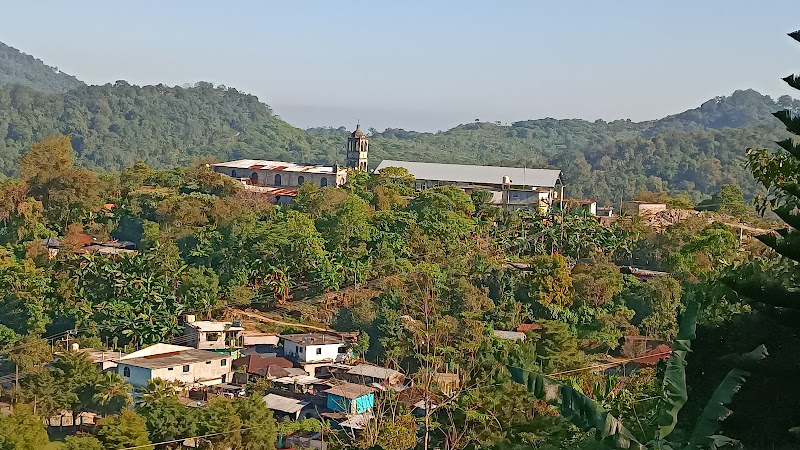
If you’ve ever found yourself wandering south through San Luis Potosí, you may have heard whispers of enigmatic corners, like the community of San Miguel Altos, hiding somewhere in the alluring hills of Tamazunchale. Let’s get something clear: this is not your average “tourist trap.” San Miguel Altos and its adjoining Barrio San Miguel truly reflect Mexico’s Huasteca—raw, friendly, and deeply proud of tradition. It’s a district that offers a local’s vision of everyday life in Tamazunchale, set right among rolling hills, with the arroyo often babbling in the background.
Life here—oh, it’s slow and often beautifully simple. You’ll see folks going about chores or gathering for coffee on doorsteps, and the parade of children in school uniforms adds color to the morning hustle. Like many places with “barrio” in their name, there’s a tight-knit feel. The center (or centro) of life is the main plaza, which functions more like a living room than a landmark. If you ever visited a small town in rural Mexico, you’ll know exactly what I’m talking about—the energy is infectious, not forced.
The proximity to Tamazunchale centro means daily life and fiestas spill over both ways. The influence from neighboring colonias and barrios like San Francisco and Buenos Aires can be felt—in the food, music, little street processions, and even casual “¡Buenos días!” you hear everywhere. What’s especially memorable is the mix of indigenous Tenek heritage with contemporary potosí traditions. Time seems to slow, inviting travelers to listen more closely to the stories that rivers and old bricks want to whisper.
Honestly, if you’re expecting luxury, this might surprise you. But, if you’re one of those wandering souls who finds beauty in things not polished for postcards—just the sight of ducks (patos) on the stream, or elders spinning yarns on a broken bench—you’ll probably end up wishing you could stay here longer.
Key Features
- Authentic Barrio Experience: The area is an active, authentic barrio, with a real sense of community—think busy colonias, neighbors chatting on corners, impromptu football matches, and aroma of tortillas wafting down the street.
- Proximity to Tamazunchale Centro: You’re a brief stroll (or fun ride in a local colectivo) from Tamazunchale’s bustling heart, with access to fresh foods, cultural festivals, and classic Huasteca crafts.
- Natural Beauty: The local arroyo (stream) adds a touch of serenity—yes, sometimes after heavy rain it’s more dramatic, but most days, it’s the region’s tranquil soundtrack. Don’t forget the green hills and frequent morning mists.
- Indigenous and Mestizo Heritage: You’ll encounter a fusion of Huasteca Tenek customs, dress, and language, intertwined with Mexican rural life—plus the occasional festival blending both worlds.
- Chill Vibe and Safety: While no place is perfect, most locals will tell you they feel safe walking around late, and you’re more likely to get invited to a barbecue than hustled.
- Close-knit Social Fabric: There’s a culture of “everyone-knows-everyone.” Expect easygoing smiles, offers to try homemade atole, and a willingness to help if you ever get mixed up on winding calles.
- Affordable Stay: Rather than five-star hotels, think simple posadas and home-stays with genuine hosts. A good meal and place to rest can be found at humble prices.
- Central for Exploring: From San Miguel Altos, it’s easy to hop to surrounding barrios like San Francisco, Buenos Aires, or to catch a combi up to Tamán or further into La Huasteca’s wilds.
- Hidden Culinary Delights: Tiny corner shops and home cooks dish up tamales, zacahuil, and regional stews you won’t soon forget—just ask for recommendations (and say yes when offered an extra serving).
Best Time to Visit
No question, the climate in Tamazunchale can be pretty distinct from the rest of San Luis Potosí. If you want comfortable weather and lots of activity, aim for November through March. The air is slightly drier (though don’t expect desert dryness) and there’s something special about cool mornings with coffee in hand, clouds skimming low through the hills.
I made the rookie mistake of dropping by in late July once—not that it wasn’t magical, but boy did it rain! The wet season, roughly June to September, transforms the arroyo into a miniature river, and the green explodes everywhere. Bring shoes that can handle a little mud. But honestly, if you’re the sort who craves a party, try catching a festival tied to the San Miguel patron saint or other local holidays. These events bring the place to life: streets decked out, food stalls popping up, and live music echoing into the night. Just plan your accommodation early, as beds go quickly when fiestas roll in.
How to Get There
San Miguel Altos sits just southwest of the main urban area of Tamazunchale, tucked within easy reach of the municipal centro. Your journey will depend largely on where you’re coming from. Most travelers reach Tamazunchale via bus or car, winding down the main federal highways that crisscross San Luis Potosí. If you’re coming from Mexico City, expect a bus ride of about 7 hours, with breathtaking switchbacks as you cross into Huasteca country (trust me, you’ll want your camera ready).
From central Tamazunchale, the best way to get to San Miguel Altos is often the same as locals: grab a colectivo (shared taxi), though you can walk if it’s not too scorching out. If you have too much luggage or prefer private space (and you’re not late for a fiesta), private taxis are available at reasonable rates. Don’t expect slick city signage—ask at any store for directions and watch as the entire block tries to help you out. Getting lost is part of the fun, at least the first time.
For the real explorers: continue onward towards neighboring barrios or rural areas like Tamán if time allows. That said, beware that “rural” means patchy cell signal, so plan your navigation beforehand!
Tips for Visiting
- Step Lightly & Respectfully: This isn’t a theme park—it’s home. Greet people, use gentle tones, and remember not to take photos of people (especially elders or children) without asking.
- Pack Layers and Rain Gear: Mornings can be brisk, afternoons hot, and sudden rain absolutely soaks. A light jacket and solid shoes will see you through. Forgetting this cost me a pair of shoes and some dignity, just saying.
- Bring Cash (Pesos): ATMs aren’t always within reach and many local spots are cash-only. Small bills are especially appreciated.
- Try the Food, Even If You Can’t Pronounce It: Some of the tastiest things you’ll find come out of regular home kitchens. Give regional specialties a genuine shot—even the atole, which is delicious and mysterious.
- Be Ready for Simple Hospitality: Don’t expect bells and whistles. What you’ll get is honest warmth and maybe a story or two swapped over a shared drink.
- Brush Up on Spanish, or Even a Few Tenek Phrases: English isn’t widely spoken, but locals appreciate the effort. Just a simple "buenos días" can open doors (literally—it often gets you invited to visit!).
- Double-Check Festivals and Local Events: If you’re set on attending a specific celebration, ask in advance for the actual dates—they can change based on the traditional or church calendar.
- Get Lost, Carefully: Some of my most unique finds happened when I wandered off the “main” path in the barrio, just exploring. That said, keep a sense of direction, and trust your gut—barrio San Miguel and neighboring (colonia) areas are generally safe, but as anywhere, stick to well-lit streets after dark.
Last bit of advice: Don’t be afraid to linger. More than a backdrop to typical sightseeing, San Miguel Altos provides the kind of spirit and sincerity that stays with you long after you’ve moved on. If you let yourself slow down, chat with neighbors, or follow the sound of laughter, you’ll glimpse a side of Tamazunchale that most travelers completely miss.
If you’ve got stories of San Miguel or a day you’ll never forget splashing in the arroyo, consider yourself fortunate—and if you don’t yet, well, maybe it’s time to make some new memories here.
Key Features
- Key Features
- Best Time to Visit
- How to Get There
- Tips for Visiting
More Details
Updated July 12, 2025
Table of Contents
If you’ve ever found yourself wandering south through San Luis Potosí, you may have heard whispers of enigmatic corners, like the community of San Miguel Altos, hiding somewhere in the alluring hills of Tamazunchale. Let’s get something clear: this is not your average “tourist trap.” San Miguel Altos and its adjoining Barrio San Miguel truly reflect Mexico’s Huasteca—raw, friendly, and deeply proud of tradition. It’s a district that offers a local’s vision of everyday life in Tamazunchale, set right among rolling hills, with the arroyo often babbling in the background.
Life here—oh, it’s slow and often beautifully simple. You’ll see folks going about chores or gathering for coffee on doorsteps, and the parade of children in school uniforms adds color to the morning hustle. Like many places with “barrio” in their name, there’s a tight-knit feel. The center (or centro) of life is the main plaza, which functions more like a living room than a landmark. If you ever visited a small town in rural Mexico, you’ll know exactly what I’m talking about—the energy is infectious, not forced.
The proximity to Tamazunchale centro means daily life and fiestas spill over both ways. The influence from neighboring colonias and barrios like San Francisco and Buenos Aires can be felt—in the food, music, little street processions, and even casual “¡Buenos días!” you hear everywhere. What’s especially memorable is the mix of indigenous Tenek heritage with contemporary potosí traditions. Time seems to slow, inviting travelers to listen more closely to the stories that rivers and old bricks want to whisper.
Honestly, if you’re expecting luxury, this might surprise you. But, if you’re one of those wandering souls who finds beauty in things not polished for postcards—just the sight of ducks (patos) on the stream, or elders spinning yarns on a broken bench—you’ll probably end up wishing you could stay here longer.
No question, the climate in Tamazunchale can be pretty distinct from the rest of San Luis Potosí. If you want comfortable weather and lots of activity, aim for November through March. The air is slightly drier (though don’t expect desert dryness) and there’s something special about cool mornings with coffee in hand, clouds skimming low through the hills.
I made the rookie mistake of dropping by in late July once—not that it wasn’t magical, but boy did it rain! The wet season, roughly June to September, transforms the arroyo into a miniature river, and the green explodes everywhere. Bring shoes that can handle a little mud. But honestly, if you’re the sort who craves a party, try catching a festival tied to the San Miguel patron saint or other local holidays. These events bring the place to life: streets decked out, food stalls popping up, and live music echoing into the night. Just plan your accommodation early, as beds go quickly when fiestas roll in.
San Miguel Altos sits just southwest of the main urban area of Tamazunchale, tucked within easy reach of the municipal centro. Your journey will depend largely on where you’re coming from. Most travelers reach Tamazunchale via bus or car, winding down the main federal highways that crisscross San Luis Potosí. If you’re coming from Mexico City, expect a bus ride of about 7 hours, with breathtaking switchbacks as you cross into Huasteca country (trust me, you’ll want your camera ready).
From central Tamazunchale, the best way to get to San Miguel Altos is often the same as locals: grab a colectivo (shared taxi), though you can walk if it’s not too scorching out. If you have too much luggage or prefer private space (and you’re not late for a fiesta), private taxis are available at reasonable rates. Don’t expect slick city signage—ask at any store for directions and watch as the entire block tries to help you out. Getting lost is part of the fun, at least the first time.
For the real explorers: continue onward towards neighboring barrios or rural areas like Tamán if time allows. That said, beware that “rural” means patchy cell signal, so plan your navigation beforehand!
Last bit of advice: Don’t be afraid to linger. More than a backdrop to typical sightseeing, San Miguel Altos provides the kind of spirit and sincerity that stays with you long after you’ve moved on. If you let yourself slow down, chat with neighbors, or follow the sound of laughter, you’ll glimpse a side of Tamazunchale that most travelers completely miss.
If you’ve got stories of San Miguel or a day you’ll never forget splashing in the arroyo, consider yourself fortunate—and if you don’t yet, well, maybe it’s time to make some new memories here.
Description
Key Features
The area is an active, authentic barrio, with a real sense of community—think busy colonias, neighbors chatting on corners, impromptu football matches, and aroma of tortillas wafting down the street.
You’re a brief stroll (or fun ride in a local colectivo) from Tamazunchale’s bustling heart, with access to fresh foods, cultural festivals, and classic Huasteca crafts.
The local arroyo (stream) adds a touch of serenity—yes, sometimes after heavy rain it’s more dramatic, but most days, it’s the region’s tranquil soundtrack. Don’t forget the green hills and frequent morning mists.
You’ll encounter a fusion of Huasteca Tenek customs, dress, and language, intertwined with Mexican rural life—plus the occasional festival blending both worlds.
While no place is perfect, most locals will tell you they feel safe walking around late, and you’re more likely to get invited to a barbecue than hustled.
There’s a culture of “everyone-knows-everyone.” Expect easygoing smiles, offers to try homemade atole, and a willingness to help if you ever get mixed up on winding calles.
Rather than five-star hotels, think simple posadas and home-stays with genuine hosts. A good meal and place to rest can be found at humble prices.
From San Miguel Altos, it’s easy to hop to surrounding barrios like San Francisco, Buenos Aires, or to catch a combi up to Tamán or further into La Huasteca’s wilds.
Tiny corner shops and home cooks dish up tamales, zacahuil, and regional stews you won’t soon forget—just ask for recommendations (and say yes when offered an extra serving).
Best Time to Visit
How to Get There
Tips for Visiting
Key Highlights
- Key Features
- Best Time to Visit
- How to Get There
- Tips for Visiting
Location
Places to Stay Near Arrollo Barrio San Miguel, Tamazunchale
Find and Book a Tour
Explore More Travel Guides
No reviews found! Be the first to review!
Traveler Reviews for San Miguel Altos
There are no reviews yet. Be the first one to write one.
Have you visited San Miguel Altos? Help other travelers by sharing your review.
You Might Also Like
San Francisco Tamazunchale San Luis Potosí México

Alberca Tamazunchale
Texopis Tamazunchale
Find Accommodations Nearby
Recommended Tours & Activities
Visitor Reviews
There are no reviews yet. Be the first one to write one.
Share Your Experience
Have you visited San Miguel Altos? Help other travelers by leaving a review.