

Salts Mill
About Salts Mill
Description
Salts Mill is one of those places that manages to be both grand and welcoming at the same time. Set in the heart of Saltaire, a UNESCO World Heritage Site in West Yorkshire, this former textile mill has been transformed into a lively hub for art, culture, shopping, and food. It’s a space where history hums quietly in the background while creativity fills every corner. Built in 1853 by Sir Titus Salt, the mill once symbolized industrial ambition and social reform—now it stands as a testament to regeneration done right.
Walking through the huge arched doors, you immediately sense its scale—those high ceilings, the light streaming through tall windows, and the faint echo of footsteps on the stone floors. There’s something grounding about it. The building itself feels almost alive, like it remembers its past but has embraced a new purpose. Inside, you’ll find art galleries showcasing the works of David Hockney (a local legend), independent shops selling books, homewares, and prints, and a café that smells perpetually of good coffee and warm pastries. It’s the kind of place where you end up staying longer than you planned, just because it feels good to be there.
What’s particularly striking is how effortlessly the old and new blend together. The industrial bones of the mill—its iron columns, brick walls, and original features—contrast beautifully with the modern art and design within. It’s not polished to perfection, and that’s part of the charm. You can almost imagine the whir of looms that once filled the halls, replaced now by the soft murmur of visitors discussing art or flipping through books. It’s a living, breathing space that continues to evolve while honoring its roots.
Key Features
- Art Galleries: The 1853 Gallery is the crown jewel, featuring an extensive collection of works by David Hockney alongside rotating exhibitions by other contemporary artists.
- Independent Shops: From beautifully curated bookstores to home goods and poster shops, the retail spaces here are full of character—no generic chain stores in sight.
- Cafés and Dining: The café and diner serve fresh, locally sourced food. The coffee’s excellent, and the cakes are dangerously good. Perfect for a mid-visit break.
- Architectural Heritage: The building itself is a Grade II listed structure, a masterpiece of Victorian industrial design by architects Lockwood and Mawson.
- Accessibility: The site is wheelchair accessible with adapted entrances, restrooms, and parking, making it easy for everyone to explore comfortably.
- Free Parking: A generous free parking area means you can take your time without worrying about the meter running out.
- Community and Events: The mill often hosts cultural events, talks, and exhibitions, adding an extra layer of life to the already buzzing atmosphere.
Best Time to Visit
Honestly, Salts Mill is one of those places that works in every season—but it depends on what kind of experience you’re after. Spring and summer bring a lightness to the space; sunlight pours through the vast windows, and you can stroll along the River Aire afterward. Autumn, though, is my personal favorite. There’s something about the golden leaves outside and the cozy warmth of the café inside that just hits differently. And if you visit around the holidays, the decorations and festive buzz add a lovely touch without feeling overdone.
Weekdays tend to be quieter, giving you more room to wander and take in the art at your own pace. Weekends can get busy, especially when the weather’s good or there’s a special exhibition on. But even then, the mill’s sheer size means it rarely feels overcrowded. If you’re planning a full day in Saltaire, pair your visit with a walk through the village—its Italianate architecture and riverside views are worth the detour.
How to Get There
Getting to Salts Mill is refreshingly straightforward. It’s located in Saltaire, just a short journey from Bradford or Leeds. If you’re coming by train, hop on the line to Saltaire Station—it’s literally a few minutes’ walk from there to the mill’s entrance. The scenic route along Victoria Road sets the mood perfectly, with charming stone buildings leading the way.
Driving is another easy option. There’s free parking right by the mill, which is a rare treat these days. If you’re the type who likes to make a day of it, consider taking the bus routes that pass through Shipley and Saltaire—they drop you close enough to stroll in and soak up the village atmosphere before reaching the mill. And for the more adventurous, cycling along the Leeds and Liverpool Canal towpath is a surprisingly peaceful way to arrive—it’s flat, scenic, and gives you a completely different perspective of the area.
Tips for Visiting
Here’s the thing about Salts Mill—it’s not just a place to tick off your travel list; it’s somewhere to linger. So my first tip? Don’t rush it. Give yourself at least a few hours to explore properly. Start with the 1853 Gallery, but don’t skip the smaller exhibitions tucked away in side rooms. Some of the best discoveries are the ones you stumble upon unexpectedly.
Bring a bit of spending money too—because trust me, you’ll be tempted. The bookshop alone is worth a small splurge, and the homeware store is full of pieces that somehow feel both practical and beautiful. I once swore I was “just browsing” and left with a stack of art prints and a ceramic mug I didn’t need but absolutely love. It’s that kind of place.
Wear comfortable shoes. The floors are original stone, and while they add to the charm, they’re not exactly forgiving after a few hours of wandering. Also, if you’re into photography, bring your camera. The light inside the mill is incredible—soft, diffused, and perfect for capturing those moody industrial textures.
And one more thing: take a moment to just sit. Maybe in the café with a coffee and a slice of lemon drizzle cake, or on a bench by the window overlooking Saltaire. There’s a quiet magic in pausing to appreciate how this old mill, once filled with the noise of industry, now hums with creativity and calm. It’s a reminder that places, like people, can reinvent themselves beautifully.
For travelers who appreciate art, history, and a bit of soul in their destinations, Salts Mill is a must-visit. It’s more than an attraction—it’s an experience that lingers long after you’ve left. Whether you’re there for the Hockney art, the architecture, or simply the atmosphere, you’ll walk away with a sense that you’ve stepped into something truly special. And maybe, like me, you’ll already be planning your next visit before you’ve even walked out the door.
Key Features
- Key Features
- Best Time to Visit
- How to Get There
- Tips for Visiting
More Details
Updated November 9, 2025
Table of Contents
Description
Salts Mill is one of those places that manages to be both grand and welcoming at the same time. Set in the heart of Saltaire, a UNESCO World Heritage Site in West Yorkshire, this former textile mill has been transformed into a lively hub for art, culture, shopping, and food. It’s a space where history hums quietly in the background while creativity fills every corner. Built in 1853 by Sir Titus Salt, the mill once symbolized industrial ambition and social reform—now it stands as a testament to regeneration done right.
Walking through the huge arched doors, you immediately sense its scale—those high ceilings, the light streaming through tall windows, and the faint echo of footsteps on the stone floors. There’s something grounding about it. The building itself feels almost alive, like it remembers its past but has embraced a new purpose. Inside, you’ll find art galleries showcasing the works of David Hockney (a local legend), independent shops selling books, homewares, and prints, and a café that smells perpetually of good coffee and warm pastries. It’s the kind of place where you end up staying longer than you planned, just because it feels good to be there.
What’s particularly striking is how effortlessly the old and new blend together. The industrial bones of the mill—its iron columns, brick walls, and original features—contrast beautifully with the modern art and design within. It’s not polished to perfection, and that’s part of the charm. You can almost imagine the whir of looms that once filled the halls, replaced now by the soft murmur of visitors discussing art or flipping through books. It’s a living, breathing space that continues to evolve while honoring its roots.
Key Features
- Art Galleries: The 1853 Gallery is the crown jewel, featuring an extensive collection of works by David Hockney alongside rotating exhibitions by other contemporary artists.
- Independent Shops: From beautifully curated bookstores to home goods and poster shops, the retail spaces here are full of character—no generic chain stores in sight.
- Cafés and Dining: The café and diner serve fresh, locally sourced food. The coffee’s excellent, and the cakes are dangerously good. Perfect for a mid-visit break.
- Architectural Heritage: The building itself is a Grade II listed structure, a masterpiece of Victorian industrial design by architects Lockwood and Mawson.
- Accessibility: The site is wheelchair accessible with adapted entrances, restrooms, and parking, making it easy for everyone to explore comfortably.
- Free Parking: A generous free parking area means you can take your time without worrying about the meter running out.
- Community and Events: The mill often hosts cultural events, talks, and exhibitions, adding an extra layer of life to the already buzzing atmosphere.
Best Time to Visit
Honestly, Salts Mill is one of those places that works in every season—but it depends on what kind of experience you’re after. Spring and summer bring a lightness to the space; sunlight pours through the vast windows, and you can stroll along the River Aire afterward. Autumn, though, is my personal favorite. There’s something about the golden leaves outside and the cozy warmth of the café inside that just hits differently. And if you visit around the holidays, the decorations and festive buzz add a lovely touch without feeling overdone.
Weekdays tend to be quieter, giving you more room to wander and take in the art at your own pace. Weekends can get busy, especially when the weather’s good or there’s a special exhibition on. But even then, the mill’s sheer size means it rarely feels overcrowded. If you’re planning a full day in Saltaire, pair your visit with a walk through the village—its Italianate architecture and riverside views are worth the detour.
How to Get There
Getting to Salts Mill is refreshingly straightforward. It’s located in Saltaire, just a short journey from Bradford or Leeds. If you’re coming by train, hop on the line to Saltaire Station—it’s literally a few minutes’ walk from there to the mill’s entrance. The scenic route along Victoria Road sets the mood perfectly, with charming stone buildings leading the way.
Driving is another easy option. There’s free parking right by the mill, which is a rare treat these days. If you’re the type who likes to make a day of it, consider taking the bus routes that pass through Shipley and Saltaire—they drop you close enough to stroll in and soak up the village atmosphere before reaching the mill. And for the more adventurous, cycling along the Leeds and Liverpool Canal towpath is a surprisingly peaceful way to arrive—it’s flat, scenic, and gives you a completely different perspective of the area.
Tips for Visiting
Here’s the thing about Salts Mill—it’s not just a place to tick off your travel list; it’s somewhere to linger. So my first tip? Don’t rush it. Give yourself at least a few hours to explore properly. Start with the 1853 Gallery, but don’t skip the smaller exhibitions tucked away in side rooms. Some of the best discoveries are the ones you stumble upon unexpectedly.
Bring a bit of spending money too—because trust me, you’ll be tempted. The bookshop alone is worth a small splurge, and the homeware store is full of pieces that somehow feel both practical and beautiful. I once swore I was “just browsing” and left with a stack of art prints and a ceramic mug I didn’t need but absolutely love. It’s that kind of place.
Wear comfortable shoes. The floors are original stone, and while they add to the charm, they’re not exactly forgiving after a few hours of wandering. Also, if you’re into photography, bring your camera. The light inside the mill is incredible—soft, diffused, and perfect for capturing those moody industrial textures.
And one more thing: take a moment to just sit. Maybe in the café with a coffee and a slice of lemon drizzle cake, or on a bench by the window overlooking Saltaire. There’s a quiet magic in pausing to appreciate how this old mill, once filled with the noise of industry, now hums with creativity and calm. It’s a reminder that places, like people, can reinvent themselves beautifully.
For travelers who appreciate art, history, and a bit of soul in their destinations, Salts Mill is a must-visit. It’s more than an attraction—it’s an experience that lingers long after you’ve left. Whether you’re there for the Hockney art, the architecture, or simply the atmosphere, you’ll walk away with a sense that you’ve stepped into something truly special. And maybe, like me, you’ll already be planning your next visit before you’ve even walked out the door.
Key Highlights
- Key Features
- Best Time to Visit
- How to Get There
- Tips for Visiting
Location
Places to Stay Near Salts Mill
Find and Book a Tour
Explore More Travel Guides
No reviews found! Be the first to review!
Traveler Reviews for Salts Mill
There are no reviews yet. Be the first one to write one.
Have you visited Salts Mill? Help other travelers by sharing your review.
You Might Also Like
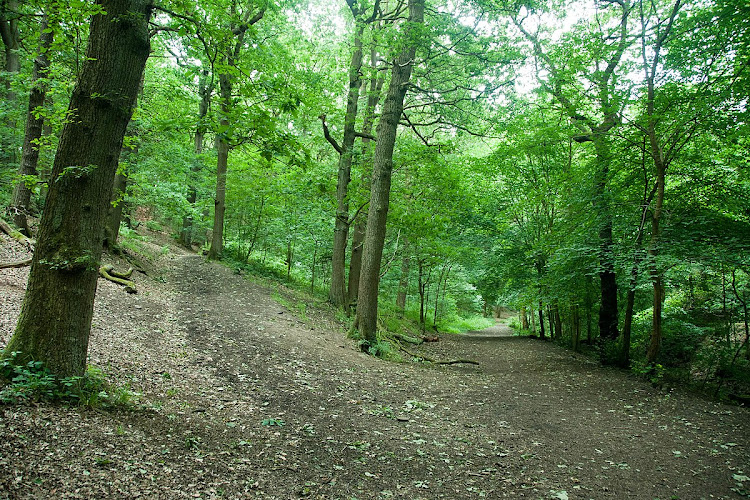
Northcliffe Park
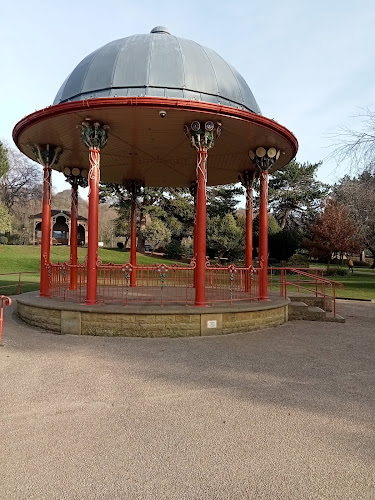
Roberts Park

Shipley Glen Tramway
Find Accommodations Nearby
Recommended Tours & Activities
Visitor Reviews
There are no reviews yet. Be the first one to write one.
Share Your Experience
Have you visited Salts Mill? Help other travelers by leaving a review.