Sabutan Dam
About Sabutan Dam
Description
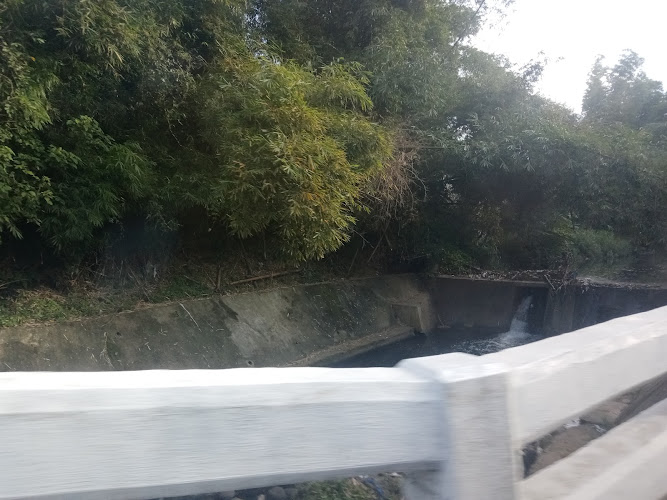
Tucked away in the quiet corners of Cavite, the Sabutan Dam is one of those places that you stumble upon and wonder why more people haven’t talked about it. It’s technically a weir—basically a small dam designed to control water flow—but there’s something oddly peaceful about it. The sound of rushing water, the sight of sunlight bouncing off the stream, and the cool breeze that brushes against your skin—it’s a little slice of calm in a world that never seems to slow down.
I remember the first time I came across Sabutan Dam. I wasn’t even planning to visit; I was just driving through Silang and saw a narrow road leading to what looked like a riverbank. Curiosity got the better of me (as it usually does), and before I knew it, I was standing there, watching the water cascade over the concrete wall. It wasn’t grand or touristy, but that’s what made it special. It felt real—like a place that locals quietly appreciated but didn’t feel the need to boast about.
The dam itself is part of a small-scale water management system, serving nearby communities for irrigation and flood control. But beyond its practical use, it’s become a favorite spot for locals looking to unwind. On weekends, you might see families setting up small picnics nearby or kids dipping their toes in the shallow parts of the stream. It’s not a commercialized attraction, which means you won’t find souvenir stalls or food trucks—but that’s precisely its charm.
There’s a raw, unfiltered beauty to Sabutan Dam. The surroundings are lush and green, especially after the rainy season when the vegetation thrives. Birds flit across the water, dragonflies hover lazily, and the air feels fresher—like nature pressing a reset button. If you’re a fan of photography, this place gives you plenty to work with: reflections on the water, the contrast of concrete and greenery, and that soft golden light in the late afternoon that makes everything look cinematic.
Now, to be fair, Sabutan Dam isn’t for everyone. If you’re expecting a big tourist attraction with guided tours and facilities, you might be disappointed. But if you enjoy quiet moments, scenic views, and a bit of off-the-beaten-path exploring, it’s a gem. It’s one of those places that rewards curiosity and patience. You don’t go there to be entertained—you go there to breathe, to think, or just to sit and listen to the water doing what it’s done for decades.
Key Features
- Type: Weir-style dam designed for irrigation and water flow control
- Setting: Surrounded by lush greenery and rural landscapes
- Atmosphere: Quiet, peaceful, and rarely crowded
- Photography: Ideal for nature and landscape shots, especially at sunrise or sunset
- Accessibility: Reachable by local roads, though some parts may be rough or unpaved
- Local Use: Supports nearby farms and communities with irrigation water
- Activities: Picnicking, casual walks, photography, and relaxation
Best Time to Visit
The best time to visit Sabutan Dam really depends on what you’re after. If you want to see the dam at its most picturesque, go right after the rainy season—around late October to December. The surrounding fields are green, the water flow is strong, and the air feels crisp. During the dry months, the water level drops a bit, but that’s when you can actually walk closer to the weir and explore the rocky edges.
I’ve been there both in the early morning and late afternoon, and honestly, both times have their magic. Mornings are quiet—you’ll probably have the place to yourself, with mist rising from the water and birds chirping like they’re greeting the day. In the late afternoon, the light turns golden and warm, perfect for photos or just sitting there watching the sun dip behind the trees. Avoid going right after heavy rains though; the roads can get muddy, and the current can be stronger than usual.
How to Get There
Getting to Sabutan Dam is relatively straightforward, though it does require a bit of local navigation. From the main town of Silang, you’ll need to follow the smaller barangay roads that lead toward Sabutan. The drive itself is part of the experience—passing through farmlands, small houses, and stretches of trees that make you forget how close you are to the city. A private car or motorcycle is the best option since public transport doesn’t go all the way to the site.
If you’re coming from Manila, expect about a two-hour drive depending on traffic. Once you’re in Cavite, use the local road signs or ask residents for directions—they’re usually friendly and more than willing to point you the right way. Just keep in mind that GPS might not always be accurate in rural areas, so a bit of old-school map reading or chatting with locals goes a long way.
Parking is informal; you’ll likely find a small clearing near the dam where you can safely leave your vehicle. Just make sure not to block any pathways or access points used by farmers or residents. And if you’re feeling adventurous, you can even walk part of the way—the rural scenery is worth the extra steps.
Tips for Visiting
Visiting Sabutan Dam is all about embracing simplicity. Here are a few tips to make your trip smoother and more enjoyable:
- Bring your own snacks and drinks. There aren’t any stores nearby, so pack light but smart. A bottle of water and some local snacks go a long way.
- Wear comfortable shoes. The paths can be uneven and slippery, especially after rain. Flip-flops might not cut it here.
- Respect the area. Remember, this isn’t a commercial tourist spot—it’s part of a working water system. Avoid littering and don’t climb on the structure.
- Check the weather. The dam looks its best under clear skies, but it’s also safer to visit when the water level isn’t too high.
- Talk to locals. They often have interesting stories about the dam’s history and how it supports their community. You might even get insider tips on nearby hidden spots.
- Bring a camera. Even a phone camera will do. The reflections, the textures, the play of light—it’s a photographer’s playground.
- Go early. Not just for the light, but also for the peace and quiet. You’ll get to experience the dam at its most serene before anyone else arrives.
One more thing—don’t rush through it. Sabutan Dam isn’t the kind of place you “do” in twenty minutes. Sit by the water, listen to the flow, maybe dip your feet if it’s safe. Let the moment stretch. There’s something deeply grounding about being in a place that doesn’t demand your attention but quietly earns it.
If you’ve been craving a bit of solitude or just need to unplug for a day, Sabutan Dam is a reminder that beauty doesn’t always need to be grand or famous. Sometimes, it’s just a concrete wall holding back a stream, surrounded by trees and sky—and somehow, that’s enough.
Key Features
- Key Features
- Best Time to Visit
- How to Get There
- Tips for Visiting
More Details
Updated November 9, 2025
Table of Contents
Description
Tucked away in the quiet corners of Cavite, the Sabutan Dam is one of those places that you stumble upon and wonder why more people haven’t talked about it. It’s technically a weir—basically a small dam designed to control water flow—but there’s something oddly peaceful about it. The sound of rushing water, the sight of sunlight bouncing off the stream, and the cool breeze that brushes against your skin—it’s a little slice of calm in a world that never seems to slow down.
I remember the first time I came across Sabutan Dam. I wasn’t even planning to visit; I was just driving through Silang and saw a narrow road leading to what looked like a riverbank. Curiosity got the better of me (as it usually does), and before I knew it, I was standing there, watching the water cascade over the concrete wall. It wasn’t grand or touristy, but that’s what made it special. It felt real—like a place that locals quietly appreciated but didn’t feel the need to boast about.
The dam itself is part of a small-scale water management system, serving nearby communities for irrigation and flood control. But beyond its practical use, it’s become a favorite spot for locals looking to unwind. On weekends, you might see families setting up small picnics nearby or kids dipping their toes in the shallow parts of the stream. It’s not a commercialized attraction, which means you won’t find souvenir stalls or food trucks—but that’s precisely its charm.
There’s a raw, unfiltered beauty to Sabutan Dam. The surroundings are lush and green, especially after the rainy season when the vegetation thrives. Birds flit across the water, dragonflies hover lazily, and the air feels fresher—like nature pressing a reset button. If you’re a fan of photography, this place gives you plenty to work with: reflections on the water, the contrast of concrete and greenery, and that soft golden light in the late afternoon that makes everything look cinematic.
Now, to be fair, Sabutan Dam isn’t for everyone. If you’re expecting a big tourist attraction with guided tours and facilities, you might be disappointed. But if you enjoy quiet moments, scenic views, and a bit of off-the-beaten-path exploring, it’s a gem. It’s one of those places that rewards curiosity and patience. You don’t go there to be entertained—you go there to breathe, to think, or just to sit and listen to the water doing what it’s done for decades.
Key Features
- Type: Weir-style dam designed for irrigation and water flow control
- Setting: Surrounded by lush greenery and rural landscapes
- Atmosphere: Quiet, peaceful, and rarely crowded
- Photography: Ideal for nature and landscape shots, especially at sunrise or sunset
- Accessibility: Reachable by local roads, though some parts may be rough or unpaved
- Local Use: Supports nearby farms and communities with irrigation water
- Activities: Picnicking, casual walks, photography, and relaxation
Best Time to Visit
The best time to visit Sabutan Dam really depends on what you’re after. If you want to see the dam at its most picturesque, go right after the rainy season—around late October to December. The surrounding fields are green, the water flow is strong, and the air feels crisp. During the dry months, the water level drops a bit, but that’s when you can actually walk closer to the weir and explore the rocky edges.
I’ve been there both in the early morning and late afternoon, and honestly, both times have their magic. Mornings are quiet—you’ll probably have the place to yourself, with mist rising from the water and birds chirping like they’re greeting the day. In the late afternoon, the light turns golden and warm, perfect for photos or just sitting there watching the sun dip behind the trees. Avoid going right after heavy rains though; the roads can get muddy, and the current can be stronger than usual.
How to Get There
Getting to Sabutan Dam is relatively straightforward, though it does require a bit of local navigation. From the main town of Silang, you’ll need to follow the smaller barangay roads that lead toward Sabutan. The drive itself is part of the experience—passing through farmlands, small houses, and stretches of trees that make you forget how close you are to the city. A private car or motorcycle is the best option since public transport doesn’t go all the way to the site.
If you’re coming from Manila, expect about a two-hour drive depending on traffic. Once you’re in Cavite, use the local road signs or ask residents for directions—they’re usually friendly and more than willing to point you the right way. Just keep in mind that GPS might not always be accurate in rural areas, so a bit of old-school map reading or chatting with locals goes a long way.
Parking is informal; you’ll likely find a small clearing near the dam where you can safely leave your vehicle. Just make sure not to block any pathways or access points used by farmers or residents. And if you’re feeling adventurous, you can even walk part of the way—the rural scenery is worth the extra steps.
Tips for Visiting
Visiting Sabutan Dam is all about embracing simplicity. Here are a few tips to make your trip smoother and more enjoyable:
- Bring your own snacks and drinks. There aren’t any stores nearby, so pack light but smart. A bottle of water and some local snacks go a long way.
- Wear comfortable shoes. The paths can be uneven and slippery, especially after rain. Flip-flops might not cut it here.
- Respect the area. Remember, this isn’t a commercial tourist spot—it’s part of a working water system. Avoid littering and don’t climb on the structure.
- Check the weather. The dam looks its best under clear skies, but it’s also safer to visit when the water level isn’t too high.
- Talk to locals. They often have interesting stories about the dam’s history and how it supports their community. You might even get insider tips on nearby hidden spots.
- Bring a camera. Even a phone camera will do. The reflections, the textures, the play of light—it’s a photographer’s playground.
- Go early. Not just for the light, but also for the peace and quiet. You’ll get to experience the dam at its most serene before anyone else arrives.
One more thing—don’t rush through it. Sabutan Dam isn’t the kind of place you “do” in twenty minutes. Sit by the water, listen to the flow, maybe dip your feet if it’s safe. Let the moment stretch. There’s something deeply grounding about being in a place that doesn’t demand your attention but quietly earns it.
If you’ve been craving a bit of solitude or just need to unplug for a day, Sabutan Dam is a reminder that beauty doesn’t always need to be grand or famous. Sometimes, it’s just a concrete wall holding back a stream, surrounded by trees and sky—and somehow, that’s enough.

Key Highlights
- Key Features
- Best Time to Visit
- How to Get There
- Tips for Visiting
Location
Places to Stay Near Sabutan Dam
Find and Book a Tour
Explore More Travel Guides
No reviews found! Be the first to review!
Traveler Reviews for Sabutan Dam
There are no reviews yet. Be the first one to write one.
Have you visited Sabutan Dam? Help other travelers by sharing your review.
Find Accommodations Nearby
Recommended Tours & Activities
Visitor Reviews
There are no reviews yet. Be the first one to write one.
Share Your Experience
Have you visited Sabutan Dam? Help other travelers by leaving a review.