
Ryhope Engines Museum
About Ryhope Engines Museum
Description
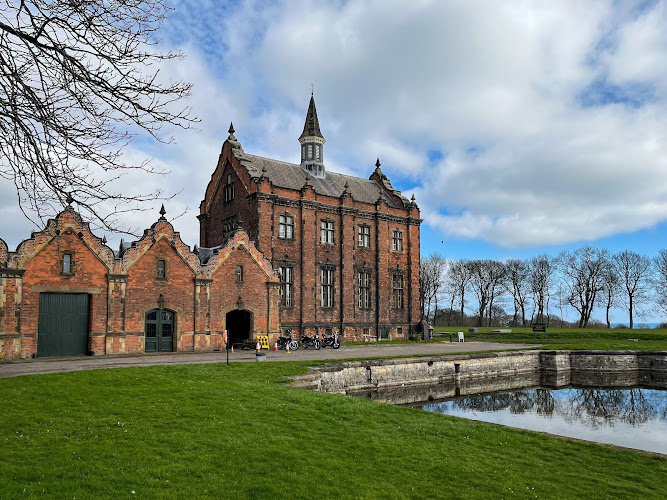
The Ryhope Engines Museum sits as a rare piece of industrial history in Ryhope, Sunderland, and anyone with even a passing interest in steam, Victorian engineering or the story of public water supply will feel immediately at home here. Housed in the preserved Victorian pumping station, the museum conserves two working 100HP beam engines that clank and breathe like living machines — not just static displays, but working powerhouses that tell the tale of how water was lifted and supplied in the 19th and early 20th centuries. It’s the kind of place where the past is audible; the thump and hiss of steam engines seems to rewrite the rhythm of the building each time they’re brought to life.
The building itself is attractive in that robust, no-nonsense nineteenth-century way: cast iron, brickwork, big windows, and the engine house with its clear, cavernous interior. It’s a listed, historic structure that has been rescued and lovingly maintained by a volunteer team who clearly care deeply about industrial heritage. That volunteer spirit is part of the charm — you don’t just see exhibits here, you meet people who can tell you the story behind every valve and piston. They explain things plainly, often with a bit of dry humour, and they’re actually keen for questions. That human touch turns an educational visit into something warmer and more memorable.
Inside, alongside the great beam engines, visitors will find displays about the engineering design, original boilers and ancillary equipment, and panels that explain the broader context: why a pumping station was so vital to a growing industrial city and how waterworks were run. The museum does a good job of balancing technical detail with accessible storytelling — so if someone’s not a steam nerd they won’t be left behind, but the enthusiasts get the juicy bits too: types of valves, Hawksley influences on design, and the maintenance routines that kept the engines running year after year.
Live demonstrations are the standout feature for many visitors. On selected open days the engines are steamed and operated, and there’s nothing quite like seeing those massive beams sweep up and down under power. The spectacle gives a visceral sense of scale and engineering skill; children especially tend to remember the noise and movement long after they’ve left. And yes, it can be loud — in a good way — so ear-sensitive visitors might find that advance warning useful.
Accessibility is handled thoughtfully. The site offers a wheelchair accessible entrance, parking, and restroom, making it easier for visitors with limited mobility to experience the museum. There aren’t large eateries on site — restrooms are available but there’s no restaurant — so plan ahead if a long visit is in the cards. On the plus side, the compact nature of the site means it rarely feels overwhelming: it’s possible to explore the main exhibits at a relaxed pace within a couple of hours, longer if events or guided tours are on.
Families tend to find the Ryhope Engines Museum a rewarding stop. It’s labeled as good for kids and most parents will appreciate exhibits that connect mechanical motion to real-world utility — water supply isn’t the flashiest subject, but when the machines are running it suddenly becomes dramatic and immediate. The museum also stages occasional themed events and activities aimed at younger visitors, so checking the calendar before a visit can turn a standard trip into something special for children.
There is, admittedly, a certain niche quality to the place. It’s not a slick, modern attraction with flashy interactive screens; it’s honest, hands-on and a touch old-fashioned. Some visitors will love that authenticity; others used to high-tech museums might find it a quieter experience. But for anyone touring North East England who wants a deeper slice of local industrial history — particularly the water and steam story of Sunderland — Ryhope Engines Museum is a standout. It captures a moment in time when engineering shaped daily life, and that story still resonates.
Practical-minded travelers will note that the museum runs on a mixture of organised open days, volunteer-led tours and special events. Because volunteers operate much of the site, opening times can be seasonal or limited to particular weekends and event days. But that’s part of the appeal: on those days when the engines are working and the guides are fired up, the atmosphere is almost festival-like among heritage fans. Visitors who time their trip to coincide with an engine demonstration will be rewarded with a theatrical, informative experience that’s hard to forget.
One lesser-known detail that adds texture to a visit: the museum keeps alive some of the lesser-told stories about the men and communities who worked there. Personal artefacts, photos and local records give a human face to the machinery. It’s not just about nuts and bolts; it’s about the people who kept the pumps running through cold winters and busy industrial years. A frequent visitor once mentioned that reading a single worker’s diary extract displayed in the engine house made the whole place feel very personal — that small, quiet connection often stays with visitors longer than any technical spec.
Finally, the Ryhope Engines Museum rewards curiosity. Those who wander, ask questions and linger by the engines come away with layered insights: the mechanical ingenuity, the social history, and the care shown by volunteers and staff. It’s a museum that quietly insists upon attention, and if someone gives it that attention they will leave with a fresh appreciation for how engineering shaped the urban landscape of Sunderland and beyond. And honestly, places like this are getting rarer; seeing working beam engines up close is the kind of experience that stays with you. So expect to walk away both impressed and oddly moved by a building that once simply pumped water and now pumps memories too.
Key Features
More Details
Updated August 29, 2025
Table of Contents
Description
The Ryhope Engines Museum sits as a rare piece of industrial history in Ryhope, Sunderland, and anyone with even a passing interest in steam, Victorian engineering or the story of public water supply will feel immediately at home here. Housed in the preserved Victorian pumping station, the museum conserves two working 100HP beam engines that clank and breathe like living machines — not just static displays, but working powerhouses that tell the tale of how water was lifted and supplied in the 19th and early 20th centuries. It’s the kind of place where the past is audible; the thump and hiss of steam engines seems to rewrite the rhythm of the building each time they’re brought to life.
The building itself is attractive in that robust, no-nonsense nineteenth-century way: cast iron, brickwork, big windows, and the engine house with its clear, cavernous interior. It’s a listed, historic structure that has been rescued and lovingly maintained by a volunteer team who clearly care deeply about industrial heritage. That volunteer spirit is part of the charm — you don’t just see exhibits here, you meet people who can tell you the story behind every valve and piston. They explain things plainly, often with a bit of dry humour, and they’re actually keen for questions. That human touch turns an educational visit into something warmer and more memorable.
Inside, alongside the great beam engines, visitors will find displays about the engineering design, original boilers and ancillary equipment, and panels that explain the broader context: why a pumping station was so vital to a growing industrial city and how waterworks were run. The museum does a good job of balancing technical detail with accessible storytelling — so if someone’s not a steam nerd they won’t be left behind, but the enthusiasts get the juicy bits too: types of valves, Hawksley influences on design, and the maintenance routines that kept the engines running year after year.
Live demonstrations are the standout feature for many visitors. On selected open days the engines are steamed and operated, and there’s nothing quite like seeing those massive beams sweep up and down under power. The spectacle gives a visceral sense of scale and engineering skill; children especially tend to remember the noise and movement long after they’ve left. And yes, it can be loud — in a good way — so ear-sensitive visitors might find that advance warning useful.
Accessibility is handled thoughtfully. The site offers a wheelchair accessible entrance, parking, and restroom, making it easier for visitors with limited mobility to experience the museum. There aren’t large eateries on site — restrooms are available but there’s no restaurant — so plan ahead if a long visit is in the cards. On the plus side, the compact nature of the site means it rarely feels overwhelming: it’s possible to explore the main exhibits at a relaxed pace within a couple of hours, longer if events or guided tours are on.
Families tend to find the Ryhope Engines Museum a rewarding stop. It’s labeled as good for kids and most parents will appreciate exhibits that connect mechanical motion to real-world utility — water supply isn’t the flashiest subject, but when the machines are running it suddenly becomes dramatic and immediate. The museum also stages occasional themed events and activities aimed at younger visitors, so checking the calendar before a visit can turn a standard trip into something special for children.
There is, admittedly, a certain niche quality to the place. It’s not a slick, modern attraction with flashy interactive screens; it’s honest, hands-on and a touch old-fashioned. Some visitors will love that authenticity; others used to high-tech museums might find it a quieter experience. But for anyone touring North East England who wants a deeper slice of local industrial history — particularly the water and steam story of Sunderland — Ryhope Engines Museum is a standout. It captures a moment in time when engineering shaped daily life, and that story still resonates.
Practical-minded travelers will note that the museum runs on a mixture of organised open days, volunteer-led tours and special events. Because volunteers operate much of the site, opening times can be seasonal or limited to particular weekends and event days. But that’s part of the appeal: on those days when the engines are working and the guides are fired up, the atmosphere is almost festival-like among heritage fans. Visitors who time their trip to coincide with an engine demonstration will be rewarded with a theatrical, informative experience that’s hard to forget.
One lesser-known detail that adds texture to a visit: the museum keeps alive some of the lesser-told stories about the men and communities who worked there. Personal artefacts, photos and local records give a human face to the machinery. It’s not just about nuts and bolts; it’s about the people who kept the pumps running through cold winters and busy industrial years. A frequent visitor once mentioned that reading a single worker’s diary extract displayed in the engine house made the whole place feel very personal — that small, quiet connection often stays with visitors longer than any technical spec.
Finally, the Ryhope Engines Museum rewards curiosity. Those who wander, ask questions and linger by the engines come away with layered insights: the mechanical ingenuity, the social history, and the care shown by volunteers and staff. It’s a museum that quietly insists upon attention, and if someone gives it that attention they will leave with a fresh appreciation for how engineering shaped the urban landscape of Sunderland and beyond. And honestly, places like this are getting rarer; seeing working beam engines up close is the kind of experience that stays with you. So expect to walk away both impressed and oddly moved by a building that once simply pumped water and now pumps memories too.
Key Highlights
Ryhope Engines Museum
Location
Places to Stay Near Ryhope Engines Museum
Find and Book a Tour
Explore More Travel Guides
No reviews found! Be the first to review!
Traveler Reviews for Ryhope Engines Museum
There are no reviews yet. Be the first one to write one.
Have you visited Ryhope Engines Museum? Help other travelers by sharing your review.
You Might Also Like

Roker Park
Barnes Park

Fans Museum
Find Accommodations Nearby
Recommended Tours & Activities
Visitor Reviews
There are no reviews yet. Be the first one to write one.
Share Your Experience
Have you visited Ryhope Engines Museum? Help other travelers by leaving a review.