Royal Alcázar of Seville
About Royal Alcázar of Seville
Description
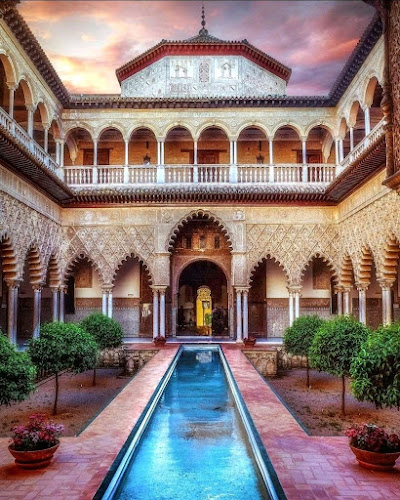
The Royal Alcázar of Seville is one of those places that just stays with you long after you’ve left. It’s not just a palace; it’s a living, breathing piece of history that’s been shaped by centuries of rulers, artists, and dreamers. You walk through its gates and suddenly you’re in another world—arches that seem to whisper Moorish tales, courtyards that shimmer with Andalusian sunlight, and gardens so lush that you might forget you’re in the heart of a bustling city. Honestly, the first time standing in the Patio de las Doncellas, I couldn’t decide whether to take photos or just stand there like a fool, soaking it all in. The craftsmanship is unreal—every tile, every carved ceiling, every fountain seems to have its own soul.
Built originally by the Muslim rulers in the 10th century, the Alcázar has been expanded and reimagined by Christian monarchs over the centuries, giving it that unique blend of Islamic, Gothic, Renaissance, and Baroque styles. You can almost sense the layers of history pressing against one another. One moment you’re admiring intricate Arabic calligraphy, and the next you’re standing beneath a Renaissance dome fit for a royal wedding. And it’s still used by Spain’s royal family when they visit Seville, which makes it Europe’s oldest royal palace still in use. That’s not just trivia—it’s a reminder that this place isn’t just a museum; it’s alive.
Now, it’s not all perfect. Sometimes the crowds can be a bit much, especially in the high season. And yes, the lines can stretch longer than you’d hope. But once you’re inside, the noise fades behind those ancient walls, replaced by the sound of trickling fountains and birds flitting through orange trees. The Alcázar has a way of making you slow down, breathe, and just be present. It’s that rare kind of beauty that doesn’t need filters or fancy words—it just is.
Key Features
- Architectural Fusion: A stunning mix of Moorish, Gothic, Renaissance, and Baroque influences that reflect centuries of cultural evolution.
- Patio de las Doncellas: The heart of the palace, featuring an elegant reflecting pool, ornate arches, and intricate tilework that feels almost dreamlike.
- Gardens: Expansive and fragrant, dotted with fountains, pavilions, and peacocks that wander about like they own the place.
- Ambassador’s Hall: A jaw-dropping chamber with a golden dome ceiling that once hosted royal ceremonies and diplomatic meetings.
- Tile Artistry: Thousands of azulejos (ceramic tiles) that tell stories of faith, power, and artistry in every shade of blue and green imaginable.
- Underground Baths of María de Padilla: Mysterious vaulted chambers that feel like stepping into a legend.
- Audio Guides: Available for those who want to dive deeper into the palace’s layered history at their own pace.
- Accessibility: Wheelchair-accessible entrances and pathways ensure that everyone can experience the magic of the Alcázar.
- Family-Friendly: Kids often love exploring the gardens and spotting the peacocks—plus, there’s plenty of shade for a comfortable visit.
- Payment Options: Credit cards, debit cards, and NFC mobile payments accepted for convenience.
Best Time to Visit
Timing your visit to the Royal Alcázar can make a world of difference. Spring (March to May) is hands-down my favorite time—the orange trees are in bloom, and the air smells faintly sweet, like nature’s own perfume. The weather is warm but not scorching, so you can actually enjoy wandering through the gardens without melting. Autumn (September to November) is another good window when the crowds thin out a bit, and the golden light gives the palace an almost cinematic glow.
Summer, though, can be intense. Seville’s heat doesn’t play around—it can easily hit 40°C (104°F). If that’s when you’re going, aim for early mornings or late afternoons. The palace opens around 9:30 AM, and those first few hours are pure magic before the tour groups arrive. Winter is quieter and cooler, which means fewer lines and more time to linger. You might even get lucky with a sunny day that makes the tiles sparkle like they’ve been freshly painted.
Honestly, no matter when you go, the Alcázar has its own mood. In spring, it’s lively and fragrant; in winter, it feels more introspective, almost solemn. It’s worth experiencing both if you ever get the chance.
How to Get There
Getting to the Royal Alcázar is pretty straightforward, especially if you’re staying in Seville’s historic center. The palace sits right in the heart of the old quarter, surrounded by narrow cobblestone streets and classic Andalusian architecture. If you’re coming from the train station, a short taxi or tram ride will do the trick. There’s also a network of local buses that stop nearby, and walking is often the best option if you’re already exploring the city’s main attractions like the Seville Cathedral or Plaza de España—they’re all within comfortable walking distance.
Now, if you’re driving, there’s paid parking available nearby, but honestly, navigating Seville’s old town by car can be a bit of an adventure (and not always the fun kind). The streets are tight, and parking spots disappear faster than tapas at happy hour. Public transport or walking saves you the headache. And if you’re feeling fancy, some visitors even arrive by horse-drawn carriage—it’s touristy, sure, but there’s something charming about clip-clopping through history like that.
For those with accessibility needs, the palace does a commendable job. Entrances are wheelchair-friendly, and many of the main areas are accessible, though some older sections might have uneven flooring. Still, the staff are usually helpful and accommodating, which makes the experience smoother.
Tips for Visiting
Alright, here’s the part that can really make or break your visit—planning smart. First off, buy your tickets in advance. Seriously. The lines can get long, especially during peak season, and there’s no reason to waste precious sightseeing time standing in the sun. Online tickets let you skip the queue and head straight in. If you’re into history (or just like knowing the juicy backstories), grab the audio guide. It’s surprisingly engaging and adds so much context—you’ll start noticing details that most people walk right past.
Try to arrive early in the day or later in the afternoon. Midday tends to be the busiest, and the light is harsher for photos. Morning light, on the other hand, makes the tiles gleam and the gardens glow softly. Bring water and wear comfortable shoes; the grounds are bigger than they look. And if you’re traveling with kids, the gardens are a lifesaver—they can run around while you take a breather under the orange trees.
Photography-wise, you’ll want to bring a camera or a phone with a good lens. Every corner begs to be photographed, but don’t forget to put the camera down sometimes. There’s something special about just standing still and listening to the fountains. That’s when the Alcázar really speaks to you. Also, keep an eye out for the peacocks—they’re practically celebrities here, strutting around like they own the place (and, honestly, they kind of do).
One thing I wish I’d known on my first visit: the underground Baths of María de Padilla are easy to miss if you’re not paying attention. They’re tucked away but absolutely worth finding. The reflection of the arches in the still water is pure magic—one of those sights that makes you whisper “wow” without meaning to. And if you’re a fan of film or TV, you might recognize parts of the Alcázar from popular series and movies. It’s surreal seeing those scenes come to life right in front of you.
Lastly, be patient. The Alcázar isn’t a place to rush through. Let yourself get lost in its corridors, linger in the courtyards, and take your time in the gardens. It’s more than just a tourist attraction—it’s a story told in stone, water, and light. And once you’ve seen it, you’ll understand why so many travelers say it’s one of the most breathtaking places in Spain. Even after all these years, I still think about those golden ceilings and sun-dappled walls—it’s the kind of beauty that sticks with you, quietly, in the best way possible.
Key Features
- Key Features
- Best Time to Visit
- How to Get There
- Tips for Visiting
More Details
Updated November 7, 2025
Table of Contents
Description
The Royal Alcázar of Seville is one of those places that just stays with you long after you’ve left. It’s not just a palace; it’s a living, breathing piece of history that’s been shaped by centuries of rulers, artists, and dreamers. You walk through its gates and suddenly you’re in another world—arches that seem to whisper Moorish tales, courtyards that shimmer with Andalusian sunlight, and gardens so lush that you might forget you’re in the heart of a bustling city. Honestly, the first time standing in the Patio de las Doncellas, I couldn’t decide whether to take photos or just stand there like a fool, soaking it all in. The craftsmanship is unreal—every tile, every carved ceiling, every fountain seems to have its own soul.
Built originally by the Muslim rulers in the 10th century, the Alcázar has been expanded and reimagined by Christian monarchs over the centuries, giving it that unique blend of Islamic, Gothic, Renaissance, and Baroque styles. You can almost sense the layers of history pressing against one another. One moment you’re admiring intricate Arabic calligraphy, and the next you’re standing beneath a Renaissance dome fit for a royal wedding. And it’s still used by Spain’s royal family when they visit Seville, which makes it Europe’s oldest royal palace still in use. That’s not just trivia—it’s a reminder that this place isn’t just a museum; it’s alive.
Now, it’s not all perfect. Sometimes the crowds can be a bit much, especially in the high season. And yes, the lines can stretch longer than you’d hope. But once you’re inside, the noise fades behind those ancient walls, replaced by the sound of trickling fountains and birds flitting through orange trees. The Alcázar has a way of making you slow down, breathe, and just be present. It’s that rare kind of beauty that doesn’t need filters or fancy words—it just is.
Key Features
- Architectural Fusion: A stunning mix of Moorish, Gothic, Renaissance, and Baroque influences that reflect centuries of cultural evolution.
- Patio de las Doncellas: The heart of the palace, featuring an elegant reflecting pool, ornate arches, and intricate tilework that feels almost dreamlike.
- Gardens: Expansive and fragrant, dotted with fountains, pavilions, and peacocks that wander about like they own the place.
- Ambassador’s Hall: A jaw-dropping chamber with a golden dome ceiling that once hosted royal ceremonies and diplomatic meetings.
- Tile Artistry: Thousands of azulejos (ceramic tiles) that tell stories of faith, power, and artistry in every shade of blue and green imaginable.
- Underground Baths of María de Padilla: Mysterious vaulted chambers that feel like stepping into a legend.
- Audio Guides: Available for those who want to dive deeper into the palace’s layered history at their own pace.
- Accessibility: Wheelchair-accessible entrances and pathways ensure that everyone can experience the magic of the Alcázar.
- Family-Friendly: Kids often love exploring the gardens and spotting the peacocks—plus, there’s plenty of shade for a comfortable visit.
- Payment Options: Credit cards, debit cards, and NFC mobile payments accepted for convenience.
Best Time to Visit
Timing your visit to the Royal Alcázar can make a world of difference. Spring (March to May) is hands-down my favorite time—the orange trees are in bloom, and the air smells faintly sweet, like nature’s own perfume. The weather is warm but not scorching, so you can actually enjoy wandering through the gardens without melting. Autumn (September to November) is another good window when the crowds thin out a bit, and the golden light gives the palace an almost cinematic glow.
Summer, though, can be intense. Seville’s heat doesn’t play around—it can easily hit 40°C (104°F). If that’s when you’re going, aim for early mornings or late afternoons. The palace opens around 9:30 AM, and those first few hours are pure magic before the tour groups arrive. Winter is quieter and cooler, which means fewer lines and more time to linger. You might even get lucky with a sunny day that makes the tiles sparkle like they’ve been freshly painted.
Honestly, no matter when you go, the Alcázar has its own mood. In spring, it’s lively and fragrant; in winter, it feels more introspective, almost solemn. It’s worth experiencing both if you ever get the chance.
How to Get There
Getting to the Royal Alcázar is pretty straightforward, especially if you’re staying in Seville’s historic center. The palace sits right in the heart of the old quarter, surrounded by narrow cobblestone streets and classic Andalusian architecture. If you’re coming from the train station, a short taxi or tram ride will do the trick. There’s also a network of local buses that stop nearby, and walking is often the best option if you’re already exploring the city’s main attractions like the Seville Cathedral or Plaza de España—they’re all within comfortable walking distance.
Now, if you’re driving, there’s paid parking available nearby, but honestly, navigating Seville’s old town by car can be a bit of an adventure (and not always the fun kind). The streets are tight, and parking spots disappear faster than tapas at happy hour. Public transport or walking saves you the headache. And if you’re feeling fancy, some visitors even arrive by horse-drawn carriage—it’s touristy, sure, but there’s something charming about clip-clopping through history like that.
For those with accessibility needs, the palace does a commendable job. Entrances are wheelchair-friendly, and many of the main areas are accessible, though some older sections might have uneven flooring. Still, the staff are usually helpful and accommodating, which makes the experience smoother.
Tips for Visiting
Alright, here’s the part that can really make or break your visit—planning smart. First off, buy your tickets in advance. Seriously. The lines can get long, especially during peak season, and there’s no reason to waste precious sightseeing time standing in the sun. Online tickets let you skip the queue and head straight in. If you’re into history (or just like knowing the juicy backstories), grab the audio guide. It’s surprisingly engaging and adds so much context—you’ll start noticing details that most people walk right past.
Try to arrive early in the day or later in the afternoon. Midday tends to be the busiest, and the light is harsher for photos. Morning light, on the other hand, makes the tiles gleam and the gardens glow softly. Bring water and wear comfortable shoes; the grounds are bigger than they look. And if you’re traveling with kids, the gardens are a lifesaver—they can run around while you take a breather under the orange trees.
Photography-wise, you’ll want to bring a camera or a phone with a good lens. Every corner begs to be photographed, but don’t forget to put the camera down sometimes. There’s something special about just standing still and listening to the fountains. That’s when the Alcázar really speaks to you. Also, keep an eye out for the peacocks—they’re practically celebrities here, strutting around like they own the place (and, honestly, they kind of do).
One thing I wish I’d known on my first visit: the underground Baths of María de Padilla are easy to miss if you’re not paying attention. They’re tucked away but absolutely worth finding. The reflection of the arches in the still water is pure magic—one of those sights that makes you whisper “wow” without meaning to. And if you’re a fan of film or TV, you might recognize parts of the Alcázar from popular series and movies. It’s surreal seeing those scenes come to life right in front of you.
Lastly, be patient. The Alcázar isn’t a place to rush through. Let yourself get lost in its corridors, linger in the courtyards, and take your time in the gardens. It’s more than just a tourist attraction—it’s a story told in stone, water, and light. And once you’ve seen it, you’ll understand why so many travelers say it’s one of the most breathtaking places in Spain. Even after all these years, I still think about those golden ceilings and sun-dappled walls—it’s the kind of beauty that sticks with you, quietly, in the best way possible.

Key Highlights
- Key Features
- Best Time to Visit
- How to Get There
- Tips for Visiting
Location
Places to Stay Near Royal Alcázar of Seville
Find and Book a Tour
Explore More Travel Guides
No reviews found! Be the first to review!
Traveler Reviews for Royal Alcázar of Seville
There are no reviews yet. Be the first one to write one.
Have you visited Royal Alcázar of Seville? Help other travelers by sharing your review.
Find Accommodations Nearby
Recommended Tours & Activities
Visitor Reviews
There are no reviews yet. Be the first one to write one.
Share Your Experience
Have you visited Royal Alcázar of Seville? Help other travelers by leaving a review.