
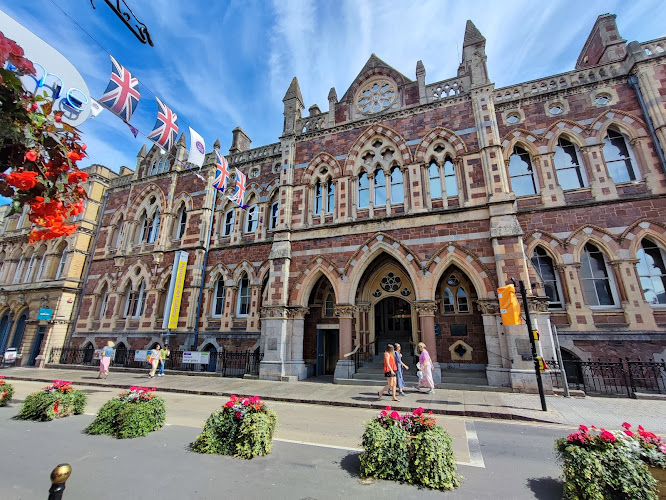
Royal Albert Memorial Museum and Art Gallery
About Royal Albert Memorial Museum and Art Gallery
Description
The Royal Albert Memorial Museum and Art Gallery, often simply called RAMM, is one of those places that feels like it’s been quietly holding the stories of the world for centuries. Housed in a striking Victorian Gothic Revival building, it manages to look both ornate and welcoming at the same time. Inside, the atmosphere shifts from grand and scholarly to surprisingly personal, as the galleries weave together art, archaeology, anthropology, and natural history. You’ll find everything from ancient Roman coins dug up in Devon to vivid paintings by British masters, and even a giraffe towering over visitors in the natural history section.
What makes RAMM stand out isn’t just the scale of its collections, but the way it balances global treasures with local heritage. It’s not the sort of museum where you feel lost in endless corridors of glass cases. Instead, it’s curated with a sense of storytelling that helps you connect to the objects, whether it’s a delicate piece of lace from Exeter’s textile history or an artifact brought back by explorers centuries ago. The museum is well-loved by many, though like any cultural space, it has its critics who might find certain displays dated or the layout a bit confusing. Still, most visitors leave with a sense of awe and appreciation for the sheer variety on show.
And let’s not overlook the building itself. Even if you weren’t planning to step inside, the exterior is worth pausing for. The Gothic arches, stone carvings, and overall grandeur make it one of Exeter’s architectural gems. Personally, I’ve always thought places like this are as much about the atmosphere as the exhibits – you’re not just looking at objects, you’re walking through history itself.
Key Features
- A collection spanning over 8,000 works of art, from Renaissance paintings to modern British pieces
- Extensive ethnographic displays showcasing world cultures, including items from Africa, Asia, and the Americas
- Natural history galleries featuring taxidermy, fossils, and geological specimens
- Interactive exhibits designed with children and families in mind
- A café serving light meals and coffee, perfect for a break mid-visit
- Free Wi-Fi and modern amenities, including gender-neutral and wheelchair-accessible restrooms
- Accessibility throughout the museum with ramps, lifts, and wheelchair-friendly spaces
- Temporary exhibitions and events that bring fresh perspectives and contemporary art into the mix
Best Time to Visit
If you’re the kind of traveler who prefers a quiet wander without bumping elbows, weekdays in the late morning tend to be the sweet spot. The museum can get busier during weekends and school holidays, especially around the family-friendly exhibits. Personally, I love visiting in autumn – there’s something about the crisp air outside and the warm, slightly hushed atmosphere inside that makes the experience feel extra special. If you’re hoping to catch one of the rotating exhibitions, it’s worth checking the schedule in advance, as they can be a real highlight.
Summer brings more tourists, of course, but it also means longer daylight hours, so you can pair the museum with a stroll around Exeter’s historic center. And if you’re into photography, the low winter light streaming through the tall windows adds a dramatic touch to the galleries.
How to Get There
Reaching the museum is straightforward, especially if you’re already exploring Exeter. It sits within walking distance of the main shopping streets and isn’t far from the train station, making it easy to include in a day trip. For those driving, there are paid parking options nearby – both street parking and designated lots. I’ll admit, parking in Exeter can be a bit of a headache during peak times, so if you can, I’d suggest using public transport. Buses stop close by, and the walk from the station is pleasant enough, especially if you enjoy poking around the city’s side streets along the way.
Cycling is another option if you’re staying locally. Exeter has been improving its cycle routes, and there are racks near the museum where you can safely leave your bike.
Tips for Visiting
First and foremost, give yourself enough time. What looks like a medium-sized museum from the outside actually unfolds into a labyrinth of galleries inside. I once thought I could “pop in for an hour” and ended up staying for nearly three because I kept getting drawn into new sections. So, plan at least half a day if you want to see it properly without rushing.
Wear comfortable shoes – the floors are solid and you’ll be on your feet a lot. The café is a good pit stop, but if you’re on a budget, you might want to bring a snack and enjoy it outside in one of Exeter’s nearby green spaces. Families will appreciate the interactive exhibits, but be prepared for the occasional crowd of excited school groups. If you’re traveling with kids, the museum is a lifesaver on a rainy day, offering both education and entertainment under one roof.
Photography is allowed in most areas, though always check the signage, especially around temporary exhibitions. And don’t skip the smaller side galleries – some of the most fascinating finds, like intricate local crafts or quirky Victorian curiosities, are tucked away there. Lastly, remember to look up. The ceilings and architectural details are as much a part of the experience as the displays themselves.
For travelers who like to collect experiences rather than souvenirs, RAMM is one of those places that quietly lingers in your memory. It’s not just about what you see, but how it makes you feel connected – to Exeter, to history, and to the wider world.
Key Features
- A collection spanning over 8,000 works of art, from Renaissance paintings to modern British pieces
- Extensive ethnographic displays showcasing world cultures, including items from Africa, Asia, and the Americas
- Natural history galleries featuring taxidermy, fossils, and geological specimens
- Interactive exhibits designed with children and families in mind
- A café serving light meals and coffee, perfect for a break mid-visit
- Free Wi-Fi and modern amenities, including gender-neutral and wheelchair-accessible restrooms
- Accessibility throughout the museum with ramps, lifts, and wheelchair-friendly spaces
- Temporary exhibitions and events that bring fresh perspectives and contemporary art into the mix
More Details
Updated September 9, 2025
Table of Contents
- Description
- Key Features
- Best Time to Visit
- How to Get There
- Tips for Visiting
- Key Highlights
- Location
- Places to Stay Near Royal Albert Memorial Museum and Art Gallery
- Find and Book a Tour
- Explore More Travel Guides
- Nearby Places You Might Like
- Traveler Reviews for Royal Albert Memorial Museum and Art Gallery
- Share Your Experience
Description
The Royal Albert Memorial Museum and Art Gallery, often simply called RAMM, is one of those places that feels like it’s been quietly holding the stories of the world for centuries. Housed in a striking Victorian Gothic Revival building, it manages to look both ornate and welcoming at the same time. Inside, the atmosphere shifts from grand and scholarly to surprisingly personal, as the galleries weave together art, archaeology, anthropology, and natural history. You’ll find everything from ancient Roman coins dug up in Devon to vivid paintings by British masters, and even a giraffe towering over visitors in the natural history section.
What makes RAMM stand out isn’t just the scale of its collections, but the way it balances global treasures with local heritage. It’s not the sort of museum where you feel lost in endless corridors of glass cases. Instead, it’s curated with a sense of storytelling that helps you connect to the objects, whether it’s a delicate piece of lace from Exeter’s textile history or an artifact brought back by explorers centuries ago. The museum is well-loved by many, though like any cultural space, it has its critics who might find certain displays dated or the layout a bit confusing. Still, most visitors leave with a sense of awe and appreciation for the sheer variety on show.
And let’s not overlook the building itself. Even if you weren’t planning to step inside, the exterior is worth pausing for. The Gothic arches, stone carvings, and overall grandeur make it one of Exeter’s architectural gems. Personally, I’ve always thought places like this are as much about the atmosphere as the exhibits – you’re not just looking at objects, you’re walking through history itself.
Key Features
- A collection spanning over 8,000 works of art, from Renaissance paintings to modern British pieces
- Extensive ethnographic displays showcasing world cultures, including items from Africa, Asia, and the Americas
- Natural history galleries featuring taxidermy, fossils, and geological specimens
- Interactive exhibits designed with children and families in mind
- A café serving light meals and coffee, perfect for a break mid-visit
- Free Wi-Fi and modern amenities, including gender-neutral and wheelchair-accessible restrooms
- Accessibility throughout the museum with ramps, lifts, and wheelchair-friendly spaces
- Temporary exhibitions and events that bring fresh perspectives and contemporary art into the mix
Best Time to Visit
If you’re the kind of traveler who prefers a quiet wander without bumping elbows, weekdays in the late morning tend to be the sweet spot. The museum can get busier during weekends and school holidays, especially around the family-friendly exhibits. Personally, I love visiting in autumn – there’s something about the crisp air outside and the warm, slightly hushed atmosphere inside that makes the experience feel extra special. If you’re hoping to catch one of the rotating exhibitions, it’s worth checking the schedule in advance, as they can be a real highlight.
Summer brings more tourists, of course, but it also means longer daylight hours, so you can pair the museum with a stroll around Exeter’s historic center. And if you’re into photography, the low winter light streaming through the tall windows adds a dramatic touch to the galleries.
How to Get There
Reaching the museum is straightforward, especially if you’re already exploring Exeter. It sits within walking distance of the main shopping streets and isn’t far from the train station, making it easy to include in a day trip. For those driving, there are paid parking options nearby – both street parking and designated lots. I’ll admit, parking in Exeter can be a bit of a headache during peak times, so if you can, I’d suggest using public transport. Buses stop close by, and the walk from the station is pleasant enough, especially if you enjoy poking around the city’s side streets along the way.
Cycling is another option if you’re staying locally. Exeter has been improving its cycle routes, and there are racks near the museum where you can safely leave your bike.
Tips for Visiting
First and foremost, give yourself enough time. What looks like a medium-sized museum from the outside actually unfolds into a labyrinth of galleries inside. I once thought I could “pop in for an hour” and ended up staying for nearly three because I kept getting drawn into new sections. So, plan at least half a day if you want to see it properly without rushing.
Wear comfortable shoes – the floors are solid and you’ll be on your feet a lot. The café is a good pit stop, but if you’re on a budget, you might want to bring a snack and enjoy it outside in one of Exeter’s nearby green spaces. Families will appreciate the interactive exhibits, but be prepared for the occasional crowd of excited school groups. If you’re traveling with kids, the museum is a lifesaver on a rainy day, offering both education and entertainment under one roof.
Photography is allowed in most areas, though always check the signage, especially around temporary exhibitions. And don’t skip the smaller side galleries – some of the most fascinating finds, like intricate local crafts or quirky Victorian curiosities, are tucked away there. Lastly, remember to look up. The ceilings and architectural details are as much a part of the experience as the displays themselves.
For travelers who like to collect experiences rather than souvenirs, RAMM is one of those places that quietly lingers in your memory. It’s not just about what you see, but how it makes you feel connected – to Exeter, to history, and to the wider world.
Key Highlights
- A collection spanning over 8,000 works of art, from Renaissance paintings to modern British pieces
- Extensive ethnographic displays showcasing world cultures, including items from Africa, Asia, and the Americas
- Natural history galleries featuring taxidermy, fossils, and geological specimens
- Interactive exhibits designed with children and families in mind
- A café serving light meals and coffee, perfect for a break mid-visit
- Free Wi-Fi and modern amenities, including gender-neutral and wheelchair-accessible restrooms
- Accessibility throughout the museum with ramps, lifts, and wheelchair-friendly spaces
- Temporary exhibitions and events that bring fresh perspectives and contemporary art into the mix
Location
Places to Stay Near Royal Albert Memorial Museum and Art Gallery
Find and Book a Tour
Explore More Travel Guides
No reviews found! Be the first to review!
Traveler Reviews for Royal Albert Memorial Museum and Art Gallery
There are no reviews yet. Be the first one to write one.
Have you visited Royal Albert Memorial Museum and Art Gallery? Help other travelers by sharing your review.
You Might Also Like
Killerton House
Custom House Visitor Centre

Crealy Theme Park & Resort
Find Accommodations Nearby
Recommended Tours & Activities
Visitor Reviews
There are no reviews yet. Be the first one to write one.
Share Your Experience
Have you visited Royal Albert Memorial Museum and Art Gallery? Help other travelers by leaving a review.