
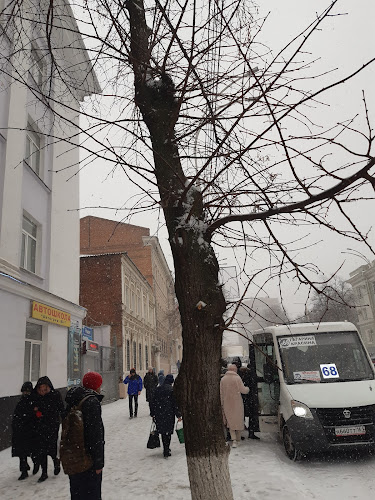
Rostov Oblast
About Rostov Oblast
Rostov Oblast sits in the southern stretch of Russia, right where the Don River winds its way toward the Sea of Azov. It’s a place that feels both ancient and alive, where Cossack legends meet the hum of modern city life. Covering more than 100,000 square kilometers, it’s not small by any means — yet what really defines it is the warmth of the people and the quiet pride they take in their land. The region’s population of over four million gives it a lively, grounded energy, but it never feels overwhelming. There’s space to breathe, to wander, and to discover corners untouched by the usual tourist rush.
Now, I’ll be honest — Rostov Oblast isn’t the first name that pops up when travelers think of Russia. But that’s exactly what makes it worth visiting. You don’t come here to tick off postcard clichés. You come to feel the pulse of the Don, to taste the local wine (yes, there’s real winemaking here!), and to hear stories from locals who’ve lived through the region’s fascinating layers of history — from Cossack settlements to Soviet industry to today’s emerging cultural scene. The oblast’s capital, Rostov-on-Don, is often called the “Gateway to the Caucasus,” and it’s got this mix of southern charm and cosmopolitan spirit that’s hard to pin down but easy to love.
Outside the city, the landscape opens up into rolling steppe, dotted with sunflower fields that seem to stretch forever. It’s the kind of scenery that makes you want to pull over, sit on the hood of your car, and just watch the wind ripple through the grass. And if you’re a history buff, you’ll find no shortage of places to explore — ancient burial mounds, old fortresses, and museums that tell the story of the Don Cossacks, those fierce horsemen who once defended Russia’s southern borders.
Key Features
- Rich Cossack Heritage: The Don Cossacks are at the heart of Rostov’s identity. Their traditions, music, and cuisine still shape the region’s culture today.
- Rostov-on-Don: A thriving city with theaters, art galleries, and a lively riverfront promenade that comes alive on summer evenings.
- Natural Beauty: From the Don River to the Azov coast, the oblast offers a surprising range of landscapes — steppe, river valleys, and wetlands teeming with birdlife.
- Local Cuisine: Expect hearty southern Russian dishes — think fish soup (ukha), stuffed peppers, and homemade wines that rival European blends.
- Historical Landmarks: Ancient fortresses, Orthodox monasteries, and Soviet-era monuments dot the region, each telling a piece of the story.
- Warm Hospitality: Locals are known for their openness and humor — don’t be surprised if you’re invited to a family dinner after a short chat.
Best Time to Visit
Timing really matters here. The best months to visit Rostov Oblast are from May to September, when the weather is warm but not sweltering. Spring paints the steppe with wildflowers, and summer brings long golden days perfect for river cruises or vineyard visits. Personally, I love late summer — August, especially — when the markets overflow with watermelons, melons, and tomatoes that taste like sunshine. Autumn has its own charm too; the air gets crisp, and the Don River shimmers under a softer light. Winter can be cold, sure, but if you don’t mind bundling up, you’ll find a special kind of quiet beauty and fewer crowds.
How to Get There
Getting to Rostov Oblast is easier than most people think. The main gateway is Rostov-on-Don, which has an international airport connecting to Moscow, St. Petersburg, and several European cities. If you’re already in Russia, the train is a great option — the journey from Moscow takes around 14 hours, and it’s one of those experiences where you can watch the landscape shift from forests to open plains. Buses also run from nearby regions, and once you’re in the oblast, renting a car gives you the freedom to explore smaller towns like Taganrog or Azov at your own pace.
For those who love a bit of adventure, driving along the Don River route is a treat. The roads are generally in good condition, though you might hit a few bumpy patches in rural areas — but that’s part of the fun. And if you’re the type who enjoys slow travel, consider taking a river cruise that passes through Rostov-on-Don; it’s a different perspective entirely, seeing the city rise from the water like a story unfolding.
Tips for Visiting
First things first: learn a few Russian phrases. While many younger locals speak some English, a simple “spasibo” (thank you) goes a long way. People here appreciate the effort, and it often leads to warmer interactions — sometimes even homemade snacks or a glass of local wine offered in return.
Dress for the weather, especially if you’re visiting rural areas. Summers can be hot, and the sun is strong, so sunscreen and a hat are your best friends. Winters, on the other hand, can be sharp and windy, especially near the river. Layers are key. If you plan to visit monasteries or churches, modest clothing is expected — nothing too revealing, and women might want to bring a scarf for head covering.
One thing I wish someone had told me earlier: cash is still king in many small towns. While cards are accepted in most urban spots, smaller cafés and markets often prefer cash. ATMs are easy to find in cities but can be scarce in rural areas, so plan ahead.
Food-wise, you’re in for a treat. Try the local fish dishes — especially anything made with the Don River’s catch. And don’t skip the homemade pickles; they’re tangy, crunchy, and oddly addictive. If you’re a wine lover, make time for a visit to the Tsimlyansk vineyards — one of Russia’s oldest winemaking regions. The sparkling wines there have a distinct flavor that’s hard to forget.
As for safety, Rostov Oblast is generally calm and welcoming. Like in any travel destination, keep an eye on your belongings in crowded places, but you’ll likely find locals more curious than cautious about visitors. They might ask where you’re from, why you came, and before you know it, you’re swapping stories over tea.
Lastly, take your time. Rostov Oblast isn’t a place to rush through. It’s a region that reveals itself slowly — in the taste of a homemade pie, the sound of folk songs drifting from a riverside festival, or the sight of the Don River glowing under the evening sun. It’s one of those places that stays with you long after you’ve left, not because it’s flashy, but because it feels real. And honestly, that’s what travel should be about — finding those genuine, unpolished moments that remind you why you fell in love with exploring in the first place.
You Might Also Like

354391
363121

403024
Tours & Activities
GetYourGuide provides this tour inventory. We may earn a commission if you book through it; verify current availability, prices, and terms with the provider.
Visitor Reviews
There are no reviews yet. Be the first one to write one.
Share Your Experience
Have you visited Rostov Oblast? Help other travelers by leaving a review.