

Rosario and General Trias Welcome Arch
About Rosario and General Trias Welcome Arch
Description
The Rosario and General Trias Welcome Arch stands as a quiet testament to the pride and identity of two neighboring municipalities in Cavite province, Philippines. This historical landmark marks the boundary between these two local government units, serving not just as a geographical marker but as a symbol of community heritage and local governance. Unlike the grand triumphal arches you might find in European capitals, this structure has a distinctly Filipino character—unpretentious, functional, and deeply rooted in the everyday lives of the people who pass beneath it daily. I remember the first time I drove past one of these municipal welcome arches in the Philippines, and honestly, I almost missed it. But that's kind of the point, isn't it? These structures aren't meant to be bombastic tourist traps. They're for the locals first, visitors second. The arch represents something more subtle—a sense of belonging, of crossing from one community into another, each with its own stories and traditions. For travelers looking to understand the Philippines beyond the beaches and resort towns, the Rosario and General Trias Welcome Arch offers an authentic glimpse into how Filipino communities express civic pride. Both Rosario and General Trias have experienced significant growth over the past few decades, transforming from primarily agricultural areas into bustling residential and commercial centers. The arch stands as a reminder of their shared history even as they continue to develop their individual identities. The structure itself isn't going to take your breath away with ornate architecture or centuries-old stonework. But what it lacks in grandeur, it makes up for in cultural significance. This is the kind of place that helps you understand the Filipino concept of "barangay"—that deep connection to one's local community. And honestly, sometimes the best travel experiences come from these unassuming spots rather than the heavily marketed tourist destinations.Key Features
The Rosario and General Trias Welcome Arch may be modest in scale, but it possesses several noteworthy characteristics that make it worth a stop for curious travelers: • Serves as a clear demarcation point between two historically significant municipalities in Cavite province • Family-friendly destination that provides an educational opportunity for children to learn about local government boundaries and civic identity • Represents the architectural style typical of Filipino municipal welcome structures from the late 20th and early 21st centuries • Functions as a popular landmark for giving directions and meeting points among locals, making it a hub of community activity • Offers photo opportunities that capture the essence of suburban Philippine life rather than just tourist-focused attractions • Stands along a major thoroughfare, making it easily accessible without special detours or complicated navigation • Reflects the rapid urbanization and development that has transformed the Cavite region in recent years • Provides context for understanding how local government units in the Philippines maintain distinct identities while sharing borders and resources • Often decorated during local festivals and national celebrations, showing the community's festive spirit throughout the year • Surrounded by everyday Filipino commercial establishments, giving visitors an authentic taste of local life including eateries, shops, and service providersBest Time to Visit
Here's the thing about the Rosario and General Trias Welcome Arch—it's not really seasonal in the way a beach destination or a mountain retreat would be. The arch is there year-round, standing sentinel regardless of weather conditions. But that doesn't mean all times are created equal for visiting. The most practical time to visit would be during the dry season, which typically runs from November through April in this part of the Philippines. The region experiences less rainfall during these months, making for more comfortable sightseeing and photography. You won't be dodging sudden downpours or dealing with the humidity that can make the wet season feel rather oppressive. Early mornings between 6 AM and 8 AM offer the best lighting for photographs and the coolest temperatures. Traffic is usually manageable during these hours too, though you'll see the beginnings of the daily commute. Late afternoons around 4 PM to 6 PM can also be pleasant, with that golden hour light that photographers love. But be warned—traffic can get pretty heavy during these times as people head home from work. If you're interested in experiencing the arch during special occasions, plan your visit around major Filipino holidays like Independence Day in June or the town fiestas of either Rosario or General Trias. The arch often gets decorated with flags, banners, and sometimes lights during these celebrations. It's a completely different vibe from the everyday appearance of the structure. Weekends tend to bring more local visitors who might be using the arch as a meeting point or photo backdrop, especially Sundays when families are out and about. This can be great for people-watching and experiencing local social dynamics. Weekdays are quieter if you prefer a more contemplative visit. And look, I'll be honest—you're probably not going to spend more than 15 to 30 minutes at the arch itself. So timing your visit to coincide with other activities in the area makes the most sense. Maybe you're heading to a restaurant nearby or visiting friends in the area. The arch can be a quick stop rather than a destination in itself.How to Get There
Getting to the Rosario and General Trias Welcome Arch is actually pretty straightforward, which is refreshing compared to some of the more remote attractions in the Philippines that require a combination of tricycle rides, boat trips, and hiking. For travelers coming from Manila, the most common route involves taking the South Luzon Expressway (SLEX) and then transitioning to the Cavite-Laguna Expressway (CALAX) or taking the older coastal route through various Cavite municipalities. The expressway route is faster but has toll fees, while the coastal route takes longer but offers more opportunities to see local life along the way. If you're driving your own vehicle or have hired a car with a driver, you'll want to navigate toward the boundary area between Rosario and General Trias. GPS coordinates work well for this landmark, and most modern mapping applications have it marked. The journey from Metro Manila typically takes between 45 minutes to 90 minutes depending on traffic conditions, which can be brutal during rush hours. Public transportation is also viable, though it requires a bit more patience and flexibility. You can take a bus from various terminals in Metro Manila that service Cavite destinations. Look for buses heading to Tagaytay, Naic, or Ternate—many of these pass through or near the Rosario-General Trias boundary. Just tell the conductor where you want to get off, and they'll let you know when you're approaching the area. Jeepneys also ply routes through this area, and they're perhaps the most authentic Filipino transportation experience you can have. But I won't lie to you—they can be confusing for first-time visitors. The route systems aren't always clearly marked, and you need to know the local terminology for stops and landmarks. Ride-hailing services like Grab operate in this area, which might be the most convenient option for international travelers or those unfamiliar with the region. You can book directly to the landmark from your accommodation in Manila or nearby areas. The fare will be significantly higher than public transportation but offers comfort and convenience. For those staying in Cavite province itself, particularly in nearby municipalities like Bacoor, Imus, or Dasmariñas, the arch is even more accessible. Local tricycles can take you there for a reasonable fare, though you'll want to negotiate the price before departing.Tips for Visiting
Visiting the Rosario and General Trias Welcome Arch doesn't require extensive preparation, but a few practical tips can enhance your experience and help you avoid common pitfalls. First off, manage your expectations. This isn't going to be a half-day excursion. You're looking at a quick stop, maybe 20 minutes tops unless you're really into photographing every angle or you've got kids who want to run around a bit. Plan it as part of a larger itinerary exploring Cavite rather than making it your sole destination for the day. Photography-wise, the arch looks best during golden hour or on overcast days when the harsh tropical sun isn't creating extreme shadows. If you're visiting midday, you'll want to adjust your camera settings accordingly. And here's a tip I learned the hard way—watch out for the traffic when you're trying to get that perfect shot. Don't stand in the road or cause obstructions for vehicles passing through. Dress comfortably and practically. This is suburban Philippines, not a formal historical site with dress codes. Light, breathable clothing works best given the tropical climate. Comfortable walking shoes are smart since you might want to explore the immediate vicinity a bit. Bring cash for incidental expenses. While there aren't entrance fees or tickets required for viewing the arch itself, you might want to grab snacks or drinks from nearby stores, and many small establishments in the area don't accept cards. ATMs are available in the vicinity if you need to withdraw pesos. If you're traveling with children, this can actually be a nice educational opportunity. Talk to them about municipal boundaries, local government, and civic pride. The arch is kid-friendly in the sense that there aren't any particular hazards, but you'll still need to supervise them carefully due to traffic in the area. Consider visiting during off-peak traffic hours to make the experience less stressful. The area can get congested during rush periods, and navigating traffic while trying to appreciate a landmark isn't anyone's idea of fun. Don't forget to explore beyond just the arch itself. The surrounding area has local eateries where you can try authentic Filipino food at prices far below what you'd pay in tourist areas. Some of the best sisig, bulalo, and halo-halo I've had came from unassuming places near landmarks like this. Respect the local community while you're visiting. This arch serves a functional purpose for residents who pass through daily—it's part of their regular commute and daily life. Be mindful not to obstruct traffic or create disturbances while you're taking photos or exploring. If you're interested in learning more about the history and significance of the arch, try striking up conversations with locals. Filipinos are generally friendly and often happy to share stories about their community. You might learn things no guidebook would ever tell you. Finally, consider the arch as a starting point for exploring both Rosario and General Trias more thoroughly. Each municipality has its own character, historical sites, and local attractions. The arch is literally the gateway to both, so why not venture further into these communities and discover what makes them unique? You might stumble upon local markets, historic churches, or family-run restaurants that become the unexpected highlights of your trip.Key Features
- Boundary marker arch between Rosario and General Trias
- Accessible roadside location on General Trias Drive
- Photogenic signage and municipal emblems
- Close proximity to Tejeros Convention and other historic sites
- Good short stop for photos and local orientation
More Details
Updated January 17, 2026
Table of Contents
Description
The Rosario and General Trias Welcome Arch stands as a quiet testament to the pride and identity of two neighboring municipalities in Cavite province, Philippines. This historical landmark marks the boundary between these two local government units, serving not just as a geographical marker but as a symbol of community heritage and local governance. Unlike the grand triumphal arches you might find in European capitals, this structure has a distinctly Filipino character—unpretentious, functional, and deeply rooted in the everyday lives of the people who pass beneath it daily.
I remember the first time I drove past one of these municipal welcome arches in the Philippines, and honestly, I almost missed it. But that’s kind of the point, isn’t it? These structures aren’t meant to be bombastic tourist traps. They’re for the locals first, visitors second. The arch represents something more subtle—a sense of belonging, of crossing from one community into another, each with its own stories and traditions.
For travelers looking to understand the Philippines beyond the beaches and resort towns, the Rosario and General Trias Welcome Arch offers an authentic glimpse into how Filipino communities express civic pride. Both Rosario and General Trias have experienced significant growth over the past few decades, transforming from primarily agricultural areas into bustling residential and commercial centers. The arch stands as a reminder of their shared history even as they continue to develop their individual identities.
The structure itself isn’t going to take your breath away with ornate architecture or centuries-old stonework. But what it lacks in grandeur, it makes up for in cultural significance. This is the kind of place that helps you understand the Filipino concept of “barangay”—that deep connection to one’s local community. And honestly, sometimes the best travel experiences come from these unassuming spots rather than the heavily marketed tourist destinations.
Key Features
The Rosario and General Trias Welcome Arch may be modest in scale, but it possesses several noteworthy characteristics that make it worth a stop for curious travelers:
• Serves as a clear demarcation point between two historically significant municipalities in Cavite province
• Family-friendly destination that provides an educational opportunity for children to learn about local government boundaries and civic identity
• Represents the architectural style typical of Filipino municipal welcome structures from the late 20th and early 21st centuries
• Functions as a popular landmark for giving directions and meeting points among locals, making it a hub of community activity
• Offers photo opportunities that capture the essence of suburban Philippine life rather than just tourist-focused attractions
• Stands along a major thoroughfare, making it easily accessible without special detours or complicated navigation
• Reflects the rapid urbanization and development that has transformed the Cavite region in recent years
• Provides context for understanding how local government units in the Philippines maintain distinct identities while sharing borders and resources
• Often decorated during local festivals and national celebrations, showing the community’s festive spirit throughout the year
• Surrounded by everyday Filipino commercial establishments, giving visitors an authentic taste of local life including eateries, shops, and service providers
Best Time to Visit
Here’s the thing about the Rosario and General Trias Welcome Arch—it’s not really seasonal in the way a beach destination or a mountain retreat would be. The arch is there year-round, standing sentinel regardless of weather conditions. But that doesn’t mean all times are created equal for visiting.
The most practical time to visit would be during the dry season, which typically runs from November through April in this part of the Philippines. The region experiences less rainfall during these months, making for more comfortable sightseeing and photography. You won’t be dodging sudden downpours or dealing with the humidity that can make the wet season feel rather oppressive.
Early mornings between 6 AM and 8 AM offer the best lighting for photographs and the coolest temperatures. Traffic is usually manageable during these hours too, though you’ll see the beginnings of the daily commute. Late afternoons around 4 PM to 6 PM can also be pleasant, with that golden hour light that photographers love. But be warned—traffic can get pretty heavy during these times as people head home from work.
If you’re interested in experiencing the arch during special occasions, plan your visit around major Filipino holidays like Independence Day in June or the town fiestas of either Rosario or General Trias. The arch often gets decorated with flags, banners, and sometimes lights during these celebrations. It’s a completely different vibe from the everyday appearance of the structure.
Weekends tend to bring more local visitors who might be using the arch as a meeting point or photo backdrop, especially Sundays when families are out and about. This can be great for people-watching and experiencing local social dynamics. Weekdays are quieter if you prefer a more contemplative visit.
And look, I’ll be honest—you’re probably not going to spend more than 15 to 30 minutes at the arch itself. So timing your visit to coincide with other activities in the area makes the most sense. Maybe you’re heading to a restaurant nearby or visiting friends in the area. The arch can be a quick stop rather than a destination in itself.
How to Get There
Getting to the Rosario and General Trias Welcome Arch is actually pretty straightforward, which is refreshing compared to some of the more remote attractions in the Philippines that require a combination of tricycle rides, boat trips, and hiking.
For travelers coming from Manila, the most common route involves taking the South Luzon Expressway (SLEX) and then transitioning to the Cavite-Laguna Expressway (CALAX) or taking the older coastal route through various Cavite municipalities. The expressway route is faster but has toll fees, while the coastal route takes longer but offers more opportunities to see local life along the way.
If you’re driving your own vehicle or have hired a car with a driver, you’ll want to navigate toward the boundary area between Rosario and General Trias. GPS coordinates work well for this landmark, and most modern mapping applications have it marked. The journey from Metro Manila typically takes between 45 minutes to 90 minutes depending on traffic conditions, which can be brutal during rush hours.
Public transportation is also viable, though it requires a bit more patience and flexibility. You can take a bus from various terminals in Metro Manila that service Cavite destinations. Look for buses heading to Tagaytay, Naic, or Ternate—many of these pass through or near the Rosario-General Trias boundary. Just tell the conductor where you want to get off, and they’ll let you know when you’re approaching the area.
Jeepneys also ply routes through this area, and they’re perhaps the most authentic Filipino transportation experience you can have. But I won’t lie to you—they can be confusing for first-time visitors. The route systems aren’t always clearly marked, and you need to know the local terminology for stops and landmarks.
Ride-hailing services like Grab operate in this area, which might be the most convenient option for international travelers or those unfamiliar with the region. You can book directly to the landmark from your accommodation in Manila or nearby areas. The fare will be significantly higher than public transportation but offers comfort and convenience.
For those staying in Cavite province itself, particularly in nearby municipalities like Bacoor, Imus, or Dasmariñas, the arch is even more accessible. Local tricycles can take you there for a reasonable fare, though you’ll want to negotiate the price before departing.
Tips for Visiting
Visiting the Rosario and General Trias Welcome Arch doesn’t require extensive preparation, but a few practical tips can enhance your experience and help you avoid common pitfalls.
First off, manage your expectations. This isn’t going to be a half-day excursion. You’re looking at a quick stop, maybe 20 minutes tops unless you’re really into photographing every angle or you’ve got kids who want to run around a bit. Plan it as part of a larger itinerary exploring Cavite rather than making it your sole destination for the day.
Photography-wise, the arch looks best during golden hour or on overcast days when the harsh tropical sun isn’t creating extreme shadows. If you’re visiting midday, you’ll want to adjust your camera settings accordingly. And here’s a tip I learned the hard way—watch out for the traffic when you’re trying to get that perfect shot. Don’t stand in the road or cause obstructions for vehicles passing through.
Dress comfortably and practically. This is suburban Philippines, not a formal historical site with dress codes. Light, breathable clothing works best given the tropical climate. Comfortable walking shoes are smart since you might want to explore the immediate vicinity a bit.
Bring cash for incidental expenses. While there aren’t entrance fees or tickets required for viewing the arch itself, you might want to grab snacks or drinks from nearby stores, and many small establishments in the area don’t accept cards. ATMs are available in the vicinity if you need to withdraw pesos.
If you’re traveling with children, this can actually be a nice educational opportunity. Talk to them about municipal boundaries, local government, and civic pride. The arch is kid-friendly in the sense that there aren’t any particular hazards, but you’ll still need to supervise them carefully due to traffic in the area.
Consider visiting during off-peak traffic hours to make the experience less stressful. The area can get congested during rush periods, and navigating traffic while trying to appreciate a landmark isn’t anyone’s idea of fun.
Don’t forget to explore beyond just the arch itself. The surrounding area has local eateries where you can try authentic Filipino food at prices far below what you’d pay in tourist areas. Some of the best sisig, bulalo, and halo-halo I’ve had came from unassuming places near landmarks like this.
Respect the local community while you’re visiting. This arch serves a functional purpose for residents who pass through daily—it’s part of their regular commute and daily life. Be mindful not to obstruct traffic or create disturbances while you’re taking photos or exploring.
If you’re interested in learning more about the history and significance of the arch, try striking up conversations with locals. Filipinos are generally friendly and often happy to share stories about their community. You might learn things no guidebook would ever tell you.
Finally, consider the arch as a starting point for exploring both Rosario and General Trias more thoroughly. Each municipality has its own character, historical sites, and local attractions. The arch is literally the gateway to both, so why not venture further into these communities and discover what makes them unique? You might stumble upon local markets, historic churches, or family-run restaurants that become the unexpected highlights of your trip.
Key Highlights
- Boundary marker arch between Rosario and General Trias
- Accessible roadside location on General Trias Drive
- Photogenic signage and municipal emblems
- Close proximity to Tejeros Convention and other historic sites
- Good short stop for photos and local orientation
Location
Places to Stay Near Rosario and General Trias Welcome Arch
Find and Book a Tour
Explore More Travel Guides
No reviews found! Be the first to review!
Traveler Reviews for Rosario and General Trias Welcome Arch
There are no reviews yet. Be the first one to write one.
Have you visited Rosario and General Trias Welcome Arch? Help other travelers by sharing your review.
Nearby Attractions
You Might Also Like
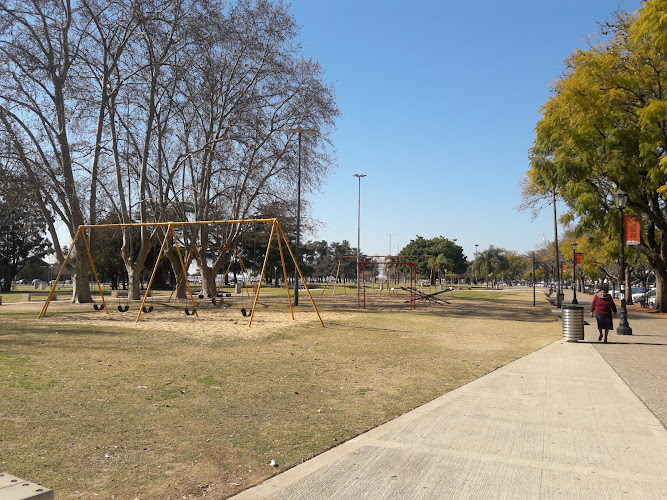
Plaza del Mercado de Pulgas del Bajo
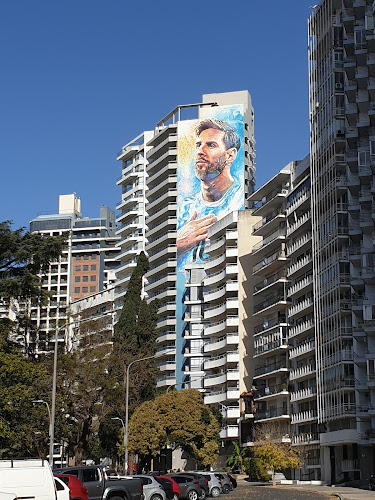
Mural Messi
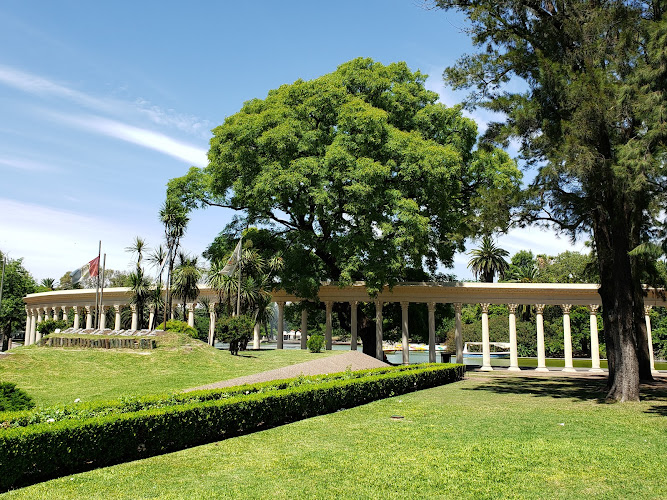
Independencia. Park
Find Accommodations Nearby
Recommended Tours & Activities
Visitor Reviews
There are no reviews yet. Be the first one to write one.
Share Your Experience
Have you visited Rosario and General Trias Welcome Arch? Help other travelers by leaving a review.