
Rīgas Rātslaukums
About Rīgas Rātslaukums
Description
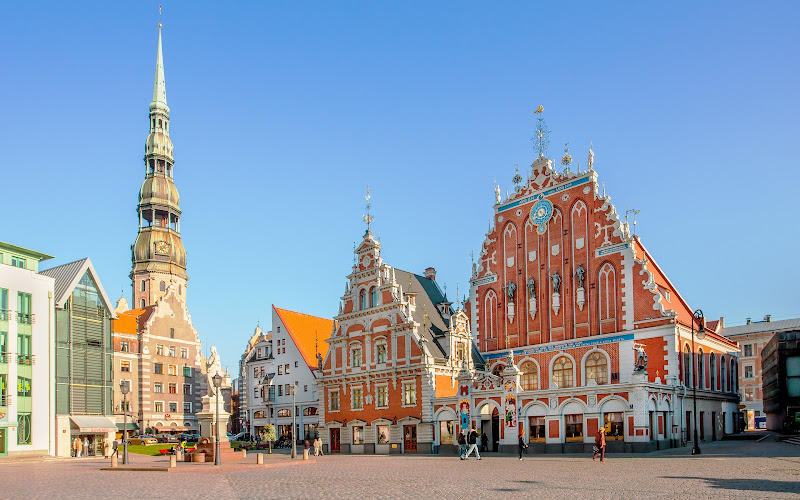
Rīgas Rātslaukums, better known to English-speaking travelers as Riga Town Hall Square, is one of those places that instantly grabs your attention the moment you step into it. The cobblestones underfoot, the sharp contrast between medieval architecture and modern reconstruction—it all feels like history and renewal shaking hands. The square has been through quite a journey. Originally laid out in the 13th century, it served as Riga’s bustling market center, filled with merchants, musicians, and chatter. Then came the devastation of World War II, which wiped out much of what once stood here. But Riga, being the resilient city it is, rebuilt it piece by piece, carefully reimagining the square’s former glory.
Now, when you walk through Rātslaukums, you’re not just seeing old buildings—you’re seeing a city’s determination to preserve its soul. The House of the Blackheads, with its ornate façade, steals the show, of course. It’s one of those buildings that make you stop mid-step to just stare for a while. I remember the first time I saw it—I was traveling solo, coffee in hand, and I couldn’t help but whisper “wow” under my breath. It’s that kind of place. Riga City Hall stands proudly nearby, its clean lines and symmetry balancing the square’s medieval charm with a touch of modernity.
The atmosphere here changes with the seasons. In summer, the square hums with life—street performers, outdoor cafés, and travelers snapping endless photos. In winter, the holiday market transforms it into a fairy-tale scene, with lights twinkling on every corner and the smell of mulled wine drifting through the air. It’s not perfect—sometimes it gets crowded, and yes, the reconstruction can feel a bit too polished for some tastes—but that’s part of its story. It’s a living, breathing space that continues to evolve, just like Riga itself.
Key Features
- House of the Blackheads: A stunning reconstruction of a 14th-century guild building, known for its intricate Gothic façade and historical exhibitions inside.
- Riga City Hall: The seat of the city government, offering a contrast between classical architecture and modern urban life.
- Roland Statue: A symbol of justice and freedom, standing tall at the square’s center, echoing Riga’s Hanseatic heritage.
- Historic Cobblestone Square: The heart of Old Riga, where trade and social life once flourished in medieval times.
- Accessibility: Wheelchair-accessible entrances and parking make it easy for all visitors to explore comfortably.
- Family-Friendly: Safe open spaces, nearby cafés, and public restrooms make it a great stop for families traveling with kids.
- Photo Opportunities: The contrast of old-world architecture against the modern skyline makes it a dream for photographers.
Best Time to Visit
If you ask me, the best time to visit Rīgas Rātslaukums really depends on the kind of experience you’re after. Summer is lively, full of energy, and perfect for people-watching. The square becomes a stage for local musicians and artists, and the long daylight hours mean you can wander well into the evening. But if you’re more into cozy moments and festive charm, December is pure magic. The Christmas market here is one of the most beautiful in the Baltics—think wooden stalls, handmade crafts, and the smell of gingerbread in the air.
Spring and autumn are quieter, which I personally love. You get to see the square in a more relaxed state, without the crowds. The weather can be unpredictable—one minute sunshine, the next a drizzle—but that’s part of Riga’s personality. Just bring a light jacket and an open mind. Early mornings are especially lovely; the soft light makes the buildings glow, and you can almost hear the echoes of history in the silence before the city wakes up.
How to Get There
Reaching Rīgas Rātslaukums is pretty straightforward since it sits right in the heart of Old Riga. If you’re staying anywhere in the city center, you can easily walk there. The cobbled streets leading up to the square are part of the experience—each one lined with charming cafés, souvenir shops, and the occasional street musician adding a soundtrack to your stroll.
For those coming from further out, public transportation is reliable and easy to navigate. Several bus and tram routes stop within a short walk of the square. Taxis and ride-sharing apps are also available, though I’d recommend walking if you can—it’s the best way to soak in the city’s atmosphere. If you’re driving, there are parking areas nearby, including accessible parking for those who need it. Just keep in mind that Old Riga’s streets can be narrow and sometimes tricky to navigate by car.
Tips for Visiting
Here’s the thing about Rīgas Rātslaukums—it’s one of those places that rewards those who linger. Don’t just rush through it on your way to the next stop. Take your time. Sit on a bench, grab a coffee from a nearby café, and just watch the rhythm of the square unfold. You’ll see locals meeting friends, street performers entertaining small crowds, and travelers like yourself trying to capture that perfect photo.
If you’re into photography, visit early in the morning or around sunset. The light at those times is incredible, and you’ll avoid the midday crowds. And if you’re a history buff, pop into the House of the Blackheads—it’s not just pretty on the outside; inside, it tells the story of Riga’s merchant guilds and the city’s rise as a trading hub. I’d also suggest checking out the nearby streets—Kaļķu iela and Šķūņu iela are full of hidden gems, from quirky boutiques to tucked-away restaurants serving traditional Latvian dishes.
One small but useful tip: wear comfortable shoes. The cobblestones are beautiful but not exactly forgiving if you’re in heels or thin-soled shoes. Also, keep a bit of cash on hand—some of the smaller vendors and cafés still prefer it over cards. And if you happen to be there during a festival or event, embrace the chaos. The square comes alive with music, parades, and laughter—it’s Riga showing off its joyful side.
In the end, Rīgas Rātslaukums isn’t just a square—it’s a story told in stone, rebuilt dreams, and everyday life. It’s where Riga’s past meets its present, and where visitors get to feel, even for a moment, like part of the city’s heartbeat. Whether you’re here for the history, the architecture, or just the atmosphere, this is one of those places that sticks with you long after you’ve left. And honestly, isn’t that what travel’s all about?
Key Features
- Key Features
- Best Time to Visit
- How to Get There
- Tips for Visiting
More Details
Updated October 8, 2025
Table of Contents
Description
Rīgas Rātslaukums, better known to English-speaking travelers as Riga Town Hall Square, is one of those places that instantly grabs your attention the moment you step into it. The cobblestones underfoot, the sharp contrast between medieval architecture and modern reconstruction—it all feels like history and renewal shaking hands. The square has been through quite a journey. Originally laid out in the 13th century, it served as Riga’s bustling market center, filled with merchants, musicians, and chatter. Then came the devastation of World War II, which wiped out much of what once stood here. But Riga, being the resilient city it is, rebuilt it piece by piece, carefully reimagining the square’s former glory.
Now, when you walk through Rātslaukums, you’re not just seeing old buildings—you’re seeing a city’s determination to preserve its soul. The House of the Blackheads, with its ornate façade, steals the show, of course. It’s one of those buildings that make you stop mid-step to just stare for a while. I remember the first time I saw it—I was traveling solo, coffee in hand, and I couldn’t help but whisper “wow” under my breath. It’s that kind of place. Riga City Hall stands proudly nearby, its clean lines and symmetry balancing the square’s medieval charm with a touch of modernity.
The atmosphere here changes with the seasons. In summer, the square hums with life—street performers, outdoor cafés, and travelers snapping endless photos. In winter, the holiday market transforms it into a fairy-tale scene, with lights twinkling on every corner and the smell of mulled wine drifting through the air. It’s not perfect—sometimes it gets crowded, and yes, the reconstruction can feel a bit too polished for some tastes—but that’s part of its story. It’s a living, breathing space that continues to evolve, just like Riga itself.
Key Features
- House of the Blackheads: A stunning reconstruction of a 14th-century guild building, known for its intricate Gothic façade and historical exhibitions inside.
- Riga City Hall: The seat of the city government, offering a contrast between classical architecture and modern urban life.
- Roland Statue: A symbol of justice and freedom, standing tall at the square’s center, echoing Riga’s Hanseatic heritage.
- Historic Cobblestone Square: The heart of Old Riga, where trade and social life once flourished in medieval times.
- Accessibility: Wheelchair-accessible entrances and parking make it easy for all visitors to explore comfortably.
- Family-Friendly: Safe open spaces, nearby cafés, and public restrooms make it a great stop for families traveling with kids.
- Photo Opportunities: The contrast of old-world architecture against the modern skyline makes it a dream for photographers.
Best Time to Visit
If you ask me, the best time to visit Rīgas Rātslaukums really depends on the kind of experience you’re after. Summer is lively, full of energy, and perfect for people-watching. The square becomes a stage for local musicians and artists, and the long daylight hours mean you can wander well into the evening. But if you’re more into cozy moments and festive charm, December is pure magic. The Christmas market here is one of the most beautiful in the Baltics—think wooden stalls, handmade crafts, and the smell of gingerbread in the air.
Spring and autumn are quieter, which I personally love. You get to see the square in a more relaxed state, without the crowds. The weather can be unpredictable—one minute sunshine, the next a drizzle—but that’s part of Riga’s personality. Just bring a light jacket and an open mind. Early mornings are especially lovely; the soft light makes the buildings glow, and you can almost hear the echoes of history in the silence before the city wakes up.
How to Get There
Reaching Rīgas Rātslaukums is pretty straightforward since it sits right in the heart of Old Riga. If you’re staying anywhere in the city center, you can easily walk there. The cobbled streets leading up to the square are part of the experience—each one lined with charming cafés, souvenir shops, and the occasional street musician adding a soundtrack to your stroll.
For those coming from further out, public transportation is reliable and easy to navigate. Several bus and tram routes stop within a short walk of the square. Taxis and ride-sharing apps are also available, though I’d recommend walking if you can—it’s the best way to soak in the city’s atmosphere. If you’re driving, there are parking areas nearby, including accessible parking for those who need it. Just keep in mind that Old Riga’s streets can be narrow and sometimes tricky to navigate by car.
Tips for Visiting
Here’s the thing about Rīgas Rātslaukums—it’s one of those places that rewards those who linger. Don’t just rush through it on your way to the next stop. Take your time. Sit on a bench, grab a coffee from a nearby café, and just watch the rhythm of the square unfold. You’ll see locals meeting friends, street performers entertaining small crowds, and travelers like yourself trying to capture that perfect photo.
If you’re into photography, visit early in the morning or around sunset. The light at those times is incredible, and you’ll avoid the midday crowds. And if you’re a history buff, pop into the House of the Blackheads—it’s not just pretty on the outside; inside, it tells the story of Riga’s merchant guilds and the city’s rise as a trading hub. I’d also suggest checking out the nearby streets—Kaļķu iela and Šķūņu iela are full of hidden gems, from quirky boutiques to tucked-away restaurants serving traditional Latvian dishes.
One small but useful tip: wear comfortable shoes. The cobblestones are beautiful but not exactly forgiving if you’re in heels or thin-soled shoes. Also, keep a bit of cash on hand—some of the smaller vendors and cafés still prefer it over cards. And if you happen to be there during a festival or event, embrace the chaos. The square comes alive with music, parades, and laughter—it’s Riga showing off its joyful side.
In the end, Rīgas Rātslaukums isn’t just a square—it’s a story told in stone, rebuilt dreams, and everyday life. It’s where Riga’s past meets its present, and where visitors get to feel, even for a moment, like part of the city’s heartbeat. Whether you’re here for the history, the architecture, or just the atmosphere, this is one of those places that sticks with you long after you’ve left. And honestly, isn’t that what travel’s all about?
Key Highlights
- Key Features
- Best Time to Visit
- How to Get There
- Tips for Visiting
Location
Places to Stay Near Rīgas Rātslaukums
Find and Book a Tour
Explore More Travel Guides
No reviews found! Be the first to review!
Traveler Reviews for Rīgas Rātslaukums
There are no reviews yet. Be the first one to write one.
Have you visited Rīgas Rātslaukums? Help other travelers by sharing your review.
You Might Also Like

Riga Ghetto and Holocaust in Latvia Museum

Jūrmalas pludmale

Riga National Zoological Garden
Find Accommodations Nearby
Recommended Tours & Activities
Visitor Reviews
There are no reviews yet. Be the first one to write one.
Share Your Experience
Have you visited Rīgas Rātslaukums? Help other travelers by leaving a review.