
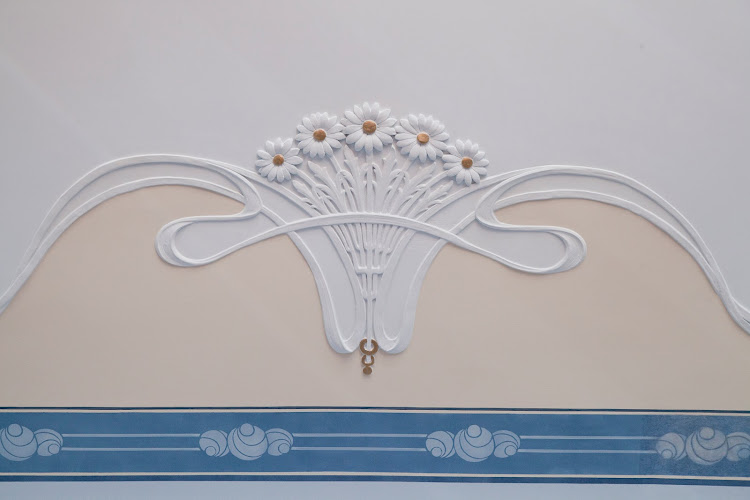
Riga Art Nouveau Center, museum
About Riga Art Nouveau Center, museum
Description
There’s something quietly magical about stepping into the Riga Art Nouveau Center—like walking through a portal straight into the early 1900s. The place isn’t just a museum; it’s a beautifully preserved apartment that tells the story of Riga’s golden Art Nouveau era. You can almost hear the faint hum of a gramophone or imagine the rustle of silk skirts brushing past the ornate doorways. It’s that immersive. Located in one of the most architecturally rich parts of the city, this museum captures the essence of how people actually lived during the height of the Art Nouveau movement. And honestly, it’s not just for architecture buffs—anyone with a soft spot for history, design, or even just good storytelling will find something to love here.
The museum’s attention to detail is what really sets it apart. Every corner, from the carved banisters to the stained-glass windows, feels thoughtfully restored. The apartment once belonged to Konstantīns Pēkšēns, one of the most prominent Latvian architects of the time, which makes the experience even more special. You’re not just looking at exhibits—you’re walking through someone’s home, frozen in its prime. The furniture, the art, the lighting—it’s all authentic, giving you a genuine sense of what upper-middle-class life looked like in early 20th-century Riga. It’s easy to lose track of time wandering from room to room, admiring the intricate floral motifs and swirling ceiling patterns that define Art Nouveau design.
Now, I’ve been to a fair number of museums that claim to be “immersive,” but few pull it off like this one. There’s something deeply personal about the way the Riga Art Nouveau Center curates its space. It doesn’t overwhelm you with plaques or long-winded explanations. Instead, it invites you to look, feel, and imagine. And that’s a rare gift in today’s world of fast-paced sightseeing. Sure, it’s small compared to major European museums, but that’s part of its charm. It’s intimate, authentic, and quietly elegant—like a well-kept secret that rewards those who take the time to linger.
Key Features
- Authentic Art Nouveau Interior: The museum is housed in a genuine early 20th-century apartment designed by architect Konstantīns Pēkšēns, with original furnishings and décor.
- Architectural Details: Elaborate stucco ornaments, curved lines, and floral motifs adorn the ceilings, walls, and staircases, showcasing Riga’s artistic craftsmanship.
- Interactive Experience: Visitors can explore period rooms, including a living room, dining area, and study, each restored to reflect life during the Art Nouveau period.
- Exhibitions and Research: The center also serves as a hub for studying and preserving Art Nouveau art, design, and architecture throughout Latvia.
- Photogenic Spaces: Every corner is a visual delight for photography lovers—especially the grand spiral staircase that’s become a favorite Instagram shot.
- Family-Friendly: The museum welcomes children and offers a gentle introduction to history and art through engaging visuals rather than dense text.
- Accessibility: While the entrance itself isn’t fully wheelchair accessible, the surrounding area and parking options make it relatively easy for most visitors to reach.
One thing I personally adore about this museum is how it doesn’t try too hard. It doesn’t rely on flashy technology or over-the-top displays; it simply lets the beauty of its design speak for itself. The soft lighting, the polished wood floors, the subtle scent of old furniture—it all works together to transport you. And if you’re someone who loves to take a quiet moment to absorb atmosphere (like me), you’ll appreciate the calm, almost meditative vibe here.
Best Time to Visit
If you ask me, the best time to visit the Riga Art Nouveau Center is during spring or early autumn. The weather is mild, perfect for strolling through Alberta iela—the street famous for its Art Nouveau façades—before or after your museum visit. The light during these seasons is golden and soft, which makes the intricate details of the buildings pop beautifully in photos. Summer can be lovely too, but it’s also when the crowds tend to swell, especially with tour groups. So if you prefer a quieter, more contemplative experience, aim for a weekday morning in May or late September.
Winter has its own charm, though. There’s something about the way snow dusts the ornate balconies outside that makes the whole area feel like a scene from a vintage postcard. Inside, the warm lighting and cozy interiors make it a perfect refuge from the cold. I once went on a chilly December afternoon and ended up spending nearly two hours just admiring the craftsmanship—it’s that kind of place where time slows down.
How to Get There
Reaching the Riga Art Nouveau Center is straightforward, especially if you’re already exploring the city center. Most visitors either walk from the Old Town—it’s about a 15-minute stroll—or hop on a tram or bus heading toward the Centra district. Public transport in Riga is efficient and affordable, and the stops are conveniently close to the museum area. If you’re driving, there’s paid street parking nearby, though spaces can be limited during peak hours.
For those who love walking (and I definitely fall into that camp), the journey itself is part of the experience. The streets leading to the museum are lined with some of the most stunning examples of Art Nouveau architecture in Europe. You’ll find yourself stopping every few meters to snap photos of sculpted faces, floral balconies, and whimsical details that seem to come alive under the Baltic light. It’s not just a route—it’s a mini architectural tour in itself.
Tips for Visiting
Here are a few tips I’ve picked up from my own visits and from chatting with other travelers along the way:
- Take your time. This isn’t the kind of museum you rush through. Spend a few minutes in each room and let the details sink in. The craftsmanship deserves your attention.
- Bring a camera (or a good phone). The staircase alone is worth photographing, but be respectful—avoid using flash to preserve the delicate materials.
- Combine it with a walking tour. Many local guides offer Art Nouveau walking tours that end here. It’s a fantastic way to understand the broader context of the architecture you’re seeing.
- Check the opening hours in advance. They can vary slightly depending on the season, and the museum sometimes closes for private events or maintenance.
- Visit the gift shop. It’s small but thoughtfully curated, with art prints and souvenirs that actually feel meaningful rather than generic.
- Mind your shoes. The floors are beautifully polished wood, so wearing something comfortable (and quiet) helps maintain the peaceful atmosphere.
- Bring kids if you have them. The museum is surprisingly engaging for children—there’s enough color and texture to keep their curiosity alive.
And one more thing: don’t skip the stairwell. Seriously, it’s one of the most photographed spots in Riga for a reason. The swirling, organic lines of the staircase seem almost alive, like something out of a dream. I remember standing there, craning my neck upward, thinking how wild it is that over a century later, these designs still feel modern and fresh. That’s the power of Art Nouveau—it never really goes out of style.
In the end, the Riga Art Nouveau Center isn’t just a place to tick off your itinerary—it’s an experience that lingers. It’s about stepping into another time, feeling the weight of history in the curve of a staircase or the shimmer of a glass lamp. It’s about slowing down and noticing beauty in the details. Whether you’re a design lover, a history enthusiast, or just someone who appreciates a good story told through architecture, this museum has a quiet way of leaving an impression that stays with you long after you’ve left its doors.
Key Features
- Key Features
- Best Time to Visit
- How to Get There
- Tips for Visiting
More Details
Updated October 8, 2025
Table of Contents
Description
There’s something quietly magical about stepping into the Riga Art Nouveau Center—like walking through a portal straight into the early 1900s. The place isn’t just a museum; it’s a beautifully preserved apartment that tells the story of Riga’s golden Art Nouveau era. You can almost hear the faint hum of a gramophone or imagine the rustle of silk skirts brushing past the ornate doorways. It’s that immersive. Located in one of the most architecturally rich parts of the city, this museum captures the essence of how people actually lived during the height of the Art Nouveau movement. And honestly, it’s not just for architecture buffs—anyone with a soft spot for history, design, or even just good storytelling will find something to love here.
The museum’s attention to detail is what really sets it apart. Every corner, from the carved banisters to the stained-glass windows, feels thoughtfully restored. The apartment once belonged to Konstantīns Pēkšēns, one of the most prominent Latvian architects of the time, which makes the experience even more special. You’re not just looking at exhibits—you’re walking through someone’s home, frozen in its prime. The furniture, the art, the lighting—it’s all authentic, giving you a genuine sense of what upper-middle-class life looked like in early 20th-century Riga. It’s easy to lose track of time wandering from room to room, admiring the intricate floral motifs and swirling ceiling patterns that define Art Nouveau design.
Now, I’ve been to a fair number of museums that claim to be “immersive,” but few pull it off like this one. There’s something deeply personal about the way the Riga Art Nouveau Center curates its space. It doesn’t overwhelm you with plaques or long-winded explanations. Instead, it invites you to look, feel, and imagine. And that’s a rare gift in today’s world of fast-paced sightseeing. Sure, it’s small compared to major European museums, but that’s part of its charm. It’s intimate, authentic, and quietly elegant—like a well-kept secret that rewards those who take the time to linger.
Key Features
- Authentic Art Nouveau Interior: The museum is housed in a genuine early 20th-century apartment designed by architect Konstantīns Pēkšēns, with original furnishings and décor.
- Architectural Details: Elaborate stucco ornaments, curved lines, and floral motifs adorn the ceilings, walls, and staircases, showcasing Riga’s artistic craftsmanship.
- Interactive Experience: Visitors can explore period rooms, including a living room, dining area, and study, each restored to reflect life during the Art Nouveau period.
- Exhibitions and Research: The center also serves as a hub for studying and preserving Art Nouveau art, design, and architecture throughout Latvia.
- Photogenic Spaces: Every corner is a visual delight for photography lovers—especially the grand spiral staircase that’s become a favorite Instagram shot.
- Family-Friendly: The museum welcomes children and offers a gentle introduction to history and art through engaging visuals rather than dense text.
- Accessibility: While the entrance itself isn’t fully wheelchair accessible, the surrounding area and parking options make it relatively easy for most visitors to reach.
One thing I personally adore about this museum is how it doesn’t try too hard. It doesn’t rely on flashy technology or over-the-top displays; it simply lets the beauty of its design speak for itself. The soft lighting, the polished wood floors, the subtle scent of old furniture—it all works together to transport you. And if you’re someone who loves to take a quiet moment to absorb atmosphere (like me), you’ll appreciate the calm, almost meditative vibe here.
Best Time to Visit
If you ask me, the best time to visit the Riga Art Nouveau Center is during spring or early autumn. The weather is mild, perfect for strolling through Alberta iela—the street famous for its Art Nouveau façades—before or after your museum visit. The light during these seasons is golden and soft, which makes the intricate details of the buildings pop beautifully in photos. Summer can be lovely too, but it’s also when the crowds tend to swell, especially with tour groups. So if you prefer a quieter, more contemplative experience, aim for a weekday morning in May or late September.
Winter has its own charm, though. There’s something about the way snow dusts the ornate balconies outside that makes the whole area feel like a scene from a vintage postcard. Inside, the warm lighting and cozy interiors make it a perfect refuge from the cold. I once went on a chilly December afternoon and ended up spending nearly two hours just admiring the craftsmanship—it’s that kind of place where time slows down.
How to Get There
Reaching the Riga Art Nouveau Center is straightforward, especially if you’re already exploring the city center. Most visitors either walk from the Old Town—it’s about a 15-minute stroll—or hop on a tram or bus heading toward the Centra district. Public transport in Riga is efficient and affordable, and the stops are conveniently close to the museum area. If you’re driving, there’s paid street parking nearby, though spaces can be limited during peak hours.
For those who love walking (and I definitely fall into that camp), the journey itself is part of the experience. The streets leading to the museum are lined with some of the most stunning examples of Art Nouveau architecture in Europe. You’ll find yourself stopping every few meters to snap photos of sculpted faces, floral balconies, and whimsical details that seem to come alive under the Baltic light. It’s not just a route—it’s a mini architectural tour in itself.
Tips for Visiting
Here are a few tips I’ve picked up from my own visits and from chatting with other travelers along the way:
- Take your time. This isn’t the kind of museum you rush through. Spend a few minutes in each room and let the details sink in. The craftsmanship deserves your attention.
- Bring a camera (or a good phone). The staircase alone is worth photographing, but be respectful—avoid using flash to preserve the delicate materials.
- Combine it with a walking tour. Many local guides offer Art Nouveau walking tours that end here. It’s a fantastic way to understand the broader context of the architecture you’re seeing.
- Check the opening hours in advance. They can vary slightly depending on the season, and the museum sometimes closes for private events or maintenance.
- Visit the gift shop. It’s small but thoughtfully curated, with art prints and souvenirs that actually feel meaningful rather than generic.
- Mind your shoes. The floors are beautifully polished wood, so wearing something comfortable (and quiet) helps maintain the peaceful atmosphere.
- Bring kids if you have them. The museum is surprisingly engaging for children—there’s enough color and texture to keep their curiosity alive.
And one more thing: don’t skip the stairwell. Seriously, it’s one of the most photographed spots in Riga for a reason. The swirling, organic lines of the staircase seem almost alive, like something out of a dream. I remember standing there, craning my neck upward, thinking how wild it is that over a century later, these designs still feel modern and fresh. That’s the power of Art Nouveau—it never really goes out of style.
In the end, the Riga Art Nouveau Center isn’t just a place to tick off your itinerary—it’s an experience that lingers. It’s about stepping into another time, feeling the weight of history in the curve of a staircase or the shimmer of a glass lamp. It’s about slowing down and noticing beauty in the details. Whether you’re a design lover, a history enthusiast, or just someone who appreciates a good story told through architecture, this museum has a quiet way of leaving an impression that stays with you long after you’ve left its doors.
Key Highlights
- Key Features
- Best Time to Visit
- How to Get There
- Tips for Visiting
Location
Places to Stay Near Riga Art Nouveau Center, museum
Find and Book a Tour
Explore More Travel Guides
No reviews found! Be the first to review!
Traveler Reviews for Riga Art Nouveau Center, museum
There are no reviews yet. Be the first one to write one.
Have you visited Riga Art Nouveau Center, museum? Help other travelers by sharing your review.
You Might Also Like
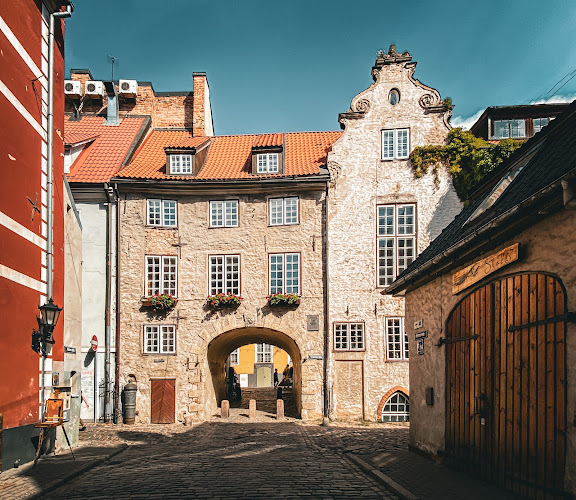
Swedish Gate
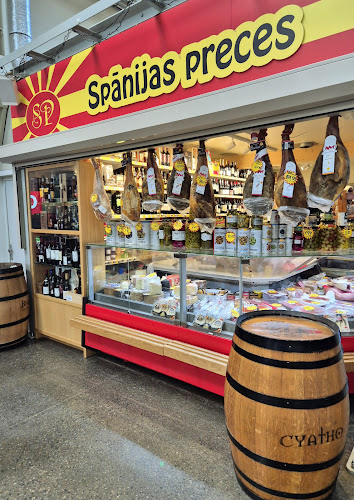
Riga Central Market

House of the Black Heads
Find Accommodations Nearby
Recommended Tours & Activities
Visitor Reviews
There are no reviews yet. Be the first one to write one.
Share Your Experience
Have you visited Riga Art Nouveau Center, museum? Help other travelers by leaving a review.