

Regional Historical Museum
About Regional Historical Museum
Description
The Regional Historical Museum is the kind of place that feels like stepping into a living storybook, where the walls themselves seem to whisper about centuries gone by. Housed in a centuries-old residence, it’s not just a museum—it’s a stage where folk art, gaucho traditions, and colonial history come together. You’ll find old tools, traditional clothing, and objects that once belonged to the everyday people who shaped the region. What makes it even more special is how the museum doesn’t stop at static displays. It often hosts live performances, readings, and even traditional dances, which means history isn’t just behind glass—it’s right in front of you, moving and breathing.
Now, I’ll be honest: not every corner of the museum is polished to perfection. Some exhibits feel a little dated, and you might catch yourself wondering if they could use a modern refresh. But that’s also part of the charm. It’s authentic. It hasn’t been over-produced or turned into something overly slick. Instead, you’re getting a raw, genuine glimpse into the past. And for me, that’s worth so much more.
It’s also a family-friendly spot. Kids often light up when they see the colorful folk art or hear the music during cultural events. Plus, the museum is accessible, with wheelchair-friendly entrances, restrooms, and parking, which is a big relief for travelers who need those features. It’s not the kind of place you rush through—you wander, you pause, you imagine. And maybe you leave with a deeper appreciation for the culture that shaped the region.
Key Features
- Authentic colonial-era house with preserved architecture
- Collections of folk art and gaucho culture artifacts
- Live cultural events like dances and readings
- Wheelchair accessible entrances, restrooms, and parking
- Restrooms available on-site (though no restaurant)
- Kid-friendly exhibits and activities
Best Time to Visit
If you ask me, the best time to visit the Regional Historical Museum is during the cooler months, when strolling through old stone courtyards feels refreshing instead of sweltering. Spring and autumn are especially lovely—you’ll often find cultural events scheduled around local holidays during these seasons, which adds another layer of excitement. Weekdays tend to be quieter, so if you prefer to explore at your own pace without weaving through crowds, aim for a Tuesday or Wednesday morning. On the other hand, if you’re the type who loves energy and doesn’t mind a busier vibe, weekends can be fantastic, especially if there’s a dance or a reading happening.
Personally, I once visited on a rainy afternoon, and it was magical. The sound of rain tapping the old roof tiles while wandering through rooms filled with history—it honestly felt like time travel. So don’t rule out those moody weather days either.
How to Get There
Reaching the Regional Historical Museum isn’t complicated, though how you get there depends on your style of travel. If you’re the independent type, renting a car gives you the freedom to explore nearby towns and countryside after your visit. Parking is available and accessible, which makes driving a convenient option. Public transportation is also reliable, with buses stopping within walking distance of the museum. For those who prefer a more relaxed approach, local taxis or ride-sharing apps will drop you right at the entrance.
If you’re staying in the city center, the museum is usually just a short ride away. Walking is possible too, depending on your accommodation, and it’s a pleasant way to soak in the local atmosphere before stepping into the past. I actually walked there once, and I still remember passing by little cafés and shops along the way—it made the whole experience feel like part of the journey.
Tips for Visiting
Here’s where I get a bit practical. First, give yourself enough time. An hour might be fine if you’re in a rush, but honestly, two or three hours lets you really appreciate the details and maybe catch a live event. Wear comfortable shoes—the floors are old, and you’ll be standing a lot. And if you’re traveling with kids, bring along a few snacks since there isn’t a restaurant on-site.
Photography is usually allowed, but be respectful, especially if an event is happening. A quiet camera click is fine, but flashing lights during a traditional dance? Not so much. Also, don’t be afraid to ask the staff questions. They’re often locals who know the stories behind the artifacts, and I’ve found that a quick chat can turn a simple visit into something unforgettable.
If accessibility is important to you, rest assured the museum has made thoughtful accommodations. Wheelchair users will find the entrances, restrooms, and parking manageable. And here’s a little personal tip: check the museum’s schedule before you go. Some of the best memories come from stumbling upon a poetry reading or a dance performance you didn’t expect. It transforms the visit from a quiet walk through history into a celebration of culture.
In short, the Regional Historical Museum is not just about looking at old objects—it’s about feeling connected to the people and traditions that shaped the region. Go with curiosity, take your time, and let yourself be surprised. You’ll walk out with more than just photos—you’ll carry a piece of history with you.
Key Features
- Authentic colonial-era house with preserved architecture
- Collections of folk art and gaucho culture artifacts
- Live cultural events like dances and readings
- Wheelchair accessible entrances, restrooms, and parking
- Restrooms available on-site (though no restaurant)
- Kid-friendly exhibits and activities
More Details
Updated September 8, 2025
Table of Contents
Description
The Regional Historical Museum is the kind of place that feels like stepping into a living storybook, where the walls themselves seem to whisper about centuries gone by. Housed in a centuries-old residence, it’s not just a museum—it’s a stage where folk art, gaucho traditions, and colonial history come together. You’ll find old tools, traditional clothing, and objects that once belonged to the everyday people who shaped the region. What makes it even more special is how the museum doesn’t stop at static displays. It often hosts live performances, readings, and even traditional dances, which means history isn’t just behind glass—it’s right in front of you, moving and breathing.
Now, I’ll be honest: not every corner of the museum is polished to perfection. Some exhibits feel a little dated, and you might catch yourself wondering if they could use a modern refresh. But that’s also part of the charm. It’s authentic. It hasn’t been over-produced or turned into something overly slick. Instead, you’re getting a raw, genuine glimpse into the past. And for me, that’s worth so much more.
It’s also a family-friendly spot. Kids often light up when they see the colorful folk art or hear the music during cultural events. Plus, the museum is accessible, with wheelchair-friendly entrances, restrooms, and parking, which is a big relief for travelers who need those features. It’s not the kind of place you rush through—you wander, you pause, you imagine. And maybe you leave with a deeper appreciation for the culture that shaped the region.
Key Features
- Authentic colonial-era house with preserved architecture
- Collections of folk art and gaucho culture artifacts
- Live cultural events like dances and readings
- Wheelchair accessible entrances, restrooms, and parking
- Restrooms available on-site (though no restaurant)
- Kid-friendly exhibits and activities
Best Time to Visit
If you ask me, the best time to visit the Regional Historical Museum is during the cooler months, when strolling through old stone courtyards feels refreshing instead of sweltering. Spring and autumn are especially lovely—you’ll often find cultural events scheduled around local holidays during these seasons, which adds another layer of excitement. Weekdays tend to be quieter, so if you prefer to explore at your own pace without weaving through crowds, aim for a Tuesday or Wednesday morning. On the other hand, if you’re the type who loves energy and doesn’t mind a busier vibe, weekends can be fantastic, especially if there’s a dance or a reading happening.
Personally, I once visited on a rainy afternoon, and it was magical. The sound of rain tapping the old roof tiles while wandering through rooms filled with history—it honestly felt like time travel. So don’t rule out those moody weather days either.
How to Get There
Reaching the Regional Historical Museum isn’t complicated, though how you get there depends on your style of travel. If you’re the independent type, renting a car gives you the freedom to explore nearby towns and countryside after your visit. Parking is available and accessible, which makes driving a convenient option. Public transportation is also reliable, with buses stopping within walking distance of the museum. For those who prefer a more relaxed approach, local taxis or ride-sharing apps will drop you right at the entrance.
If you’re staying in the city center, the museum is usually just a short ride away. Walking is possible too, depending on your accommodation, and it’s a pleasant way to soak in the local atmosphere before stepping into the past. I actually walked there once, and I still remember passing by little cafés and shops along the way—it made the whole experience feel like part of the journey.
Tips for Visiting
Here’s where I get a bit practical. First, give yourself enough time. An hour might be fine if you’re in a rush, but honestly, two or three hours lets you really appreciate the details and maybe catch a live event. Wear comfortable shoes—the floors are old, and you’ll be standing a lot. And if you’re traveling with kids, bring along a few snacks since there isn’t a restaurant on-site.
Photography is usually allowed, but be respectful, especially if an event is happening. A quiet camera click is fine, but flashing lights during a traditional dance? Not so much. Also, don’t be afraid to ask the staff questions. They’re often locals who know the stories behind the artifacts, and I’ve found that a quick chat can turn a simple visit into something unforgettable.
If accessibility is important to you, rest assured the museum has made thoughtful accommodations. Wheelchair users will find the entrances, restrooms, and parking manageable. And here’s a little personal tip: check the museum’s schedule before you go. Some of the best memories come from stumbling upon a poetry reading or a dance performance you didn’t expect. It transforms the visit from a quiet walk through history into a celebration of culture.
In short, the Regional Historical Museum is not just about looking at old objects—it’s about feeling connected to the people and traditions that shaped the region. Go with curiosity, take your time, and let yourself be surprised. You’ll walk out with more than just photos—you’ll carry a piece of history with you.
Key Highlights
- Authentic colonial-era house with preserved architecture
- Collections of folk art and gaucho culture artifacts
- Live cultural events like dances and readings
- Wheelchair accessible entrances, restrooms, and parking
- Restrooms available on-site (though no restaurant)
- Kid-friendly exhibits and activities
Location
Places to Stay Near Regional Historical Museum
Find and Book a Tour
Explore More Travel Guides
No reviews found! Be the first to review!
Traveler Reviews for Regional Historical Museum
There are no reviews yet. Be the first one to write one.
Have you visited Regional Historical Museum? Help other travelers by sharing your review.
You Might Also Like

Costas Park Rio Cuarto
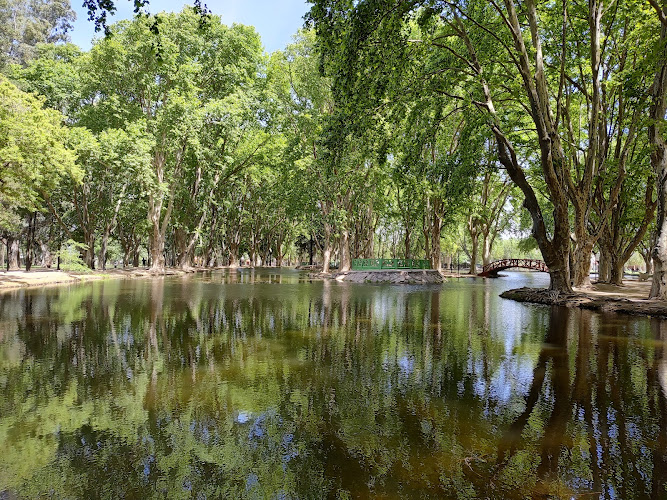
Sarmiento Park
Accion Poetica
Find Accommodations Nearby
Recommended Tours & Activities
Visitor Reviews
There are no reviews yet. Be the first one to write one.
Share Your Experience
Have you visited Regional Historical Museum? Help other travelers by leaving a review.