About Raza Library

Description

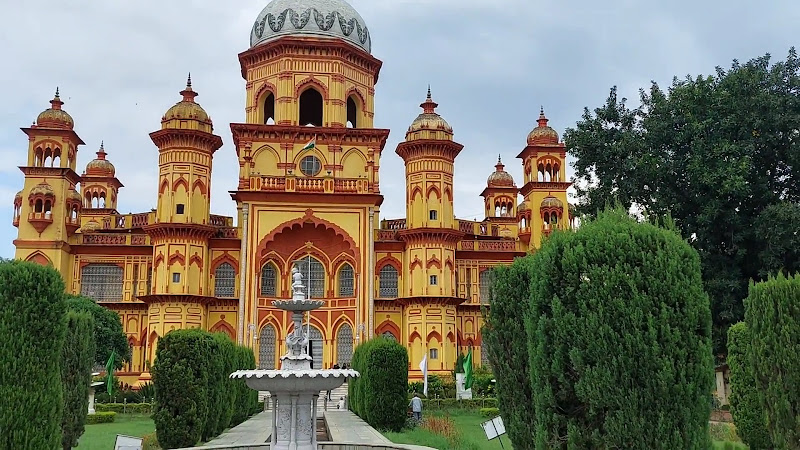
The Rampur Raza Library in Uttar Pradesh is one of those places that quietly takes your breath away the moment you step inside. It’s not just a library—it’s like walking into a time capsule of India’s cultural and intellectual history. Established in the late 18th century by the Nawabs of Rampur, this library has grown into a monumental repository of Indo-Islamic art, literature, and scholarship. The building itself, housed in the elegant Hamid Manzil, is an architectural gem that feels more like a palace than a library. High ceilings, intricate arches, and traces of Mughal design make every corner worth admiring.

What really makes the Raza Library special isn’t just the sheer number of books—over 60,000 printed volumes and more than 7,000 manuscripts—but the stories they hold. You’ll find rare Persian and Arabic manuscripts, centuries-old calligraphy, illustrated works in Sanskrit and Urdu, and miniature paintings so detailed they could make you squint in awe. There’s even an impressive collection of astronomical instruments and historical documents that give you a glimpse into how knowledge was studied and preserved centuries ago.

Now, I’ve been to a lot of libraries in India, but Raza Library has a certain stillness that’s hard to describe. It’s the kind of place that makes you whisper, even when you’re alone. The staff are passionate about preserving this treasure, and you can sense their pride when they talk about its legacy. Sure, some visitors might find the experience a bit formal—after all, it’s not your typical tourist spot—but if you’re a history buff or someone who finds joy in old paper and ink, you’ll be in heaven here.

And let’s be honest, not everything is perfect. Some parts of the library could use a little more maintenance, and you might find the visiting process a bit bureaucratic at times. But that’s a small price to pay for the chance to see manuscripts that have survived empires, revolutions, and time itself. It’s a place that rewards patience and curiosity.

Key Features

  • Over 60,000 printed books and 7,000 rare manuscripts in multiple languages including Arabic, Persian, Urdu, Sanskrit, and Hindi.
  • Exquisite miniature paintings and specimens of Islamic calligraphy that reflect centuries of artistic evolution.
  • Historical documents and illustrated works offering deep insights into Mughal and Indo-Islamic culture.
  • Collection of ancient astronomical instruments and scientific texts that highlight India’s contribution to early science.
  • Architectural beauty inspired by Mughal and Indo-European styles, located within the grand Hamid Manzil.
  • Wheelchair accessible entrance and parking, making it easier for all visitors to explore comfortably.
  • Guided tours available for scholars and tourists interested in understanding the collection more deeply.

Best Time to Visit

If you’re planning a visit, the best time to explore the Raza Library is between October and March. The weather in Rampur during these months is pleasant enough to wander around without breaking a sweat. The cooler air makes the long halls and old manuscripts feel even more inviting. Summers, on the other hand, can get pretty intense, and trust me, you don’t want to be squinting at centuries-old calligraphy while the sun blazes outside.

I once visited in early December, and it was perfect. The mornings were crisp, the afternoons were mellow, and the light streaming through the arched windows made the manuscripts glow softly. If you can, try to visit on a weekday morning—it’s quieter, and you’ll have more time to take in the details without the usual crowd.

How to Get There

Getting to the Raza Library is fairly straightforward. Rampur is well connected by road and rail, with regular trains from major cities like Delhi, Lucknow, and Moradabad. From the Rampur railway station, it’s just a short ride to the library by auto-rickshaw or taxi. If you’re driving, you’ll find decent parking facilities nearby, and the main roads leading to the area are well maintained.

For travelers coming from farther away, the nearest major airport is in Bareilly, about an hour and a half’s drive from Rampur. From there, you can easily hire a cab or catch a local bus. The journey itself is quite scenic—you’ll pass through stretches of countryside, small towns, and fields that seem to go on forever. It’s one of those drives that make you roll down the window just to feel the breeze.

Tips for Visiting

A few things to keep in mind before you go. First, remember that this isn’t a casual tourist attraction—it’s a working research library and a heritage site. So, while photography might be restricted in certain areas, it’s worth asking the staff before clicking away. They’re usually quite accommodating if you’re respectful and genuinely interested.

Second, give yourself time. Don’t rush through it like you’re checking off a list. Spend a few hours, maybe half a day if you can. Sit quietly, look closely at the manuscripts, and imagine the hands that wrote them. There’s something humbling about realizing that these works have survived for centuries, waiting for curious eyes like yours.

Third, if you’re traveling with kids or people who aren’t particularly into history, set expectations early. This isn’t a place of loud excitement—it’s more of a slow, thoughtful experience. But even if you’re not a scholar, you’ll find plenty to admire in the art, architecture, and sheer atmosphere of the place.

And here’s a small personal tip: bring a notebook. I always carry one when I visit places like this. There’s something about being surrounded by so much knowledge that makes you want to jot down thoughts, sketches, or even random observations. You never know what might inspire you.

Lastly, be mindful of the rules and the staff’s guidance. They’re doing an important job preserving a fragile part of our collective history. Treat the space with the respect it deserves, and you’ll walk away with more than just photographs—you’ll carry a sense of connection to centuries of learning and artistry.

In the end, the Raza Library is more than just a destination—it’s an experience that lingers. Whether you’re a traveler chasing stories, a student of history, or just someone who loves the quiet magic of old books, this place has a way of pulling you in. It’s not flashy, not loud, but it’s deeply moving in its own quiet way. And that, to me, is what makes it truly unforgettable.

Key Features

  • Over 60,000 printed books and 7,000 rare manuscripts in multiple languages including Arabic, Persian, Urdu, Sanskrit, and Hindi.
  • Exquisite miniature paintings and specimens of Islamic calligraphy that reflect centuries of artistic evolution.
  • Historical documents and illustrated works offering deep insights into Mughal and Indo-Islamic culture.
  • Collection of ancient astronomical instruments and scientific texts that highlight India’s contribution to early science.
  • Architectural beauty inspired by Mughal and Indo-European styles, located within the grand Hamid Manzil.
  • Wheelchair accessible entrance and parking, making it easier for all visitors to explore comfortably.
  • Guided tours available for scholars and tourists interested in understanding the collection more deeply.

More Details

Updated November 9, 2025


Description

The Rampur Raza Library in Uttar Pradesh is one of those places that quietly takes your breath away the moment you step inside. It’s not just a library—it’s like walking into a time capsule of India’s cultural and intellectual history. Established in the late 18th century by the Nawabs of Rampur, this library has grown into a monumental repository of Indo-Islamic art, literature, and scholarship. The building itself, housed in the elegant Hamid Manzil, is an architectural gem that feels more like a palace than a library. High ceilings, intricate arches, and traces of Mughal design make every corner worth admiring.

What really makes the Raza Library special isn’t just the sheer number of books—over 60,000 printed volumes and more than 7,000 manuscripts—but the stories they hold. You’ll find rare Persian and Arabic manuscripts, centuries-old calligraphy, illustrated works in Sanskrit and Urdu, and miniature paintings so detailed they could make you squint in awe. There’s even an impressive collection of astronomical instruments and historical documents that give you a glimpse into how knowledge was studied and preserved centuries ago.

Now, I’ve been to a lot of libraries in India, but Raza Library has a certain stillness that’s hard to describe. It’s the kind of place that makes you whisper, even when you’re alone. The staff are passionate about preserving this treasure, and you can sense their pride when they talk about its legacy. Sure, some visitors might find the experience a bit formal—after all, it’s not your typical tourist spot—but if you’re a history buff or someone who finds joy in old paper and ink, you’ll be in heaven here.

And let’s be honest, not everything is perfect. Some parts of the library could use a little more maintenance, and you might find the visiting process a bit bureaucratic at times. But that’s a small price to pay for the chance to see manuscripts that have survived empires, revolutions, and time itself. It’s a place that rewards patience and curiosity.

Key Features

  • Over 60,000 printed books and 7,000 rare manuscripts in multiple languages including Arabic, Persian, Urdu, Sanskrit, and Hindi.
  • Exquisite miniature paintings and specimens of Islamic calligraphy that reflect centuries of artistic evolution.
  • Historical documents and illustrated works offering deep insights into Mughal and Indo-Islamic culture.
  • Collection of ancient astronomical instruments and scientific texts that highlight India’s contribution to early science.
  • Architectural beauty inspired by Mughal and Indo-European styles, located within the grand Hamid Manzil.
  • Wheelchair accessible entrance and parking, making it easier for all visitors to explore comfortably.
  • Guided tours available for scholars and tourists interested in understanding the collection more deeply.

Best Time to Visit

If you’re planning a visit, the best time to explore the Raza Library is between October and March. The weather in Rampur during these months is pleasant enough to wander around without breaking a sweat. The cooler air makes the long halls and old manuscripts feel even more inviting. Summers, on the other hand, can get pretty intense, and trust me, you don’t want to be squinting at centuries-old calligraphy while the sun blazes outside.

I once visited in early December, and it was perfect. The mornings were crisp, the afternoons were mellow, and the light streaming through the arched windows made the manuscripts glow softly. If you can, try to visit on a weekday morning—it’s quieter, and you’ll have more time to take in the details without the usual crowd.

How to Get There

Getting to the Raza Library is fairly straightforward. Rampur is well connected by road and rail, with regular trains from major cities like Delhi, Lucknow, and Moradabad. From the Rampur railway station, it’s just a short ride to the library by auto-rickshaw or taxi. If you’re driving, you’ll find decent parking facilities nearby, and the main roads leading to the area are well maintained.

For travelers coming from farther away, the nearest major airport is in Bareilly, about an hour and a half’s drive from Rampur. From there, you can easily hire a cab or catch a local bus. The journey itself is quite scenic—you’ll pass through stretches of countryside, small towns, and fields that seem to go on forever. It’s one of those drives that make you roll down the window just to feel the breeze.

Tips for Visiting

A few things to keep in mind before you go. First, remember that this isn’t a casual tourist attraction—it’s a working research library and a heritage site. So, while photography might be restricted in certain areas, it’s worth asking the staff before clicking away. They’re usually quite accommodating if you’re respectful and genuinely interested.

Second, give yourself time. Don’t rush through it like you’re checking off a list. Spend a few hours, maybe half a day if you can. Sit quietly, look closely at the manuscripts, and imagine the hands that wrote them. There’s something humbling about realizing that these works have survived for centuries, waiting for curious eyes like yours.

Third, if you’re traveling with kids or people who aren’t particularly into history, set expectations early. This isn’t a place of loud excitement—it’s more of a slow, thoughtful experience. But even if you’re not a scholar, you’ll find plenty to admire in the art, architecture, and sheer atmosphere of the place.

And here’s a small personal tip: bring a notebook. I always carry one when I visit places like this. There’s something about being surrounded by so much knowledge that makes you want to jot down thoughts, sketches, or even random observations. You never know what might inspire you.

Lastly, be mindful of the rules and the staff’s guidance. They’re doing an important job preserving a fragile part of our collective history. Treat the space with the respect it deserves, and you’ll walk away with more than just photographs—you’ll carry a sense of connection to centuries of learning and artistry.

In the end, the Raza Library is more than just a destination—it’s an experience that lingers. Whether you’re a traveler chasing stories, a student of history, or just someone who loves the quiet magic of old books, this place has a way of pulling you in. It’s not flashy, not loud, but it’s deeply moving in its own quiet way. And that, to me, is what makes it truly unforgettable.

Key Highlights

  • Over 60,000 printed books and 7,000 rare manuscripts in multiple languages including Arabic, Persian, Urdu, Sanskrit, and Hindi.
  • Exquisite miniature paintings and specimens of Islamic calligraphy that reflect centuries of artistic evolution.
  • Historical documents and illustrated works offering deep insights into Mughal and Indo-Islamic culture.
  • Collection of ancient astronomical instruments and scientific texts that highlight India’s contribution to early science.
  • Architectural beauty inspired by Mughal and Indo-European styles, located within the grand Hamid Manzil.
  • Wheelchair accessible entrance and parking, making it easier for all visitors to explore comfortably.
  • Guided tours available for scholars and tourists interested in understanding the collection more deeply.

Location

Places to Stay Near Raza Library

Find and Book a Tour

Explore More Travel Guides

No reviews found! Be the first to review!

Traveler Reviews for Raza Library

There are no reviews yet. Be the first one to write one.

Share Your Experience

Have you visited Raza Library? Help other travelers by sharing your review.

Find Accommodations Nearby

Recommended Tours & Activities

Visitor Reviews

There are no reviews yet. Be the first one to write one.

Share Your Experience

Have you visited Raza Library? Help other travelers by leaving a review.