Rampur Fort
About Rampur Fort
Description
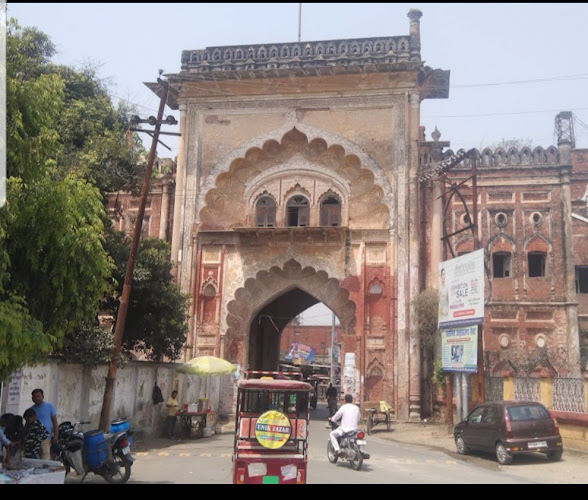
Rampur Fort, also known as Quila-e-Mualla, stands as a grand reminder of the Nawabi era in the heart of Rampur city, Uttar Pradesh. Built in the late 18th century by Nawab Faizullah Khan after the fall of the Rohilla power, this fort is more than just an old structure—it’s a living, breathing chapter of Indian history. The blend of Mughal, Persian, and regional Awadhi architectural elements gives it an unmistakable charm that feels both regal and grounded. You can almost sense the echoes of courtiers, poets, and scholars who once walked these halls.
The fort isn’t just about its walls and towers; it’s about the stories they hold. Inside, you’ll find the famous Raza Library—one of India’s most respected manuscript repositories, housing thousands of rare Persian, Arabic, Urdu, and Sanskrit texts. The library itself is a masterpiece, both in its collection and its architecture. I remember the first time I stepped into that library—the scent of old paper mixed with the faint dust from centuries past—it felt like stepping into another time. And while the fort has seen better days in some corners, its dignified wear and tear only add to the authenticity of the experience.
Visitors often find themselves drawn to the mosque within the fort complex, a serene space that reflects the deep spiritual roots of the place. The call to prayer drifting through the air at dusk creates an atmosphere that’s hard to describe—quiet yet powerful. The fort’s courtyards, arches, and intricate carvings speak volumes about the craftsmanship of an era when art and architecture were intertwined with daily life.
Though the fort has modern touches now—like accessible entrances and parking—it retains that old-world soul. Some travelers say it feels like walking into a living museum, while others see it as a peaceful retreat from the chaos of city life. Personally, I think it’s both. There’s a sense of calm here that’s hard to find elsewhere. Sure, not every corner is perfectly maintained, but that’s part of its story. It’s imperfect, aged, and real—just like history itself.
Key Features
- Architectural Heritage: A blend of Mughal, Awadhi, and Persian design elements with detailed latticework, domes, and arches that showcase fine craftsmanship.
- Raza Library: Home to over 30,000 rare manuscripts, miniature paintings, and historical documents—an absolute must-see for literature and history lovers.
- Congregation Hall: A peaceful area used for religious gatherings, reflecting the spiritual essence of the Nawabi period.
- Courtyards and Gardens: Expansive open spaces surrounded by greenery, ideal for leisurely walks and quiet reflection.
- Accessibility: Wheelchair-friendly entrances and parking ensure that all visitors can explore comfortably.
- Local Market Nearby: The surrounding Abbas Market offers traditional Rampuri caps, jewelry, and textiles—perfect for a bit of local shopping after your fort visit.
- Photography Opportunities: Every corner offers a frame-worthy shot, especially during golden hour when the sandstone glows warmly.
Best Time to Visit
If you’re planning a trip, the cooler months between October and March are ideal. The weather is pleasant enough to explore without feeling drained, and the fort’s sandstone walls look particularly beautiful under the soft winter sun. Summers can be quite hot, and the humidity tends to sap your energy quickly, so unless you’re used to North Indian heat, it’s best to avoid May and June. I once visited in December, and the early morning mist around the fort gave it this almost cinematic vibe—like something out of an old period film.
During festivals like Eid or local cultural events, the fort area buzzes with energy. You’ll find families, students, and travelers all soaking in the atmosphere. It’s a great time if you enjoy being part of a crowd, but if you prefer a quieter experience, weekdays are your best bet. The fort’s charm doesn’t fade with the seasons—it just changes character. Winter brings calm, summer brings intensity, and monsoon adds a touch of drama to the skies above its domes.
How to Get There
Rampur Fort is easily accessible by road and rail. The city of Rampur sits comfortably between Moradabad and Bareilly, both well-connected by train and highway. If you’re coming from Delhi, it’s roughly a 5-hour drive depending on traffic—long enough for a decent road trip playlist but short enough for a weekend getaway. The nearest railway station, Rampur Junction, is only a short ride from the fort, and local auto-rickshaws or taxis can get you there without much hassle.
For those flying in, the closest major airport is in Bareilly, about an hour and a half away by car. From there, you can easily hire a cab or use intercity buses. And if you’re the kind of traveler who enjoys scenic routes, the drive through the countryside offers glimpses of rural Uttar Pradesh—fields, small tea stalls, and the occasional herd of goats blocking your way (it happens more often than you’d think).
Parking isn’t an issue here. There’s a free parking lot right near the entrance, which is always a relief when you’re lugging cameras, tripods, or just your curiosity. The fort’s central location also means you can plan a full day exploring nearby attractions like the Raza Library, Shahi Bazaar, or local eateries serving Rampuri kebabs—trust me, they’re worth every calorie.
Tips for Visiting
Before you go, here are a few things I’ve learned from experience (and a few small mistakes along the way). First, wear comfortable shoes. The fort grounds are wide, and you’ll be walking a lot—sometimes on uneven paths. Bring a hat or scarf if you’re visiting during the day, as shade can be limited in some areas. And don’t forget your camera; the play of light and shadow here is a photographer’s dream.
If you’re a history buff, take your time in the Raza Library. It’s not just a collection of books—it’s a treasure chest of centuries-old knowledge. The staff are usually helpful and proud of their heritage, so don’t hesitate to ask questions. Just remember that photography inside the library might be restricted, so check before you click.
Families with kids will find the fort surprisingly accommodating. The open spaces are great for children to explore safely, and the atmosphere is calm enough for a relaxed outing. Accessibility is another plus point—wheelchair-friendly entrances and parking make it easier for everyone to enjoy the site.
Try to visit early in the morning or late in the afternoon. The light is softer, the crowds thinner, and the experience more personal. If you’re lucky, you might even catch a local guide who can share stories that aren’t written in any brochure—tales of the Nawabs, their poets, and the quiet revolutions that shaped the city.
And here’s a small personal tip: after exploring the fort, grab a cup of chai from a nearby vendor and just sit for a while. Watch the people, listen to the sounds, and let the place sink in. Rampur Fort isn’t about rushing through—it’s about feeling the rhythm of history that still hums quietly within its walls.
So, whether you’re a history lover, a photographer, or just someone who enjoys discovering places with real stories, Rampur Fort deserves a spot on your travel list. It’s not polished to perfection, and that’s exactly what makes it special. It’s a reminder that beauty often lies in the details time forgot to erase.
Key Features
- Key Features
- Best Time to Visit
- How to Get There
- Tips for Visiting
More Details
Updated November 9, 2025
Table of Contents
Description
Rampur Fort, also known as Quila-e-Mualla, stands as a grand reminder of the Nawabi era in the heart of Rampur city, Uttar Pradesh. Built in the late 18th century by Nawab Faizullah Khan after the fall of the Rohilla power, this fort is more than just an old structure—it’s a living, breathing chapter of Indian history. The blend of Mughal, Persian, and regional Awadhi architectural elements gives it an unmistakable charm that feels both regal and grounded. You can almost sense the echoes of courtiers, poets, and scholars who once walked these halls.
The fort isn’t just about its walls and towers; it’s about the stories they hold. Inside, you’ll find the famous Raza Library—one of India’s most respected manuscript repositories, housing thousands of rare Persian, Arabic, Urdu, and Sanskrit texts. The library itself is a masterpiece, both in its collection and its architecture. I remember the first time I stepped into that library—the scent of old paper mixed with the faint dust from centuries past—it felt like stepping into another time. And while the fort has seen better days in some corners, its dignified wear and tear only add to the authenticity of the experience.
Visitors often find themselves drawn to the mosque within the fort complex, a serene space that reflects the deep spiritual roots of the place. The call to prayer drifting through the air at dusk creates an atmosphere that’s hard to describe—quiet yet powerful. The fort’s courtyards, arches, and intricate carvings speak volumes about the craftsmanship of an era when art and architecture were intertwined with daily life.
Though the fort has modern touches now—like accessible entrances and parking—it retains that old-world soul. Some travelers say it feels like walking into a living museum, while others see it as a peaceful retreat from the chaos of city life. Personally, I think it’s both. There’s a sense of calm here that’s hard to find elsewhere. Sure, not every corner is perfectly maintained, but that’s part of its story. It’s imperfect, aged, and real—just like history itself.
Key Features
- Architectural Heritage: A blend of Mughal, Awadhi, and Persian design elements with detailed latticework, domes, and arches that showcase fine craftsmanship.
- Raza Library: Home to over 30,000 rare manuscripts, miniature paintings, and historical documents—an absolute must-see for literature and history lovers.
- Congregation Hall: A peaceful area used for religious gatherings, reflecting the spiritual essence of the Nawabi period.
- Courtyards and Gardens: Expansive open spaces surrounded by greenery, ideal for leisurely walks and quiet reflection.
- Accessibility: Wheelchair-friendly entrances and parking ensure that all visitors can explore comfortably.
- Local Market Nearby: The surrounding Abbas Market offers traditional Rampuri caps, jewelry, and textiles—perfect for a bit of local shopping after your fort visit.
- Photography Opportunities: Every corner offers a frame-worthy shot, especially during golden hour when the sandstone glows warmly.
Best Time to Visit
If you’re planning a trip, the cooler months between October and March are ideal. The weather is pleasant enough to explore without feeling drained, and the fort’s sandstone walls look particularly beautiful under the soft winter sun. Summers can be quite hot, and the humidity tends to sap your energy quickly, so unless you’re used to North Indian heat, it’s best to avoid May and June. I once visited in December, and the early morning mist around the fort gave it this almost cinematic vibe—like something out of an old period film.
During festivals like Eid or local cultural events, the fort area buzzes with energy. You’ll find families, students, and travelers all soaking in the atmosphere. It’s a great time if you enjoy being part of a crowd, but if you prefer a quieter experience, weekdays are your best bet. The fort’s charm doesn’t fade with the seasons—it just changes character. Winter brings calm, summer brings intensity, and monsoon adds a touch of drama to the skies above its domes.
How to Get There
Rampur Fort is easily accessible by road and rail. The city of Rampur sits comfortably between Moradabad and Bareilly, both well-connected by train and highway. If you’re coming from Delhi, it’s roughly a 5-hour drive depending on traffic—long enough for a decent road trip playlist but short enough for a weekend getaway. The nearest railway station, Rampur Junction, is only a short ride from the fort, and local auto-rickshaws or taxis can get you there without much hassle.
For those flying in, the closest major airport is in Bareilly, about an hour and a half away by car. From there, you can easily hire a cab or use intercity buses. And if you’re the kind of traveler who enjoys scenic routes, the drive through the countryside offers glimpses of rural Uttar Pradesh—fields, small tea stalls, and the occasional herd of goats blocking your way (it happens more often than you’d think).
Parking isn’t an issue here. There’s a free parking lot right near the entrance, which is always a relief when you’re lugging cameras, tripods, or just your curiosity. The fort’s central location also means you can plan a full day exploring nearby attractions like the Raza Library, Shahi Bazaar, or local eateries serving Rampuri kebabs—trust me, they’re worth every calorie.
Tips for Visiting
Before you go, here are a few things I’ve learned from experience (and a few small mistakes along the way). First, wear comfortable shoes. The fort grounds are wide, and you’ll be walking a lot—sometimes on uneven paths. Bring a hat or scarf if you’re visiting during the day, as shade can be limited in some areas. And don’t forget your camera; the play of light and shadow here is a photographer’s dream.
If you’re a history buff, take your time in the Raza Library. It’s not just a collection of books—it’s a treasure chest of centuries-old knowledge. The staff are usually helpful and proud of their heritage, so don’t hesitate to ask questions. Just remember that photography inside the library might be restricted, so check before you click.
Families with kids will find the fort surprisingly accommodating. The open spaces are great for children to explore safely, and the atmosphere is calm enough for a relaxed outing. Accessibility is another plus point—wheelchair-friendly entrances and parking make it easier for everyone to enjoy the site.
Try to visit early in the morning or late in the afternoon. The light is softer, the crowds thinner, and the experience more personal. If you’re lucky, you might even catch a local guide who can share stories that aren’t written in any brochure—tales of the Nawabs, their poets, and the quiet revolutions that shaped the city.
And here’s a small personal tip: after exploring the fort, grab a cup of chai from a nearby vendor and just sit for a while. Watch the people, listen to the sounds, and let the place sink in. Rampur Fort isn’t about rushing through—it’s about feeling the rhythm of history that still hums quietly within its walls.
So, whether you’re a history lover, a photographer, or just someone who enjoys discovering places with real stories, Rampur Fort deserves a spot on your travel list. It’s not polished to perfection, and that’s exactly what makes it special. It’s a reminder that beauty often lies in the details time forgot to erase.

Key Highlights
- Key Features
- Best Time to Visit
- How to Get There
- Tips for Visiting
Location
Places to Stay Near Rampur Fort
Find and Book a Tour
Explore More Travel Guides
No reviews found! Be the first to review!
Traveler Reviews for Rampur Fort
There are no reviews yet. Be the first one to write one.
Have you visited Rampur Fort? Help other travelers by sharing your review.
Find Accommodations Nearby
Recommended Tours & Activities
Visitor Reviews
There are no reviews yet. Be the first one to write one.
Share Your Experience
Have you visited Rampur Fort? Help other travelers by leaving a review.