
Rasht Museum of Archaeology
About Rasht Museum of Archaeology
Description
The Rasht Museum of Archaeology feels like one of those places that quietly surprises you. It doesn’t shout for attention the way some grand museums do, but there’s something about it that pulls you in. Maybe it’s the scent of old wood and stone, or maybe it’s the way the exhibits seem to whisper stories from centuries ago. Travelers often come here expecting a small provincial museum and leave realizing they’ve just walked through a condensed timeline of northern Iran’s soul.
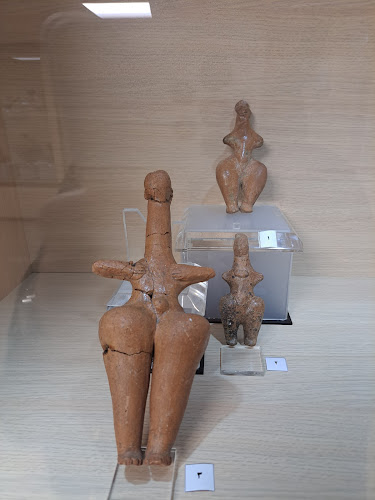
This museum, located in the heart of Rasht, tells the story of Gilan’s ancient civilizations—people who lived between the Caspian Sea and the lush Alborz Mountains long before modern borders existed. The building itself is modest yet charming, with that old-world architectural feel that hints at the city’s layered past. Inside, the air feels calm, almost reverent. You’ll find artifacts from prehistoric settlements, pottery that’s older than some countries, and tools that remind you how resourceful humans have always been.
What I personally love about this museum is how it manages to stay authentic. It’s not overly polished or flashy; instead, it feels real. You can actually sense the passage of time in the worn floors and slightly faded display labels. Some visitors might call that a flaw, but to me, it’s part of the charm—it’s history being history, not dressed up for show. And yes, maybe a few exhibits could use better lighting, but the stories they tell shine bright enough on their own.
Families often stop by, and kids seem to enjoy it more than you’d expect. The museum’s layout is easy to navigate, and there’s enough variety to keep both adults and younger visitors curious. It’s also wheelchair accessible, which is a big plus since not all older buildings in the region are. The staff, while not overly chatty, are helpful if you ask questions—they seem genuinely proud of the place.
Key Features
- Ancient Artifacts: Displays from early Gilan civilizations, including pottery, coins, and tools dating back thousands of years.
- Ethnographic Exhibits: Sections showing traditional clothing, crafts, and household items from rural Gilan communities.
- Archaeological Finds: Excavated items from nearby historical sites, offering a glimpse into the region’s trade and cultural exchanges.
- Educational Displays: Informative panels (some bilingual) explaining the evolution of local societies and their connection to Iran’s broader history.
- Family-Friendly Environment: Calm atmosphere and accessible layout, making it suitable for children and visitors of all ages.
- Accessibility: Wheelchair-accessible entrance and restrooms available on-site.
It’s not a massive museum—you can comfortably explore it in about an hour or two—but that’s part of its appeal. You can take your time, linger over the details, and actually absorb what you’re seeing. I remember standing in front of a glass case filled with ancient jewelry, thinking about how those small, delicate pieces once meant the world to someone centuries ago. There’s a quiet magic in that.
Best Time to Visit
Honestly, Rasht’s weather can be a bit unpredictable. It rains—a lot. But that’s part of what gives the city its lush greenery. The best time to visit the Rasht Museum of Archaeology is during the spring (April to June) or early autumn (September to October). The air feels fresh, the city’s streets are alive with color, and you won’t have to dodge as many puddles. Summer can get humid, and winter brings chilly, damp days that make you crave tea every few hours.
That said, there’s something oddly cozy about visiting the museum on a rainy afternoon. The sound of raindrops against the windows adds to the atmosphere, and you get to enjoy the exhibits in peace while most people are hiding indoors. If you’re the kind of traveler who enjoys quiet, reflective experiences, that might be your perfect moment.
How to Get There
Rasht is well-connected to other major cities in northern Iran, so reaching the museum isn’t difficult. You can take a bus or shared taxi from central Rasht—it’s a short ride, and locals are usually happy to point you in the right direction. If you’re driving, parking might be a bit tricky during peak hours, but there are side streets nearby where you can usually find a spot.
For those staying in the city center, walking is a pleasant option. The streets of Rasht have a certain charm—cafés, small shops, and that familiar hum of daily life. I once walked to the museum from my guesthouse on a mild morning, stopping for a cup of strong Iranian coffee along the way. It turned out to be one of those simple, perfect travel moments you don’t plan but remember anyway.
Tips for Visiting
Here’s the thing about the Rasht Museum of Archaeology—it’s best enjoyed slowly. Don’t rush through it like you’re checking off an itinerary box. Let yourself get lost in the details. Here are a few tips that might help you make the most of your visit:
- Go early in the day: Mornings are quieter, and you’ll have more space to explore without feeling hurried.
- Bring cash: Entrance fees are usually small, but card payments aren’t always accepted.
- Ask questions: The staff might not volunteer much information at first, but they’re knowledgeable and often share fascinating local insights if you show genuine interest.
- Photography: Check the rules before snapping pictures—some exhibits may restrict photography to protect delicate artifacts.
- Combine your visit: Pair your museum trip with a stroll through Rasht’s nearby bazaar or a stop at a traditional tea house. It gives you a fuller sense of the city’s rhythm.
- Weather check: If it’s raining (and it often is), bring an umbrella. The short walk to nearby attractions can turn into a soggy adventure otherwise.
One small but important thing—don’t expect the museum to be a high-tech experience. It’s not about digital screens or flashy presentations. It’s about authenticity. You’ll find real artifacts, real stories, and a genuine connection to the past. And that’s something many travelers, myself included, find far more meaningful.
Overall, the Rasht Museum of Archaeology offers a glimpse into the deep cultural roots of northern Iran. It’s not a place that tries to impress you with grandeur; instead, it invites you to slow down, observe, and imagine. Whether you’re a history lover, a casual traveler, or someone just curious about local heritage, it’s worth your time. You might walk out feeling like you’ve just had a quiet conversation with the past—and honestly, that’s the kind of experience that stays with you long after you’ve left.
Key Features
- Key Features
- Best Time to Visit
- How to Get There
- Tips for Visiting
More Details
Updated November 6, 2025
Table of Contents
Description
The Rasht Museum of Archaeology feels like one of those places that quietly surprises you. It doesn’t shout for attention the way some grand museums do, but there’s something about it that pulls you in. Maybe it’s the scent of old wood and stone, or maybe it’s the way the exhibits seem to whisper stories from centuries ago. Travelers often come here expecting a small provincial museum and leave realizing they’ve just walked through a condensed timeline of northern Iran’s soul.
This museum, located in the heart of Rasht, tells the story of Gilan’s ancient civilizations—people who lived between the Caspian Sea and the lush Alborz Mountains long before modern borders existed. The building itself is modest yet charming, with that old-world architectural feel that hints at the city’s layered past. Inside, the air feels calm, almost reverent. You’ll find artifacts from prehistoric settlements, pottery that’s older than some countries, and tools that remind you how resourceful humans have always been.
What I personally love about this museum is how it manages to stay authentic. It’s not overly polished or flashy; instead, it feels real. You can actually sense the passage of time in the worn floors and slightly faded display labels. Some visitors might call that a flaw, but to me, it’s part of the charm—it’s history being history, not dressed up for show. And yes, maybe a few exhibits could use better lighting, but the stories they tell shine bright enough on their own.
Families often stop by, and kids seem to enjoy it more than you’d expect. The museum’s layout is easy to navigate, and there’s enough variety to keep both adults and younger visitors curious. It’s also wheelchair accessible, which is a big plus since not all older buildings in the region are. The staff, while not overly chatty, are helpful if you ask questions—they seem genuinely proud of the place.
Key Features
- Ancient Artifacts: Displays from early Gilan civilizations, including pottery, coins, and tools dating back thousands of years.
- Ethnographic Exhibits: Sections showing traditional clothing, crafts, and household items from rural Gilan communities.
- Archaeological Finds: Excavated items from nearby historical sites, offering a glimpse into the region’s trade and cultural exchanges.
- Educational Displays: Informative panels (some bilingual) explaining the evolution of local societies and their connection to Iran’s broader history.
- Family-Friendly Environment: Calm atmosphere and accessible layout, making it suitable for children and visitors of all ages.
- Accessibility: Wheelchair-accessible entrance and restrooms available on-site.
It’s not a massive museum—you can comfortably explore it in about an hour or two—but that’s part of its appeal. You can take your time, linger over the details, and actually absorb what you’re seeing. I remember standing in front of a glass case filled with ancient jewelry, thinking about how those small, delicate pieces once meant the world to someone centuries ago. There’s a quiet magic in that.
Best Time to Visit
Honestly, Rasht’s weather can be a bit unpredictable. It rains—a lot. But that’s part of what gives the city its lush greenery. The best time to visit the Rasht Museum of Archaeology is during the spring (April to June) or early autumn (September to October). The air feels fresh, the city’s streets are alive with color, and you won’t have to dodge as many puddles. Summer can get humid, and winter brings chilly, damp days that make you crave tea every few hours.
That said, there’s something oddly cozy about visiting the museum on a rainy afternoon. The sound of raindrops against the windows adds to the atmosphere, and you get to enjoy the exhibits in peace while most people are hiding indoors. If you’re the kind of traveler who enjoys quiet, reflective experiences, that might be your perfect moment.
How to Get There
Rasht is well-connected to other major cities in northern Iran, so reaching the museum isn’t difficult. You can take a bus or shared taxi from central Rasht—it’s a short ride, and locals are usually happy to point you in the right direction. If you’re driving, parking might be a bit tricky during peak hours, but there are side streets nearby where you can usually find a spot.
For those staying in the city center, walking is a pleasant option. The streets of Rasht have a certain charm—cafés, small shops, and that familiar hum of daily life. I once walked to the museum from my guesthouse on a mild morning, stopping for a cup of strong Iranian coffee along the way. It turned out to be one of those simple, perfect travel moments you don’t plan but remember anyway.
Tips for Visiting
Here’s the thing about the Rasht Museum of Archaeology—it’s best enjoyed slowly. Don’t rush through it like you’re checking off an itinerary box. Let yourself get lost in the details. Here are a few tips that might help you make the most of your visit:
- Go early in the day: Mornings are quieter, and you’ll have more space to explore without feeling hurried.
- Bring cash: Entrance fees are usually small, but card payments aren’t always accepted.
- Ask questions: The staff might not volunteer much information at first, but they’re knowledgeable and often share fascinating local insights if you show genuine interest.
- Photography: Check the rules before snapping pictures—some exhibits may restrict photography to protect delicate artifacts.
- Combine your visit: Pair your museum trip with a stroll through Rasht’s nearby bazaar or a stop at a traditional tea house. It gives you a fuller sense of the city’s rhythm.
- Weather check: If it’s raining (and it often is), bring an umbrella. The short walk to nearby attractions can turn into a soggy adventure otherwise.
One small but important thing—don’t expect the museum to be a high-tech experience. It’s not about digital screens or flashy presentations. It’s about authenticity. You’ll find real artifacts, real stories, and a genuine connection to the past. And that’s something many travelers, myself included, find far more meaningful.
Overall, the Rasht Museum of Archaeology offers a glimpse into the deep cultural roots of northern Iran. It’s not a place that tries to impress you with grandeur; instead, it invites you to slow down, observe, and imagine. Whether you’re a history lover, a casual traveler, or someone just curious about local heritage, it’s worth your time. You might walk out feeling like you’ve just had a quiet conversation with the past—and honestly, that’s the kind of experience that stays with you long after you’ve left.
Key Highlights
- Key Features
- Best Time to Visit
- How to Get There
- Tips for Visiting
Location
Places to Stay Near Rasht Museum of Archaeology
Find and Book a Tour
Explore More Travel Guides
No reviews found! Be the first to review!
Traveler Reviews for Rasht Museum of Archaeology
There are no reviews yet. Be the first one to write one.
Have you visited Rasht Museum of Archaeology? Help other travelers by sharing your review.
You Might Also Like
Mohtasham Garden
Shariati St

Rasht Grand Bazaar
Find Accommodations Nearby
Recommended Tours & Activities
Visitor Reviews
There are no reviews yet. Be the first one to write one.
Share Your Experience
Have you visited Rasht Museum of Archaeology? Help other travelers by leaving a review.