

Rasht Grand Bazaar
About Rasht Grand Bazaar
Description
If there’s one place in northern Iran that truly buzzes with life, it’s the Rasht Grand Bazaar. This isn’t your typical Persian market tucked under domes and arches—it’s open-air, sprawling across roughly 24 hectares right in the heart of Rasht. The first time I wandered through it, I remember being completely overwhelmed—in the best way possible. The scent of smoked fish, fresh herbs, and rain-soaked cobblestones hit me all at once. It’s the kind of place that pulls you in with its raw authenticity, where every corner feels like a story waiting to happen.
Historically speaking, the bazaar dates back to the Safavid era, when trade routes connected Gilan’s lush farmlands and Caspian shores to the rest of Persia. Over time, it’s evolved into a living museum of local culture. You’ll see farmers from nearby villages selling bundles of garlic and wild vegetables, fishermen displaying their morning catch, and artisans hammering away at copper pots that gleam under the soft northern light. It’s not polished or overly curated, and that’s exactly what makes it so magnetic. You won’t find the same kind of architectural grandeur as in Isfahan or Tabriz, but you’ll find something rarer—real life happening in real time.
What I love most about Rasht’s bazaar is how it mirrors the spirit of Gilan itself—unpretentious, warm, and a little chaotic. Locals chat loudly over prices, shopkeepers offer you tea before you even think of buying anything, and the rain (because Rasht always seems to be raining) gives everything a soft, silvery sheen. And if you’re a foodie like me, this place is heaven. Think baskets of smoked fish, jars of pickled garlic, and mountains of fresh herbs that smell like spring. The bazaar isn’t just a shopping stop; it’s a sensory experience that captures the essence of northern Iran.
Key Features
- Open-air layout: Unlike most traditional Iranian bazaars, Rasht’s is roofless, allowing natural light to filter through and giving it an open, airy atmosphere.
- Historical significance: Its roots trace back to the Safavid period, making it one of the oldest continuously operating marketplaces in the region.
- Local produce and seafood: The bazaar is famous for fresh Caspian fish, olives, rice, and aromatic herbs unique to Gilan Province.
- Handicrafts and textiles: Shoppers can find handmade baskets, wooden utensils, traditional Gilaki fabrics, and copperware crafted by local artisans.
- Cultural diversity: The bazaar attracts traders and visitors from across northern Iran, reflecting a mix of Gilaki, Taleshi, and Azeri influences.
- Photography opportunities: Between the colorful stalls, lively faces, and play of light and shadow, it’s a dream for street photographers.
- Accessibility and amenities: The market offers wheelchair access, restrooms, and accepts credit card payments, which is a relief when you’ve already spent your cash on sweets and spices.
Best Time to Visit
Now, here’s the thing about Rasht—it rains. A lot. So if you’re planning a visit, spring and early autumn are your best bets. The weather is mild, the air smells fresh, and the produce stalls are overflowing with seasonal goods. Mornings are magical; the light is soft, the crowds are thinner, and you can actually hear the chatter of merchants setting up for the day. By midday, the place fills up fast, especially on weekends when locals come to stock up on ingredients for their family feasts.
Winter has its own charm, too, especially if you don’t mind a bit of drizzle. The bazaar feels cozier then, with vendors huddled under tarps and steam rising from tea kettles. Personally, I think Rasht in the rain is one of those underrated travel experiences. There’s something oddly romantic about wandering through puddles while holding a paper bag full of smoked fish and rice cakes. Just bring a raincoat—or better yet, buy one there. The locals know how to handle the weather better than anyone.
How to Get There
Reaching the Rasht Grand Bazaar is straightforward. It sits right in the city center, near Shahrdari Square, which makes it easy to find whether you’re arriving by taxi, private car, or on foot. If you’re staying in Rasht, you’ll probably end up passing it without even trying—it’s that central. Taxis are plentiful and inexpensive, and many drivers know the bazaar simply as “Bazar-e Bozorg.” If you’re coming from nearby towns like Anzali or Lahijan, minibuses and shared taxis run regularly into the city, dropping you close to the main square.
Parking can be tricky, especially during busy hours, so if you’re driving, aim to arrive early in the morning. The streets around the bazaar are narrow and often crowded with pedestrians, delivery carts, and the occasional motorbike weaving through the chaos. But that’s part of the adventure, right? Once you’re there, everything is within walking distance—cafes, old caravanserais, and even Rasht’s municipality building with its striking clock tower. It’s a compact area that rewards slow exploration.
Tips for Visiting
Here’s where a few insider tips can make your experience smoother—and more enjoyable. First, wear comfortable shoes. The bazaar’s cobblestones can be uneven, and you’ll be doing a lot of walking. Bring cash, even though some stalls accept cards; smaller vendors usually prefer cash, especially for produce and snacks. Bargaining is part of the culture, but do it with a smile. A friendly tone goes a long way here, and locals appreciate good humor more than hard negotiation.
If you’re into photography, mornings are best for natural light and fewer crowds. But ask before taking close-up shots of people—it’s just polite. Also, don’t rush. The beauty of this place lies in its details: the way a vendor arranges his herbs, the laughter of two women comparing fish prices, or the sound of rain tapping on tin roofs. Take your time to soak it all in.
Food-wise, don’t leave without trying local delicacies like mirza ghasemi (smoked eggplant dip) or torshi (pickled vegetables). Some stalls even serve small portions to sample. I once spent an entire afternoon hopping from one stand to another, tasting everything from sour olives to honeycomb straight from the hive. It’s easy to lose track of time here—and that’s exactly the point.
And one last thing: if you’re visiting on a Friday, expect shorter hours and fewer open stalls, as many vendors take the day off. But even then, the bazaar has a peaceful, almost nostalgic feel. You’ll see old men sipping tea, chatting about politics or football, as the city hums quietly around them. It’s moments like that when Rasht’s charm really hits you—not in the noise or the colors, but in the simple rhythm of everyday life.
In the end, the Rasht Grand Bazaar isn’t just a place to shop—it’s a place to connect. With the land, with its people, and maybe even with yourself a little. It’s messy, beautiful, and completely unforgettable. And if you leave without a bag full of local goodies, well… you’re stronger than I am.
Key Features
- Key Features
- Best Time to Visit
- How to Get There
- Tips for Visiting
More Details
Updated November 7, 2025
Table of Contents
Description
If there’s one place in northern Iran that truly buzzes with life, it’s the Rasht Grand Bazaar. This isn’t your typical Persian market tucked under domes and arches—it’s open-air, sprawling across roughly 24 hectares right in the heart of Rasht. The first time I wandered through it, I remember being completely overwhelmed—in the best way possible. The scent of smoked fish, fresh herbs, and rain-soaked cobblestones hit me all at once. It’s the kind of place that pulls you in with its raw authenticity, where every corner feels like a story waiting to happen.
Historically speaking, the bazaar dates back to the Safavid era, when trade routes connected Gilan’s lush farmlands and Caspian shores to the rest of Persia. Over time, it’s evolved into a living museum of local culture. You’ll see farmers from nearby villages selling bundles of garlic and wild vegetables, fishermen displaying their morning catch, and artisans hammering away at copper pots that gleam under the soft northern light. It’s not polished or overly curated, and that’s exactly what makes it so magnetic. You won’t find the same kind of architectural grandeur as in Isfahan or Tabriz, but you’ll find something rarer—real life happening in real time.
What I love most about Rasht’s bazaar is how it mirrors the spirit of Gilan itself—unpretentious, warm, and a little chaotic. Locals chat loudly over prices, shopkeepers offer you tea before you even think of buying anything, and the rain (because Rasht always seems to be raining) gives everything a soft, silvery sheen. And if you’re a foodie like me, this place is heaven. Think baskets of smoked fish, jars of pickled garlic, and mountains of fresh herbs that smell like spring. The bazaar isn’t just a shopping stop; it’s a sensory experience that captures the essence of northern Iran.
Key Features
- Open-air layout: Unlike most traditional Iranian bazaars, Rasht’s is roofless, allowing natural light to filter through and giving it an open, airy atmosphere.
- Historical significance: Its roots trace back to the Safavid period, making it one of the oldest continuously operating marketplaces in the region.
- Local produce and seafood: The bazaar is famous for fresh Caspian fish, olives, rice, and aromatic herbs unique to Gilan Province.
- Handicrafts and textiles: Shoppers can find handmade baskets, wooden utensils, traditional Gilaki fabrics, and copperware crafted by local artisans.
- Cultural diversity: The bazaar attracts traders and visitors from across northern Iran, reflecting a mix of Gilaki, Taleshi, and Azeri influences.
- Photography opportunities: Between the colorful stalls, lively faces, and play of light and shadow, it’s a dream for street photographers.
- Accessibility and amenities: The market offers wheelchair access, restrooms, and accepts credit card payments, which is a relief when you’ve already spent your cash on sweets and spices.
Best Time to Visit
Now, here’s the thing about Rasht—it rains. A lot. So if you’re planning a visit, spring and early autumn are your best bets. The weather is mild, the air smells fresh, and the produce stalls are overflowing with seasonal goods. Mornings are magical; the light is soft, the crowds are thinner, and you can actually hear the chatter of merchants setting up for the day. By midday, the place fills up fast, especially on weekends when locals come to stock up on ingredients for their family feasts.
Winter has its own charm, too, especially if you don’t mind a bit of drizzle. The bazaar feels cozier then, with vendors huddled under tarps and steam rising from tea kettles. Personally, I think Rasht in the rain is one of those underrated travel experiences. There’s something oddly romantic about wandering through puddles while holding a paper bag full of smoked fish and rice cakes. Just bring a raincoat—or better yet, buy one there. The locals know how to handle the weather better than anyone.
How to Get There
Reaching the Rasht Grand Bazaar is straightforward. It sits right in the city center, near Shahrdari Square, which makes it easy to find whether you’re arriving by taxi, private car, or on foot. If you’re staying in Rasht, you’ll probably end up passing it without even trying—it’s that central. Taxis are plentiful and inexpensive, and many drivers know the bazaar simply as “Bazar-e Bozorg.” If you’re coming from nearby towns like Anzali or Lahijan, minibuses and shared taxis run regularly into the city, dropping you close to the main square.
Parking can be tricky, especially during busy hours, so if you’re driving, aim to arrive early in the morning. The streets around the bazaar are narrow and often crowded with pedestrians, delivery carts, and the occasional motorbike weaving through the chaos. But that’s part of the adventure, right? Once you’re there, everything is within walking distance—cafes, old caravanserais, and even Rasht’s municipality building with its striking clock tower. It’s a compact area that rewards slow exploration.
Tips for Visiting
Here’s where a few insider tips can make your experience smoother—and more enjoyable. First, wear comfortable shoes. The bazaar’s cobblestones can be uneven, and you’ll be doing a lot of walking. Bring cash, even though some stalls accept cards; smaller vendors usually prefer cash, especially for produce and snacks. Bargaining is part of the culture, but do it with a smile. A friendly tone goes a long way here, and locals appreciate good humor more than hard negotiation.
If you’re into photography, mornings are best for natural light and fewer crowds. But ask before taking close-up shots of people—it’s just polite. Also, don’t rush. The beauty of this place lies in its details: the way a vendor arranges his herbs, the laughter of two women comparing fish prices, or the sound of rain tapping on tin roofs. Take your time to soak it all in.
Food-wise, don’t leave without trying local delicacies like mirza ghasemi (smoked eggplant dip) or torshi (pickled vegetables). Some stalls even serve small portions to sample. I once spent an entire afternoon hopping from one stand to another, tasting everything from sour olives to honeycomb straight from the hive. It’s easy to lose track of time here—and that’s exactly the point.
And one last thing: if you’re visiting on a Friday, expect shorter hours and fewer open stalls, as many vendors take the day off. But even then, the bazaar has a peaceful, almost nostalgic feel. You’ll see old men sipping tea, chatting about politics or football, as the city hums quietly around them. It’s moments like that when Rasht’s charm really hits you—not in the noise or the colors, but in the simple rhythm of everyday life.
In the end, the Rasht Grand Bazaar isn’t just a place to shop—it’s a place to connect. With the land, with its people, and maybe even with yourself a little. It’s messy, beautiful, and completely unforgettable. And if you leave without a bag full of local goodies, well… you’re stronger than I am.
Key Highlights
- Key Features
- Best Time to Visit
- How to Get There
- Tips for Visiting
Location
Places to Stay Near Rasht Grand Bazaar
Find and Book a Tour
Explore More Travel Guides
No reviews found! Be the first to review!
Traveler Reviews for Rasht Grand Bazaar
There are no reviews yet. Be the first one to write one.
Have you visited Rasht Grand Bazaar? Help other travelers by sharing your review.
You Might Also Like
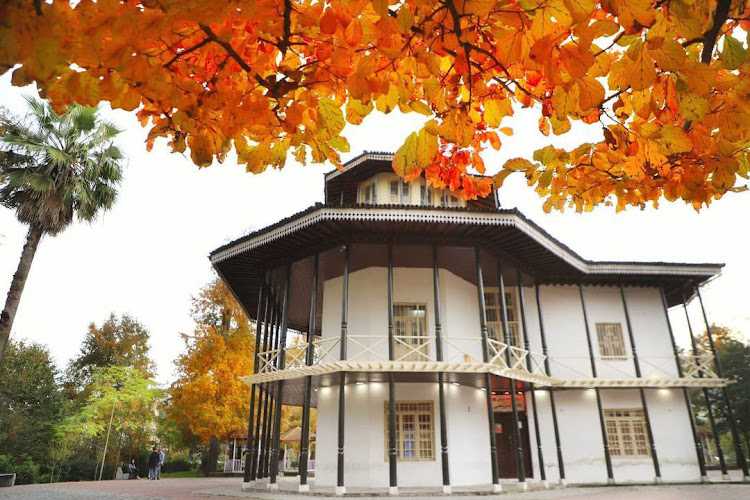
Mohtasham Garden
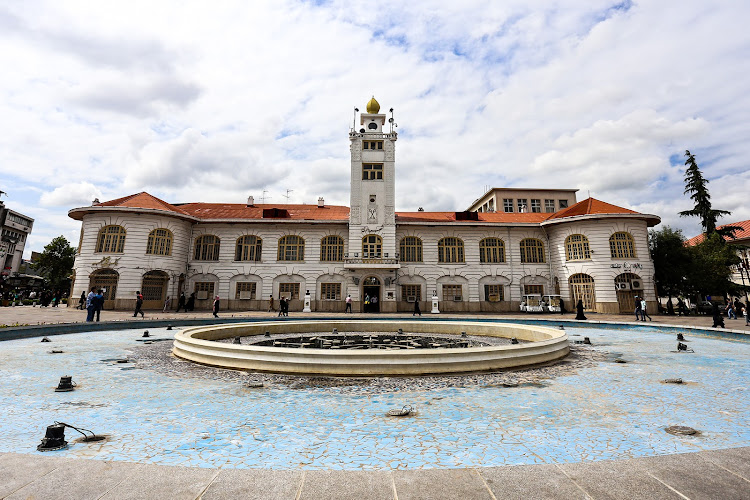
Rasht
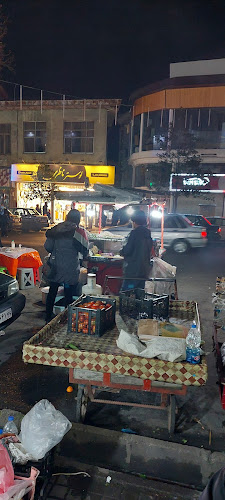
Shariati St
Find Accommodations Nearby
Recommended Tours & Activities
Visitor Reviews
There are no reviews yet. Be the first one to write one.
Share Your Experience
Have you visited Rasht Grand Bazaar? Help other travelers by leaving a review.