
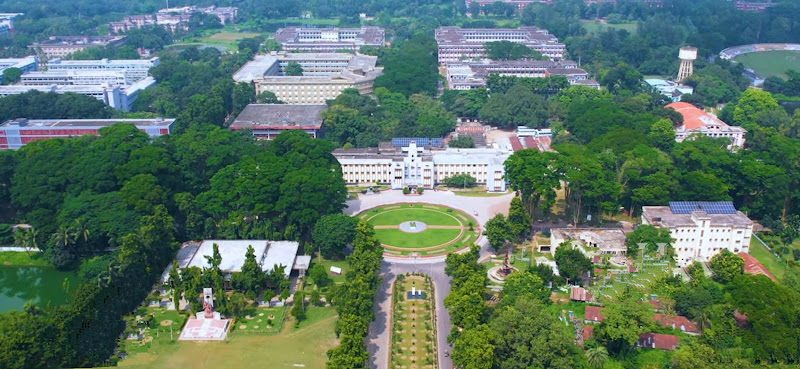
Rajshahi
About Rajshahi
Description
Rajshahi stands as one of Bangladesh's most significant metropolitan areas, though it often flies under the radar compared to Dhaka or Chittagong. And honestly? That's part of its charm. This northwestern city serves as the administrative heart of both Rajshahi Division and District, but reducing it to just bureaucratic functions would be doing it a massive disservice. The city pulses with academic energy, commercial activity, and a cultural heritage that stretches back centuries. What strikes most visitors first is the cleanliness. I'm not exaggerating when I say Rajshahi consistently ranks as one of the cleanest cities in Bangladesh. The tree-lined streets create a canopy of green that provides welcome shade during hot afternoons, and the slower pace compared to Dhaka feels like a breath of fresh air. Literally. The city sits along the banks of the Padma River, which adds a scenic dimension to the urban landscape that you won't find in many Bangladeshi cities. Rajshahi has earned its reputation as an educational hub with numerous universities and colleges drawing students from across the country. The University of Rajshahi, established in 1953, dominates much of the city's intellectual landscape. But beyond academia, the city serves as a commercial center for the silk industry and mango trade. The mangoes here are legendary, by the way. During mango season, the entire city transforms into a fragrant marketplace where varieties you've never heard of appear in abundance. The archaeological significance of the surrounding region adds another layer to Rajshahi's appeal. Ancient Buddhist monasteries, Hindu temples, and historical sites dot the landscape within easy traveling distance. The city itself maintains a blend of colonial-era architecture alongside modern development, creating an interesting visual contrast as you explore different neighborhoods.Key Features
Travelers heading to Rajshahi will discover several distinctive characteristics that set this city apart: • The cleanest major city in Bangladesh, with well-maintained streets and public spaces that make exploration pleasant • Home to Varendra Research Museum, the oldest museum in Bangladesh, housing an impressive collection of archaeological artifacts from the region • Famous silk production centers where visitors can witness traditional weaving techniques and purchase high-quality silk products • Extensive mango orchards surrounding the city, producing some of the finest mango varieties in South Asia • Padma River frontage offering scenic views, especially during sunset when locals gather along the riverbanks • University of Rajshahi campus, a beautiful sprawling space with botanical gardens and historic buildings worth exploring • Proximity to Puthia Temple Complex, one of the most significant collections of historic Hindu temples in Bangladesh • Less crowded than other major Bangladeshi cities, providing a more relaxed travel experience • Strong infrastructure for education and commerce, resulting in better facilities and services for visitors • Rich archaeological heritage with ancient Buddhist viharas like Paharpur nearby • Traditional markets selling local handicrafts, particularly silk and pottery items • Lower pollution levels compared to Dhaka, making it easier on the respiratory systemBest Time to Visit
Timing your visit to Rajshahi can make the difference between a good trip and an unforgettable one. The winter months from November through February offer the most comfortable weather conditions. Temperatures hover between 10°C and 25°C, which feels absolutely perfect for walking around the city and exploring outdoor sites. The air stays crisp and clear during these months, and you'll understand why locals consider this the peak season for tourism. But here's something most guidebooks won't tell you: if you're a mango enthusiast, plan your visit for May or June despite the heat. Yes, temperatures soar into the high 30s Celsius, and humidity can be challenging. However, this is when Rajshahi truly becomes the mango capital of Bangladesh. The markets overflow with varieties like Langra, Fazli, and Gopalbhog. The entire city smells sweet, and you'll taste mangoes so fresh and flavorful that supermarket mangoes will never satisfy you again. The monsoon season runs from June through September, bringing heavy rainfall that can disrupt travel plans. Roads might flood, and outdoor activities become less appealing. I'd generally recommend avoiding these months unless you don't mind getting wet and dealing with transportation delays. That said, the countryside turns incredibly lush and green during monsoons, presenting photographic opportunities you won't find during dry season. March and April mark the transition into summer, with rising temperatures but before the monsoon arrives. These months work well if you're looking for lower hotel prices and fewer crowds. October similarly serves as a shoulder season month when the monsoons retreat but winter hasn't quite arrived. The weather remains warm but manageable, and you'll find decent deals on accommodation. For cultural events, consider timing your visit around Pohela Boishakh, the Bengali New Year in mid-April, when the city celebrates with traditional music, dance, and food festivals. Despite the heat, the festive atmosphere makes it worthwhile.How to Get There
Getting to Rajshahi requires some planning, but multiple transportation options make the journey accessible from various parts of Bangladesh and beyond. By air, Shah Makhdum Airport serves Rajshahi with domestic flights connecting to Dhaka. The flight takes roughly 45 minutes, which beats spending hours on the road. However, flight schedules can be limited, so book in advance. The airport sits about 10 kilometers from the city center, and you'll need to arrange a taxi or ride-sharing service to reach your accommodation. Road travel remains the most popular option for reaching Rajshahi. From Dhaka, the journey takes approximately six to seven hours depending on traffic conditions. Multiple bus companies operate daily services, ranging from basic non-AC buses to more comfortable AC coaches with better seating. I'd recommend spending extra for the AC services because comfort matters on longer journeys. Companies like Green Line, Hanif Enterprise, and Shyamoli Paribahan run regular routes. The buses typically depart from Dhaka's Gabtoli or Kalyanpur bus terminals. If you're coming from India, Rajshahi's location in northwestern Bangladesh makes it relatively accessible from Kolkata. The nearest border crossing at Rohanpur-Singhabad sees regular traffic, though you'll need to arrange proper visa documentation beforehand. Some travelers prefer crossing into India from Rajshahi to visit nearby Indian cities. Train service connects Rajshahi to Dhaka and other major cities, though trains in Bangladesh can be unpredictable regarding timing. The railway station sits in the heart of the city, making it convenient once you arrive. The train journey offers scenic views of rural Bangladesh that you miss when flying, and it's generally more comfortable than buses for overnight travel. Within Rajshahi itself, rickshaws, auto-rickshaws (CNGs), and ride-sharing apps like Uber and Pathao operate throughout the city. The relatively compact size of the main tourist areas means you can cover significant ground without spending much on local transport.Tips for Visiting
Having spent time in Rajshahi, I've picked up insights that'll make your visit smoother and more enjoyable. Dress conservatively, especially when visiting religious sites or venturing outside tourist areas. Bangladesh maintains traditional values in smaller cities, and respectful clothing helps you blend in better. Light, breathable fabrics work best given the climate. Women should consider carrying a scarf for entering mosques or temples. Learn a few Bengali phrases. English proficiency outside universities and major hotels isn't guaranteed, and locals genuinely appreciate even basic attempts at their language. "Dhonnobad" (thank you) and "Koto taka?" (how much?) will serve you well in markets. Cash remains king in Rajshahi. While larger hotels and restaurants accept cards, most small businesses, markets, and local eateries operate on cash only. ATMs exist throughout the city, but don't assume you'll find one immediately when needed. Stock up on smaller denomination notes because vendors often struggle to make change for large bills. Try the local cuisine beyond your hotel restaurant. Rajshahi has fantastic street food if you've got an adventurous stomach. The pitha (traditional rice cakes) during winter months are exceptional. Silk products make excellent souvenirs, but bargain respectfully in markets. Starting at 40-50% of the initial asking price isn't unreasonable. Stay hydrated but stick to bottled or purified water. Rajshahi's tap water isn't recommended for foreign visitors. Most hotels provide complimentary bottled water, and it's inexpensive to purchase. The city's relatively safe compared to larger Bangladeshi cities, but standard precautions apply. Keep valuables secure, avoid displaying expensive jewelry or electronics, and be mindful of your belongings in crowded areas. Plan day trips to nearby archaeological sites like Puthia or Paharpur during your stay. These locations offer incredible historical experiences but require several hours of travel. Hiring a private car with a driver costs more than public transport but provides flexibility and comfort worth considering. Respect photography restrictions at religious sites and always ask permission before photographing people. Some locals welcome it warmly, others prefer privacy. The University of Rajshahi campus welcomes visitors, and walking through the botanical gardens provides a peaceful afternoon activity. Students often practice English and might approach you for conversation, which can lead to interesting cultural exchanges. Banking hours typically run from 10 AM to 4 PM Sunday through Thursday, with limited hours on Saturday. Plan accordingly if you need banking services. Rajshahi experiences occasional power outages, though less frequently than other Bangladeshi cities. A portable charger for your devices isn't a bad idea. Most hotels have backup generators, but smaller guesthouses might not. Finally, give yourself time to simply wander without an agenda. Rajshahi's charm often reveals itself in unhurried moments—watching the Padma River at dusk, chatting with silk weavers about their craft, or savoring mangoes at a roadside stall. Some of my best memories from the city came from unplanned encounters rather than ticking off tourist sites.Key Features
- Varendra Research Museum and archaeological collections
- Close access to Puthia Rajbari and historic temple complexes
- Silk production heritage and local handicrafts
- Riverside promenades along the Padma
- Collegiate and colonial-era civic architecture
More Details
Updated January 17, 2026
Table of Contents
Description
Rajshahi stands as one of Bangladesh’s most significant metropolitan areas, though it often flies under the radar compared to Dhaka or Chittagong. And honestly? That’s part of its charm. This northwestern city serves as the administrative heart of both Rajshahi Division and District, but reducing it to just bureaucratic functions would be doing it a massive disservice. The city pulses with academic energy, commercial activity, and a cultural heritage that stretches back centuries.
What strikes most visitors first is the cleanliness. I’m not exaggerating when I say Rajshahi consistently ranks as one of the cleanest cities in Bangladesh. The tree-lined streets create a canopy of green that provides welcome shade during hot afternoons, and the slower pace compared to Dhaka feels like a breath of fresh air. Literally. The city sits along the banks of the Padma River, which adds a scenic dimension to the urban landscape that you won’t find in many Bangladeshi cities.
Rajshahi has earned its reputation as an educational hub with numerous universities and colleges drawing students from across the country. The University of Rajshahi, established in 1953, dominates much of the city’s intellectual landscape. But beyond academia, the city serves as a commercial center for the silk industry and mango trade. The mangoes here are legendary, by the way. During mango season, the entire city transforms into a fragrant marketplace where varieties you’ve never heard of appear in abundance.
The archaeological significance of the surrounding region adds another layer to Rajshahi’s appeal. Ancient Buddhist monasteries, Hindu temples, and historical sites dot the landscape within easy traveling distance. The city itself maintains a blend of colonial-era architecture alongside modern development, creating an interesting visual contrast as you explore different neighborhoods.
Key Features
Travelers heading to Rajshahi will discover several distinctive characteristics that set this city apart:
• The cleanest major city in Bangladesh, with well-maintained streets and public spaces that make exploration pleasant
• Home to Varendra Research Museum, the oldest museum in Bangladesh, housing an impressive collection of archaeological artifacts from the region
• Famous silk production centers where visitors can witness traditional weaving techniques and purchase high-quality silk products
• Extensive mango orchards surrounding the city, producing some of the finest mango varieties in South Asia
• Padma River frontage offering scenic views, especially during sunset when locals gather along the riverbanks
• University of Rajshahi campus, a beautiful sprawling space with botanical gardens and historic buildings worth exploring
• Proximity to Puthia Temple Complex, one of the most significant collections of historic Hindu temples in Bangladesh
• Less crowded than other major Bangladeshi cities, providing a more relaxed travel experience
• Strong infrastructure for education and commerce, resulting in better facilities and services for visitors
• Rich archaeological heritage with ancient Buddhist viharas like Paharpur nearby
• Traditional markets selling local handicrafts, particularly silk and pottery items
• Lower pollution levels compared to Dhaka, making it easier on the respiratory system
Best Time to Visit
Timing your visit to Rajshahi can make the difference between a good trip and an unforgettable one. The winter months from November through February offer the most comfortable weather conditions. Temperatures hover between 10°C and 25°C, which feels absolutely perfect for walking around the city and exploring outdoor sites. The air stays crisp and clear during these months, and you’ll understand why locals consider this the peak season for tourism.
But here’s something most guidebooks won’t tell you: if you’re a mango enthusiast, plan your visit for May or June despite the heat. Yes, temperatures soar into the high 30s Celsius, and humidity can be challenging. However, this is when Rajshahi truly becomes the mango capital of Bangladesh. The markets overflow with varieties like Langra, Fazli, and Gopalbhog. The entire city smells sweet, and you’ll taste mangoes so fresh and flavorful that supermarket mangoes will never satisfy you again.
The monsoon season runs from June through September, bringing heavy rainfall that can disrupt travel plans. Roads might flood, and outdoor activities become less appealing. I’d generally recommend avoiding these months unless you don’t mind getting wet and dealing with transportation delays. That said, the countryside turns incredibly lush and green during monsoons, presenting photographic opportunities you won’t find during dry season.
March and April mark the transition into summer, with rising temperatures but before the monsoon arrives. These months work well if you’re looking for lower hotel prices and fewer crowds. October similarly serves as a shoulder season month when the monsoons retreat but winter hasn’t quite arrived. The weather remains warm but manageable, and you’ll find decent deals on accommodation.
For cultural events, consider timing your visit around Pohela Boishakh, the Bengali New Year in mid-April, when the city celebrates with traditional music, dance, and food festivals. Despite the heat, the festive atmosphere makes it worthwhile.
How to Get There
Getting to Rajshahi requires some planning, but multiple transportation options make the journey accessible from various parts of Bangladesh and beyond.
By air, Shah Makhdum Airport serves Rajshahi with domestic flights connecting to Dhaka. The flight takes roughly 45 minutes, which beats spending hours on the road. However, flight schedules can be limited, so book in advance. The airport sits about 10 kilometers from the city center, and you’ll need to arrange a taxi or ride-sharing service to reach your accommodation.
Road travel remains the most popular option for reaching Rajshahi. From Dhaka, the journey takes approximately six to seven hours depending on traffic conditions. Multiple bus companies operate daily services, ranging from basic non-AC buses to more comfortable AC coaches with better seating. I’d recommend spending extra for the AC services because comfort matters on longer journeys. Companies like Green Line, Hanif Enterprise, and Shyamoli Paribahan run regular routes. The buses typically depart from Dhaka’s Gabtoli or Kalyanpur bus terminals.
If you’re coming from India, Rajshahi’s location in northwestern Bangladesh makes it relatively accessible from Kolkata. The nearest border crossing at Rohanpur-Singhabad sees regular traffic, though you’ll need to arrange proper visa documentation beforehand. Some travelers prefer crossing into India from Rajshahi to visit nearby Indian cities.
Train service connects Rajshahi to Dhaka and other major cities, though trains in Bangladesh can be unpredictable regarding timing. The railway station sits in the heart of the city, making it convenient once you arrive. The train journey offers scenic views of rural Bangladesh that you miss when flying, and it’s generally more comfortable than buses for overnight travel.
Within Rajshahi itself, rickshaws, auto-rickshaws (CNGs), and ride-sharing apps like Uber and Pathao operate throughout the city. The relatively compact size of the main tourist areas means you can cover significant ground without spending much on local transport.
Tips for Visiting
Having spent time in Rajshahi, I’ve picked up insights that’ll make your visit smoother and more enjoyable.
Dress conservatively, especially when visiting religious sites or venturing outside tourist areas. Bangladesh maintains traditional values in smaller cities, and respectful clothing helps you blend in better. Light, breathable fabrics work best given the climate. Women should consider carrying a scarf for entering mosques or temples.
Learn a few Bengali phrases. English proficiency outside universities and major hotels isn’t guaranteed, and locals genuinely appreciate even basic attempts at their language. “Dhonnobad” (thank you) and “Koto taka?” (how much?) will serve you well in markets.
Cash remains king in Rajshahi. While larger hotels and restaurants accept cards, most small businesses, markets, and local eateries operate on cash only. ATMs exist throughout the city, but don’t assume you’ll find one immediately when needed. Stock up on smaller denomination notes because vendors often struggle to make change for large bills.
Try the local cuisine beyond your hotel restaurant. Rajshahi has fantastic street food if you’ve got an adventurous stomach. The pitha (traditional rice cakes) during winter months are exceptional. Silk products make excellent souvenirs, but bargain respectfully in markets. Starting at 40-50% of the initial asking price isn’t unreasonable.
Stay hydrated but stick to bottled or purified water. Rajshahi’s tap water isn’t recommended for foreign visitors. Most hotels provide complimentary bottled water, and it’s inexpensive to purchase.
The city’s relatively safe compared to larger Bangladeshi cities, but standard precautions apply. Keep valuables secure, avoid displaying expensive jewelry or electronics, and be mindful of your belongings in crowded areas.
Plan day trips to nearby archaeological sites like Puthia or Paharpur during your stay. These locations offer incredible historical experiences but require several hours of travel. Hiring a private car with a driver costs more than public transport but provides flexibility and comfort worth considering.
Respect photography restrictions at religious sites and always ask permission before photographing people. Some locals welcome it warmly, others prefer privacy.
The University of Rajshahi campus welcomes visitors, and walking through the botanical gardens provides a peaceful afternoon activity. Students often practice English and might approach you for conversation, which can lead to interesting cultural exchanges.
Banking hours typically run from 10 AM to 4 PM Sunday through Thursday, with limited hours on Saturday. Plan accordingly if you need banking services.
Rajshahi experiences occasional power outages, though less frequently than other Bangladeshi cities. A portable charger for your devices isn’t a bad idea. Most hotels have backup generators, but smaller guesthouses might not.
Finally, give yourself time to simply wander without an agenda. Rajshahi’s charm often reveals itself in unhurried moments—watching the Padma River at dusk, chatting with silk weavers about their craft, or savoring mangoes at a roadside stall. Some of my best memories from the city came from unplanned encounters rather than ticking off tourist sites.
Key Highlights
- Varendra Research Museum and archaeological collections
- Close access to Puthia Rajbari and historic temple complexes
- Silk production heritage and local handicrafts
- Riverside promenades along the Padma
- Collegiate and colonial-era civic architecture
Location
Places to Stay Near Rajshahi
Find and Book a Tour
Explore More Travel Guides
No reviews found! Be the first to review!
Traveler Reviews for Rajshahi
There are no reviews yet. Be the first one to write one.
Have you visited Rajshahi? Help other travelers by sharing your review.
Nearby Attractions
You Might Also Like
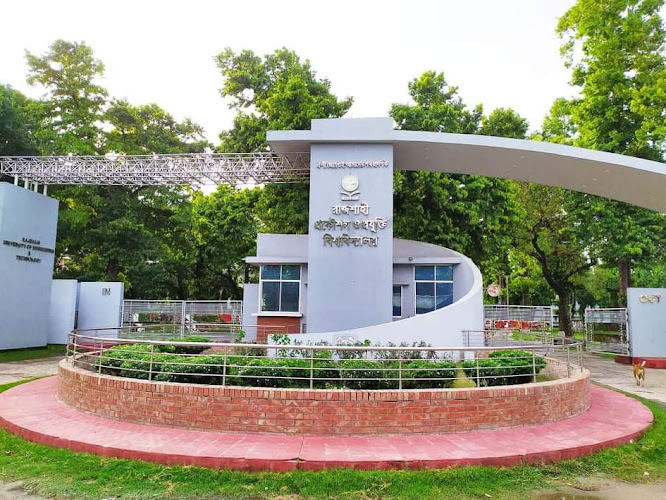
Rajshahi University of Engineering & Technology(RUET)
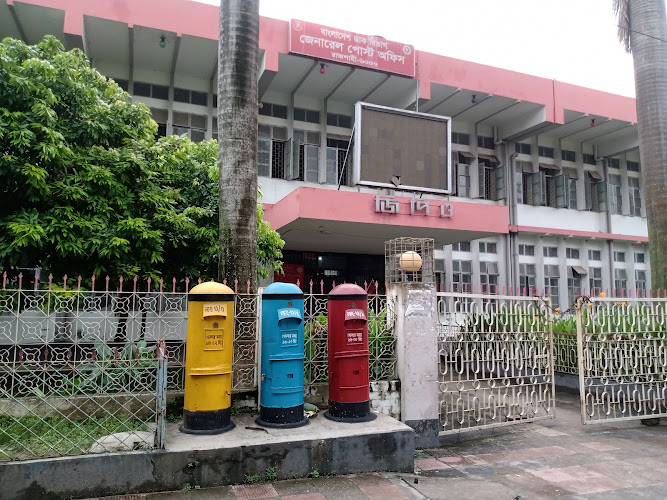
Rajshahi GPO
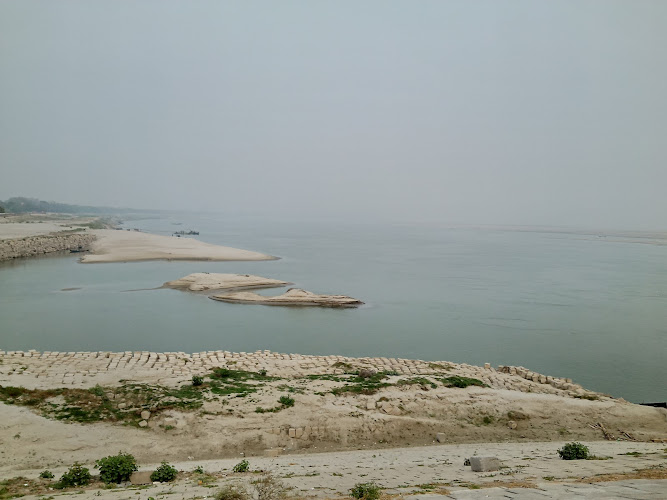
Nobogonga I-Badh, Rajshahi
Find Accommodations Nearby
Recommended Tours & Activities
Visitor Reviews
There are no reviews yet. Be the first one to write one.
Share Your Experience
Have you visited Rajshahi? Help other travelers by leaving a review.