
Quinta Mazatlan
About Quinta Mazatlan
Description
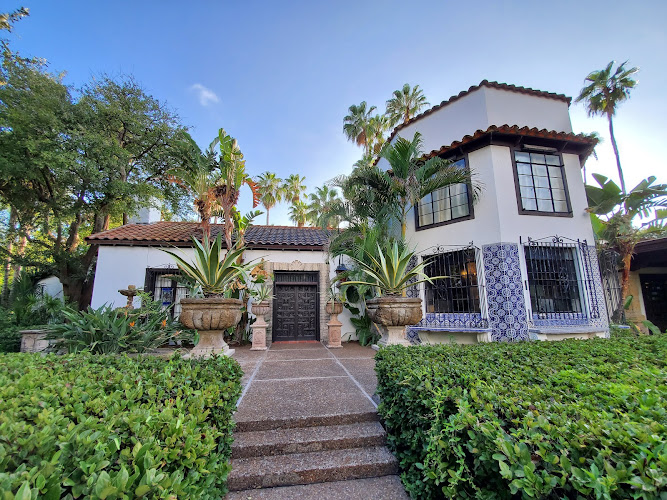
Quinta Mazatlan stands as one of South Texas's most captivating historical estates, offering visitors a rare glimpse into the region's architectural heritage while serving as an urban oasis for nature enthusiasts and bird watchers alike. This Spanish-revival mansion, surrounded by lush tropical gardens spanning several acres, has become a premier destination for travelers seeking something beyond the typical tourist experience. The estate itself tells a story of early 20th-century elegance, with its distinctive architectural elements showcasing the Spanish Colonial Revival style that was popular during the 1930s. Walking through the property feels like stepping back in time, though the estate has been carefully adapted to serve modern conservation and educational purposes. What really sets this place apart from other historical sites is its dual identity - it's not just about preserving the past, but actively contributing to environmental conservation in the present. And honestly, where else can you explore a historic mansion while potentially spotting over 250 species of birds? The property has earned recognition as a World Birding Center site, making it a crucial stop along migratory routes. During peak seasons, the gardens transform into a bustling hub of avian activity that draws enthusiasts from across the country and beyond. The grounds themselves are absolutely spectacular, with native plants and trees creating habitat corridors that support local wildlife. You'll find yourself wandering through trails that wind past butterfly gardens, woodland areas, and carefully maintained landscaping that demonstrates sustainable gardening practices. It's become one of those places where you plan to spend an hour and suddenly realize three have passed.Key Features
The estate offers numerous attractions that make it worth adding to any South Texas itinerary:- A beautifully preserved Spanish-revival mansion that serves as an architectural showcase of 1930s design and craftsmanship
- Over 15 acres of native tropical gardens featuring indigenous plants that attract butterflies, birds, and other wildlife throughout the year
- More than 250 documented bird species, including rare sightings of Green Jays, Great Kiskadees, and various parrot species
- Nature trails that meander through different habitat types, offering varying perspectives of the gardens and wildlife
- Educational programs and workshops focused on conservation, birding, and native gardening techniques
- A gift shop featuring nature-themed items, field guides, and locally crafted goods
- Fully accessible pathways and facilities making the estate welcoming for visitors with mobility considerations
- Free parking on-site, which honestly is a bigger deal than people realize when visiting popular attractions
- Guided tours that provide deeper insights into the estate's history, architecture, and ecological significance
- Photo opportunities at every turn, from the mansion's architectural details to the incredible wildlife encounters
Best Time to Visit
Timing your visit to Quinta Mazatlan can dramatically affect your experience, particularly if you're interested in birding. The fall and spring migration periods, roughly from March through May and September through November, bring the most diverse array of bird species to the property. During these windows, you might witness dozens of different species in a single morning, including warblers, tanagers, and orioles making their way along the Central Flyway. Winter months from December through February offer pleasant temperatures for exploring the grounds, typically ranging from the mid-60s to low 70s Fahrenheit. This is when many northerners escape the cold, and the estate becomes a popular destination for snowbirds who've discovered this hidden gem. The cooler weather makes walking the trails more comfortable, though you'll encounter fewer migratory species. Summer visits require some preparation - South Texas heat can be intense from June through August, with temperatures regularly climbing into the 90s and humidity making it feel even warmer. But here's the thing: early morning visits during summer can be absolutely magical. Arriving right when the gates open means experiencing the gardens at their most serene, with morning light filtering through the trees and resident birds at their most active. Weekday mornings generally offer the most peaceful experience regardless of season. Weekends can get busier, especially during special events or peak migration periods. I've found that Tuesday through Thursday mornings provide the best balance of wildlife activity and fewer crowds, letting you really immerse yourself in the natural surroundings without feeling rushed. Special events throughout the year, including birding festivals and nature photography workshops, can enhance your visit but also mean larger crowds. Check ahead if you prefer a quieter experience or specifically want to participate in guided activities.How to Get There
Quinta Mazatlan sits in the Rio Grande Valley of South Texas, making it accessible from several major routes depending on your starting point. Most visitors arrive by car, which remains the most practical option for exploring this region of Texas. If you're flying in, the nearest commercial airport is McAllen International Airport, located just a few miles from the estate. From there, rental cars are readily available, and the drive takes roughly 10-15 minutes depending on traffic. Ride-sharing services also operate in the area, though having your own transportation gives you more flexibility for exploring other Valley attractions. Coming from San Antonio or Austin? You're looking at about a 3.5 to 4-hour drive south on US Highway 281 or Interstate 37. The drive itself showcases the changing landscape of South Texas, transitioning from Hill Country terrain to the subtropical environment of the Valley. From Houston, plan for roughly 5 hours heading west then south. The estate provides ample free parking on-site, which truly simplifies the logistics of your visit. The parking area is paved and well-maintained, with designated accessible spaces near the entrance. Signage makes it easy to find, though the area is residential so driving slowly and watching for pedestrians is important. Public transportation options are limited in this part of Texas, as is common in more suburban areas. If you're relying on buses, you'll need to research local routes carefully and may face some walking distance from the nearest stops.Tips for Visiting
Arriving early cannot be stressed enough, especially for birders and photographers. The first two hours after opening typically offer the best wildlife viewing opportunities, with birds most active during cooler morning temperatures. Plus, the lighting is simply gorgeous for photography during these hours. Bring binoculars if you have them - even if you're not a serious birder, they'll enhance your ability to observe wildlife throughout the gardens. The estate does have some equipment available, but having your own ensures you won't miss spontaneous sightings. A field guide to South Texas birds also proves invaluable, though the visitor center stocks these if you forget. Dress for the weather and wear comfortable walking shoes. The trails are well-maintained but you'll be on your feet exploring, and South Texas weather can change throughout the day. Layers work well during cooler months, while lightweight, breathable clothing is essential in summer. Don't forget sunscreen and a hat - even under tree cover, you'll get sun exposure. Water bottles are absolutely necessary, particularly during warmer months. There are facilities on-site, but staying hydrated while exploring the grounds makes the experience far more enjoyable. Some visitors bring snacks, though eating should be done in designated areas to avoid attracting unwanted wildlife or disturbing the birds. The estate is incredibly family-friendly, with trails suitable for children and plenty to spark young imaginations. However, teaching kids to move quietly and respect wildlife enhances everyone's experience. Many families find that bringing activity sheets or encouraging kids to count different bird species keeps them engaged. Photography enthusiasts should note that tripods are generally permitted, though being mindful of other visitors on narrower trail sections matters. The estate's architectural features photograph beautifully, but the real treasures are the wildlife shots you might capture with patience. Check the estate's schedule before visiting, as they sometimes host special programs, workshops, or events that might interest you. Some of these require advance registration, while others are drop-in opportunities. Guided tours, when available, provide fascinating context about both the historical and natural aspects of the property. The admission fee is modest and directly supports conservation efforts, educational programs, and property maintenance. Consider it an investment in preserving this remarkable place for future visitors. Memberships are available for those planning multiple visits or wanting to support the mission long-term. Finally, take your time. This isn't the kind of place you rush through on a tight schedule. The estate rewards those who slow down, observe carefully, and let themselves become absorbed in the peaceful atmosphere. Whether you spend an hour or an entire morning, you'll leave with a deeper appreciation for South Texas's natural heritage and perhaps a new favorite destination to recommend to fellow travelers.Key Features
- A beautifully preserved Spanish-revival mansion that serves as an architectural showcase of 1930s design and craftsmanship
- Over 15 acres of native tropical gardens featuring indigenous plants that attract butterflies, birds, and other wildlife throughout the year
- More than 250 documented bird species, including rare sightings of Green Jays, Great Kiskadees, and various parrot species
- Nature trails that meander through different habitat types, offering varying perspectives of the gardens and wildlife
- Educational programs and workshops focused on conservation, birding, and native gardening techniques
- A gift shop featuring nature-themed items, field guides, and locally crafted goods
- Fully accessible pathways and facilities making the estate welcoming for visitors with mobility considerations
- Free parking on-site, which honestly is a bigger deal than people realize when visiting popular attractions
More Details
Updated March 30, 2026
Table of Contents
Description
Quinta Mazatlan stands as one of South Texas’s most captivating historical estates, offering visitors a rare glimpse into the region’s architectural heritage while serving as an urban oasis for nature enthusiasts and bird watchers alike. This Spanish-revival mansion, surrounded by lush tropical gardens spanning several acres, has become a premier destination for travelers seeking something beyond the typical tourist experience.
The estate itself tells a story of early 20th-century elegance, with its distinctive architectural elements showcasing the Spanish Colonial Revival style that was popular during the 1930s. Walking through the property feels like stepping back in time, though the estate has been carefully adapted to serve modern conservation and educational purposes. What really sets this place apart from other historical sites is its dual identity – it’s not just about preserving the past, but actively contributing to environmental conservation in the present.
And honestly, where else can you explore a historic mansion while potentially spotting over 250 species of birds? The property has earned recognition as a World Birding Center site, making it a crucial stop along migratory routes. During peak seasons, the gardens transform into a bustling hub of avian activity that draws enthusiasts from across the country and beyond.
The grounds themselves are absolutely spectacular, with native plants and trees creating habitat corridors that support local wildlife. You’ll find yourself wandering through trails that wind past butterfly gardens, woodland areas, and carefully maintained landscaping that demonstrates sustainable gardening practices. It’s become one of those places where you plan to spend an hour and suddenly realize three have passed.
Key Features
The estate offers numerous attractions that make it worth adding to any South Texas itinerary:
- A beautifully preserved Spanish-revival mansion that serves as an architectural showcase of 1930s design and craftsmanship
- Over 15 acres of native tropical gardens featuring indigenous plants that attract butterflies, birds, and other wildlife throughout the year
- More than 250 documented bird species, including rare sightings of Green Jays, Great Kiskadees, and various parrot species
- Nature trails that meander through different habitat types, offering varying perspectives of the gardens and wildlife
- Educational programs and workshops focused on conservation, birding, and native gardening techniques
- A gift shop featuring nature-themed items, field guides, and locally crafted goods
- Fully accessible pathways and facilities making the estate welcoming for visitors with mobility considerations
- Free parking on-site, which honestly is a bigger deal than people realize when visiting popular attractions
- Guided tours that provide deeper insights into the estate’s history, architecture, and ecological significance
- Photo opportunities at every turn, from the mansion’s architectural details to the incredible wildlife encounters
Best Time to Visit
Timing your visit to Quinta Mazatlan can dramatically affect your experience, particularly if you’re interested in birding. The fall and spring migration periods, roughly from March through May and September through November, bring the most diverse array of bird species to the property. During these windows, you might witness dozens of different species in a single morning, including warblers, tanagers, and orioles making their way along the Central Flyway.
Winter months from December through February offer pleasant temperatures for exploring the grounds, typically ranging from the mid-60s to low 70s Fahrenheit. This is when many northerners escape the cold, and the estate becomes a popular destination for snowbirds who’ve discovered this hidden gem. The cooler weather makes walking the trails more comfortable, though you’ll encounter fewer migratory species.
Summer visits require some preparation – South Texas heat can be intense from June through August, with temperatures regularly climbing into the 90s and humidity making it feel even warmer. But here’s the thing: early morning visits during summer can be absolutely magical. Arriving right when the gates open means experiencing the gardens at their most serene, with morning light filtering through the trees and resident birds at their most active.
Weekday mornings generally offer the most peaceful experience regardless of season. Weekends can get busier, especially during special events or peak migration periods. I’ve found that Tuesday through Thursday mornings provide the best balance of wildlife activity and fewer crowds, letting you really immerse yourself in the natural surroundings without feeling rushed.
Special events throughout the year, including birding festivals and nature photography workshops, can enhance your visit but also mean larger crowds. Check ahead if you prefer a quieter experience or specifically want to participate in guided activities.
How to Get There
Quinta Mazatlan sits in the Rio Grande Valley of South Texas, making it accessible from several major routes depending on your starting point. Most visitors arrive by car, which remains the most practical option for exploring this region of Texas.
If you’re flying in, the nearest commercial airport is McAllen International Airport, located just a few miles from the estate. From there, rental cars are readily available, and the drive takes roughly 10-15 minutes depending on traffic. Ride-sharing services also operate in the area, though having your own transportation gives you more flexibility for exploring other Valley attractions.
Coming from San Antonio or Austin? You’re looking at about a 3.5 to 4-hour drive south on US Highway 281 or Interstate 37. The drive itself showcases the changing landscape of South Texas, transitioning from Hill Country terrain to the subtropical environment of the Valley. From Houston, plan for roughly 5 hours heading west then south.
The estate provides ample free parking on-site, which truly simplifies the logistics of your visit. The parking area is paved and well-maintained, with designated accessible spaces near the entrance. Signage makes it easy to find, though the area is residential so driving slowly and watching for pedestrians is important.
Public transportation options are limited in this part of Texas, as is common in more suburban areas. If you’re relying on buses, you’ll need to research local routes carefully and may face some walking distance from the nearest stops.
Tips for Visiting
Arriving early cannot be stressed enough, especially for birders and photographers. The first two hours after opening typically offer the best wildlife viewing opportunities, with birds most active during cooler morning temperatures. Plus, the lighting is simply gorgeous for photography during these hours.
Bring binoculars if you have them – even if you’re not a serious birder, they’ll enhance your ability to observe wildlife throughout the gardens. The estate does have some equipment available, but having your own ensures you won’t miss spontaneous sightings. A field guide to South Texas birds also proves invaluable, though the visitor center stocks these if you forget.
Dress for the weather and wear comfortable walking shoes. The trails are well-maintained but you’ll be on your feet exploring, and South Texas weather can change throughout the day. Layers work well during cooler months, while lightweight, breathable clothing is essential in summer. Don’t forget sunscreen and a hat – even under tree cover, you’ll get sun exposure.
Water bottles are absolutely necessary, particularly during warmer months. There are facilities on-site, but staying hydrated while exploring the grounds makes the experience far more enjoyable. Some visitors bring snacks, though eating should be done in designated areas to avoid attracting unwanted wildlife or disturbing the birds.
The estate is incredibly family-friendly, with trails suitable for children and plenty to spark young imaginations. However, teaching kids to move quietly and respect wildlife enhances everyone’s experience. Many families find that bringing activity sheets or encouraging kids to count different bird species keeps them engaged.
Photography enthusiasts should note that tripods are generally permitted, though being mindful of other visitors on narrower trail sections matters. The estate’s architectural features photograph beautifully, but the real treasures are the wildlife shots you might capture with patience.
Check the estate’s schedule before visiting, as they sometimes host special programs, workshops, or events that might interest you. Some of these require advance registration, while others are drop-in opportunities. Guided tours, when available, provide fascinating context about both the historical and natural aspects of the property.
The admission fee is modest and directly supports conservation efforts, educational programs, and property maintenance. Consider it an investment in preserving this remarkable place for future visitors. Memberships are available for those planning multiple visits or wanting to support the mission long-term.
Finally, take your time. This isn’t the kind of place you rush through on a tight schedule. The estate rewards those who slow down, observe carefully, and let themselves become absorbed in the peaceful atmosphere. Whether you spend an hour or an entire morning, you’ll leave with a deeper appreciation for South Texas’s natural heritage and perhaps a new favorite destination to recommend to fellow travelers.
Key Highlights
- A beautifully preserved Spanish-revival mansion that serves as an architectural showcase of 1930s design and craftsmanship
- Over 15 acres of native tropical gardens featuring indigenous plants that attract butterflies, birds, and other wildlife throughout the year
- More than 250 documented bird species, including rare sightings of Green Jays, Great Kiskadees, and various parrot species
- Nature trails that meander through different habitat types, offering varying perspectives of the gardens and wildlife
- Educational programs and workshops focused on conservation, birding, and native gardening techniques
- A gift shop featuring nature-themed items, field guides, and locally crafted goods
- Fully accessible pathways and facilities making the estate welcoming for visitors with mobility considerations
- Free parking on-site, which honestly is a bigger deal than people realize when visiting popular attractions
Location
Places to Stay Near Quinta Mazatlan
Find and Book a Tour
Explore More Travel Guides
No reviews found! Be the first to review!
Quinta Mazatlan is a prominent attractions located in McAllen.
Visit us at: McAllen, TX.
Traveler Reviews for Quinta Mazatlan
There are no reviews yet. Be the first one to write one.
Have you visited Quinta Mazatlan? Help other travelers by sharing your review.
You Might Also Like

Greetings from McAllen Texas sign

McAllen Performing Arts Center
Zinnia Park
Find Accommodations Nearby
Recommended Tours & Activities
Visitor Reviews
There are no reviews yet. Be the first one to write one.
Share Your Experience
Have you visited Quinta Mazatlan? Help other travelers by leaving a review.