
Putra Bridge
About Putra Bridge
Description
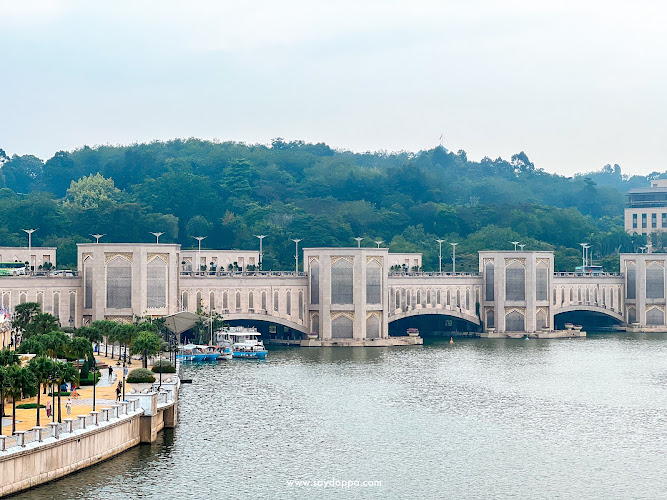
The Putra Bridge stands as Putrajaya's architectural crown jewel, stretching an impressive 435 meters across the serene waters of Putrajaya Lake. This isn't just any ordinary bridge – it's a masterpiece that seamlessly blends Iranian-inspired design with modern Malaysian engineering. Drawing inspiration from the historic Khaju Bridge in Esfahan, Iran, this concrete marvel has been capturing hearts and cameras since its completion in 1997. What makes this bridge truly special is its triple-deck design that accommodates cars, pedestrians, and even a monorail system. The upper level forms part of Putrajaya's main Boulevard, while the lower levels offer stunning vantage points for photography and leisurely strolls. The bridge connects the Government Precinct with the Mixed Development Precinct, essentially linking Putra Square with the heart of Malaysia's administrative capital. I remember the first time I saw photos of this bridge online – honestly, I thought they were taken somewhere in the Middle East! The architectural details are so intricate and the design so elegant that it doesn't look like your typical Malaysian infrastructure. But that's exactly what makes it so captivating for travelers seeking something unique in Southeast Asia. The polished granite surfaces and ornate Islamic geometric patterns create an almost ethereal atmosphere, especially during golden hour when the setting sun bathes everything in warm, honey-colored light. Many visitors come specifically for these sunset moments, and trust me, they're worth planning your entire day around.Key Features
The Putra Bridge offers several distinctive elements that set it apart from other tourist attractions in Malaysia: • **Persian-inspired architecture** featuring detailed Islamic geometric patterns and ornate stonework that mirrors the famous Khaju Bridge in Iran • **Three-level structure** designed to accommodate vehicular traffic, pedestrian walkways, and future monorail operations • **435-meter span** making it the longest bridge in Putrajaya and one of the most photographed landmarks in the city • **Premium granite construction** with polished surfaces that reflect beautifully in the lake waters below • **Strategic location** connecting major precincts and offering panoramic views of Putrajaya's skyline and government buildings • **Wheelchair accessibility** with proper entrance facilities and parking areas for visitors with mobility needs • **Multiple viewing platforms** providing different perspectives for photography and sightseeing • **Evening illumination** that transforms the bridge into a glowing spectacle after dark • **Lake integration** where the bridge's reflection creates stunning mirror effects in calm weather • **Cultural significance** as a symbol of Malaysia's modern architectural ambitions and multicultural heritageBest Time to Visit
Timing your visit to the Putra Bridge can make the difference between good photos and absolutely spectacular ones. The golden hour period, roughly 30 minutes before sunset, is hands-down the most magical time to experience this architectural wonder. During this time, the granite surfaces catch and reflect the warm light, creating an almost otherworldly glow that photographers absolutely love. Early morning visits around 7:00 AM offer a completely different but equally rewarding experience. The bridge emerges from the morning mist like something from a fairytale, and you'll have the place mostly to yourself – perfect for those Instagram shots without crowds of people in the background. Weekdays are generally less crowded than weekends, which is something to consider if you're looking for a more peaceful experience. Malaysian families and local tourists tend to visit during weekends and public holidays, so the bridge can get quite busy during these times. Weather-wise, the dry season from May to September offers the most predictable conditions for photography. But don't completely write off the rainy season – some of the most dramatic shots happen when storm clouds gather in the background, creating an incredible contrast with the bridge's elegant lines. And here's a tip from personal experience: if you're visiting during Ramadan, the evening atmosphere becomes even more special as the bridge is part of the route many locals take for their evening walks after breaking fast. The bridge looks completely different at night when it's illuminated, so if you have time, try to visit twice – once during the day for architectural details and once at night for the dramatic lighting effects.How to Get There
Getting to the Putra Bridge is relatively straightforward, though like many attractions in Putrajaya, having your own transportation definitely makes things easier. The bridge is located in Precinct 2 of Putrajaya, and there are several ways to reach it depending on where you're coming from. If you're driving from Kuala Lumpur, take the PLUS Expressway and exit at Putrajaya/Cyberjaya. The journey typically takes about 45 minutes depending on traffic, and there's plenty of parking available near the bridge. The good news is that parking is generally free, which is always a pleasant surprise in Malaysia! For those using public transport, you can take the KLIA Transit train to Putrajaya & Cyberjaya Station, then hop on the Nadi Putra bus service. Bus routes 100, 101, and 102 all pass near the bridge area. Just tell the bus driver you want to stop at Jambatan Putra – most drivers know exactly where tourists want to go. Grab and other ride-hailing services operate throughout Putrajaya, so that's another convenient option if you don't want to deal with public transport schedules. The fare from KL Sentral usually ranges between RM25-35, depending on traffic and surge pricing. Some visitors combine their bridge visit with a Putrajaya lake cruise, which actually passes under the bridge and offers a unique perspective you can't get from walking on it. These cruise operators usually provide transportation from various pickup points in Putrajaya. If you're staying in Putrajaya (which I'd recommend if you want to explore the area properly), many hotels offer shuttle services to major attractions, including the Putra Bridge.Tips for Visiting
Bring a good camera or make sure your phone is fully charged – you'll be taking way more photos than you initially planned. The bridge offers incredible angles from multiple levels, so don't just stick to one viewpoint. Walk around, explore the different decks, and experiment with various perspectives. Wear comfortable walking shoes because you'll be doing quite a bit of walking, especially if you want to capture the bridge from different angles around the lake area. The granite surfaces can be a bit slippery when wet, so be extra careful during or after rain. The bridge can get quite windy, particularly in the evenings, so bring a light jacket even if the day starts warm. This wind can actually be refreshing during Malaysia's humid weather, but it might affect your photography if you're not prepared for it. Don't limit yourself to just photographing the bridge itself – the views of Putrajaya's skyline from the bridge are equally impressive. The government buildings, Putra Mosque, and the perfectly manicured landscapes create an amazing backdrop. If you're serious about photography, consider bringing a tripod for those sunset and night shots. The bridge's lighting changes throughout the evening, and longer exposures can create some truly magical effects with the water reflections. Plan to spend at least 2-3 hours if you want to properly explore and photograph everything. Many visitors make the mistake of rushing through, but the bridge and its surroundings deserve more time to fully appreciate. There are several cafes and restaurants within walking distance if you need refreshments, but bringing water is always a good idea, especially during Malaysia's hot and humid weather. Consider combining your bridge visit with other nearby attractions like the Putra Mosque or the Prime Minister's Office building – they're all within easy walking distance and create a nice half-day or full-day itinerary. The bridge is wheelchair accessible, which is fantastic for travelers with mobility needs. The elevators and ramps are well-maintained, though it's worth checking current conditions before your visit. Finally, respect the local culture and other visitors when taking photos. This is a popular spot for Malaysian families and couples, so be mindful when setting up shots and don't monopolize the best viewpoints for too long.Key Features
- Key Features
- Best Time to Visit
- How to Get There
- Tips for Visiting
More Details
Updated September 16, 2025
Table of Contents
Description
The Putra Bridge stands as Putrajaya’s architectural crown jewel, stretching an impressive 435 meters across the serene waters of Putrajaya Lake. This isn’t just any ordinary bridge – it’s a masterpiece that seamlessly blends Iranian-inspired design with modern Malaysian engineering. Drawing inspiration from the historic Khaju Bridge in Esfahan, Iran, this concrete marvel has been capturing hearts and cameras since its completion in 1997.
What makes this bridge truly special is its triple-deck design that accommodates cars, pedestrians, and even a monorail system. The upper level forms part of Putrajaya’s main Boulevard, while the lower levels offer stunning vantage points for photography and leisurely strolls. The bridge connects the Government Precinct with the Mixed Development Precinct, essentially linking Putra Square with the heart of Malaysia’s administrative capital.
I remember the first time I saw photos of this bridge online – honestly, I thought they were taken somewhere in the Middle East! The architectural details are so intricate and the design so elegant that it doesn’t look like your typical Malaysian infrastructure. But that’s exactly what makes it so captivating for travelers seeking something unique in Southeast Asia.
The polished granite surfaces and ornate Islamic geometric patterns create an almost ethereal atmosphere, especially during golden hour when the setting sun bathes everything in warm, honey-colored light. Many visitors come specifically for these sunset moments, and trust me, they’re worth planning your entire day around.
Key Features
The Putra Bridge offers several distinctive elements that set it apart from other tourist attractions in Malaysia:
• **Persian-inspired architecture** featuring detailed Islamic geometric patterns and ornate stonework that mirrors the famous Khaju Bridge in Iran
• **Three-level structure** designed to accommodate vehicular traffic, pedestrian walkways, and future monorail operations
• **435-meter span** making it the longest bridge in Putrajaya and one of the most photographed landmarks in the city
• **Premium granite construction** with polished surfaces that reflect beautifully in the lake waters below
• **Strategic location** connecting major precincts and offering panoramic views of Putrajaya’s skyline and government buildings
• **Wheelchair accessibility** with proper entrance facilities and parking areas for visitors with mobility needs
• **Multiple viewing platforms** providing different perspectives for photography and sightseeing
• **Evening illumination** that transforms the bridge into a glowing spectacle after dark
• **Lake integration** where the bridge’s reflection creates stunning mirror effects in calm weather
• **Cultural significance** as a symbol of Malaysia’s modern architectural ambitions and multicultural heritage
Best Time to Visit
Timing your visit to the Putra Bridge can make the difference between good photos and absolutely spectacular ones. The golden hour period, roughly 30 minutes before sunset, is hands-down the most magical time to experience this architectural wonder. During this time, the granite surfaces catch and reflect the warm light, creating an almost otherworldly glow that photographers absolutely love.
Early morning visits around 7:00 AM offer a completely different but equally rewarding experience. The bridge emerges from the morning mist like something from a fairytale, and you’ll have the place mostly to yourself – perfect for those Instagram shots without crowds of people in the background.
Weekdays are generally less crowded than weekends, which is something to consider if you’re looking for a more peaceful experience. Malaysian families and local tourists tend to visit during weekends and public holidays, so the bridge can get quite busy during these times.
Weather-wise, the dry season from May to September offers the most predictable conditions for photography. But don’t completely write off the rainy season – some of the most dramatic shots happen when storm clouds gather in the background, creating an incredible contrast with the bridge’s elegant lines.
And here’s a tip from personal experience: if you’re visiting during Ramadan, the evening atmosphere becomes even more special as the bridge is part of the route many locals take for their evening walks after breaking fast.
The bridge looks completely different at night when it’s illuminated, so if you have time, try to visit twice – once during the day for architectural details and once at night for the dramatic lighting effects.
How to Get There
Getting to the Putra Bridge is relatively straightforward, though like many attractions in Putrajaya, having your own transportation definitely makes things easier. The bridge is located in Precinct 2 of Putrajaya, and there are several ways to reach it depending on where you’re coming from.
If you’re driving from Kuala Lumpur, take the PLUS Expressway and exit at Putrajaya/Cyberjaya. The journey typically takes about 45 minutes depending on traffic, and there’s plenty of parking available near the bridge. The good news is that parking is generally free, which is always a pleasant surprise in Malaysia!
For those using public transport, you can take the KLIA Transit train to Putrajaya & Cyberjaya Station, then hop on the Nadi Putra bus service. Bus routes 100, 101, and 102 all pass near the bridge area. Just tell the bus driver you want to stop at Jambatan Putra – most drivers know exactly where tourists want to go.
Grab and other ride-hailing services operate throughout Putrajaya, so that’s another convenient option if you don’t want to deal with public transport schedules. The fare from KL Sentral usually ranges between RM25-35, depending on traffic and surge pricing.
Some visitors combine their bridge visit with a Putrajaya lake cruise, which actually passes under the bridge and offers a unique perspective you can’t get from walking on it. These cruise operators usually provide transportation from various pickup points in Putrajaya.
If you’re staying in Putrajaya (which I’d recommend if you want to explore the area properly), many hotels offer shuttle services to major attractions, including the Putra Bridge.
Tips for Visiting
Bring a good camera or make sure your phone is fully charged – you’ll be taking way more photos than you initially planned. The bridge offers incredible angles from multiple levels, so don’t just stick to one viewpoint. Walk around, explore the different decks, and experiment with various perspectives.
Wear comfortable walking shoes because you’ll be doing quite a bit of walking, especially if you want to capture the bridge from different angles around the lake area. The granite surfaces can be a bit slippery when wet, so be extra careful during or after rain.
The bridge can get quite windy, particularly in the evenings, so bring a light jacket even if the day starts warm. This wind can actually be refreshing during Malaysia’s humid weather, but it might affect your photography if you’re not prepared for it.
Don’t limit yourself to just photographing the bridge itself – the views of Putrajaya’s skyline from the bridge are equally impressive. The government buildings, Putra Mosque, and the perfectly manicured landscapes create an amazing backdrop.
If you’re serious about photography, consider bringing a tripod for those sunset and night shots. The bridge’s lighting changes throughout the evening, and longer exposures can create some truly magical effects with the water reflections.
Plan to spend at least 2-3 hours if you want to properly explore and photograph everything. Many visitors make the mistake of rushing through, but the bridge and its surroundings deserve more time to fully appreciate.
There are several cafes and restaurants within walking distance if you need refreshments, but bringing water is always a good idea, especially during Malaysia’s hot and humid weather.
Consider combining your bridge visit with other nearby attractions like the Putra Mosque or the Prime Minister’s Office building – they’re all within easy walking distance and create a nice half-day or full-day itinerary.
The bridge is wheelchair accessible, which is fantastic for travelers with mobility needs. The elevators and ramps are well-maintained, though it’s worth checking current conditions before your visit.
Finally, respect the local culture and other visitors when taking photos. This is a popular spot for Malaysian families and couples, so be mindful when setting up shots and don’t monopolize the best viewpoints for too long.
Key Highlights
- Key Features
- Best Time to Visit
- How to Get There
- Tips for Visiting
Location
Places to Stay Near Putra Bridge
Find and Book a Tour
Explore More Travel Guides
No reviews found! Be the first to review!
Traveler Reviews for Putra Bridge
There are no reviews yet. Be the first one to write one.
Have you visited Putra Bridge? Help other travelers by sharing your review.
You Might Also Like
Taman Wawasan Putrajaya
Istana Darul Ehsan

Anjung Floria
Find Accommodations Nearby
Recommended Tours & Activities
Visitor Reviews
There are no reviews yet. Be the first one to write one.
Share Your Experience
Have you visited Putra Bridge? Help other travelers by leaving a review.