
Purnia
About Purnia
Description
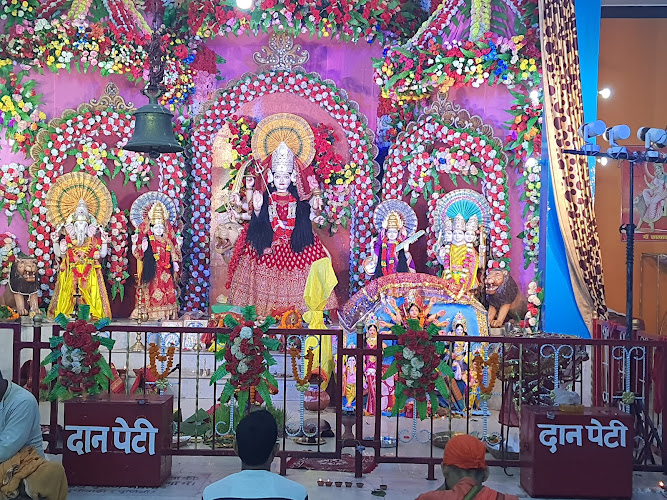
Purnia, a district tucked away in the northeastern part of Bihar, carries a quiet charm that often surprises travelers who stumble upon it. It’s not the kind of place that screams for attention, yet, if you take a moment to look closer, you’ll find stories hidden in its dusty lanes, old temples, and the gentle rhythm of rural life. The city itself, serving as the administrative headquarters, has this mix of old-world simplicity and the slow hum of modern development. It’s part of the Kosi-Seemanchal belt within the greater Mithila region—an area rich in cultural heritage, folklore, and linguistic diversity.
When I first visited Purnia, I didn’t expect much beyond a typical small-town experience. But what I found was a community that thrives on warmth and resilience. The people are friendly, the food is hearty (seriously, the local litti chokha hits differently here), and the markets are alive with chatter and color. There’s a raw authenticity to this place that feels grounding, especially if you’re used to the chaos of big cities.
The district’s landscape is defined by fertile plains, thanks to the Kosi River that meanders nearby, often referred to as the “Sorrow of Bihar” for its unpredictable floods. Yet, it’s also this same river that gives life to the region’s lush greenery and farmlands. You’ll see endless fields of maize, rice, and jute stretching toward the horizon. There’s something poetic about the way nature and people coexist here—sometimes in harmony, sometimes in struggle.
Historically, Purnia has seen influences from the Mughal and British periods, and you can still spot traces of colonial architecture in parts of the city. The local dialects—Maithili, Hindi, Urdu, and a bit of Bengali—blend beautifully, reflecting the cultural mix that defines the region. While it’s not a conventional tourist hotspot, Purnia appeals to travelers who crave authenticity over gloss. It’s a place that grows on you, quietly and steadily.
Key Features
- Cultural Fusion: A melting pot of Maithili, Bengali, and Urdu influences, giving the district a unique linguistic and cultural identity.
- Historical Significance: The city has remnants of colonial-era structures and old temples that tell stories of its layered past.
- Natural Beauty: Surrounded by fertile plains and close to the Kosi River, offering scenic rural landscapes perfect for photography and quiet exploration.
- Local Cuisine: Traditional Bihari dishes like litti chokha, sattu paratha, and makhana delicacies are local favorites not to be missed.
- Festivals: Chhath Puja and Eid are celebrated with great enthusiasm, bringing the entire community together in a spirit of unity.
- Market Life: The bustling local bazaars are filled with handcrafted goods, fresh produce, and the occasional street vendor selling spicy snacks.
- Gateway to Seemanchal: Purnia acts as a connecting point to nearby destinations like Kishanganj, Araria, and Katihar.
Best Time to Visit
If you’re planning a trip, the best time to visit Purnia is between October and March. During these months, the weather is pleasantly cool, making it easier to explore the outdoors without breaking a sweat. The winter mornings are misty and calm, perfect for long walks through the countryside or sipping tea at a roadside stall.
Summer, on the other hand, can be quite intense—temperatures often soar past 35°C, and the humidity can wear you down. The monsoon season (June to September) brings heavy rainfall, which transforms the fields into lush green carpets but can also make rural roads a bit tricky to navigate. Still, if you’re someone who enjoys the earthy smell of rain and doesn’t mind the occasional puddle, the monsoon has its own charm here.
I personally love visiting around late October, just after the rains have washed everything clean. The air feels fresh, the sky turns a deep blue, and the festivals start rolling in. It’s when Purnia feels most alive.
How to Get There
Reaching Purnia is easier than many might think. The city is well-connected by road, rail, and air, making it accessible from major cities in Bihar and beyond.
By train, Purnia Junction is the main railway station, linking the district to cities like Patna, Delhi, and Kolkata. Trains are frequent, and the journey offers a glimpse into the rural heartland of India—fields, rivers, and small towns passing by like a moving postcard.
If you prefer to travel by road, national highways connect Purnia to Patna (about 300 km away) and Siliguri in West Bengal. The drive is long but scenic, especially if you love watching the countryside roll past your window. Buses and shared taxis are also available for budget travelers.
The nearest airport is in Bagdogra (around 160 km away), which has regular flights from major Indian cities. From there, you can hire a cab or take a bus to reach Purnia. A smaller domestic airport in Purnia itself is under development, which could make travel even more convenient in the near future.
Tips for Visiting
Traveling to Purnia isn’t about ticking off tourist attractions—it’s about soaking in the experience of a place that’s simple yet full of character. Here are a few tips to make your visit smoother and more enjoyable:
- Learn a few local phrases: Knowing basic Hindi or Maithili greetings can go a long way in connecting with locals. People here appreciate the effort.
- Pack light but smart: Carry comfortable clothes, especially cottons for summer and light woolens for winter evenings.
- Try local food: Don’t leave without tasting litti chokha, sattu drink, and local sweets like khaja. Street food here is surprisingly good and budget-friendly.
- Respect local customs: Bihar is culturally conservative, so modest dressing and polite behavior are always appreciated.
- Cash is king: While digital payments are catching up, smaller shops and stalls still prefer cash. Keep some handy.
- Explore nearby attractions: If you have time, take a short trip to nearby districts like Araria or Katihar for a broader taste of the Seemanchal region.
- Stay flexible: Things don’t always run on schedule here, and that’s part of the charm. Embrace the slower pace—it’s refreshing.
One last thing—don’t rush through Purnia. Spend a couple of days wandering around, chatting with locals, and just letting the place reveal itself to you. Sometimes, the best travel memories come from the least expected corners of the map. And for me, Purnia was exactly that—a quiet, unassuming corner that left a surprisingly lasting impression.
Key Features
- Key Features
- Best Time to Visit
- How to Get There
- Tips for Visiting
More Details
Updated November 30, 2025
Table of Contents
Description
Purnia, a district tucked away in the northeastern part of Bihar, carries a quiet charm that often surprises travelers who stumble upon it. It’s not the kind of place that screams for attention, yet, if you take a moment to look closer, you’ll find stories hidden in its dusty lanes, old temples, and the gentle rhythm of rural life. The city itself, serving as the administrative headquarters, has this mix of old-world simplicity and the slow hum of modern development. It’s part of the Kosi-Seemanchal belt within the greater Mithila region—an area rich in cultural heritage, folklore, and linguistic diversity.
When I first visited Purnia, I didn’t expect much beyond a typical small-town experience. But what I found was a community that thrives on warmth and resilience. The people are friendly, the food is hearty (seriously, the local litti chokha hits differently here), and the markets are alive with chatter and color. There’s a raw authenticity to this place that feels grounding, especially if you’re used to the chaos of big cities.
The district’s landscape is defined by fertile plains, thanks to the Kosi River that meanders nearby, often referred to as the “Sorrow of Bihar” for its unpredictable floods. Yet, it’s also this same river that gives life to the region’s lush greenery and farmlands. You’ll see endless fields of maize, rice, and jute stretching toward the horizon. There’s something poetic about the way nature and people coexist here—sometimes in harmony, sometimes in struggle.
Historically, Purnia has seen influences from the Mughal and British periods, and you can still spot traces of colonial architecture in parts of the city. The local dialects—Maithili, Hindi, Urdu, and a bit of Bengali—blend beautifully, reflecting the cultural mix that defines the region. While it’s not a conventional tourist hotspot, Purnia appeals to travelers who crave authenticity over gloss. It’s a place that grows on you, quietly and steadily.
Key Features
- Cultural Fusion: A melting pot of Maithili, Bengali, and Urdu influences, giving the district a unique linguistic and cultural identity.
- Historical Significance: The city has remnants of colonial-era structures and old temples that tell stories of its layered past.
- Natural Beauty: Surrounded by fertile plains and close to the Kosi River, offering scenic rural landscapes perfect for photography and quiet exploration.
- Local Cuisine: Traditional Bihari dishes like litti chokha, sattu paratha, and makhana delicacies are local favorites not to be missed.
- Festivals: Chhath Puja and Eid are celebrated with great enthusiasm, bringing the entire community together in a spirit of unity.
- Market Life: The bustling local bazaars are filled with handcrafted goods, fresh produce, and the occasional street vendor selling spicy snacks.
- Gateway to Seemanchal: Purnia acts as a connecting point to nearby destinations like Kishanganj, Araria, and Katihar.
Best Time to Visit
If you’re planning a trip, the best time to visit Purnia is between October and March. During these months, the weather is pleasantly cool, making it easier to explore the outdoors without breaking a sweat. The winter mornings are misty and calm, perfect for long walks through the countryside or sipping tea at a roadside stall.
Summer, on the other hand, can be quite intense—temperatures often soar past 35°C, and the humidity can wear you down. The monsoon season (June to September) brings heavy rainfall, which transforms the fields into lush green carpets but can also make rural roads a bit tricky to navigate. Still, if you’re someone who enjoys the earthy smell of rain and doesn’t mind the occasional puddle, the monsoon has its own charm here.
I personally love visiting around late October, just after the rains have washed everything clean. The air feels fresh, the sky turns a deep blue, and the festivals start rolling in. It’s when Purnia feels most alive.
How to Get There
Reaching Purnia is easier than many might think. The city is well-connected by road, rail, and air, making it accessible from major cities in Bihar and beyond.
By train, Purnia Junction is the main railway station, linking the district to cities like Patna, Delhi, and Kolkata. Trains are frequent, and the journey offers a glimpse into the rural heartland of India—fields, rivers, and small towns passing by like a moving postcard.
If you prefer to travel by road, national highways connect Purnia to Patna (about 300 km away) and Siliguri in West Bengal. The drive is long but scenic, especially if you love watching the countryside roll past your window. Buses and shared taxis are also available for budget travelers.
The nearest airport is in Bagdogra (around 160 km away), which has regular flights from major Indian cities. From there, you can hire a cab or take a bus to reach Purnia. A smaller domestic airport in Purnia itself is under development, which could make travel even more convenient in the near future.
Tips for Visiting
Traveling to Purnia isn’t about ticking off tourist attractions—it’s about soaking in the experience of a place that’s simple yet full of character. Here are a few tips to make your visit smoother and more enjoyable:
- Learn a few local phrases: Knowing basic Hindi or Maithili greetings can go a long way in connecting with locals. People here appreciate the effort.
- Pack light but smart: Carry comfortable clothes, especially cottons for summer and light woolens for winter evenings.
- Try local food: Don’t leave without tasting litti chokha, sattu drink, and local sweets like khaja. Street food here is surprisingly good and budget-friendly.
- Respect local customs: Bihar is culturally conservative, so modest dressing and polite behavior are always appreciated.
- Cash is king: While digital payments are catching up, smaller shops and stalls still prefer cash. Keep some handy.
- Explore nearby attractions: If you have time, take a short trip to nearby districts like Araria or Katihar for a broader taste of the Seemanchal region.
- Stay flexible: Things don’t always run on schedule here, and that’s part of the charm. Embrace the slower pace—it’s refreshing.
One last thing—don’t rush through Purnia. Spend a couple of days wandering around, chatting with locals, and just letting the place reveal itself to you. Sometimes, the best travel memories come from the least expected corners of the map. And for me, Purnia was exactly that—a quiet, unassuming corner that left a surprisingly lasting impression.
Key Highlights
- Key Features
- Best Time to Visit
- How to Get There
- Tips for Visiting
Location
Places to Stay Near Purnia
Find and Book a Tour
Explore More Travel Guides
No reviews found! Be the first to review!
Traveler Reviews for Purnia
There are no reviews yet. Be the first one to write one.
Have you visited Purnia? Help other travelers by sharing your review.
You Might Also Like

Chai N Pani

Sharique Bhai Duplex
Visvesvaraya Statue
Find Accommodations Nearby
Recommended Tours & Activities
Visitor Reviews
There are no reviews yet. Be the first one to write one.
Share Your Experience
Have you visited Purnia? Help other travelers by leaving a review.