
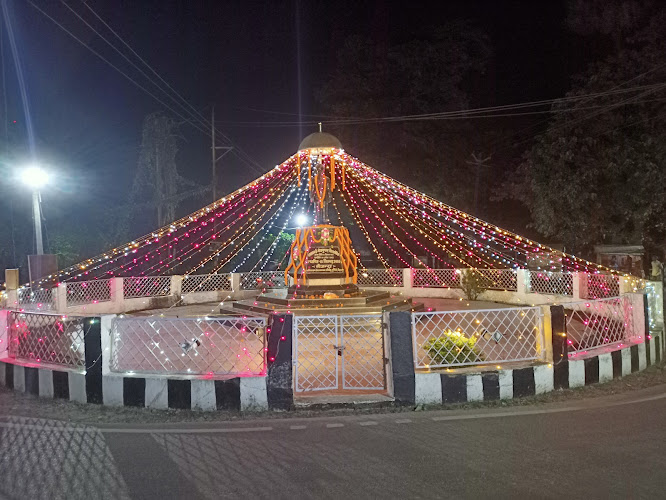
Visvesvaraya Statue
About Visvesvaraya Statue
Description
The Visvesvaraya Statue stands tall as a proud tribute to one of India’s greatest minds—Sir Mokshagundam Visvesvaraya, the legendary engineer and statesman whose brilliance shaped modern India. It’s not just a statue; it’s a story cast in bronze, a silent salute to innovation, hard work, and vision. When you first see it, there’s something quietly powerful about the way it commands attention. The statue’s craftsmanship is impressive, with intricate details that capture his dignified expression and the aura of wisdom he was known for.
I remember the first time I visited—it was early morning, the kind of day when the sun takes its time to rise. The light hit the statue just right, making it glow against the sky. A few locals were already there, some offering flowers, others just pausing for a moment of reflection. It’s that kind of place—peaceful, respectful, and surprisingly grounding.
The area around the statue is clean and well-kept, with open spaces that make it easy to walk around and take in the view. It’s also family-friendly, which I really appreciate. You’ll often see parents bringing their kids here, telling them stories about Sir Visvesvaraya’s life and his incredible contributions to India’s engineering legacy. There’s something wholesome about that—passing down inspiration in such a tangible way. The site is also wheelchair accessible, which means everyone can experience it comfortably.
While most visitors leave with a sense of admiration, a few have mentioned that the surrounding facilities could use a bit more maintenance. Still, the statue itself remains in great condition, and the atmosphere more than makes up for any minor shortcomings. It’s one of those places that doesn’t need to be flashy to leave a mark—it’s the quiet dignity that gets you.
Key Features
- Architectural Significance: The statue’s design reflects the precision and elegance that defined Sir M. Visvesvaraya’s engineering philosophy.
- Accessibility: The site offers wheelchair-friendly access and parking, ensuring inclusivity for all visitors.
- Family-Friendly Environment: Safe and open spaces make it ideal for children and even small birthday gatherings.
- Educational Value: The statue serves as an inspiring educational spot for students and young engineers.
- Peaceful Ambience: The area maintains a calm, respectful atmosphere perfect for reflection or photography.
- Local Significance: It’s a beloved landmark among locals, often used as a meeting point or backdrop for community events.
If you’re someone who loves places with meaning—where history and inspiration meet—then this is one of those must-see spots. It’s not a tourist trap; it’s a genuine piece of Indian heritage standing proudly in a quiet corner of the country.
Best Time to Visit
Honestly, there’s no bad time to visit, but if I had to pick, mornings and late afternoons are the best. The lighting around sunrise or sunset gives the statue this golden glow that’s perfect for photos. The weather’s also cooler, making the whole experience more pleasant. If you’re planning your trip around the monsoon, keep in mind that the grounds can get a bit muddy, but the lush greenery that comes with the rains adds a beautiful contrast to the bronze figure.
Weekdays tend to be quieter, so if you prefer a peaceful visit, aim for then. On weekends, you’ll find more families and students around, which adds a nice buzz of energy. I once visited during Engineers’ Day in September, and it was something else—the place was alive with tributes, speeches, and school groups celebrating Sir Visvesvaraya’s legacy. If you can time your visit around that, it’s worth it.
How to Get There
Reaching the Visvesvaraya Statue is fairly straightforward. The site is located within a well-connected area and can be accessed by road from nearby towns and cities. If you’re driving, you’ll find a decent parking area nearby, including accessible parking spots. For those relying on public transport, local buses and auto-rickshaws are available throughout the day.
Personally, I’d recommend taking a local cab if you’re not familiar with the area—it’s inexpensive and saves you the hassle of figuring out directions. Plus, drivers often share interesting tidbits about the statue and its history. If you’re coming from farther away, you can reach the nearest major railway station or airport and take a short drive from there.
And here’s a small tip—if you’re the kind who loves scenic drives, the route leading to the statue offers glimpses of local life, small shops, and open fields. It’s a nice reminder that travel isn’t just about the destination; it’s about the little moments on the way.
Tips for Visiting
Here are a few things I’ve learned from my own visits and chatting with locals:
- Go early: The morning light is unbeatable, and you’ll have the place mostly to yourself.
- Bring water: There aren’t many stalls nearby, so staying hydrated is key, especially in summer.
- Respect the space: It’s not just a tourist attraction—it’s a memorial. Keep noise to a minimum and avoid littering.
- Photography: Tripods are fine, but be mindful of others who might be paying their respects.
- Learn before you go: Reading a bit about Sir M. Visvesvaraya’s life beforehand will make your visit far more meaningful.
- Local interactions: Don’t hesitate to chat with locals. They often share stories and lesser-known facts about the statue’s history.
One last thing—take your time. Don’t rush through it like it’s just another stop on your itinerary. Stand there for a minute, look up at the statue, and think about the man it represents. A man who built dams, designed cities, and believed in the power of education and innovation long before it was fashionable to do so. You’ll walk away feeling a little prouder of what one person’s vision can achieve.
Whether you’re an engineer, a student, a traveler, or just someone curious about India’s history, the Visvesvaraya Statue offers something deeply human—a connection to greatness that still inspires generations. And honestly, that’s what makes it worth the visit.
Key Features
- Key Features
- Best Time to Visit
- How to Get There
- Tips for Visiting
More Details
Updated November 30, 2025
Table of Contents
Description
The Visvesvaraya Statue stands tall as a proud tribute to one of India’s greatest minds—Sir Mokshagundam Visvesvaraya, the legendary engineer and statesman whose brilliance shaped modern India. It’s not just a statue; it’s a story cast in bronze, a silent salute to innovation, hard work, and vision. When you first see it, there’s something quietly powerful about the way it commands attention. The statue’s craftsmanship is impressive, with intricate details that capture his dignified expression and the aura of wisdom he was known for.
I remember the first time I visited—it was early morning, the kind of day when the sun takes its time to rise. The light hit the statue just right, making it glow against the sky. A few locals were already there, some offering flowers, others just pausing for a moment of reflection. It’s that kind of place—peaceful, respectful, and surprisingly grounding.
The area around the statue is clean and well-kept, with open spaces that make it easy to walk around and take in the view. It’s also family-friendly, which I really appreciate. You’ll often see parents bringing their kids here, telling them stories about Sir Visvesvaraya’s life and his incredible contributions to India’s engineering legacy. There’s something wholesome about that—passing down inspiration in such a tangible way. The site is also wheelchair accessible, which means everyone can experience it comfortably.
While most visitors leave with a sense of admiration, a few have mentioned that the surrounding facilities could use a bit more maintenance. Still, the statue itself remains in great condition, and the atmosphere more than makes up for any minor shortcomings. It’s one of those places that doesn’t need to be flashy to leave a mark—it’s the quiet dignity that gets you.
Key Features
- Architectural Significance: The statue’s design reflects the precision and elegance that defined Sir M. Visvesvaraya’s engineering philosophy.
- Accessibility: The site offers wheelchair-friendly access and parking, ensuring inclusivity for all visitors.
- Family-Friendly Environment: Safe and open spaces make it ideal for children and even small birthday gatherings.
- Educational Value: The statue serves as an inspiring educational spot for students and young engineers.
- Peaceful Ambience: The area maintains a calm, respectful atmosphere perfect for reflection or photography.
- Local Significance: It’s a beloved landmark among locals, often used as a meeting point or backdrop for community events.
If you’re someone who loves places with meaning—where history and inspiration meet—then this is one of those must-see spots. It’s not a tourist trap; it’s a genuine piece of Indian heritage standing proudly in a quiet corner of the country.
Best Time to Visit
Honestly, there’s no bad time to visit, but if I had to pick, mornings and late afternoons are the best. The lighting around sunrise or sunset gives the statue this golden glow that’s perfect for photos. The weather’s also cooler, making the whole experience more pleasant. If you’re planning your trip around the monsoon, keep in mind that the grounds can get a bit muddy, but the lush greenery that comes with the rains adds a beautiful contrast to the bronze figure.
Weekdays tend to be quieter, so if you prefer a peaceful visit, aim for then. On weekends, you’ll find more families and students around, which adds a nice buzz of energy. I once visited during Engineers’ Day in September, and it was something else—the place was alive with tributes, speeches, and school groups celebrating Sir Visvesvaraya’s legacy. If you can time your visit around that, it’s worth it.
How to Get There
Reaching the Visvesvaraya Statue is fairly straightforward. The site is located within a well-connected area and can be accessed by road from nearby towns and cities. If you’re driving, you’ll find a decent parking area nearby, including accessible parking spots. For those relying on public transport, local buses and auto-rickshaws are available throughout the day.
Personally, I’d recommend taking a local cab if you’re not familiar with the area—it’s inexpensive and saves you the hassle of figuring out directions. Plus, drivers often share interesting tidbits about the statue and its history. If you’re coming from farther away, you can reach the nearest major railway station or airport and take a short drive from there.
And here’s a small tip—if you’re the kind who loves scenic drives, the route leading to the statue offers glimpses of local life, small shops, and open fields. It’s a nice reminder that travel isn’t just about the destination; it’s about the little moments on the way.
Tips for Visiting
Here are a few things I’ve learned from my own visits and chatting with locals:
- Go early: The morning light is unbeatable, and you’ll have the place mostly to yourself.
- Bring water: There aren’t many stalls nearby, so staying hydrated is key, especially in summer.
- Respect the space: It’s not just a tourist attraction—it’s a memorial. Keep noise to a minimum and avoid littering.
- Photography: Tripods are fine, but be mindful of others who might be paying their respects.
- Learn before you go: Reading a bit about Sir M. Visvesvaraya’s life beforehand will make your visit far more meaningful.
- Local interactions: Don’t hesitate to chat with locals. They often share stories and lesser-known facts about the statue’s history.
One last thing—take your time. Don’t rush through it like it’s just another stop on your itinerary. Stand there for a minute, look up at the statue, and think about the man it represents. A man who built dams, designed cities, and believed in the power of education and innovation long before it was fashionable to do so. You’ll walk away feeling a little prouder of what one person’s vision can achieve.
Whether you’re an engineer, a student, a traveler, or just someone curious about India’s history, the Visvesvaraya Statue offers something deeply human—a connection to greatness that still inspires generations. And honestly, that’s what makes it worth the visit.
Key Highlights
- Key Features
- Best Time to Visit
- How to Get There
- Tips for Visiting
Location
Places to Stay Near Visvesvaraya Statue
Find and Book a Tour
Explore More Travel Guides
No reviews found! Be the first to review!
Traveler Reviews for Visvesvaraya Statue
There are no reviews yet. Be the first one to write one.
Have you visited Visvesvaraya Statue? Help other travelers by sharing your review.
You Might Also Like

Maa Puran Devi Mandir

KUTIRUDYAM
Kanak Mandir Jewellers
Find Accommodations Nearby
Recommended Tours & Activities
Visitor Reviews
There are no reviews yet. Be the first one to write one.
Share Your Experience
Have you visited Visvesvaraya Statue? Help other travelers by leaving a review.