Pugu Hills Nature Forest
About Pugu Hills Nature Forest
Pugu Hills Nature Forest is a highly acclaimed nature preserve located in Dar es Salaam, Tanzania. With a rating of 4.7 out of 5, it stands out as one of the top-rated nature preserves in the area.
Location
You can find Pugu Hills Nature Forest at Kisarawe Road Dar es salaam TZ Kisarawe Rd Dar es Salaam TZ, 3093, Tanzania.
What to Expect
Pugu Hills Nature Forest offers visitors a chance to enjoy the natural beauty of Dar es Salaam, Tanzania. Whether you are looking for a peaceful walk, a picnic spot, or simply a place to relax outdoors, this nature preserve provides a welcome green space.
Planning Your Visit
The nature preserve is located at Kisarawe Road Dar es salaam TZ Kisarawe Rd Dar es Salaam TZ, 3093, Tanzania. GPS coordinates: -6.902329, 39.093017. Check locally for current opening hours and any admission fees before visiting.
More Details
Updated April 6, 2026
Pugu Hills Nature Forest is a highly acclaimed nature preserve located in Dar es Salaam, Tanzania. With a rating of 4.7 out of 5, it stands out as one of the top-rated nature preserves in the area.
Table of Contents
- Location
- What to Expect
- Planning Your Visit
- Location
- Places to Stay Near Pugu Hills Nature Forest"It has many things to offers Nice city view, Hiking options, Meditation, ..."
- Find and Book a Tour
- Explore More Travel Guides
- Key Takeaways
- About Pugu Hills Nature Forest
- History and Significance
- What Makes It Special
- What to See and Do
- Main Attractions and Highlights
- Best Time to Visit
- Visitor Information
- Location and How to Get There
- Tips for Visitors
- Nearby Places You Might Like
- Traveler Reviews for Pugu Hills Nature Forest
- Share Your Experience
Location
You can find Pugu Hills Nature Forest at Kisarawe Road Dar es salaam TZ Kisarawe Rd Dar es Salaam TZ, 3093, Tanzania.
What to Expect
Pugu Hills Nature Forest offers visitors a chance to enjoy the natural beauty of Dar es Salaam, Tanzania. Whether you are looking for a peaceful walk, a picnic spot, or simply a place to relax outdoors, this nature preserve provides a welcome green space.
Planning Your Visit
The nature preserve is located at Kisarawe Road Dar es salaam TZ Kisarawe Rd Dar es Salaam TZ, 3093, Tanzania. GPS coordinates: -6.902329, 39.093017. Check locally for current opening hours and any admission fees before visiting.
Location
Places to Stay Near Pugu Hills Nature Forest"It has many things to offers Nice city view, Hiking options, Meditation, ..."
Find and Book a Tour
Explore More Travel Guides
No reviews found! Be the first to review!
Just 12 kilometers southwest of Dar es Salaam’s urban sprawl, Pugu Hills Nature Forest is this rare gem—a protected patch of ancient lowland forest that most coastal cities only dream about. You’re suddenly worlds away from the city, but it’s just a short drive down paved roads.
This 22-square-kilometer preserve is basically Dar’s green lung. It shelters rare endemic species, bat caves, and the spring-fed headwaters of the Msimbazi River, which eventually winds its way to the Indian Ocean.
You’ll find Pugu Hills straddling the border between Kisarawe District and Dar es Salaam proper. Getting there is surprisingly easy—just hop in a car and you’re out of the city in no time.
What’s so special about Pugu Hills? Well, it’s not just the hiking trails or the panoramic city views from those hilltops.
The forest is home to 14 endemic plant species and wildlife that ranges from tiny dikdiks to the elusive African leopard. There’s even the Mpugupugu tree, which gave the reserve its Zaramo name.
And the place is no secret—visitors consistently rate it 4.7 stars. Clearly, it’s hitting the spot for an accessible nature escape.
Key Takeaways
- Pugu Hills Nature Forest is a 22-square-kilometer protected reserve just 12 kilometers from central Dar es Salaam.
- The forest contains rare endemic species, bat caves, bamboo stands, and serves as the source of the Msimbazi River.
- Visitors can hike, birdwatch, and spot wildlife in one of the world’s oldest lowland coastal forests.
About Pugu Hills Nature Forest
Pugu Hills sits about 20 kilometers southwest of Dar es Salaam’s city center, so you don’t need to plan a whole expedition just to get out in nature. It’s one of the most accessible preserves near Tanzania’s biggest city.
This patch of forest packs a punch in terms of both ancient geology and biodiversity. You’d be hard-pressed to find another coastal forest with this much going on.
History and Significance
Locals once called it Mogo Forest, but since 2006, it’s been officially designated as Pugu/Kazimzumbwi Nature Forest Reserve. But honestly, the land’s history stretches way, way back—scientists say this coastal forest system is over 250 million years old.
That makes it one of the oldest forests anywhere. The name “Pugu” comes from the Mpugupugu tree in the Zaramo language, and you’ll spot these trees scattered all over the reserve.
Today, the Tanzania Forest Service Agency manages the protected area, which technically covers 120.1 square kilometers. But the forest you’ll actually explore is about 22 square kilometers of hilly, wild terrain.
It’s not just about age, though. The Msimbazi River has its source here, and if you dig a little deeper (not literally), you’ll find one of the world’s largest kaolinite deposits. Mining’s restricted to keep the ecosystem intact, thankfully.
What Makes It Special
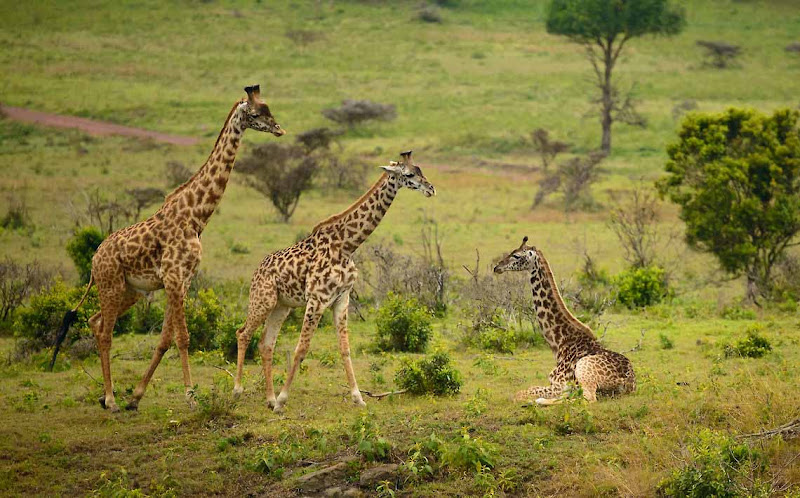
Pugu Hills is home to 14 endemic plant species—plants you won’t find anywhere else. Wildlife? It’s a bit like a safari checklist: dikdiks, warthogs, mongooses, civets, and, if you’re lucky (and very patient), African leopards.
There are side-striped and black-backed jackals, plus several primate species—colobuses, baboons, and the occasional curious monkey peeking from the trees.
Birdwatchers, bring your best binoculars. Over 80 bird species have been spotted here, and the birdlife rivals some of Tanzania’s bigger parks.
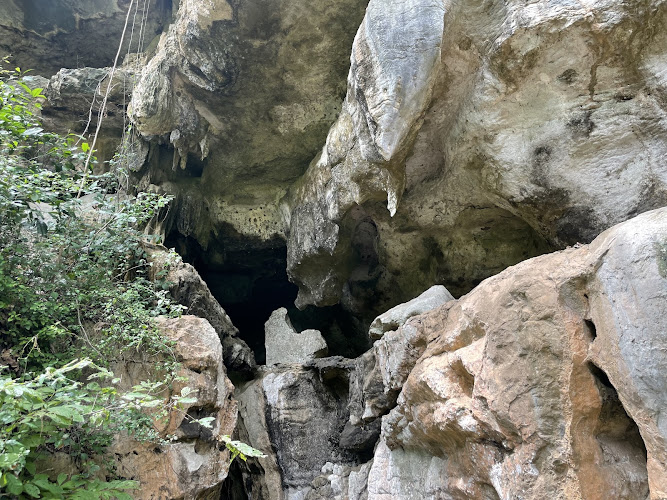
There are natural and human-made caves, too, home to colonies of bats—horseshoe bats and the Tanzanian woolly bat, to name a couple. Lions once roamed here, but it’s been a while since anyone’s seen one.
Hiking trails wind past bamboo stands, city-view overlooks, and Lake Minaki. Thanks to steady rainfall, the forest stays lush and green all year—pretty rare for a spot this close to Dar es Salaam.
What to See and Do
Pugu Hills is just a stone’s throw from Dar es Salaam, so it’s almost too easy to swap city noise for birdsong. The reserve is best known for its hiking trails, birdwatching, and those wild bat caves most people never even hear about.
Main Attractions and Highlights
The hiking here is the real deal—paths snake through ancient coastal forest, with some climbing up to 277 meters above sea level. The payoff? Sweeping views of the forest canopy and, on a clear day, Dar’s skyline shimmering in the distance.
Don’t skip the bat caves. They’re tucked away, but if you track them down, you’ll find a whole other world buzzing (or squeaking) below ground.
Wildlife and Nature:
- Birds: Hornbills and sunbirds flit everywhere.
- Small mammals: Mongooses pop up, and if you’re really lucky, maybe a pangolin.
- Forest species: Monkeys love to make surprise appearances along the trails.
If you’re into birdwatching, this place is a goldmine. People are always surprised how much wildlife hangs around so close to the city.
Walking under these ancient trees—forest bathing, if you want to get technical—honestly does wonders for your mood. The air just feels different.
Camping’s allowed if you want to stretch your visit. There are also spots for kayaking and fishing, but you’ll want to double-check locally about permits and where you can actually access the water.
Best Time to Visit
June through October is prime time for hiking. The weather’s cooler, the trails are dry, and you’re less likely to slip in the mud.
But honestly, birdwatching is fantastic year-round. The forest’s ecosystem doesn’t really take a break, so you’ll always find something interesting on the trails.
Getting here takes about 30 to 45 minutes from central Dar, depending on traffic. Early mornings are best—cooler temps, more wildlife, and you’ll beat the heat.
Entry fees hover around $5 to $10 per person, and the money goes right back into conservation. Bring sturdy shoes, plenty of water, sunscreen, and insect repellent. Mosquitoes are always on the guest list.
Visitor Information
Pugu Hills Forest Reserve is just 12 kilometers southwest of Dar, so you won’t have to plan an epic journey just to get there. It’s one of those nature escapes that’s close enough for a quick day trip but wild enough to feel like a real adventure.
Location and How to Get There
The reserve is in Kisarawe ward, about 20 minutes from central Dar es Salaam if traffic’s on your side. You’ll follow a paved road branching toward Kisarawe, and the entrance is clearly marked once you get close.
If you have your own car or hire a taxi, getting there’s a breeze. Most people arrange transport from Dar, and drivers who know the area will get you straight to the gate.
The roads are mostly good, though after a heavy rain, a few sections near the entrance can get muddy. Worth keeping in mind.
Public transport’s possible, but honestly, it’s a bit of a hassle. You’d catch a daladala (minibus) toward Kisarawe and ask the driver to drop you near the reserve, then walk the last stretch.
If you want flexibility (and comfort), hiring a car with a driver is the way to go. That way, you can explore at your own pace and not worry about catching a ride back to the city.
Tips for Visitors
Bring cash for the entrance fees—don’t count on card payments out here. The reserve doesn’t have much in the way of facilities, so throw a couple of water bottles and some snacks in your bag before you go.
If you’re into birdwatching or hoping to spot wildlife, early mornings are honestly the sweet spot. Not only do you get better sightings, but you’ll also dodge that brutal midday heat.
Closed shoes with decent grip are a must. The trails in Pugu Hills can get surprisingly slick, especially if it’s rained recently.
Long pants? Highly recommended. They’ll save your legs from mosquitoes and the occasional scratchy bush.
The bat caves are wild—dark, echoey, a little spooky. Trust me, a flashlight or headlamp will make poking around in there way more fun.
Double-check the current opening hours with someone local before you set out. They can shift around and you don’t want to show up to locked gates.
Weekday mornings are usually quiet, almost eerily so. If you like having a place to yourself, that’s your window.
Thinking about camping overnight? Definitely reach out to the reserve management ahead of time. You’ll need to sort out permits and make sure there’s a spot for your tent.
Traveler Reviews for Pugu Hills Nature Forest
There are no reviews yet. Be the first one to write one.
Have you visited Pugu Hills Nature Forest? Help other travelers by sharing your review.
Find Accommodations Nearby
Recommended Tours & Activities
Visitor Reviews
There are no reviews yet. Be the first one to write one.
Share Your Experience
Have you visited Pugu Hills Nature Forest? Help other travelers by leaving a review.