
Puerto de Ceuta
About Puerto de Ceuta
Description
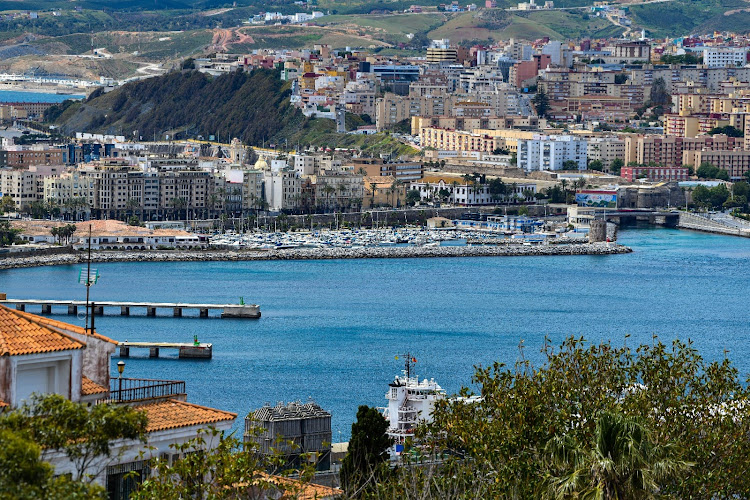
Puerto de Ceuta is a bustling harbor that sits at the crossroads of two continents, Africa and Europe, and it’s got this raw, unpolished charm that’s hard to put into words. It’s not your typical postcard-perfect port with glossy tourist traps; instead, it’s a working harbor where ferries, fishing boats, and cargo ships all mingle together, creating a lively, authentic vibe that’s pretty captivating once you get past the initial hustle. You’ll notice the scent of the sea mixed with diesel and fresh fish wafting through the air, which, honestly, adds to the whole experience if you’re into that kind of gritty maritime atmosphere.
What stands out about Puerto de Ceuta is how it blends the practical with the picturesque. On one hand, it’s a major gateway connecting Ceuta to mainland Spain and the rest of Europe, so there’s a steady flow of travelers and goods. On the other hand, it’s a place where locals go about their daily routines, fishermen haul in their catch, and vendors sell fresh seafood right off the boat. It’s a spot that doesn’t shy away from its industrial roots but still manages to offer moments of unexpected beauty, especially during sunrise or sunset when the light hits the water just right.
Visitors often find themselves drawn to the harbor’s lively energy and the chance to watch ships come and go, each with its own story. It’s a place that invites you to slow down, watch the world in motion, and maybe even strike up a conversation with a local or two. The harbor is surrounded by some charming streets and cafes where you can sit back with a coffee or a cold drink and soak in the atmosphere. It’s not perfect—sometimes the crowds or the noise can feel a bit overwhelming—but that’s part of its character. It’s a genuine slice of Ceuta life, a place that feels lived-in and real.
For travelers who appreciate places with a bit of edge and authenticity, Puerto de Ceuta offers a unique experience. It’s not polished or overly curated, but it’s honest. And sometimes, that’s exactly what makes a place memorable.
Key Features
- Strategic location connecting Europe and Africa via ferry routes
- Active fishing port with fresh seafood markets nearby
- Regular ferry services to mainland Spain, including Algeciras and Málaga
- Industrial charm mixed with local culture and maritime traditions
- Scenic waterfront views, especially stunning at sunrise and sunset
- Opportunities to observe maritime traffic and port operations up close
- Nearby cafes and eateries offering local dishes and fresh catch
- Easy access to Ceuta’s city center and cultural attractions
- Vibrant atmosphere with a mix of travelers, locals, and workers
- Safe and well-maintained facilities accommodating passenger ferries and cargo
Best Time to Visit
Honestly, the best time to visit Puerto de Ceuta depends a lot on what you’re after. If you want to avoid the peak tourist crush and enjoy a more relaxed vibe, late spring (May to June) or early autumn (September to October) are ideal. The weather is pleasant—think warm but not scorching—and the harbor buzzes with activity without feeling jam-packed.
Summer can be a mixed bag. Sure, it’s lively and full of energy, but it also gets hot and crowded, especially since Ceuta is a popular gateway for travelers crossing between Spain and Morocco. If you don’t mind the heat and want to soak up the busiest season’s atmosphere, then July and August can be exciting, but just be prepared for some waiting times and packed ferries.
Winter months are quieter, and while the weather is cooler and sometimes a bit windy, it’s a good time if you prefer a slower pace and don’t mind the occasional gray day. Plus, the harbor takes on a different kind of mood then—more introspective, a little less frantic. So, it’s really about what kind of experience you want. Personally, I’ve found early autumn visits to be just right—pleasant weather, fewer crowds, and that golden light that makes everything look a bit magical.
How to Get There
Getting to Puerto de Ceuta is pretty straightforward, especially if you’re coming from mainland Spain. The most common way is by ferry, with regular services connecting Ceuta to ports like Algeciras, Tarifa, and Málaga. The ferry ride itself is a bit of an adventure—crossing the Strait of Gibraltar with views of both continents is something you won’t forget. Just a heads up, ferries can get busy, especially during holidays, so booking in advance is a smart move.
If you’re already in Ceuta, the harbor is right there, easy to reach on foot or by local transport. The city itself is compact, so wandering around to the port area is part of the fun. For those who like to drive, there are parking options nearby, but keep in mind it can get hectic during peak times.
For travelers coming from Morocco, it’s a bit trickier since Ceuta is a Spanish enclave on African soil. You’ll likely cross the border on foot or by car through the border post, then hop on local transport or a taxi to reach the harbor. It’s a unique experience in itself, crossing between two continents in just a few steps.
Tips for Visiting
First off, don’t rush. Puerto de Ceuta isn’t about ticking off sights at lightning speed. Take your time to watch the ships, chat with locals if you can, and soak in the maritime atmosphere. It’s a place that rewards patience and curiosity.
Wear comfortable shoes because you’ll want to explore the surrounding areas on foot—there’s a lot of little nooks and crannies around the harbor that you might miss if you just stick to the main docks. Also, bring a camera or your phone; the harbor’s got some pretty cool photo ops, especially early morning or late afternoon.
Be mindful of the weather. The harbor can get windy, and those sea breezes can catch you off guard. A light jacket or windbreaker is always a good idea, no matter the season. And if you’re planning to take a ferry, check the schedule ahead of time and arrive early. The lines can be long, and the process a bit slow, especially during busy periods.
Don’t miss trying the fresh seafood around the harbor. There are small eateries and market stalls where you can grab something tasty and authentic. I remember grabbing grilled sardines at a tiny spot near the docks and thinking, wow, this is what travel is all about—simple, fresh, and full of flavor.
Lastly, keep an open mind. Puerto de Ceuta isn’t a polished tourist hotspot; it’s a working harbor with all the noise, smells, and hustle that come with it. But that’s exactly why it’s worth visiting. If you’re looking for a genuine slice of Ceuta life and a unique maritime experience, this harbor’s got your back.
Key Features
- Strategic location connecting Europe and Africa via ferry routes
- Active fishing port with fresh seafood markets nearby
- Regular ferry services to mainland Spain, including Algeciras and Málaga
- Industrial charm mixed with local culture and maritime traditions
- Scenic waterfront views, especially stunning at sunrise and sunset
- Opportunities to observe maritime traffic and port operations up close
- Nearby cafes and eateries offering local dishes and fresh catch
- Easy access to Ceuta’s city center and cultural attractions
More Details
Updated July 13, 2025
Table of Contents
Description
Puerto de Ceuta is a bustling harbor that sits at the crossroads of two continents, Africa and Europe, and it’s got this raw, unpolished charm that’s hard to put into words. It’s not your typical postcard-perfect port with glossy tourist traps; instead, it’s a working harbor where ferries, fishing boats, and cargo ships all mingle together, creating a lively, authentic vibe that’s pretty captivating once you get past the initial hustle. You’ll notice the scent of the sea mixed with diesel and fresh fish wafting through the air, which, honestly, adds to the whole experience if you’re into that kind of gritty maritime atmosphere.
What stands out about Puerto de Ceuta is how it blends the practical with the picturesque. On one hand, it’s a major gateway connecting Ceuta to mainland Spain and the rest of Europe, so there’s a steady flow of travelers and goods. On the other hand, it’s a place where locals go about their daily routines, fishermen haul in their catch, and vendors sell fresh seafood right off the boat. It’s a spot that doesn’t shy away from its industrial roots but still manages to offer moments of unexpected beauty, especially during sunrise or sunset when the light hits the water just right.
Visitors often find themselves drawn to the harbor’s lively energy and the chance to watch ships come and go, each with its own story. It’s a place that invites you to slow down, watch the world in motion, and maybe even strike up a conversation with a local or two. The harbor is surrounded by some charming streets and cafes where you can sit back with a coffee or a cold drink and soak in the atmosphere. It’s not perfect—sometimes the crowds or the noise can feel a bit overwhelming—but that’s part of its character. It’s a genuine slice of Ceuta life, a place that feels lived-in and real.
For travelers who appreciate places with a bit of edge and authenticity, Puerto de Ceuta offers a unique experience. It’s not polished or overly curated, but it’s honest. And sometimes, that’s exactly what makes a place memorable.
Key Features
- Strategic location connecting Europe and Africa via ferry routes
- Active fishing port with fresh seafood markets nearby
- Regular ferry services to mainland Spain, including Algeciras and Málaga
- Industrial charm mixed with local culture and maritime traditions
- Scenic waterfront views, especially stunning at sunrise and sunset
- Opportunities to observe maritime traffic and port operations up close
- Nearby cafes and eateries offering local dishes and fresh catch
- Easy access to Ceuta’s city center and cultural attractions
- Vibrant atmosphere with a mix of travelers, locals, and workers
- Safe and well-maintained facilities accommodating passenger ferries and cargo
Best Time to Visit
Honestly, the best time to visit Puerto de Ceuta depends a lot on what you’re after. If you want to avoid the peak tourist crush and enjoy a more relaxed vibe, late spring (May to June) or early autumn (September to October) are ideal. The weather is pleasant—think warm but not scorching—and the harbor buzzes with activity without feeling jam-packed.
Summer can be a mixed bag. Sure, it’s lively and full of energy, but it also gets hot and crowded, especially since Ceuta is a popular gateway for travelers crossing between Spain and Morocco. If you don’t mind the heat and want to soak up the busiest season’s atmosphere, then July and August can be exciting, but just be prepared for some waiting times and packed ferries.
Winter months are quieter, and while the weather is cooler and sometimes a bit windy, it’s a good time if you prefer a slower pace and don’t mind the occasional gray day. Plus, the harbor takes on a different kind of mood then—more introspective, a little less frantic. So, it’s really about what kind of experience you want. Personally, I’ve found early autumn visits to be just right—pleasant weather, fewer crowds, and that golden light that makes everything look a bit magical.
How to Get There
Getting to Puerto de Ceuta is pretty straightforward, especially if you’re coming from mainland Spain. The most common way is by ferry, with regular services connecting Ceuta to ports like Algeciras, Tarifa, and Málaga. The ferry ride itself is a bit of an adventure—crossing the Strait of Gibraltar with views of both continents is something you won’t forget. Just a heads up, ferries can get busy, especially during holidays, so booking in advance is a smart move.
If you’re already in Ceuta, the harbor is right there, easy to reach on foot or by local transport. The city itself is compact, so wandering around to the port area is part of the fun. For those who like to drive, there are parking options nearby, but keep in mind it can get hectic during peak times.
For travelers coming from Morocco, it’s a bit trickier since Ceuta is a Spanish enclave on African soil. You’ll likely cross the border on foot or by car through the border post, then hop on local transport or a taxi to reach the harbor. It’s a unique experience in itself, crossing between two continents in just a few steps.
Tips for Visiting
First off, don’t rush. Puerto de Ceuta isn’t about ticking off sights at lightning speed. Take your time to watch the ships, chat with locals if you can, and soak in the maritime atmosphere. It’s a place that rewards patience and curiosity.
Wear comfortable shoes because you’ll want to explore the surrounding areas on foot—there’s a lot of little nooks and crannies around the harbor that you might miss if you just stick to the main docks. Also, bring a camera or your phone; the harbor’s got some pretty cool photo ops, especially early morning or late afternoon.
Be mindful of the weather. The harbor can get windy, and those sea breezes can catch you off guard. A light jacket or windbreaker is always a good idea, no matter the season. And if you’re planning to take a ferry, check the schedule ahead of time and arrive early. The lines can be long, and the process a bit slow, especially during busy periods.
Don’t miss trying the fresh seafood around the harbor. There are small eateries and market stalls where you can grab something tasty and authentic. I remember grabbing grilled sardines at a tiny spot near the docks and thinking, wow, this is what travel is all about—simple, fresh, and full of flavor.
Lastly, keep an open mind. Puerto de Ceuta isn’t a polished tourist hotspot; it’s a working harbor with all the noise, smells, and hustle that come with it. But that’s exactly why it’s worth visiting. If you’re looking for a genuine slice of Ceuta life and a unique maritime experience, this harbor’s got your back.
Key Highlights
- Strategic location connecting Europe and Africa via ferry routes
- Active fishing port with fresh seafood markets nearby
- Regular ferry services to mainland Spain, including Algeciras and Málaga
- Industrial charm mixed with local culture and maritime traditions
- Scenic waterfront views, especially stunning at sunrise and sunset
- Opportunities to observe maritime traffic and port operations up close
- Nearby cafes and eateries offering local dishes and fresh catch
- Easy access to Ceuta’s city center and cultural attractions
Location
Places to Stay Near Puerto de Ceuta
Find and Book a Tour
Explore More Travel Guides
No reviews found! Be the first to review!
Traveler Reviews for Puerto de Ceuta
There are no reviews yet. Be the first one to write one.
Have you visited Puerto de Ceuta? Help other travelers by sharing your review.
You Might Also Like
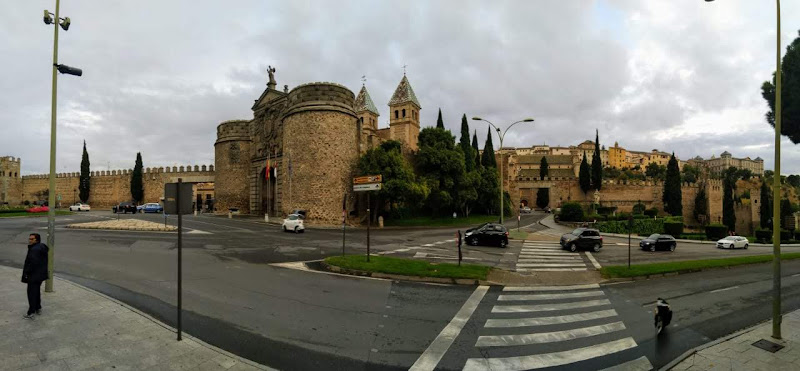
Toledo
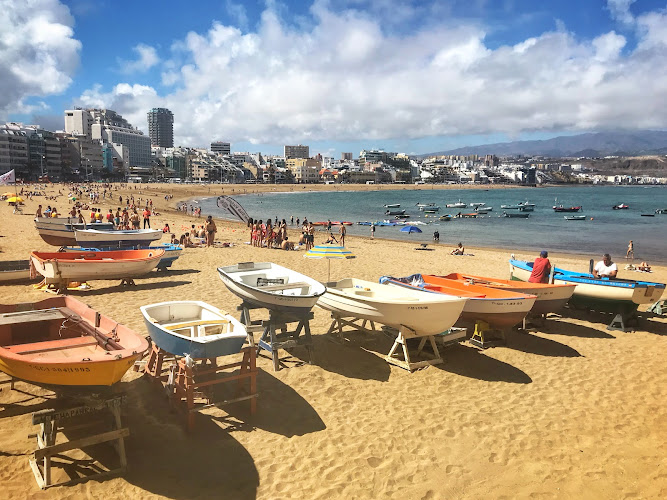
Las Canteras Beach
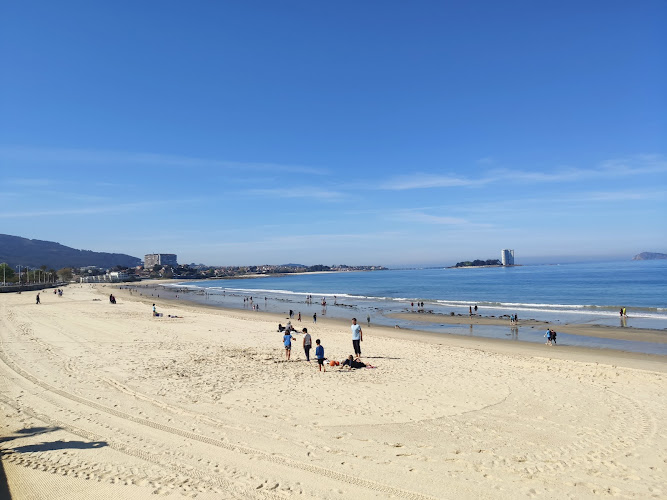
Praia de Samil
Find Accommodations Nearby
Recommended Tours & Activities
Visitor Reviews
There are no reviews yet. Be the first one to write one.
Share Your Experience
Have you visited Puerto de Ceuta? Help other travelers by leaving a review.