
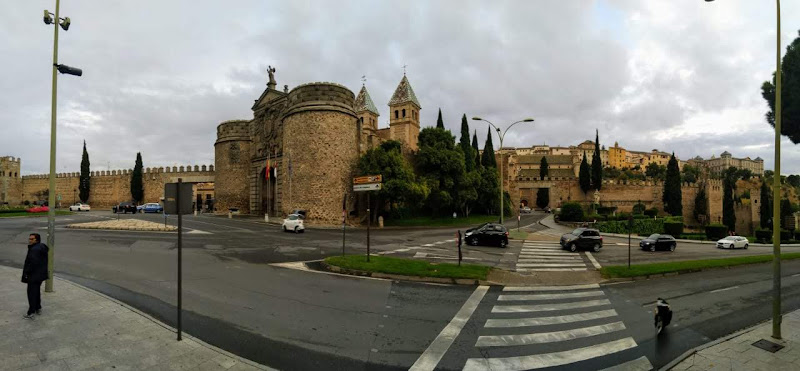
Toledo
About Toledo
Description
Toledo, perched dramatically on a hill above the plains of Castilla-La Mancha, is one of those rare places where history doesn’t just sit quietly in museums—it spills into the streets, the walls, and even the air you breathe. The city has this layered personality, shaped by centuries of coexistence between Christian, Jewish, and Muslim cultures. You’ll see it everywhere: in the synagogues that sit a stone’s throw from mosques, in the Gothic spires that rise above Moorish arches, and in the cobbled alleys that seem to twist deliberately just to confuse you (and trust me, they will). I remember wandering those streets and feeling like I’d walked into a storybook that never quite ends.
The old quarter, wrapped in sturdy medieval walls, feels alive in a way that photographs never capture. The Plaza de Zocodover is the beating heart of the city, buzzing with chatter, laughter, and the occasional street musician. And then there’s El Greco—his presence lingers here, not just in the museum dedicated to him but in the way the light hits the city, dramatic and almost theatrical. Toledo isn’t perfect—sometimes it gets crowded, and yes, the hills will test your legs—but the imperfections are part of its charm. It’s a place that rewards patience, curiosity, and a good pair of walking shoes.
Key Features
- The Alcázar of Toledo, a fortress that dominates the skyline and houses a military museum.
- The Cathedral of Toledo, a Gothic masterpiece with jaw-dropping interiors and hidden chapels.
- The Synagogue of Santa María la Blanca, a stunning example of Mudéjar architecture.
- The Monastery of San Juan de los Reyes, built by the Catholic Monarchs with intricate cloisters.
- The Bisagra Gate and Sol Gate, impressive Moorish entrances into the old city.
- Artistic legacy of El Greco, with several of his works displayed across the city.
- Panoramic views of the Tagus River, winding dramatically around the city walls.
Best Time to Visit
Timing matters in Toledo. Summers can be scorching—seriously, the heat bounces off the stone streets like an oven—so if you’re not a fan of melting into the pavement, avoid July and August. Spring (April to June) and autumn (September to early November) are the sweet spots. The weather is kinder, the light is softer, and the crowds are a bit thinner. I once visited in late October, and the golden leaves along the Tagus made the whole city look like a painting. Winter has its own charm though: fewer tourists, crisp air, and the chance to enjoy hearty local dishes like venison stew without sweating through your shirt.
How to Get There
Getting to Toledo is easier than you might think. From Madrid, it’s a quick 30-minute train ride—fast enough for a day trip but, honestly, staying overnight lets you see the city without the daytime rush. Buses are cheaper and take about an hour, winding through the countryside before dropping you near the historic center. If you’re driving, brace yourself for narrow streets that seem designed to test your patience. Parking outside the old quarter is usually the smarter choice, unless you enjoy squeezing your car through medieval alleys (I don’t recommend it). Walking is the best way to explore once you’re inside the walls—though your calves might complain, your eyes will thank you.
Tips for Visiting
First tip: wear comfortable shoes. This isn’t negotiable. Toledo’s streets are steep, uneven, and occasionally slippery, especially after rain. Second, give yourself time. So many people rush through in a single day, ticking off the big sights, but the real joy is in the slower moments—like sipping coffee in a quiet square or stumbling upon a tiny artisan workshop.
If you’re into food, don’t miss the marzipan. It’s not just a sweet treat here; it’s practically an art form. And if you’re a fan of swords or armor (or even if you’re not), the craftsmanship in Toledo is legendary. I still regret not buying a small blade as a souvenir—it would’ve looked great on my bookshelf. Also, keep in mind that many attractions close for a few hours in the afternoon for siesta. Plan around it, or embrace it as your excuse to linger over a long lunch.
Lastly, try to catch the city at night. When the day-trippers leave, Toledo transforms. The streets quiet down, the monuments glow under soft lighting, and you feel like you’ve stepped back a few centuries. It’s magical, and honestly, it’s the version of Toledo I carry with me the most.
Key Features
- The Alcázar of Toledo, a fortress that dominates the skyline and houses a military museum.
- The Cathedral of Toledo, a Gothic masterpiece with jaw-dropping interiors and hidden chapels.
- The Synagogue of Santa María la Blanca, a stunning example of Mudéjar architecture.
- The Monastery of San Juan de los Reyes, built by the Catholic Monarchs with intricate cloisters.
- The Bisagra Gate and Sol Gate, impressive Moorish entrances into the old city.
- Artistic legacy of El Greco, with several of his works displayed across the city.
- Panoramic views of the Tagus River, winding dramatically around the city walls.
More Details
Updated October 1, 2025
Table of Contents
Description
Toledo, perched dramatically on a hill above the plains of Castilla-La Mancha, is one of those rare places where history doesn’t just sit quietly in museums—it spills into the streets, the walls, and even the air you breathe. The city has this layered personality, shaped by centuries of coexistence between Christian, Jewish, and Muslim cultures. You’ll see it everywhere: in the synagogues that sit a stone’s throw from mosques, in the Gothic spires that rise above Moorish arches, and in the cobbled alleys that seem to twist deliberately just to confuse you (and trust me, they will). I remember wandering those streets and feeling like I’d walked into a storybook that never quite ends.
The old quarter, wrapped in sturdy medieval walls, feels alive in a way that photographs never capture. The Plaza de Zocodover is the beating heart of the city, buzzing with chatter, laughter, and the occasional street musician. And then there’s El Greco—his presence lingers here, not just in the museum dedicated to him but in the way the light hits the city, dramatic and almost theatrical. Toledo isn’t perfect—sometimes it gets crowded, and yes, the hills will test your legs—but the imperfections are part of its charm. It’s a place that rewards patience, curiosity, and a good pair of walking shoes.
Key Features
- The Alcázar of Toledo, a fortress that dominates the skyline and houses a military museum.
- The Cathedral of Toledo, a Gothic masterpiece with jaw-dropping interiors and hidden chapels.
- The Synagogue of Santa María la Blanca, a stunning example of Mudéjar architecture.
- The Monastery of San Juan de los Reyes, built by the Catholic Monarchs with intricate cloisters.
- The Bisagra Gate and Sol Gate, impressive Moorish entrances into the old city.
- Artistic legacy of El Greco, with several of his works displayed across the city.
- Panoramic views of the Tagus River, winding dramatically around the city walls.
Best Time to Visit
Timing matters in Toledo. Summers can be scorching—seriously, the heat bounces off the stone streets like an oven—so if you’re not a fan of melting into the pavement, avoid July and August. Spring (April to June) and autumn (September to early November) are the sweet spots. The weather is kinder, the light is softer, and the crowds are a bit thinner. I once visited in late October, and the golden leaves along the Tagus made the whole city look like a painting. Winter has its own charm though: fewer tourists, crisp air, and the chance to enjoy hearty local dishes like venison stew without sweating through your shirt.
How to Get There
Getting to Toledo is easier than you might think. From Madrid, it’s a quick 30-minute train ride—fast enough for a day trip but, honestly, staying overnight lets you see the city without the daytime rush. Buses are cheaper and take about an hour, winding through the countryside before dropping you near the historic center. If you’re driving, brace yourself for narrow streets that seem designed to test your patience. Parking outside the old quarter is usually the smarter choice, unless you enjoy squeezing your car through medieval alleys (I don’t recommend it). Walking is the best way to explore once you’re inside the walls—though your calves might complain, your eyes will thank you.
Tips for Visiting
First tip: wear comfortable shoes. This isn’t negotiable. Toledo’s streets are steep, uneven, and occasionally slippery, especially after rain. Second, give yourself time. So many people rush through in a single day, ticking off the big sights, but the real joy is in the slower moments—like sipping coffee in a quiet square or stumbling upon a tiny artisan workshop.
If you’re into food, don’t miss the marzipan. It’s not just a sweet treat here; it’s practically an art form. And if you’re a fan of swords or armor (or even if you’re not), the craftsmanship in Toledo is legendary. I still regret not buying a small blade as a souvenir—it would’ve looked great on my bookshelf. Also, keep in mind that many attractions close for a few hours in the afternoon for siesta. Plan around it, or embrace it as your excuse to linger over a long lunch.
Lastly, try to catch the city at night. When the day-trippers leave, Toledo transforms. The streets quiet down, the monuments glow under soft lighting, and you feel like you’ve stepped back a few centuries. It’s magical, and honestly, it’s the version of Toledo I carry with me the most.
Key Highlights
- The Alcázar of Toledo, a fortress that dominates the skyline and houses a military museum.
- The Cathedral of Toledo, a Gothic masterpiece with jaw-dropping interiors and hidden chapels.
- The Synagogue of Santa María la Blanca, a stunning example of Mudéjar architecture.
- The Monastery of San Juan de los Reyes, built by the Catholic Monarchs with intricate cloisters.
- The Bisagra Gate and Sol Gate, impressive Moorish entrances into the old city.
- Artistic legacy of El Greco, with several of his works displayed across the city.
- Panoramic views of the Tagus River, winding dramatically around the city walls.
Location
Places to Stay Near Toledo
Find and Book a Tour
Explore More Travel Guides
No reviews found! Be the first to review!
Traveler Reviews for Toledo
There are no reviews yet. Be the first one to write one.
Have you visited Toledo? Help other travelers by sharing your review.
You Might Also Like

Malvarrosa beach (Valencia)

Mollet del Vallès
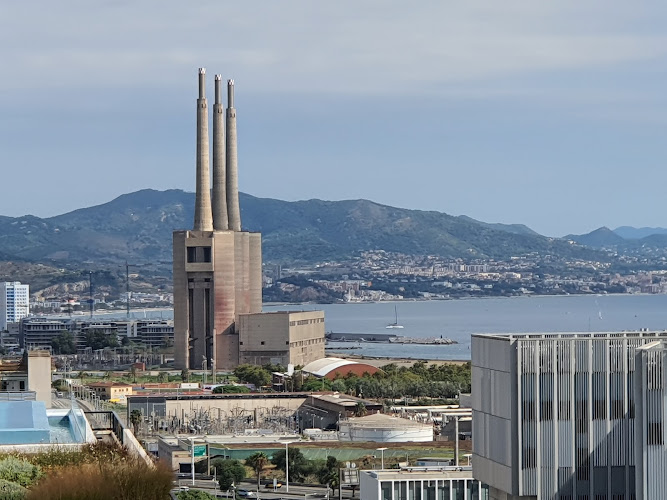
Municipality of Sant Adrià de Besòs
Find Accommodations Nearby
Recommended Tours & Activities
Visitor Reviews
There are no reviews yet. Be the first one to write one.
Share Your Experience
Have you visited Toledo? Help other travelers by leaving a review.