
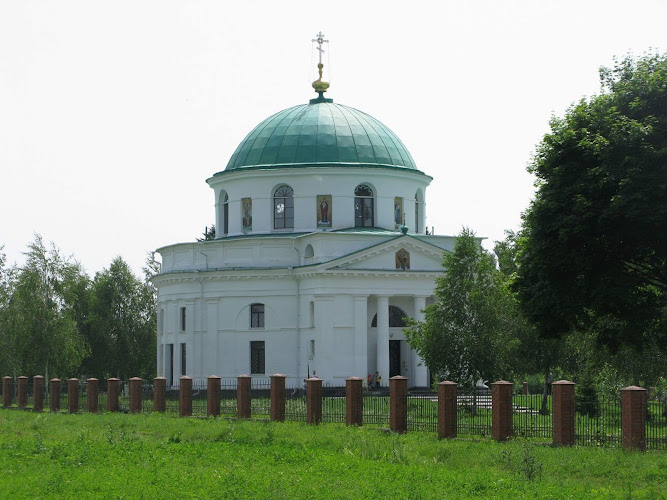
Poltava Oblast
About Poltava Oblast
Description
Poltava Oblast, often called Poltavshchyna by locals, sits right in the heart of Ukraine — a region that somehow feels both timeless and quietly alive. It’s a place where golden wheat fields stretch beyond sight, and you can almost hear the whispers of history in the breeze. The administrative center, Poltava city, is a charming mix of old-world architecture, leafy boulevards, and that distinct Ukrainian warmth that makes you feel like you’ve known the place forever. With a population of just over 1.3 million, the oblast manages to stay calm and grounded, even as it hums with cultural energy.
What makes Poltava Oblast special isn’t just its geography — though being in central Ukraine gives it a strategic and cultural heartbeat — it’s the way the past and present coexist here. This was once part of the southern regions of the Cossack Hetmanate, and you can still feel that proud, independent spirit in its towns and villages. There’s a certain authenticity to life here; it’s not a region that tries too hard to impress. Instead, it quietly draws you in with its museums, historic battlefields, and the kind of food that makes you want to linger just a little longer.
When I first visited Poltava, I remember being struck by how green everything was. Locals weren’t exaggerating when they said it’s one of Ukraine’s “greenest” regions. Parks, gardens, and forests seem to pop up everywhere, and even the city streets feel like they’re designed for wandering slowly, not rushing through. And that’s kind of the mood of Poltava Oblast — unhurried, thoughtful, full of stories if you’re willing to listen.
Key Features
- Historical depth: The region played a major role in Ukrainian and European history, especially during the Battle of Poltava in 1709, a turning point that shaped the future of Eastern Europe.
- Cultural heritage: Home to museums, theaters, and architectural gems that celebrate Ukrainian art, folklore, and literature — including tributes to the poet Ivan Kotliarevsky.
- Natural beauty: Rolling plains, tranquil rivers like the Vorskla, and endless green spaces make it a haven for those who crave open skies and peaceful landscapes.
- Local cuisine: Expect hearty Ukrainian dishes — varenyky, borscht, and halushky (Poltava’s pride) — often made from local produce and served with genuine hospitality.
- Friendly locals: People here are known for their sincerity and warmth; conversations often turn into shared meals or spontaneous history lessons.
- Architectural charm: From baroque churches to Soviet-era monuments, the region’s architecture tells a layered story of resilience and evolution.
Best Time to Visit
If you ask me, Poltava Oblast is one of those rare places that looks good in every season — but it truly shines in late spring and early autumn. Between May and June, the countryside bursts into color, and the weather is just right for long walks or cycling through the smaller towns. Autumn, on the other hand, brings a golden glow to the fields and forests, making it perfect for photography and quiet reflection. Summer can get warm, especially in July, but it’s also festival season — a great time if you enjoy music, open-air markets, and late-night gatherings under the stars.
Winter in Poltava Oblast has its own charm too. It’s quieter, slower, and full of that cozy, fireside feeling. If you’re into museums, art, or just exploring without crowds, winter might actually be your secret weapon. Just pack a good coat — the wind off the steppe can be brisk, to say the least.
How to Get There
Getting to Poltava Oblast is pretty straightforward, especially if you’re starting from Kyiv or Kharkiv. The city of Poltava sits roughly halfway between the two, making it a convenient stop for travelers exploring central Ukraine. You can hop on a direct train from Kyiv — the ride takes about four hours — or catch a bus if you prefer the scenic route. There are also regional trains connecting Poltava with nearby cities like Kremenchuk and Myrhorod, both worth a visit in their own right.
If you’re driving, the highways are generally in good condition, and the journey offers a great glimpse of Ukraine’s countryside — endless fields, quaint villages, and the occasional roadside stand selling homemade honey or pickles. For those flying in, the nearest major airports are in Kyiv and Kharkiv, with easy onward connections by rail or bus. Personally, I’d recommend taking the train; there’s something nostalgic and peaceful about watching the Ukrainian landscape roll by through a window.
Tips for Visiting
Here’s the thing about Poltava Oblast — it rewards curiosity. The more you explore, the more you’ll find. But to make the most of your trip, a few tips can go a long way:
- Learn a few Ukrainian phrases. Locals appreciate the effort, and it often leads to warmer interactions (and possibly free homemade treats).
- Visit smaller towns. Don’t just stick to Poltava city. Myrhorod, for instance, is known for its mineral springs and spa culture, while Kremenchuk has a lively riverside vibe.
- Try halushky. It’s not just food — it’s a symbol of Poltava’s identity. Every local restaurant has its own version, and comparing them becomes a fun little adventure.
- Bring cash. While card payments are common in larger cities, smaller villages and markets still prefer cash, especially for local crafts and produce.
- Take your time. The best experiences here aren’t rushed. Sit in a park, chat with an old man feeding pigeons, or watch the sunset over the Vorskla River. That’s where the real Poltava magic lives.
- Respect local traditions. The people here are proud of their heritage. Ask questions, show interest, and you’ll often be rewarded with stories that don’t appear in any guidebook.
One more thing — Poltava Oblast is incredibly photogenic, but it’s not the kind of place that tries to be. You’ll find beauty in quiet corners, in the way sunlight hits the domes of a church, or in the laughter of kids playing in a dusty village square. It’s subtle, understated, and deeply human. And maybe that’s why I keep thinking back to it long after leaving.
So if you’re planning a trip through Ukraine and want to experience something authentic — something that feels like the country’s true heart — Poltava Oblast might just surprise you. It’s a region that doesn’t shout for attention but leaves a lasting impression on anyone who takes the time to listen. And honestly, that’s the kind of travel experience that stays with you.
Key Features
- Key Features
- Best Time to Visit
- How to Get There
- Tips for Visiting
More Details
Updated November 30, 2025
Table of Contents
Description
Poltava Oblast, often called Poltavshchyna by locals, sits right in the heart of Ukraine — a region that somehow feels both timeless and quietly alive. It’s a place where golden wheat fields stretch beyond sight, and you can almost hear the whispers of history in the breeze. The administrative center, Poltava city, is a charming mix of old-world architecture, leafy boulevards, and that distinct Ukrainian warmth that makes you feel like you’ve known the place forever. With a population of just over 1.3 million, the oblast manages to stay calm and grounded, even as it hums with cultural energy.
What makes Poltava Oblast special isn’t just its geography — though being in central Ukraine gives it a strategic and cultural heartbeat — it’s the way the past and present coexist here. This was once part of the southern regions of the Cossack Hetmanate, and you can still feel that proud, independent spirit in its towns and villages. There’s a certain authenticity to life here; it’s not a region that tries too hard to impress. Instead, it quietly draws you in with its museums, historic battlefields, and the kind of food that makes you want to linger just a little longer.
When I first visited Poltava, I remember being struck by how green everything was. Locals weren’t exaggerating when they said it’s one of Ukraine’s “greenest” regions. Parks, gardens, and forests seem to pop up everywhere, and even the city streets feel like they’re designed for wandering slowly, not rushing through. And that’s kind of the mood of Poltava Oblast — unhurried, thoughtful, full of stories if you’re willing to listen.
Key Features
- Historical depth: The region played a major role in Ukrainian and European history, especially during the Battle of Poltava in 1709, a turning point that shaped the future of Eastern Europe.
- Cultural heritage: Home to museums, theaters, and architectural gems that celebrate Ukrainian art, folklore, and literature — including tributes to the poet Ivan Kotliarevsky.
- Natural beauty: Rolling plains, tranquil rivers like the Vorskla, and endless green spaces make it a haven for those who crave open skies and peaceful landscapes.
- Local cuisine: Expect hearty Ukrainian dishes — varenyky, borscht, and halushky (Poltava’s pride) — often made from local produce and served with genuine hospitality.
- Friendly locals: People here are known for their sincerity and warmth; conversations often turn into shared meals or spontaneous history lessons.
- Architectural charm: From baroque churches to Soviet-era monuments, the region’s architecture tells a layered story of resilience and evolution.
Best Time to Visit
If you ask me, Poltava Oblast is one of those rare places that looks good in every season — but it truly shines in late spring and early autumn. Between May and June, the countryside bursts into color, and the weather is just right for long walks or cycling through the smaller towns. Autumn, on the other hand, brings a golden glow to the fields and forests, making it perfect for photography and quiet reflection. Summer can get warm, especially in July, but it’s also festival season — a great time if you enjoy music, open-air markets, and late-night gatherings under the stars.
Winter in Poltava Oblast has its own charm too. It’s quieter, slower, and full of that cozy, fireside feeling. If you’re into museums, art, or just exploring without crowds, winter might actually be your secret weapon. Just pack a good coat — the wind off the steppe can be brisk, to say the least.
How to Get There
Getting to Poltava Oblast is pretty straightforward, especially if you’re starting from Kyiv or Kharkiv. The city of Poltava sits roughly halfway between the two, making it a convenient stop for travelers exploring central Ukraine. You can hop on a direct train from Kyiv — the ride takes about four hours — or catch a bus if you prefer the scenic route. There are also regional trains connecting Poltava with nearby cities like Kremenchuk and Myrhorod, both worth a visit in their own right.
If you’re driving, the highways are generally in good condition, and the journey offers a great glimpse of Ukraine’s countryside — endless fields, quaint villages, and the occasional roadside stand selling homemade honey or pickles. For those flying in, the nearest major airports are in Kyiv and Kharkiv, with easy onward connections by rail or bus. Personally, I’d recommend taking the train; there’s something nostalgic and peaceful about watching the Ukrainian landscape roll by through a window.
Tips for Visiting
Here’s the thing about Poltava Oblast — it rewards curiosity. The more you explore, the more you’ll find. But to make the most of your trip, a few tips can go a long way:
- Learn a few Ukrainian phrases. Locals appreciate the effort, and it often leads to warmer interactions (and possibly free homemade treats).
- Visit smaller towns. Don’t just stick to Poltava city. Myrhorod, for instance, is known for its mineral springs and spa culture, while Kremenchuk has a lively riverside vibe.
- Try halushky. It’s not just food — it’s a symbol of Poltava’s identity. Every local restaurant has its own version, and comparing them becomes a fun little adventure.
- Bring cash. While card payments are common in larger cities, smaller villages and markets still prefer cash, especially for local crafts and produce.
- Take your time. The best experiences here aren’t rushed. Sit in a park, chat with an old man feeding pigeons, or watch the sunset over the Vorskla River. That’s where the real Poltava magic lives.
- Respect local traditions. The people here are proud of their heritage. Ask questions, show interest, and you’ll often be rewarded with stories that don’t appear in any guidebook.
One more thing — Poltava Oblast is incredibly photogenic, but it’s not the kind of place that tries to be. You’ll find beauty in quiet corners, in the way sunlight hits the domes of a church, or in the laughter of kids playing in a dusty village square. It’s subtle, understated, and deeply human. And maybe that’s why I keep thinking back to it long after leaving.
So if you’re planning a trip through Ukraine and want to experience something authentic — something that feels like the country’s true heart — Poltava Oblast might just surprise you. It’s a region that doesn’t shout for attention but leaves a lasting impression on anyone who takes the time to listen. And honestly, that’s the kind of travel experience that stays with you.
Key Highlights
- Key Features
- Best Time to Visit
- How to Get There
- Tips for Visiting
Location
Places to Stay Near Poltava Oblast
Find and Book a Tour
Explore More Travel Guides
No reviews found! Be the first to review!
Traveler Reviews for Poltava Oblast
There are no reviews yet. Be the first one to write one.
Have you visited Poltava Oblast? Help other travelers by sharing your review.
You Might Also Like
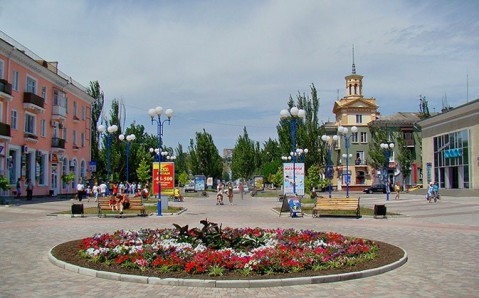
Zaporizhia Oblast
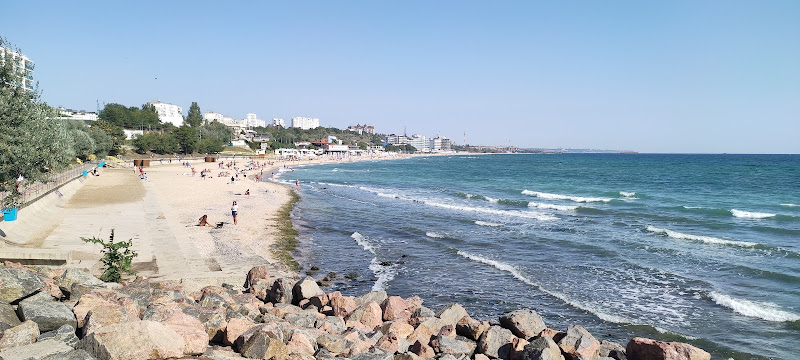
Odesa Oblast
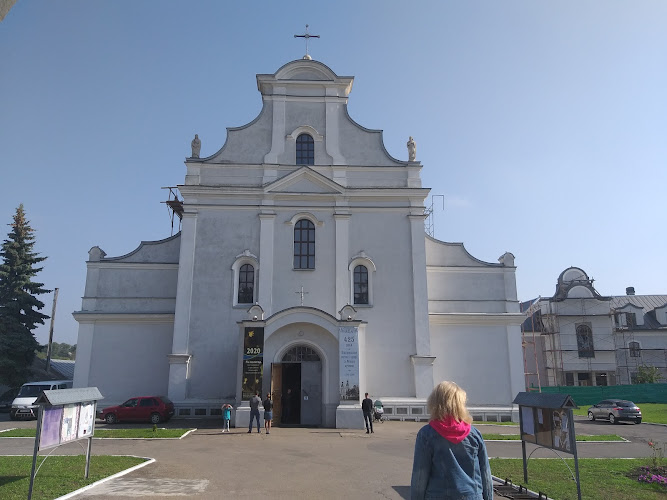
Vinnytsia Oblast
Find Accommodations Nearby
Recommended Tours & Activities
Visitor Reviews
There are no reviews yet. Be the first one to write one.
Share Your Experience
Have you visited Poltava Oblast? Help other travelers by leaving a review.