Plaza Túpac Amaru
About Plaza Túpac Amaru
Description
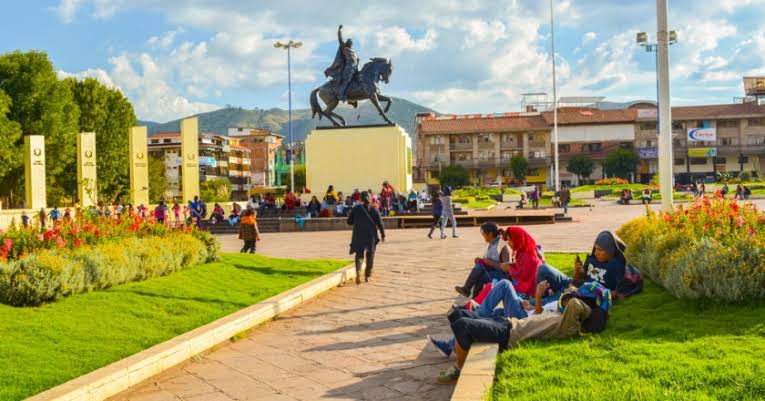
Plaza Túpac Amaru stands as one of Lima's more intriguing public spaces, offering travelers a genuine slice of local life away from the typical tourist circuit. Named after the legendary indigenous leader who led one of the most significant rebellions against Spanish colonial rule in the 18th century, this paved square commands attention with its striking equestrian statue that dominates the central area. The monument depicts the late-Incan monarch in all his glory, a powerful reminder of Peru's rich pre-colonial heritage and the enduring spirit of resistance. What makes this plaza particularly interesting is how it functions as a living, breathing community space rather than just another photo opportunity for travelers. Sure, the statue is impressive and worth several shots for your travel album, but the real magic happens when you spend time observing how locals interact with this space throughout the week. I've found that some of the most memorable travel experiences come from places like this, where tourism isn't the primary purpose but rather a happy side effect of authentic daily life. The square transforms dramatically on weekends when a bustling craft market takes over the space. Vendors set up their stalls selling everything from traditional textiles to handmade jewelry, local snacks, and artisan goods that you won't find in the polished shops of Miraflores or Bariloche. And honestly, that's kind of the point. This isn't a market designed for tourists with inflated prices and mass-produced souvenirs claiming to be authentic. The weekend market at Plaza Túpac Amaru primarily serves local residents, which means you're getting a more genuine taste of Peruvian commerce and culture. The plaza itself maintains a straightforward design with paved surfaces that make navigation easy for everyone. It's not trying to be the fanciest square in Lima, and that unpretentious quality is part of its charm. During weekdays, you'll see families gathering, elderly residents catching up on benches, and kids running around the open spaces. Dogs trot alongside their owners, and there's generally a relaxed atmosphere that contrasts sharply with the more tourist-heavy areas of the city.Key Features
The distinctive characteristics of Plaza Túpac Amaru create an experience quite different from Lima's more famous plazas. Here's what makes this space worth including in your itinerary: • The commanding equestrian statue of Túpac Amaru serves as the plaza's focal point, offering a powerful visual connection to Peru's indigenous history and colonial resistance movements • Weekend craft markets bring dozens of vendors selling authentic Peruvian handicrafts, textiles, jewelry, and local food items at prices geared toward residents rather than tourists • Fully accessible entrance points make the plaza welcoming for visitors with mobility challenges, including wheelchair users who can navigate the paved surfaces without difficulty • Dog-friendly policies mean you can bring your four-legged travel companion along, and you'll likely see plenty of local pets enjoying the space too • Family-oriented atmosphere with open spaces where children can play safely while parents relax on available seating areas • Onsite services provide basic amenities for visitors spending extended time at the plaza or browsing the weekend markets • Authentic local environment where tourism is secondary, giving travelers genuine insight into everyday Peruvian community life • Strategic location that serves as a gathering point for the surrounding neighborhood, creating opportunities to observe and participate in local customsBest Time to Visit
Timing your visit to Plaza Túpac Amaru can make a significant difference in your experience, and I've learned through my travels that flexibility often leads to the best discoveries. If you're after that authentic market experience with vendors displaying their crafts and the plaza buzzing with activity, weekends are absolutely your target. Saturday and Sunday mornings typically see the market in full swing, with vendors setting up early and the best selection available before noon. But here's where it gets interesting. Weekday visits offer something entirely different and equally valuable. The plaza takes on a quieter, more contemplative character when the market stalls are absent. You can actually appreciate the statue and the plaza's design without navigating through crowds. I've always found that visiting popular spots during their "off" times reveals layers that the busy periods obscure. You'll see how locals use the space for socializing, exercising, or simply passing through during their daily routines. Weather-wise, Lima's climate plays a significant role in planning. The city experiences two distinct seasons, though neither involves the dramatic temperature swings you might expect. May through October brings the garúa, Lima's characteristic coastal fog and mist that blankets the city in gray. It's not particularly cold, but it can feel damp and gloomy. November through April offers sunnier skies and warmer temperatures, making outdoor plaza visits more comfortable. Early morning hours, around 8 or 9 AM, provide cooler temperatures and often clearer skies before the afternoon haze rolls in. Late afternoon visits around 4 or 5 PM catch the golden hour light that photographers love, though be mindful that some vendors might be packing up by then on weekends. Avoid major holidays if you're seeking a typical experience, as the plaza can either become extremely crowded or unexpectedly empty depending on the celebration. Then again, stumbling upon a local festival or holiday celebration can create unforgettable memories, so there's something to be said for taking chances.How to Get There
Getting to Plaza Túpac Amaru requires a bit more effort than reaching Lima's central tourist zones, but that's precisely why it maintains its authentic character. The plaza sits in the northern areas of Lima, which means you'll need to plan your transportation rather than just wandering over from your hotel in the tourist districts. Taxis and ride-sharing services like Uber or Beat offer the most straightforward option, especially if you're not familiar with Lima's public transportation system. The fare from central districts like Miraflores or San Isidro will run higher than a quick neighborhood trip, but the convenience and safety make it worthwhile for many travelers. Always confirm the destination with your driver before departing, and consider having the address or a map screenshot ready on your phone since some drivers may not immediately recognize the plaza by name. Public transportation presents a more economical but complex alternative. Lima's Metropolitano bus rapid transit system doesn't directly serve the plaza, but various local bus routes do pass through the area. And look, I'll be honest – navigating Lima's local buses can be challenging if you don't speak Spanish or aren't comfortable with crowded urban transport. The buses aren't always clearly marked, routes can be confusing, and you'll need to know where to get off. But if you're an adventurous traveler who enjoys figuring out local systems, it's absolutely doable. Combis, the informal minivans that supplement Lima's transit network, also serve the area. They're even more confusing than the regular buses but offer frequent service and cheap fares. A local can help direct you to the right combi route, and most Limeños are friendly and willing to help if you ask politely. If you're staying in the northern parts of Lima, the plaza might actually be within walking distance or a short taxi ride. The surrounding neighborhood has residential areas, smaller shops, and local restaurants that give you context for understanding how the plaza fits into daily life for nearby residents. Plan for about 30-45 minutes travel time from central tourist areas, possibly longer during Lima's notorious rush hour traffic. Leaving around 9 or 10 AM usually avoids the worst congestion while still getting you there for mid-morning market browsing.Tips for Visiting
Making the most of your Plaza Túpac Amaru experience involves some practical preparation and the right mindset. First off, bring cash in small bills. The weekend market vendors primarily deal in cash, and many won't have change for large denominations. Having soles in 10 and 20 notes makes transactions smooth and shows you're prepared, which vendors appreciate. Dress comfortably and practically. This isn't a place where you need to dress to impress, and actually, looking too much like a wealthy tourist might work against you. Comfortable walking shoes are essential since you'll be on paved surfaces, and the market requires standing and walking as you browse. Layers work well since Lima's weather can shift, and you might warm up as the sun breaks through or as you move through crowded market sections. Learn a few basic Spanish phrases if you haven't already. While some vendors might speak English, most won't, and making an effort with Spanish – even broken, heavily accented Spanish – goes a long way. Simple phrases for asking prices, saying thank you, and basic bargaining will enhance your interactions immensely. Speaking of bargaining, it's expected at the market but should be done respectfully. Don't insult vendors by offering ridiculously low prices. A good rule of thumb is starting at about 70% of the asking price and negotiating from there. But remember, these are often artisans selling their own work or small business owners making modest livings, not corporations with huge profit margins. Keep your belongings secure and stay aware of your surroundings. Plaza Túpac Amaru is generally safe, particularly during daylight hours when it's busy, but petty theft can happen in any crowded area. Keep bags zipped and in front of you, don't flash expensive cameras or phones unnecessarily, and avoid wearing flashy jewelry that attracts attention. Take time to actually talk with vendors rather than just browsing silently. Many have fascinating stories about their crafts, their techniques, or their families' artistic traditions. These conversations can transform a simple shopping trip into a cultural exchange that enriches your understanding of Peruvian culture. Bring your own water bottle rather than relying on purchasing drinks there. Staying hydrated is important, especially if you're visiting during sunnier months, and having your own bottle is both economical and environmentally friendly. If you're bringing children, keep them close in the market areas where crowds can be dense. The plaza's open spaces are great for kids to burn energy, but the market requires more careful supervision. And honestly, kids often love markets with all the colors, sounds, and interesting items to look at. Photography is generally welcome, but always ask before taking photos of vendors or their goods. It's respectful and often leads to better photo opportunities as people may pose or arrange their displays more attractively once they've given permission. Consider visiting both during the week and on a weekend if your schedule allows. The contrast between the quiet plaza and the busy market day gives you a more complete picture of how this space functions in the community. Don't rush your visit. One of the biggest mistakes travelers make is treating every destination like a checklist item. Plaza Túpac Amaru rewards those who slow down, observe, and let the atmosphere sink in. Grab a bench, watch people, notice the interactions between vendors and customers, and just be present in the moment. Finally, approach your visit with realistic expectations. This isn't Machu Picchu or the Plaza de Armas. It's not going to wow you with architectural grandeur or perfectly manicured gardens. What it offers is authenticity, a window into everyday Lima life, and the chance to support local artisans while finding unique items you won't see in typical tourist shops. Sometimes the most memorable travel experiences come from the places that weren't trying to impress you at all.Key Features
- Equestrian statue honoring a late-Incan leader (Túpac Amaru)
- Well-kept gardens and paved promenades ideal for strolling
- Weekend craft market with local artisans and souvenirs
- Family-friendly space used for community events and gatherings
- Close, walkable connection to central Cusco and nearby monuments
More Details
Updated January 17, 2026
Table of Contents
Description
Plaza Túpac Amaru stands as one of Lima’s more intriguing public spaces, offering travelers a genuine slice of local life away from the typical tourist circuit. Named after the legendary indigenous leader who led one of the most significant rebellions against Spanish colonial rule in the 18th century, this paved square commands attention with its striking equestrian statue that dominates the central area. The monument depicts the late-Incan monarch in all his glory, a powerful reminder of Peru’s rich pre-colonial heritage and the enduring spirit of resistance.
What makes this plaza particularly interesting is how it functions as a living, breathing community space rather than just another photo opportunity for travelers. Sure, the statue is impressive and worth several shots for your travel album, but the real magic happens when you spend time observing how locals interact with this space throughout the week. I’ve found that some of the most memorable travel experiences come from places like this, where tourism isn’t the primary purpose but rather a happy side effect of authentic daily life.
The square transforms dramatically on weekends when a bustling craft market takes over the space. Vendors set up their stalls selling everything from traditional textiles to handmade jewelry, local snacks, and artisan goods that you won’t find in the polished shops of Miraflores or Bariloche. And honestly, that’s kind of the point. This isn’t a market designed for tourists with inflated prices and mass-produced souvenirs claiming to be authentic. The weekend market at Plaza Túpac Amaru primarily serves local residents, which means you’re getting a more genuine taste of Peruvian commerce and culture.
The plaza itself maintains a straightforward design with paved surfaces that make navigation easy for everyone. It’s not trying to be the fanciest square in Lima, and that unpretentious quality is part of its charm. During weekdays, you’ll see families gathering, elderly residents catching up on benches, and kids running around the open spaces. Dogs trot alongside their owners, and there’s generally a relaxed atmosphere that contrasts sharply with the more tourist-heavy areas of the city.
Key Features
The distinctive characteristics of Plaza Túpac Amaru create an experience quite different from Lima’s more famous plazas. Here’s what makes this space worth including in your itinerary:
• The commanding equestrian statue of Túpac Amaru serves as the plaza’s focal point, offering a powerful visual connection to Peru’s indigenous history and colonial resistance movements
• Weekend craft markets bring dozens of vendors selling authentic Peruvian handicrafts, textiles, jewelry, and local food items at prices geared toward residents rather than tourists
• Fully accessible entrance points make the plaza welcoming for visitors with mobility challenges, including wheelchair users who can navigate the paved surfaces without difficulty
• Dog-friendly policies mean you can bring your four-legged travel companion along, and you’ll likely see plenty of local pets enjoying the space too
• Family-oriented atmosphere with open spaces where children can play safely while parents relax on available seating areas
• Onsite services provide basic amenities for visitors spending extended time at the plaza or browsing the weekend markets
• Authentic local environment where tourism is secondary, giving travelers genuine insight into everyday Peruvian community life
• Strategic location that serves as a gathering point for the surrounding neighborhood, creating opportunities to observe and participate in local customs
Best Time to Visit
Timing your visit to Plaza Túpac Amaru can make a significant difference in your experience, and I’ve learned through my travels that flexibility often leads to the best discoveries. If you’re after that authentic market experience with vendors displaying their crafts and the plaza buzzing with activity, weekends are absolutely your target. Saturday and Sunday mornings typically see the market in full swing, with vendors setting up early and the best selection available before noon.
But here’s where it gets interesting. Weekday visits offer something entirely different and equally valuable. The plaza takes on a quieter, more contemplative character when the market stalls are absent. You can actually appreciate the statue and the plaza’s design without navigating through crowds. I’ve always found that visiting popular spots during their “off” times reveals layers that the busy periods obscure. You’ll see how locals use the space for socializing, exercising, or simply passing through during their daily routines.
Weather-wise, Lima’s climate plays a significant role in planning. The city experiences two distinct seasons, though neither involves the dramatic temperature swings you might expect. May through October brings the garúa, Lima’s characteristic coastal fog and mist that blankets the city in gray. It’s not particularly cold, but it can feel damp and gloomy. November through April offers sunnier skies and warmer temperatures, making outdoor plaza visits more comfortable.
Early morning hours, around 8 or 9 AM, provide cooler temperatures and often clearer skies before the afternoon haze rolls in. Late afternoon visits around 4 or 5 PM catch the golden hour light that photographers love, though be mindful that some vendors might be packing up by then on weekends.
Avoid major holidays if you’re seeking a typical experience, as the plaza can either become extremely crowded or unexpectedly empty depending on the celebration. Then again, stumbling upon a local festival or holiday celebration can create unforgettable memories, so there’s something to be said for taking chances.
How to Get There
Getting to Plaza Túpac Amaru requires a bit more effort than reaching Lima’s central tourist zones, but that’s precisely why it maintains its authentic character. The plaza sits in the northern areas of Lima, which means you’ll need to plan your transportation rather than just wandering over from your hotel in the tourist districts.
Taxis and ride-sharing services like Uber or Beat offer the most straightforward option, especially if you’re not familiar with Lima’s public transportation system. The fare from central districts like Miraflores or San Isidro will run higher than a quick neighborhood trip, but the convenience and safety make it worthwhile for many travelers. Always confirm the destination with your driver before departing, and consider having the address or a map screenshot ready on your phone since some drivers may not immediately recognize the plaza by name.
Public transportation presents a more economical but complex alternative. Lima’s Metropolitano bus rapid transit system doesn’t directly serve the plaza, but various local bus routes do pass through the area. And look, I’ll be honest – navigating Lima’s local buses can be challenging if you don’t speak Spanish or aren’t comfortable with crowded urban transport. The buses aren’t always clearly marked, routes can be confusing, and you’ll need to know where to get off. But if you’re an adventurous traveler who enjoys figuring out local systems, it’s absolutely doable.
Combis, the informal minivans that supplement Lima’s transit network, also serve the area. They’re even more confusing than the regular buses but offer frequent service and cheap fares. A local can help direct you to the right combi route, and most Limeños are friendly and willing to help if you ask politely.
If you’re staying in the northern parts of Lima, the plaza might actually be within walking distance or a short taxi ride. The surrounding neighborhood has residential areas, smaller shops, and local restaurants that give you context for understanding how the plaza fits into daily life for nearby residents.
Plan for about 30-45 minutes travel time from central tourist areas, possibly longer during Lima’s notorious rush hour traffic. Leaving around 9 or 10 AM usually avoids the worst congestion while still getting you there for mid-morning market browsing.
Tips for Visiting
Making the most of your Plaza Túpac Amaru experience involves some practical preparation and the right mindset. First off, bring cash in small bills. The weekend market vendors primarily deal in cash, and many won’t have change for large denominations. Having soles in 10 and 20 notes makes transactions smooth and shows you’re prepared, which vendors appreciate.
Dress comfortably and practically. This isn’t a place where you need to dress to impress, and actually, looking too much like a wealthy tourist might work against you. Comfortable walking shoes are essential since you’ll be on paved surfaces, and the market requires standing and walking as you browse. Layers work well since Lima’s weather can shift, and you might warm up as the sun breaks through or as you move through crowded market sections.
Learn a few basic Spanish phrases if you haven’t already. While some vendors might speak English, most won’t, and making an effort with Spanish – even broken, heavily accented Spanish – goes a long way. Simple phrases for asking prices, saying thank you, and basic bargaining will enhance your interactions immensely.
Speaking of bargaining, it’s expected at the market but should be done respectfully. Don’t insult vendors by offering ridiculously low prices. A good rule of thumb is starting at about 70% of the asking price and negotiating from there. But remember, these are often artisans selling their own work or small business owners making modest livings, not corporations with huge profit margins.
Keep your belongings secure and stay aware of your surroundings. Plaza Túpac Amaru is generally safe, particularly during daylight hours when it’s busy, but petty theft can happen in any crowded area. Keep bags zipped and in front of you, don’t flash expensive cameras or phones unnecessarily, and avoid wearing flashy jewelry that attracts attention.
Take time to actually talk with vendors rather than just browsing silently. Many have fascinating stories about their crafts, their techniques, or their families’ artistic traditions. These conversations can transform a simple shopping trip into a cultural exchange that enriches your understanding of Peruvian culture.
Bring your own water bottle rather than relying on purchasing drinks there. Staying hydrated is important, especially if you’re visiting during sunnier months, and having your own bottle is both economical and environmentally friendly.
If you’re bringing children, keep them close in the market areas where crowds can be dense. The plaza’s open spaces are great for kids to burn energy, but the market requires more careful supervision. And honestly, kids often love markets with all the colors, sounds, and interesting items to look at.
Photography is generally welcome, but always ask before taking photos of vendors or their goods. It’s respectful and often leads to better photo opportunities as people may pose or arrange their displays more attractively once they’ve given permission.
Consider visiting both during the week and on a weekend if your schedule allows. The contrast between the quiet plaza and the busy market day gives you a more complete picture of how this space functions in the community.
Don’t rush your visit. One of the biggest mistakes travelers make is treating every destination like a checklist item. Plaza Túpac Amaru rewards those who slow down, observe, and let the atmosphere sink in. Grab a bench, watch people, notice the interactions between vendors and customers, and just be present in the moment.
Finally, approach your visit with realistic expectations. This isn’t Machu Picchu or the Plaza de Armas. It’s not going to wow you with architectural grandeur or perfectly manicured gardens. What it offers is authenticity, a window into everyday Lima life, and the chance to support local artisans while finding unique items you won’t see in typical tourist shops. Sometimes the most memorable travel experiences come from the places that weren’t trying to impress you at all.
Key Highlights
- Equestrian statue honoring a late-Incan leader (Túpac Amaru)
- Well-kept gardens and paved promenades ideal for strolling
- Weekend craft market with local artisans and souvenirs
- Family-friendly space used for community events and gatherings
- Close, walkable connection to central Cusco and nearby monuments
Location
Places to Stay Near Plaza Túpac Amaru
Find and Book a Tour
Explore More Travel Guides
No reviews found! Be the first to review!
Traveler Reviews for Plaza Túpac Amaru
There are no reviews yet. Be the first one to write one.
Have you visited Plaza Túpac Amaru? Help other travelers by sharing your review.
Nearby Attractions
Find Accommodations Nearby
Recommended Tours & Activities
Visitor Reviews
There are no reviews yet. Be the first one to write one.
Share Your Experience
Have you visited Plaza Túpac Amaru? Help other travelers by leaving a review.
