
赵州桥
About 赵州桥
赵州桥 is a highly acclaimed tourist attraction located in Shijiazhuang, China. With a rating of 4.8 out of 5, it stands out as one of the top-rated tourist attractions in the area.
Location
You can find 赵州桥 at PQC9+WPM, Zhao County, Shijiazhuang, Hebei, Kina, 051533.
Visiting 赵州桥
Located in Shijiazhuang, China, 赵州桥 is a tourist attraction that visitors to the area may find worth exploring.
Planning Your Visit
The tourist attraction is located at PQC9+WPM, Zhao County, Shijiazhuang, Hebei, Kina, 051533. GPS coordinates: 37.722327, 114.769285. Check locally for current opening hours and any admission fees before visiting.
More Details
Updated April 5, 2026
赵州桥 is a highly acclaimed tourist attraction located in Shijiazhuang, China. With a rating of 4.8 out of 5, it stands out as one of the top-rated tourist attractions in the area.
Table of Contents
- Location
- Visiting 赵州桥
- Planning Your Visit
- Location
- Places to Stay Near 赵州桥
- Find and Book a Tour
- Explore More Travel Guides
- Key Takeaways
- About 赵州桥
- History and Significance
- What Makes It Special
- What to See and Do
- Main Attractions and Highlights
- Best Time to Visit
- Visitor Information
- Location and How to Get There
- Tips for Visitors
- Nearby Places You Might Like
- Traveler Reviews for 赵州桥
- Share Your Experience
Location
You can find 赵州桥 at PQC9+WPM, Zhao County, Shijiazhuang, Hebei, Kina, 051533.
Visiting 赵州桥
Located in Shijiazhuang, China, 赵州桥 is a tourist attraction that visitors to the area may find worth exploring.
Planning Your Visit
The tourist attraction is located at PQC9+WPM, Zhao County, Shijiazhuang, Hebei, Kina, 051533. GPS coordinates: 37.722327, 114.769285. Check locally for current opening hours and any admission fees before visiting.
Location
Places to Stay Near 赵州桥
Find and Book a Tour
Explore More Travel Guides
No reviews found! Be the first to review!
Standing right over the Xiao River in Zhao County, not far from Shijiazhuang, 赵州桥 (Zhaozhou Bridge) claims the title of the world’s oldest surviving stone arch bridge. Built more than 1,400 years ago during the Sui Dynasty, master craftsman Li Chun was behind its construction.
This isn’t just another spot to tick off your list. The bridge’s open-spandrel design was so far ahead of its time that Western engineers wouldn’t even attempt anything similar for centuries.
Visitors have given it a 4.8 rating, and it’s not hard to see why. This UNESCO-recognized engineering marvel stretches 64.4 meters across the Xiao River and still looks almost untouched by time.
Look closely and you’ll spot intricate dragon and beast carvings along the sides—these have survived floods, earthquakes, and who knows how many storms. If you time your visit right, early morning mist rising from the river makes for some seriously atmospheric photos.
It’s about 42 kilometers out from downtown Shijiazhuang, so not exactly a quick stroll, but worth the trip. As of 2023, the bridge is free to visit, which is a nice bonus if you’re traveling on a budget.
There are also exhibits on site that break down the construction methods. Tang Dynasty officials were apparently baffled by how it was even possible—honestly, I get it.
Key Takeaways
- Zhaozhou Bridge is a 1,400-year-old stone arch bridge, an ancient Chinese engineering feat that predates anything similar in the West by centuries.
- The site features detailed carvings, museum exhibits, and scenic river views—perfect for snapping photos or just soaking up the history.
- Entry’s free as of 2023, and it’s 42 kilometers from Shijiazhuang, with plenty of visitor facilities and cultural displays on site.
About 赵州桥
This ancient stone bridge is one of China’s wildest engineering achievements. Built over 1,400 years ago and somehow still standing, you’ll find it right over the Xiaohe River in Zhao County, not far from the heart of Shijiazhuang.
History and Significance
Construction happened between 595 and 605 CE, during the Sui Dynasty, with Li Chun at the helm. For more than 1,300 years, it served as a crucial river crossing until 1984, when cars were finally banned and the park sprang up around it.
In 1961, it became China’s first National Key Cultural Relic Protection Unit. Fast forward to 1991—the American Society of Civil Engineers named it the world’s 12th International Historic Civil Engineering Landmark. The only one in China, by the way.
Records show this bridge has survived at least eight wars, ten floods, and plenty of earthquakes. The 1963 flood? Water reached the dragon mouth decorations, and people actually felt the bridge sway. Yet it held. Over the centuries, there’ve been 99 separate repairs, according to the old documents.
What Makes It Special
At 64.4 meters long and with a main span of 37 meters, Zhaozhou Bridge is still the world’s oldest standing open-spandrel stone arch bridge. Those four small arches—two on each side of the main arch—aren’t just for show. They cut down the bridge’s weight and let floodwaters pass right through.
The main arch is built from 28 parallel stone ribs, all side by side. If one gets damaged, you can swap it out without tearing down the whole thing. Pretty clever, right? Tang Dynasty official Zhang Jiazhen even admitted people couldn’t figure out how it was built.
Check out the dragon and taotie (those mythical beast) carvings along the railings. They’re not just there for decoration—they served as water markers during floods. The scenic area covers nearly 90,000 square meters now, with exhibition halls, gardens, and a folk culture museum to help you appreciate just how much this bridge changed Chinese engineering.
What to See and Do
There’s a lot more here than just the bridge itself. The Zhaozhou Bridge complex has museums, sculptures, and traditional architecture scattered across the 10-hectare scenic area.
In spring, flowers bloom everywhere, and you can wander the pavilions and walkways at your own pace.
Main Attractions and Highlights
Zhaozhou Bridge is the star, of course—a 1,400-year-old stone arch stretching 64.4 meters across the old Xiao River. Built between 595-605 AD by Li Chun, it’s the oldest standing single-arch stone bridge with open spandrels anywhere.
Those smaller arches on each side? They cut the bridge’s weight by about 15% and let floodwaters escape, which is probably why it’s lasted so long.
The Ancient Bridge Exhibition Hall is worth a stop. It breaks down the engineering secrets Li Chun used, and you start to see why later bridges borrowed from this design. Near the entrance, you’ll spot the Eight Immortals Sculpture Group—local legends say these figures had a hand in the bridge’s construction.
The Folk Culture Museum is packed with traditional Zhao County crafts and old farming tools.
Don’t skip the Qianlong Imperial Poem Stele, carved during the Qing Dynasty after the emperor dropped by. In 1991, the bridge got its International Historic Civil Engineering Landmark status from the American Society of Civil Engineers—the only one in China, which is kind of a big deal.
Best Time to Visit
If you’re serious about photos, hit the bridge early—between 8 and 10 AM is best. The light’s perfect, and you won’t have to elbow through crowds.
Spring (April-May) is gorgeous, with flowering trees everywhere. Weekends get busy with families, though. Summer can be pretty hot, but there are pavilions for shade.
Autumn (September-October) brings comfortable temperatures and crisp skies, perfect for wandering the exhibition halls or just sitting with a coffee and staring at the bridge. Winter’s quieter, and with the trees bare, you get a clearer view of the architecture. Just avoid the big Chinese holidays unless you love crowds.
Visitor Information
Zhaozhou Bridge is about 40 kilometers southeast of central Shijiazhuang, in Zhao County. Since November 2023, entry’s free—just make sure to reserve your spot online through one of the three official booking platforms, especially if you’re coming on a weekend.
Location and How to Get There
The bridge sits in Dashiqiao Village, about 2 kilometers south of Zhao County town center, right along the Xiao River.
From Shijiazhuang’s North Bus Station, direct tourist buses make the 50-minute trip every day and drop you at the entrance. Ride-hailing apps like Didi work well here and cost about ¥80-100 one way—split that with a couple friends, and it’s way more comfortable than the bus.
The park covers about 100,000 square meters, so trust me, wear comfy shoes. If you’re driving, parking’s easy and well-marked. Most people pair a visit here with lunch in Zhao County town—don’t leave without trying the local donkey meat burgers (驴肉火烧). They’re a specialty, and honestly, way tastier than they sound.
Tips for Visitors
Weekday mornings at 赵州桥 are blissfully quiet. If you can swing it, that’s when you’ll find the fewest crowds—especially compared to the chaos of Chinese holidays, when school groups and tour buses seem to materialize out of thin air.
The park opens pretty early (definitely check the latest hours when you arrive). If you’re into photography, trust me: golden hour from the western bank is unreal. Locals know it too, so don’t be surprised if you spot a handful of tripods already staking out the best angles before sunrise.
Getting around here is a breeze. The terrain is flat and paved, so wheelchairs and strollers roll along without any trouble. You can actually walk right across the 64.4-meter span of 赵州桥, feeling those ancient stones beneath your feet.
It’s tempting, but try not to touch the carved railings—some of them go all the way back to the Song Dynasty. There’s a small museum on site, and the bilingual signs make it easy to follow along. It only takes about half an hour to see everything inside.
Bring a bit of cash or have WeChat Pay handy. Admission’s free, but you never know when you’ll want a snack or a souvenir. If you want to soak it all in without rushing, budget two to three hours for your visit.
Traveler Reviews for 赵州桥
There are no reviews yet. Be the first one to write one.
Have you visited 赵州桥? Help other travelers by sharing your review.
You Might Also Like
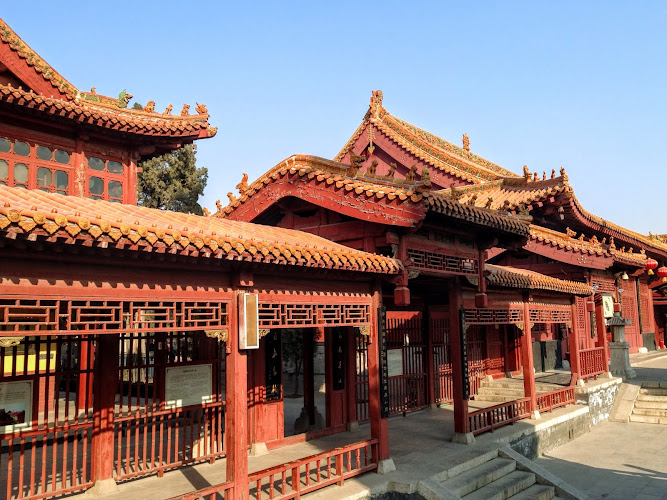
Bolin Temple
Lingdi Ecological Garden
石家庄西柏坡纪念馆景区
Find Accommodations Nearby
Recommended Tours & Activities
Visitor Reviews
There are no reviews yet. Be the first one to write one.
Share Your Experience
Have you visited 赵州桥? Help other travelers by leaving a review.