
Phipps Conservatory and Botanical Gardens
About Phipps Conservatory and Botanical Gardens
Description
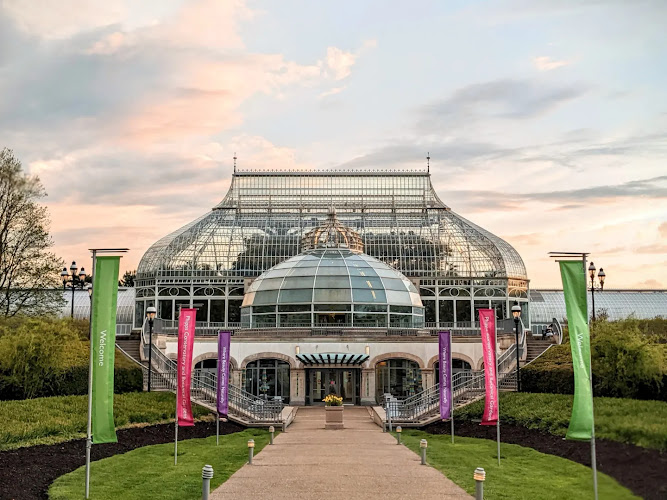
Pittsburgh's Phipps Conservatory and Botanical Gardens stands as one of America's finest glasshouse gardens, and honestly, it's a place that surprised me more than I expected when I first visited. The Victorian-era greenhouse structure dating back to 1893 creates this wonderful juxtaposition of historic architecture filled with plants from literally every corner of the globe. You'll find yourself wandering through 14 distinct indoor garden rooms and 23 outdoor gardens spread across 15 acres within Schenley Park. What makes this place genuinely special isn't just the sheer variety of plant collections—though that's impressive enough—but the way the conservatory has evolved to become a leader in sustainable design and green architecture. The original Lord & Burnham glasshouse still stands as the centerpiece, all Victorian elegance with its steel framework and curved glass panels that catch the light in the most beautiful ways. And throughout the year, the gardens transform with seasonal flower shows that bring back visitors again and again. The conservatory isn't just about looking at pretty flowers behind glass (though there's plenty of that if you want it). It's become an educational hub where travelers can take cooking classes focusing on sustainable food practices, attend workshops on urban gardening, or simply spend an afternoon photographing some of the most photogenic plant collections you'll find anywhere in the northeastern United States. The fact that it doubles as a popular wedding venue should tell you something about the romantic atmosphere here—those glass walls and tropical blooms create a setting that's hard to match.Key Features
Visitors to Phipps Conservatory can expect to encounter several standout attractions that make this botanical garden worth planning a trip around:- The Victorian Glasshouse - The original 1893 structure remains the heart of the experience, featuring palm courts, tropical forests, and desert rooms that transport you to different climates within minutes of each other
- Seasonal Flower Shows - The conservatory hosts elaborate displays throughout the year, with the Spring Flower Show and Winter Light Show drawing the biggest crowds and featuring thousands of blooms arranged in creative themed displays
- Outdoor Gardens - Beyond the glass walls, the Japanese Courtyard Garden, Aquatic Garden, and Rooftop Edible Garden offer fresh air experiences that change dramatically with Pittsburgh's seasons
- Tropical Forest Conservatory - This two-story addition houses towering palms, a 20-foot waterfall, and an upper canopy walkway that gives you a bird's eye view of the forest floor below
- Butterfly Forest - Operating seasonally, this immersive experience lets visitors walk among hundreds of free-flying butterflies from around the world (and yes, they'll land on you if you stand still long enough)
- Center for Sustainable Landscapes - One of the world's greenest buildings, this facility showcases cutting-edge environmental design and houses education programs focused on sustainability
- Tropical Fruit and Spice Room - You'll see banana trees, cacao plants, vanilla orchids, and other crops that produce the foods we eat, offering an educational angle that kids particularly enjoy
- Orchid and Bonsai Collections - Rotating displays of these specialized plants demonstrate the artistry and patience involved in cultivating these living sculptures
- Garden Railroad - A seasonal attraction featuring model trains winding through miniature landscapes complete with tiny buildings made from natural materials
- Discovery Garden - An outdoor space designed specifically for children, with interactive elements and a playground that combines nature education with physical activity
Best Time to Visit
Here's the thing about botanical gardens—they're designed to be interesting year-round, but Phipps definitely has its sweet spots depending on what kind of experience you're after. If you want my honest opinion, late winter through early spring (February through April) offers one of the most rewarding visits. Pittsburgh winters can be brutal, all gray skies and cold winds, which makes stepping into the warm, humid tropical rooms feel like an actual escape to paradise. The Spring Flower Show typically runs from late February through early April, and it's absolutely worth timing your visit around. We're talking thousands of tulips, daffodils, and other spring blooms arranged in elaborate themed gardens that change year to year. The contrast between the dreary weather outside and this explosion of color inside makes it hit different, you know? Summer brings its own advantages, particularly if you want to experience both the indoor and outdoor gardens at their peak. The Butterfly Forest operates from May through September, and the outdoor gardens reach full maturity with blooming perennials and the edible garden producing actual vegetables and herbs. But here's the catch—summer weekends can get crowded, especially when families are out of school. Weekday mornings offer a more peaceful experience if your schedule allows it. Fall presents another strong option, particularly September through October. The Summer Flower Show transitions into autumn displays, the outdoor Japanese garden becomes particularly photogenic with changing leaf colors, and the weather in Pittsburgh is often perfect for enjoying the outdoor spaces before retreating into the warm glasshouses. Plus, crowds thin out once school's back in session. The Winter Light Show and Holiday Magic runs from late November through early January and transforms the conservatory into something magical after dark. If you've never experienced a botanical garden lit up with thousands of lights reflecting off glass and water features, it's pretty spectacular. However, this is also the busiest time of year, and you'll definitely want to purchase timed tickets in advance. Weather-wise, remember that the indoor spaces maintain tropical temperatures year-round—typically 70-80 degrees Fahrenheit with high humidity. Dress in layers because moving between the 15-degree winter air outside and the tropical rooms inside can be jarring.How to Get There
Getting to Phipps Conservatory is relatively straightforward, though your best approach depends on where you're coming from and your transportation preferences. For travelers flying into Pittsburgh, the conservatory sits about 20 miles from Pittsburgh International Airport. Rental cars are available at the airport, and the drive takes roughly 30-40 minutes depending on traffic. You'll take I-376 East toward Pittsburgh, exit onto I-579 South, then follow signs toward Oakland and Schenley Park. GPS navigation works perfectly fine here, though Pittsburgh's road system can be confusing for first-timers with all the hills and rivers creating unusual intersections. If you're staying in downtown Pittsburgh, you're only about 3 miles from the conservatory, which opens up several options. Rideshare services like Uber and Lyft operate throughout the city and typically cost $8-12 for the trip. Pittsburgh's public transit system (Port Authority) also serves the area—the 71A, 71B, 71C, and 71D bus routes all stop near the conservatory along Forbes Avenue or Fifth Avenue. The fare's affordable at around $2.75, though you'll want to check current schedules as they can vary. Parking at Phipps itself is free in their lot, which is honestly pretty generous for a major tourist attraction. The lot entrance is off Schenley Drive, and it's wheelchair accessible with designated spaces near the entrance. During peak times like the Spring and Winter shows, the lot can fill up by mid-morning on weekends. Street parking is also available along Schenley Drive and surrounding streets, though most of it's metered. For visitors who enjoy walking or biking, the conservatory sits within Schenley Park, which connects to Pittsburgh's extensive trail system. If you're staying in the Oakland neighborhood (home to the University of Pittsburgh and Carnegie Mellon), it's a pleasant 15-20 minute walk through the park. One thing I learned the hard way—Pittsburgh has hills. Lots of them. If you're walking or biking, be prepared for some climbing depending on your route. The conservatory entrance itself is accessible, but getting there on foot involves some elevation changes that might challenge visitors with mobility concerns.Tips for Visiting
After spending considerable time at Phipps and talking with other travelers who've visited, here are the insider tips that'll actually improve your experience. Purchase tickets online in advance, especially for weekend visits or during the special flower shows. The conservatory uses timed entry tickets to manage crowds, and popular time slots sell out. You don't want to drive across Pittsburgh only to find you can't get in for another three hours. Early morning slots (when doors open at 9:30am) tend to be less crowded and offer better lighting for photography. Bring a light jacket or sweater even if it's summer outside. I know this sounds counterintuitive when visiting tropical gardens, but the rooms vary dramatically in temperature. The desert room stays warm and dry, but other spaces have different climate controls, and moving between them repeatedly can leave you alternately sweating and chilled. Plan for at least two hours minimum, though three to four hours is better if you want to see everything without rushing. The conservatory is larger than it appears from outside, and if you're like me, you'll want to actually read the plant labels and learn about what you're seeing rather than just snapping photos and moving on. Photography is allowed and encouraged—the conservatory even hosts photography classes and workshops. But here's the thing: bring a lens cloth. The humidity inside fogs up camera lenses and glasses constantly. Also, tripods are only allowed during specific photography hours, so check the schedule if you're serious about capturing those Instagram-worthy shots. The cafe offers light meals, coffee, and snacks, but the prices reflect the tourist-attraction markup. You're not allowed to bring food into the garden rooms themselves, but there are outdoor areas where you can eat. Consider grabbing lunch in nearby Oakland, where university students keep a variety of affordable restaurants in business. Wheelchair accessibility is good here—the conservatory takes it seriously with accessible entrances, restrooms, and pathways throughout most of the facility. However, some of the older garden rooms have slight elevation changes that might require assistance. The outdoor gardens include gravel paths that can be challenging for wheelchairs after rain. If you're visiting with children, head to the Discovery Garden early in your visit. Kids can burn off energy at the playground, then settle into looking at plants more calmly. The Children's Garden includes interactive elements designed specifically for young visitors. And honestly, the carnivorous plant displays fascinate kids more than any lecture about photosynthesis ever could. Consider membership if you're local or planning an extended Pittsburgh stay. After two visits, the membership basically pays for itself, plus you get discounts on classes and special events. Visit the Center for Sustainable Landscapes even if you're not particularly interested in green building design. The building itself demonstrates what's possible in sustainable architecture, and it adds context to why Phipps does what it does beyond just displaying pretty flowers. Download the conservatory app or grab a paper map at the entrance. The layout isn't always intuitive, and it's easy to miss entire rooms if you're just wandering without a plan. The app also provides detailed information about plants if you're into that level of detail. Finally, don't skip the outdoor gardens when weather permits. Most first-time visitors focus entirely on the Victorian glasshouse and miss the Japanese garden, rose garden, and other outdoor spaces that offer different perspectives on plant collections and garden design. The outdoor areas are included in your admission and represent probably half of the actual garden space.Key Features
- Key Features
- Best Time to Visit
- How to Get There
- Tips for Visiting
More Details
Updated March 30, 2026
Table of Contents
- Description
- Key Features
- Best Time to Visit
- How to Get There
- Tips for Visiting
- Key Highlights
- Location
- Places to Stay Near Phipps Conservatory and Botanical Gardens
- Find and Book a Tour
- Explore More Travel Guides
- Nearby Places You Might Like
- Traveler Reviews for Phipps Conservatory and Botanical Gardens
- Share Your Experience
Description
Pittsburgh’s Phipps Conservatory and Botanical Gardens stands as one of America’s finest glasshouse gardens, and honestly, it’s a place that surprised me more than I expected when I first visited. The Victorian-era greenhouse structure dating back to 1893 creates this wonderful juxtaposition of historic architecture filled with plants from literally every corner of the globe. You’ll find yourself wandering through 14 distinct indoor garden rooms and 23 outdoor gardens spread across 15 acres within Schenley Park.
What makes this place genuinely special isn’t just the sheer variety of plant collections—though that’s impressive enough—but the way the conservatory has evolved to become a leader in sustainable design and green architecture. The original Lord & Burnham glasshouse still stands as the centerpiece, all Victorian elegance with its steel framework and curved glass panels that catch the light in the most beautiful ways. And throughout the year, the gardens transform with seasonal flower shows that bring back visitors again and again.
The conservatory isn’t just about looking at pretty flowers behind glass (though there’s plenty of that if you want it). It’s become an educational hub where travelers can take cooking classes focusing on sustainable food practices, attend workshops on urban gardening, or simply spend an afternoon photographing some of the most photogenic plant collections you’ll find anywhere in the northeastern United States. The fact that it doubles as a popular wedding venue should tell you something about the romantic atmosphere here—those glass walls and tropical blooms create a setting that’s hard to match.
Key Features
Visitors to Phipps Conservatory can expect to encounter several standout attractions that make this botanical garden worth planning a trip around:
- The Victorian Glasshouse – The original 1893 structure remains the heart of the experience, featuring palm courts, tropical forests, and desert rooms that transport you to different climates within minutes of each other
- Seasonal Flower Shows – The conservatory hosts elaborate displays throughout the year, with the Spring Flower Show and Winter Light Show drawing the biggest crowds and featuring thousands of blooms arranged in creative themed displays
- Outdoor Gardens – Beyond the glass walls, the Japanese Courtyard Garden, Aquatic Garden, and Rooftop Edible Garden offer fresh air experiences that change dramatically with Pittsburgh’s seasons
- Tropical Forest Conservatory – This two-story addition houses towering palms, a 20-foot waterfall, and an upper canopy walkway that gives you a bird’s eye view of the forest floor below
- Butterfly Forest – Operating seasonally, this immersive experience lets visitors walk among hundreds of free-flying butterflies from around the world (and yes, they’ll land on you if you stand still long enough)
- Center for Sustainable Landscapes – One of the world’s greenest buildings, this facility showcases cutting-edge environmental design and houses education programs focused on sustainability
- Tropical Fruit and Spice Room – You’ll see banana trees, cacao plants, vanilla orchids, and other crops that produce the foods we eat, offering an educational angle that kids particularly enjoy
- Orchid and Bonsai Collections – Rotating displays of these specialized plants demonstrate the artistry and patience involved in cultivating these living sculptures
- Garden Railroad – A seasonal attraction featuring model trains winding through miniature landscapes complete with tiny buildings made from natural materials
- Discovery Garden – An outdoor space designed specifically for children, with interactive elements and a playground that combines nature education with physical activity
Best Time to Visit
Here’s the thing about botanical gardens—they’re designed to be interesting year-round, but Phipps definitely has its sweet spots depending on what kind of experience you’re after.
If you want my honest opinion, late winter through early spring (February through April) offers one of the most rewarding visits. Pittsburgh winters can be brutal, all gray skies and cold winds, which makes stepping into the warm, humid tropical rooms feel like an actual escape to paradise. The Spring Flower Show typically runs from late February through early April, and it’s absolutely worth timing your visit around. We’re talking thousands of tulips, daffodils, and other spring blooms arranged in elaborate themed gardens that change year to year. The contrast between the dreary weather outside and this explosion of color inside makes it hit different, you know?
Summer brings its own advantages, particularly if you want to experience both the indoor and outdoor gardens at their peak. The Butterfly Forest operates from May through September, and the outdoor gardens reach full maturity with blooming perennials and the edible garden producing actual vegetables and herbs. But here’s the catch—summer weekends can get crowded, especially when families are out of school. Weekday mornings offer a more peaceful experience if your schedule allows it.
Fall presents another strong option, particularly September through October. The Summer Flower Show transitions into autumn displays, the outdoor Japanese garden becomes particularly photogenic with changing leaf colors, and the weather in Pittsburgh is often perfect for enjoying the outdoor spaces before retreating into the warm glasshouses. Plus, crowds thin out once school’s back in session.
The Winter Light Show and Holiday Magic runs from late November through early January and transforms the conservatory into something magical after dark. If you’ve never experienced a botanical garden lit up with thousands of lights reflecting off glass and water features, it’s pretty spectacular. However, this is also the busiest time of year, and you’ll definitely want to purchase timed tickets in advance.
Weather-wise, remember that the indoor spaces maintain tropical temperatures year-round—typically 70-80 degrees Fahrenheit with high humidity. Dress in layers because moving between the 15-degree winter air outside and the tropical rooms inside can be jarring.
How to Get There
Getting to Phipps Conservatory is relatively straightforward, though your best approach depends on where you’re coming from and your transportation preferences.
For travelers flying into Pittsburgh, the conservatory sits about 20 miles from Pittsburgh International Airport. Rental cars are available at the airport, and the drive takes roughly 30-40 minutes depending on traffic. You’ll take I-376 East toward Pittsburgh, exit onto I-579 South, then follow signs toward Oakland and Schenley Park. GPS navigation works perfectly fine here, though Pittsburgh’s road system can be confusing for first-timers with all the hills and rivers creating unusual intersections.
If you’re staying in downtown Pittsburgh, you’re only about 3 miles from the conservatory, which opens up several options. Rideshare services like Uber and Lyft operate throughout the city and typically cost $8-12 for the trip. Pittsburgh’s public transit system (Port Authority) also serves the area—the 71A, 71B, 71C, and 71D bus routes all stop near the conservatory along Forbes Avenue or Fifth Avenue. The fare’s affordable at around $2.75, though you’ll want to check current schedules as they can vary.
Parking at Phipps itself is free in their lot, which is honestly pretty generous for a major tourist attraction. The lot entrance is off Schenley Drive, and it’s wheelchair accessible with designated spaces near the entrance. During peak times like the Spring and Winter shows, the lot can fill up by mid-morning on weekends. Street parking is also available along Schenley Drive and surrounding streets, though most of it’s metered.
For visitors who enjoy walking or biking, the conservatory sits within Schenley Park, which connects to Pittsburgh’s extensive trail system. If you’re staying in the Oakland neighborhood (home to the University of Pittsburgh and Carnegie Mellon), it’s a pleasant 15-20 minute walk through the park.
One thing I learned the hard way—Pittsburgh has hills. Lots of them. If you’re walking or biking, be prepared for some climbing depending on your route. The conservatory entrance itself is accessible, but getting there on foot involves some elevation changes that might challenge visitors with mobility concerns.
Tips for Visiting
After spending considerable time at Phipps and talking with other travelers who’ve visited, here are the insider tips that’ll actually improve your experience.
Purchase tickets online in advance, especially for weekend visits or during the special flower shows. The conservatory uses timed entry tickets to manage crowds, and popular time slots sell out. You don’t want to drive across Pittsburgh only to find you can’t get in for another three hours. Early morning slots (when doors open at 9:30am) tend to be less crowded and offer better lighting for photography.
Bring a light jacket or sweater even if it’s summer outside. I know this sounds counterintuitive when visiting tropical gardens, but the rooms vary dramatically in temperature. The desert room stays warm and dry, but other spaces have different climate controls, and moving between them repeatedly can leave you alternately sweating and chilled.
Plan for at least two hours minimum, though three to four hours is better if you want to see everything without rushing. The conservatory is larger than it appears from outside, and if you’re like me, you’ll want to actually read the plant labels and learn about what you’re seeing rather than just snapping photos and moving on.
Photography is allowed and encouraged—the conservatory even hosts photography classes and workshops. But here’s the thing: bring a lens cloth. The humidity inside fogs up camera lenses and glasses constantly. Also, tripods are only allowed during specific photography hours, so check the schedule if you’re serious about capturing those Instagram-worthy shots.
The cafe offers light meals, coffee, and snacks, but the prices reflect the tourist-attraction markup. You’re not allowed to bring food into the garden rooms themselves, but there are outdoor areas where you can eat. Consider grabbing lunch in nearby Oakland, where university students keep a variety of affordable restaurants in business.
Wheelchair accessibility is good here—the conservatory takes it seriously with accessible entrances, restrooms, and pathways throughout most of the facility. However, some of the older garden rooms have slight elevation changes that might require assistance. The outdoor gardens include gravel paths that can be challenging for wheelchairs after rain.
If you’re visiting with children, head to the Discovery Garden early in your visit. Kids can burn off energy at the playground, then settle into looking at plants more calmly. The Children’s Garden includes interactive elements designed specifically for young visitors. And honestly, the carnivorous plant displays fascinate kids more than any lecture about photosynthesis ever could.
Consider membership if you’re local or planning an extended Pittsburgh stay. After two visits, the membership basically pays for itself, plus you get discounts on classes and special events.
Visit the Center for Sustainable Landscapes even if you’re not particularly interested in green building design. The building itself demonstrates what’s possible in sustainable architecture, and it adds context to why Phipps does what it does beyond just displaying pretty flowers.
Download the conservatory app or grab a paper map at the entrance. The layout isn’t always intuitive, and it’s easy to miss entire rooms if you’re just wandering without a plan. The app also provides detailed information about plants if you’re into that level of detail.
Finally, don’t skip the outdoor gardens when weather permits. Most first-time visitors focus entirely on the Victorian glasshouse and miss the Japanese garden, rose garden, and other outdoor spaces that offer different perspectives on plant collections and garden design. The outdoor areas are included in your admission and represent probably half of the actual garden space.
Key Highlights
- Key Features
- Best Time to Visit
- How to Get There
- Tips for Visiting
Location
Places to Stay Near Phipps Conservatory and Botanical Gardens
Find and Book a Tour
Explore More Travel Guides
No reviews found! Be the first to review!
Phipps Conservatory and Botanical Gardens is a prominent attractions located in Pittsburgh.
Visit us at: 1 Schenley Drive, Pittsburgh, PA 15213.
Traveler Reviews for Phipps Conservatory and Botanical Gardens
There are no reviews yet. Be the first one to write one.
Have you visited Phipps Conservatory and Botanical Gardens? Help other travelers by sharing your review.
You Might Also Like

Randyland

Riverview Park
Pittsburgh Zoo & Aquarium
Find Accommodations Nearby
Recommended Tours & Activities
Visitor Reviews
There are no reviews yet. Be the first one to write one.
Share Your Experience
Have you visited Phipps Conservatory and Botanical Gardens? Help other travelers by leaving a review.