Philbrook Museum of Art
About Philbrook Museum of Art
Description
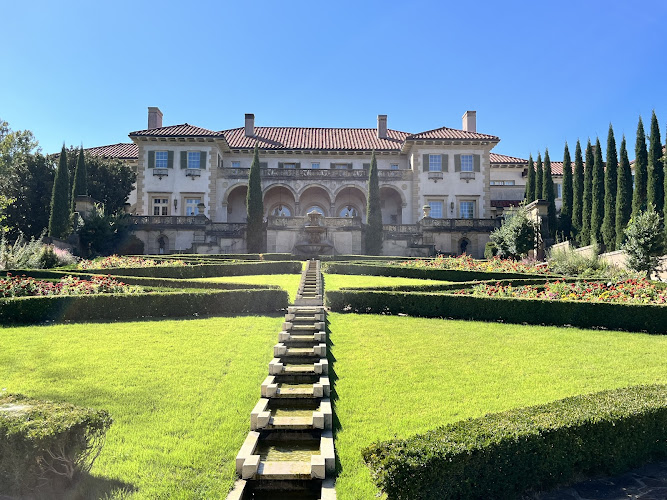
The Philbrook Museum of Art in Tulsa, Oklahoma is equal parts art museum, historic home, and destination garden—a rare trifecta that travelers don’t often find wrapped into one place. Housed in a 1920s Italian Renaissance–style villa known as Villa Philbrook, the museum blends grand architecture with an expansive collection that moves from Renaissance and Baroque paintings to Native American art, contemporary works, decorative arts, and rotating exhibitions that keep locals and visitors coming back. It’s one of those spaces where people look up just as often as they look at the art, because the ceilings, staircases, and sightlines compete (in the best way) with the masterpieces on the walls.
Built as the former home of Oklahoma oil pioneer Waite Phillips and his wife Genevieve, the original structure and surrounding gardens were later gifted to the City of Tulsa, transforming the residence into a cultural anchor for the region. Today, Philbrook feels as much like a living story as a museum—there’s the Music Room, the rotunda, terraces that tumble into formal and informal gardens, and a creek crossing the grounds that keeps the landscape feeling fresh and surprising across the seasons. If you’ve ever wandered a European villa and thought, “I wish I could see great American, European, and Native art here, too,” well, this is that wish granted.
The museum’s permanent collection includes standout paintings and sculptures, textiles, photographs, and design pieces. Many visitors recognize the deep strength in Native American art—look for pottery and basketry traditions highlighted by pieces from noted makers such as Maria Martinez, as well as jewelry and modern works that illuminate living, evolving cultures. Renaissance and Baroque holdings, bolstered historically by gifts from the Kress Foundation, provide a counterpoint: religious scenes, portraiture, and those rich, skillful canvases that reward slow looking. Contemporary highlights add a kick of now—artists like Kehinde Wiley or Rachel Whiteread featured in past rotations alongside ambitious installations by creators including Leonardo Drew and Arturo Herrera. You’re likely to encounter works by names you know (Andrew Wyeth, William Merritt Chase, Thomas Moran, even Tanzio da Varallo), but also plenty you don’t—often the pieces you didn’t expect end up being the ones that stick with you on the drive back to the hotel.
Beyond the galleries, Philbrook’s 23 acres of gardens are a genuine draw. The terraces, water features, woodland paths, and manicured beds create a tranquil loop that can be as short or long as you want it to be. When the Oklahoma sun cooperates, the lower gardens become a postcard—families picnicking, sketchbooks out, wedding parties in quiet corners, and the kind of golden-hour light that makes photographers grin. The horticulture team is active and creative; seasonal plantings mean repeat visits look (and smell) different across the year. And yes, it is fully okay to plan an itinerary around the gardens and then discover the galleries are even better than you hoped.
Hospitality is part of the culture here. Staff and volunteers tend to be downright proud of the place, docents lead clear and generous tours, and the on-site cafe and restaurant make it easy to linger for a full morning or afternoon. Travelers will appreciate the thoughtful amenities: Wi‑Fi for planning the rest of your day, a well-curated gift shop, gender-neutral restrooms, family facilities including changing tables, and a layout that supports wheelchair access from entrance to restroom to garden paths. The museum actively welcomes families, LGBTQ+ visitors, and folks who might be new to art museums—if you’re traveling with a mix of interests and ages, it’s a low-stress, high-reward stop in Tulsa.
What is the Philbrook Museum of Art known for? A few things rise to the top: an elegant villa with a distinctly Italianate look; gardens that rank among the best in the region; a permanent collection that spans centuries and cultures with notable depth in Native American art; and smart, approachable programming. Live performances pop up throughout the year. Studio art classes and museum school offerings foster hands-on creativity for kids and adults. And rotating exhibitions keep the place in conversation with what’s happening now. It’s easy to see why the museum consistently earns praise from travelers—though, to keep things balanced, here’s the honest bit: popular exhibitions can bring crowds, and some galleries close occasionally for installation or conservation. Planning a weekday or morning visit often solves both.
How much does it cost to visit Philbrook? General admission applies, with discounts available for kids and active military. The museum also runs special pricing or promotions on select evenings and days throughout the year. The most reliable advice: check current admission and calendar details before you go if you’re building a tight budget or schedule. As for the dress code, there isn’t a formal one—comfortable clothes and good walking shoes are perfect, especially if you plan to roam the gardens. Backpacks may need to be carried at your side or stored in a locker depending on size, and non-flash photography is typically allowed in many galleries (always look for signs).
Travelers comparing Tulsa’s arts scene will often pair Philbrook with the Gilcrease Museum when it is open, but even on its own, Philbrook stands as a complete day-out. It’s very much a pride point for the city of Tulsa and part of a broader story about Oklahoma history and culture—how a private home became a civic treasure. Do locals realize how lucky they are to have it in their own backyard? Absolutely. If you’re visiting from out of state, you might find yourself wondering if you can squeeze in a second visit before you leave.
Key Features
- Italian Renaissance–style villa: Villa Philbrook, a 72-room historic home adapted into a world-class art museum
- 23 acres of gardens: formal terraces, reflecting pools, woodland paths, and seasonal plantings around a natural creek
- Permanent collection: Native American art, American and European works, photography, decorative arts, and contemporary pieces
- Renaissance and Baroque highlights: paintings and sculptures with historical ties to the Kress Foundation
- Contemporary art: rotating exhibitions and installations that spark dialogue and surprise
- Family-friendly: kid-focused activities, hands-on moments, and changing tables for caregivers
- Live performances: music, talks, and seasonal programs that animate both galleries and lawns
- Cafe and restaurant: on-site dining for a proper lunch or a quick pastry-and-espresso fix
- Gift shop: design-forward souvenirs, local makers, art books, and garden-inspired finds
- Free parking: on-site lot and nearby free street parking make arrival easy
- Accessibility: wheelchair-accessible entrance, restrooms, and parking; thoughtful pathways through main areas of the gardens
- LGBTQ+ friendly and transgender safespace: inclusive policies and staff training contribute to a welcoming environment
- Guided tours and talks: docents and educators decode artworks and architecture without the jargon
- Wi‑Fi: helpful for mapping the gardens or booking later activities in Tulsa
- Active military and children’s discounts: helpful savings that make a family day more affordable
Best Time to Visit
Garden-goers swear by spring and fall. In spring, tulips, flowering trees, and fresh greens set the terraces aglow; it’s a stunner for photos and picnics. Autumn brings rich color to the lower lawns and woodland edges, and temperatures are ideal for wandering every path without rushing. Summer can get warm in Oklahoma, but morning light in the gardens is fantastic and you can retreat to the cool galleries by midday. Winter visits, often overlooked, reward slow looking in the villa—architecture takes center stage and you’ll share the galleries with fewer people.
Weekdays are the easiest for a calmer experience. If weekends are your only option, aim for the first time slot of the day. Friday evenings often feature extended hours, which can be a nice surprise—fewer school groups, a softer pace, and a chance to see the villa at dusk. The museum hosts live performances and special events that draw crowds; for those, book ahead and embrace the buzz. For travelers chasing the gardens at their peak, late April through early May and mid-October are reliably beautiful.
How to Get There
Philbrook sits a short drive south of downtown Tulsa in a leafy residential area that feels worlds away once you pull in. If you’re arriving from Tulsa International Airport, expect roughly a 20–25 minute drive in normal traffic. Ride-hailing services are widely available across the city and make a lot of sense if you don’t want to manage parking or plan to pair the visit with dinner elsewhere.
Driving is straightforward: Tulsa is easy to navigate, with main arterials feeding into the museum’s neighborhood from both the river corridor and the midtown grid. You’ll find a free on-site parking lot as well as free street parking along the surrounding blocks. Travelers with accessibility needs can use designated accessible spaces near the entrance, and drop-off is smooth at the main doors if someone in your party prefers a shorter approach.
Public transit exists but may not be the most efficient option depending on the day and schedule. If you’re committed to bus travel, check Tulsa Transit routes for the closest stop and plan for a short walk through a quiet neighborhood. Cyclists sometimes ride in from nearby districts; bring a lock and be mindful of garden paths where bikes aren’t permitted.
Tips for Visiting
Plan for at least two hours. Three hours lets you enjoy a proper museum loop plus a garden stroll. If you’re the type who reads every label (no shame—join the club), carve out half a day and refuel at the cafe between wings.
- Ticket strategy: General admission applies, with reduced pricing for kids and active military. Popular weekends and major exhibitions can sell out time slots; reserving in advance is wise if you’re on a schedule.
- When it’s busy: Aim for morning or a weekday. Friday evenings often run later hours and can be surprisingly mellow.
- Dress code: No formal dress code—go comfortable. This is a place where walking shoes and a light layer make sense; the galleries are climate-controlled while the gardens can be breezy or sunny.
- Photography: Non-flash photography is typically fine in many permanent collection galleries, but not always in special exhibitions. Signs will guide you—when in doubt, ask.
- Accessibility: The entrance, parking lot, and restrooms are wheelchair accessible, and staff can advise on the smoothest garden routes. If you or someone in your group uses a mobility device, mention it at the desk for tailored guidance.
- Family game plan: Bring a stroller if you like; the main paths handle them well. Take breaks in the cafe, and ask about kid-friendly activities or scavenger hunts available during your visit.
- Weather-smart: In summer, do the gardens early, galleries midday, and back outside if you’re up for it later. In winter, reverse the logic if the sun peeks out—start warm, go outside for the glow, then finish inside again.
- Guided tours: If schedules align, a docent tour adds context to the villa’s architecture and the museum’s permanent collection. Especially helpful if you’re curious about the transformation from private home to public art center.
- Dining: The cafe and restaurant on site cover both quick bites and more leisurely meals. If you plan a longer visit, eat first, then roam; there’s something nice about stepping into the gardens with a good coffee already in hand.
- Bag policy: Backpacks may need to be carried at your side or stored; large bags can be awkward in narrow gallery rooms. Travel light and you’ll move more freely.
- What it’s known for: People come for the villa and gardens and stay for the art—Native American works, Renaissance pieces, and smart contemporary shows top the list.
- Famous artists to watch for: Depending on rotations, look for Thomas Moran landscapes, modern icons like Kehinde Wiley, sculpture by Rachel Whiteread, and luminous canvases connected to the Kress tradition. The roster changes, which is part of the fun.
- Live performances and events: Check the calendar for music on the lawn, talks, family days, and seasonal gatherings that spill into the gardens. These add a buzz that many travelers love.
- Wi‑Fi and work-friendly: If you’re a digital nomad squeezing in a visit, know that Wi‑Fi is available and there are quieter corners to review notes between galleries.
- Pairing your day: Combine Philbrook with an afternoon exploring Tulsa’s architectural gems, a riverfront walk, or dinner in a nearby neighborhood. It’s a flexible anchor for a culture-focused itinerary.
One more thought for first-timers: linger. This is a museum where slowing down pays off—notice how the light moves across the rotunda in late afternoon, how a terrace view lines up with a sculpture in the distance, how the Music Room feels different once you’ve seen a contemporary installation upstairs. Travelers chase uniqueness, and the Philbrook Museum of Art has it in spades: a storied home turned art center, a garden that’s an artwork itself, and galleries that weave Oklahoma’s story into a wider global conversation. And if you leave thinking, “I could happily spend another hour here,” you’re not alone. That’s the point.
Key Features
- Italian Renaissance–style Villa Philbrook historic mansion and period rooms
- Permanent and rotating art collections (American, European, Native American, contemporary)
- 25-acre formal gardens with fountains, sculpture, and walking paths
- Photography-friendly grounds and picturesque outdoor event spaces
- On-site parking and accessible visitor amenities (restrooms, elevators)
More Details
Updated November 3, 2025
Table of Contents
Description
The Philbrook Museum of Art in Tulsa, Oklahoma is equal parts art museum, historic home, and destination garden—a rare trifecta that travelers don’t often find wrapped into one place. Housed in a 1920s Italian Renaissance–style villa known as Villa Philbrook, the museum blends grand architecture with an expansive collection that moves from Renaissance and Baroque paintings to Native American art, contemporary works, decorative arts, and rotating exhibitions that keep locals and visitors coming back. It’s one of those spaces where people look up just as often as they look at the art, because the ceilings, staircases, and sightlines compete (in the best way) with the masterpieces on the walls.
Built as the former home of Oklahoma oil pioneer Waite Phillips and his wife Genevieve, the original structure and surrounding gardens were later gifted to the City of Tulsa, transforming the residence into a cultural anchor for the region. Today, Philbrook feels as much like a living story as a museum—there’s the Music Room, the rotunda, terraces that tumble into formal and informal gardens, and a creek crossing the grounds that keeps the landscape feeling fresh and surprising across the seasons. If you’ve ever wandered a European villa and thought, “I wish I could see great American, European, and Native art here, too,” well, this is that wish granted.
The museum’s permanent collection includes standout paintings and sculptures, textiles, photographs, and design pieces. Many visitors recognize the deep strength in Native American art—look for pottery and basketry traditions highlighted by pieces from noted makers such as Maria Martinez, as well as jewelry and modern works that illuminate living, evolving cultures. Renaissance and Baroque holdings, bolstered historically by gifts from the Kress Foundation, provide a counterpoint: religious scenes, portraiture, and those rich, skillful canvases that reward slow looking. Contemporary highlights add a kick of now—artists like Kehinde Wiley or Rachel Whiteread featured in past rotations alongside ambitious installations by creators including Leonardo Drew and Arturo Herrera. You’re likely to encounter works by names you know (Andrew Wyeth, William Merritt Chase, Thomas Moran, even Tanzio da Varallo), but also plenty you don’t—often the pieces you didn’t expect end up being the ones that stick with you on the drive back to the hotel.
Beyond the galleries, Philbrook’s 23 acres of gardens are a genuine draw. The terraces, water features, woodland paths, and manicured beds create a tranquil loop that can be as short or long as you want it to be. When the Oklahoma sun cooperates, the lower gardens become a postcard—families picnicking, sketchbooks out, wedding parties in quiet corners, and the kind of golden-hour light that makes photographers grin. The horticulture team is active and creative; seasonal plantings mean repeat visits look (and smell) different across the year. And yes, it is fully okay to plan an itinerary around the gardens and then discover the galleries are even better than you hoped.
Hospitality is part of the culture here. Staff and volunteers tend to be downright proud of the place, docents lead clear and generous tours, and the on-site cafe and restaurant make it easy to linger for a full morning or afternoon. Travelers will appreciate the thoughtful amenities: Wi‑Fi for planning the rest of your day, a well-curated gift shop, gender-neutral restrooms, family facilities including changing tables, and a layout that supports wheelchair access from entrance to restroom to garden paths. The museum actively welcomes families, LGBTQ+ visitors, and folks who might be new to art museums—if you’re traveling with a mix of interests and ages, it’s a low-stress, high-reward stop in Tulsa.
What is the Philbrook Museum of Art known for? A few things rise to the top: an elegant villa with a distinctly Italianate look; gardens that rank among the best in the region; a permanent collection that spans centuries and cultures with notable depth in Native American art; and smart, approachable programming. Live performances pop up throughout the year. Studio art classes and museum school offerings foster hands-on creativity for kids and adults. And rotating exhibitions keep the place in conversation with what’s happening now. It’s easy to see why the museum consistently earns praise from travelers—though, to keep things balanced, here’s the honest bit: popular exhibitions can bring crowds, and some galleries close occasionally for installation or conservation. Planning a weekday or morning visit often solves both.
How much does it cost to visit Philbrook? General admission applies, with discounts available for kids and active military. The museum also runs special pricing or promotions on select evenings and days throughout the year. The most reliable advice: check current admission and calendar details before you go if you’re building a tight budget or schedule. As for the dress code, there isn’t a formal one—comfortable clothes and good walking shoes are perfect, especially if you plan to roam the gardens. Backpacks may need to be carried at your side or stored in a locker depending on size, and non-flash photography is typically allowed in many galleries (always look for signs).
Travelers comparing Tulsa’s arts scene will often pair Philbrook with the Gilcrease Museum when it is open, but even on its own, Philbrook stands as a complete day-out. It’s very much a pride point for the city of Tulsa and part of a broader story about Oklahoma history and culture—how a private home became a civic treasure. Do locals realize how lucky they are to have it in their own backyard? Absolutely. If you’re visiting from out of state, you might find yourself wondering if you can squeeze in a second visit before you leave.
Key Features
- Italian Renaissance–style villa: Villa Philbrook, a 72-room historic home adapted into a world-class art museum
- 23 acres of gardens: formal terraces, reflecting pools, woodland paths, and seasonal plantings around a natural creek
- Permanent collection: Native American art, American and European works, photography, decorative arts, and contemporary pieces
- Renaissance and Baroque highlights: paintings and sculptures with historical ties to the Kress Foundation
- Contemporary art: rotating exhibitions and installations that spark dialogue and surprise
- Family-friendly: kid-focused activities, hands-on moments, and changing tables for caregivers
- Live performances: music, talks, and seasonal programs that animate both galleries and lawns
- Cafe and restaurant: on-site dining for a proper lunch or a quick pastry-and-espresso fix
- Gift shop: design-forward souvenirs, local makers, art books, and garden-inspired finds
- Free parking: on-site lot and nearby free street parking make arrival easy
- Accessibility: wheelchair-accessible entrance, restrooms, and parking; thoughtful pathways through main areas of the gardens
- LGBTQ+ friendly and transgender safespace: inclusive policies and staff training contribute to a welcoming environment
- Guided tours and talks: docents and educators decode artworks and architecture without the jargon
- Wi‑Fi: helpful for mapping the gardens or booking later activities in Tulsa
- Active military and children’s discounts: helpful savings that make a family day more affordable
Best Time to Visit
Garden-goers swear by spring and fall. In spring, tulips, flowering trees, and fresh greens set the terraces aglow; it’s a stunner for photos and picnics. Autumn brings rich color to the lower lawns and woodland edges, and temperatures are ideal for wandering every path without rushing. Summer can get warm in Oklahoma, but morning light in the gardens is fantastic and you can retreat to the cool galleries by midday. Winter visits, often overlooked, reward slow looking in the villa—architecture takes center stage and you’ll share the galleries with fewer people.
Weekdays are the easiest for a calmer experience. If weekends are your only option, aim for the first time slot of the day. Friday evenings often feature extended hours, which can be a nice surprise—fewer school groups, a softer pace, and a chance to see the villa at dusk. The museum hosts live performances and special events that draw crowds; for those, book ahead and embrace the buzz. For travelers chasing the gardens at their peak, late April through early May and mid-October are reliably beautiful.
How to Get There
Philbrook sits a short drive south of downtown Tulsa in a leafy residential area that feels worlds away once you pull in. If you’re arriving from Tulsa International Airport, expect roughly a 20–25 minute drive in normal traffic. Ride-hailing services are widely available across the city and make a lot of sense if you don’t want to manage parking or plan to pair the visit with dinner elsewhere.
Driving is straightforward: Tulsa is easy to navigate, with main arterials feeding into the museum’s neighborhood from both the river corridor and the midtown grid. You’ll find a free on-site parking lot as well as free street parking along the surrounding blocks. Travelers with accessibility needs can use designated accessible spaces near the entrance, and drop-off is smooth at the main doors if someone in your party prefers a shorter approach.
Public transit exists but may not be the most efficient option depending on the day and schedule. If you’re committed to bus travel, check Tulsa Transit routes for the closest stop and plan for a short walk through a quiet neighborhood. Cyclists sometimes ride in from nearby districts; bring a lock and be mindful of garden paths where bikes aren’t permitted.
Tips for Visiting
Plan for at least two hours. Three hours lets you enjoy a proper museum loop plus a garden stroll. If you’re the type who reads every label (no shame—join the club), carve out half a day and refuel at the cafe between wings.
- Ticket strategy: General admission applies, with reduced pricing for kids and active military. Popular weekends and major exhibitions can sell out time slots; reserving in advance is wise if you’re on a schedule.
- When it’s busy: Aim for morning or a weekday. Friday evenings often run later hours and can be surprisingly mellow.
- Dress code: No formal dress code—go comfortable. This is a place where walking shoes and a light layer make sense; the galleries are climate-controlled while the gardens can be breezy or sunny.
- Photography: Non-flash photography is typically fine in many permanent collection galleries, but not always in special exhibitions. Signs will guide you—when in doubt, ask.
- Accessibility: The entrance, parking lot, and restrooms are wheelchair accessible, and staff can advise on the smoothest garden routes. If you or someone in your group uses a mobility device, mention it at the desk for tailored guidance.
- Family game plan: Bring a stroller if you like; the main paths handle them well. Take breaks in the cafe, and ask about kid-friendly activities or scavenger hunts available during your visit.
- Weather-smart: In summer, do the gardens early, galleries midday, and back outside if you’re up for it later. In winter, reverse the logic if the sun peeks out—start warm, go outside for the glow, then finish inside again.
- Guided tours: If schedules align, a docent tour adds context to the villa’s architecture and the museum’s permanent collection. Especially helpful if you’re curious about the transformation from private home to public art center.
- Dining: The cafe and restaurant on site cover both quick bites and more leisurely meals. If you plan a longer visit, eat first, then roam; there’s something nice about stepping into the gardens with a good coffee already in hand.
- Bag policy: Backpacks may need to be carried at your side or stored; large bags can be awkward in narrow gallery rooms. Travel light and you’ll move more freely.
- What it’s known for: People come for the villa and gardens and stay for the art—Native American works, Renaissance pieces, and smart contemporary shows top the list.
- Famous artists to watch for: Depending on rotations, look for Thomas Moran landscapes, modern icons like Kehinde Wiley, sculpture by Rachel Whiteread, and luminous canvases connected to the Kress tradition. The roster changes, which is part of the fun.
- Live performances and events: Check the calendar for music on the lawn, talks, family days, and seasonal gatherings that spill into the gardens. These add a buzz that many travelers love.
- Wi‑Fi and work-friendly: If you’re a digital nomad squeezing in a visit, know that Wi‑Fi is available and there are quieter corners to review notes between galleries.
- Pairing your day: Combine Philbrook with an afternoon exploring Tulsa’s architectural gems, a riverfront walk, or dinner in a nearby neighborhood. It’s a flexible anchor for a culture-focused itinerary.
One more thought for first-timers: linger. This is a museum where slowing down pays off—notice how the light moves across the rotunda in late afternoon, how a terrace view lines up with a sculpture in the distance, how the Music Room feels different once you’ve seen a contemporary installation upstairs. Travelers chase uniqueness, and the Philbrook Museum of Art has it in spades: a storied home turned art center, a garden that’s an artwork itself, and galleries that weave Oklahoma’s story into a wider global conversation. And if you leave thinking, “I could happily spend another hour here,” you’re not alone. That’s the point.

Key Highlights
- Italian Renaissance–style Villa Philbrook historic mansion and period rooms
- Permanent and rotating art collections (American, European, Native American, contemporary)
- 25-acre formal gardens with fountains, sculpture, and walking paths
- Photography-friendly grounds and picturesque outdoor event spaces
- On-site parking and accessible visitor amenities (restrooms, elevators)
Location
Places to Stay Near Philbrook Museum of Art
Find and Book a Tour
Explore More Travel Guides
No reviews found! Be the first to review!
Traveler Reviews for Philbrook Museum of Art
There are no reviews yet. Be the first one to write one.
Have you visited Philbrook Museum of Art? Help other travelers by sharing your review.
Nearby Attractions
Find Accommodations Nearby
Recommended Tours & Activities
Visitor Reviews
There are no reviews yet. Be the first one to write one.
Share Your Experience
Have you visited Philbrook Museum of Art? Help other travelers by leaving a review.