

Philadelphia’s Magic Gardens
About Philadelphia’s Magic Gardens
Description
Philadelphia’s Magic Gardens is the kind of place that makes people slow down, breathe, and look closer. Part museum, part art center, and part outdoor sculpture garden, it’s an immersive mosaicked art environment built largely by artist Isaiah Zagar alongside neighbors, friends, and visitors who handed him old plates, mirror shards, bicycle wheels, bottles, and stories. The result covers half a city block along South Street in Philadelphia and spills into two indoor galleries and a bi-level outdoor maze of tiled walls, winding passages, and tucked-away surprises. It’s maintained by a nonprofit organization that also identifies as women-owned, which shows in the careful programming and community-minded energy felt throughout.
Zagar began covering walls in South Philly in the late 1960s, drawing inspiration from international folk art, Mexico’s colorful traditions, and a personal urge to transform vacant lots and brick walls into memory keepers. In the early 2000s, when the land beneath his evolving art environment was at risk of sale and demolition, community advocates rallied. The organization formed to preserve the mosaicked space and open it to the public, and by the mid-2000s the site became a formal museum and art center. Today, it’s one of the most distinctive museums in Pennsylvania, both for what’s on the walls and for how it came to exist at all—stubborn creativity, a dash of chaos, and a neighborhood that decided the artwork mattered.
Visitors will find handmade tiles glazed with words and faces, mirrored shards glinting in the light, and found objects—from bottles to bicycle parts—embedded in cement to create waves of texture. More than 200 of Zagar’s public murals dot South Street and the surrounding blocks, so the museum visit often becomes a neighborhood art walk. Inside the gallery space, rotating exhibitions showcase contemporary artists whose work resonates with Zagar’s big themes: memory, place, craft, and community. One month it may be collage and mixed media; another month, clay or new mosaic techniques. And the staff regularly hosts workshops, hands-on activities, and family-friendly programming that demystify the materials. They don’t just present art; they hand you tile and invite you to feel the weight of it.
As a tourist attraction, the museum is a clear standout: it’s deeply photogenic, yet the photos never quite do it justice. The outdoor space turns sunlight into a design element—a mirror flickers here, a bottle neck catches a flare there. The mosaicked staircases bend expectations of what a “room” can be, and the alleyways feel like little time tunnels. But the experience isn’t just visual. It’s in the rhythm of walking, the sound of feet on tile, and the thrill of spotting a hidden phrase tucked into a wall. Many travelers linger longer than expected—45 to 75 minutes is typical—because it’s one of those places where, just when a person thinks they’ve seen everything, a tiny ceramic face peeks out from behind a curve.
On the practical side, Philadelphia’s Magic Gardens is family-friendly and good for kids who enjoy seeking “hidden” details. It’s also honest about accessibility: there’s a wheelchair accessible entrance and restroom, and staff are helpful, though some outdoor passages are narrow with uneven floors and steps that can’t be navigated with wheels. For many visitors with mobility considerations, the indoor galleries and accessible areas still offer plenty to enjoy. Expect an admission fee, and expect timed entries on busy days—booking ahead truly helps. There’s a small cafe for quick refreshments, clean restrooms, and a gift shop that goes beyond souvenirs with handmade tiles, books, and mosaic materials that can kick-start a project back home.
Not everything is perfect, of course. The outdoor maze can feel compact during peak hours, and those seeking a sprawling garden may be surprised by its intimate scale. Weekend crowds can make it hard to snag a quiet corner for a photo, and if the weather’s wild—sizzling sun or icy winds—the outdoor sections can require a bit of grit. Yet most visitors leave energized, sometimes even plotting their next DIY mosaic. The museum’s staff help with that feeling: they run guided tours, answer quirky questions (including “Do you have mosaic ink?”—yes, mosaic-inspired tattoos are a thing), and treat every visitor like a potential artist. That ethos goes a long way.
This writer has visited more than once and admits to getting lost in a single wall, reading Zagar’s embedded phrases like a journal. The first time, the plan was a 30-minute pop-in before lunch. Ninety minutes later, shoes were dusty with grout and the camera roll was ridiculous. And there’s always a new detail to find, like a ceramic figure tucked below eye level or a mirror that frames the gallery in a way that seems to whisper: you’re part of the piece now.
Key Features
- Mosaicked art environment spanning indoor galleries and a bi-level outdoor sculpture garden
- Artwork by artist Isaiah Zagar, with influences from international folk art and decades of South Philly history
- Two indoor galleries featuring rotating exhibitions and curated shows in a distinctive gallery space
- Hands-on workshops, tours, and community programming offered by the nonprofit organization
- Found objects, mirrors, bottles, plates, and handmade tiles embedded in intricate walls and passageways
- Guided tours that unpack the site’s origin story, techniques, and neighborhood mural network
- Family-friendly activities and educational programs that make art-making feel approachable
- Gift shop carrying books, prints, and mosaic materials for budding artists
- Cafe and restrooms onsite; comfortable spaces to pause between gallery rooms
- Wheelchair accessible entrance and restroom; note that some outdoor areas include steps and narrow passages
- Active military discounts available; bring a valid ID
- Women-owned organization, with a mission that centers community, access, and preservation
- Paid street parking nearby and easy access from public transit corridors
- Photography allowed for personal use—this destination is an Instagram favorite for good reason
Best Time to Visit
Weekdays in the morning typically offer the quietest experience and the best light for photos in the outdoor space. The mirrors and bottles come alive when the sun angles in, especially on clear days in spring and fall. If summer heat is on the menu, the indoor galleries provide a breather between forays into the outdoor maze. Winter visits can be beautiful when the light is crisp; just dress for the weather as the outdoor portions are uncovered.
Those who like a lively scene may choose late afternoon into early evening when the museum often hosts events and tours. The organization’s programming slate can include artist talks, mosaic workshops, and special cultural gatherings—think an ofrenda for Día de los Muertos or yoga in the Gardens—adding an extra layer of meaning. If a traveler is deciding whether it’s “worth it,” the sweet spot is to pair a timed entry with a guided tour; the tour adds texture and stories that transform scattered tiles into a cohesive narrative about art and community.
Photography-minded visitors may prefer the golden hour. The outdoor walls throw surprises—reflections, color flares, and long shadows that make the tiles feel sculptural. On rainy days, the colors deepen and the mirrors get moodier, which is its own kind of magic. Crowds thin slightly in the last hour of daily operations, but be sure there’s enough time to wander without rushing; this is not a space to sprint through.
How to Get There
The museum sits on South Street in Philadelphia, one of the city’s most storied corridors for music, food, and offbeat shops. Public transit is a reliable bet: SEPTA buses serve the South Street neighborhood, and the Broad Street Line’s Lombard–South stop puts a visitor within walking distance; from there, it’s an easy stroll through classic rowhouse blocks. Cycling is popular in these parts, with dedicated bike lanes feeding into South Street; locking options are close by, but bring a dependable lock.
Ride-share drop-offs are straightforward on the surrounding side streets. For drivers, paid street parking is the norm and can be competitive on weekends and during events. Budget extra minutes to circle for a spot; short-term garages exist a few blocks away in multiple directions. For guests with mobility considerations, the entrance and restroom are wheelchair accessible, but there isn’t an onsite accessible parking lot. Dropping passengers close to the entrance before parking is a smart move.
If there’s time afterward, visitors can wander the South Street neighborhood to find more of Zagar’s public murals that ripple out from the museum. A casual loop of a few blocks often rewards with a handful of mosaic murals, and it makes the museum experience feel connected to the larger streetscape—because it is.
Tips for Visiting
Plan ahead with timed tickets. On busy days, walk-ups can sell out. The museum is popular with locals, school groups, and out-of-town travelers, especially on weekends and in warm weather.
Budget 45 to 75 minutes for a standard visit; 90 minutes if there’s a guided tour or a gallery exhibition you want to savor. The site looks compact, and yet it’s easy to lose track of time reading tiles and tracing mirrors with your eyes.
Wear comfortable shoes. The outdoor sections include uneven surfaces, steps, and narrow passages. If anyone in the group uses a wheelchair or stroller, ask staff for the most accessible paths through the space—they’re friendly and know the terrain intimately.
Bring water and consider the weather. The outdoor portion is uncovered; on sunny days, hats and sunscreen help, and on cold days, warm layers make the maze more enjoyable.
Photography is encouraged for personal use, but treat the walls gently. No climbing or touching the mosaic faces; they’ve stood through decades of weather and deserve a little respect from each visitor. For content creators, early weekday slots offer the best chance at clean shots without the squeeze of peak-hour crowds.
Take advantage of programming. Workshops, hands-on activities, and tours run regularly and bring the site’s backstory into focus. A tour guide will often point out details a solo wanderer might miss—names of local collaborators etched into tiles, or the way a bottle’s color changes the light spilling across a wall.
Pair the museum with a mini mural hunt. Zagar’s mosaic murals—more than 200 across South Philly—dot the nearby streets. Even a quick loop will give context to the museum and how it’s rooted in the neighborhood. It’s like seeing a studio piece and then stepping outside to witness its city-sized echo.
Know the amenities. There’s a cafe for quick bites, a well-curated gift shop with mosaic supplies and books, and clean restrooms. While there’s no full-service restaurant inside, South Street offers a seemingly endless list of spots within a short walk for a post-visit meal or coffee.
Understand discounts and policies. Active military discounts are offered; bring a valid military ID. If someone with a military ID is hoping to buy more than one discounted ticket for family, policies can vary, so it’s best to ask staff before purchasing. For general admission, prices vary by age and programming, and special events may have separate ticketing; buying tickets in advance is often recommended.
Traveling with kids? This is a strong pick. Younger visitors enjoy the scavenger-hunt energy of finding hidden faces, tiny animals, and unexpected mirrors. Parents have found success by setting a simple “find five blue tiles” challenge to help little ones slow down and observe.
Accessibility notes. The entrance and restroom are wheelchair accessible; parts of the outdoor maze have steps and tight turns that are not. The staff offers guidance on the most navigable routes. If accessible parking is needed, consider a ride-share drop-off near the entrance, then park separately.
Curious whether it’s worth it? Absolutely, particularly for travelers who love museums that blur the line between art and place, gallery and street. There’s no other museum in Philadelphia quite like this one, and it captures both the grit and generosity of the city’s art scene. For many visitors, the best approach is to book a morning time slot, linger through the galleries, join a tour if available, then wander South Street to catch a few more murals.
As a final thought from this writer: when time allows, pause on a bench and simply listen. The whispers of the city—footsteps, laughter, buses—filter through the mosaic walls, and the mirrors return a dozen little reflections of anyone passing by. That’s the subtle trick Philadelphia’s Magic Gardens plays so well. It invites people to become a piece of the artwork for a short while, then walks them back to the street feeling a little more awake to color, texture, and possibility.
Key Features
- Extensive indoor and outdoor mosaicked environment covering three city lots
- Signature works by Isaiah Zagar combining tile, glass, mirrors and found objects
- Rotating gallery exhibitions and artist programs in the indoor spaces
- Intimate garden-like pathways and large-scale murals ideal for photography
- Nonprofit arts organization offering tours, workshops and community events
More Details
Updated October 30, 2025
Table of Contents
Description
Philadelphia’s Magic Gardens is the kind of place that makes people slow down, breathe, and look closer. Part museum, part art center, and part outdoor sculpture garden, it’s an immersive mosaicked art environment built largely by artist Isaiah Zagar alongside neighbors, friends, and visitors who handed him old plates, mirror shards, bicycle wheels, bottles, and stories. The result covers half a city block along South Street in Philadelphia and spills into two indoor galleries and a bi-level outdoor maze of tiled walls, winding passages, and tucked-away surprises. It’s maintained by a nonprofit organization that also identifies as women-owned, which shows in the careful programming and community-minded energy felt throughout.
Zagar began covering walls in South Philly in the late 1960s, drawing inspiration from international folk art, Mexico’s colorful traditions, and a personal urge to transform vacant lots and brick walls into memory keepers. In the early 2000s, when the land beneath his evolving art environment was at risk of sale and demolition, community advocates rallied. The organization formed to preserve the mosaicked space and open it to the public, and by the mid-2000s the site became a formal museum and art center. Today, it’s one of the most distinctive museums in Pennsylvania, both for what’s on the walls and for how it came to exist at all—stubborn creativity, a dash of chaos, and a neighborhood that decided the artwork mattered.
Visitors will find handmade tiles glazed with words and faces, mirrored shards glinting in the light, and found objects—from bottles to bicycle parts—embedded in cement to create waves of texture. More than 200 of Zagar’s public murals dot South Street and the surrounding blocks, so the museum visit often becomes a neighborhood art walk. Inside the gallery space, rotating exhibitions showcase contemporary artists whose work resonates with Zagar’s big themes: memory, place, craft, and community. One month it may be collage and mixed media; another month, clay or new mosaic techniques. And the staff regularly hosts workshops, hands-on activities, and family-friendly programming that demystify the materials. They don’t just present art; they hand you tile and invite you to feel the weight of it.
As a tourist attraction, the museum is a clear standout: it’s deeply photogenic, yet the photos never quite do it justice. The outdoor space turns sunlight into a design element—a mirror flickers here, a bottle neck catches a flare there. The mosaicked staircases bend expectations of what a “room” can be, and the alleyways feel like little time tunnels. But the experience isn’t just visual. It’s in the rhythm of walking, the sound of feet on tile, and the thrill of spotting a hidden phrase tucked into a wall. Many travelers linger longer than expected—45 to 75 minutes is typical—because it’s one of those places where, just when a person thinks they’ve seen everything, a tiny ceramic face peeks out from behind a curve.
On the practical side, Philadelphia’s Magic Gardens is family-friendly and good for kids who enjoy seeking “hidden” details. It’s also honest about accessibility: there’s a wheelchair accessible entrance and restroom, and staff are helpful, though some outdoor passages are narrow with uneven floors and steps that can’t be navigated with wheels. For many visitors with mobility considerations, the indoor galleries and accessible areas still offer plenty to enjoy. Expect an admission fee, and expect timed entries on busy days—booking ahead truly helps. There’s a small cafe for quick refreshments, clean restrooms, and a gift shop that goes beyond souvenirs with handmade tiles, books, and mosaic materials that can kick-start a project back home.
Not everything is perfect, of course. The outdoor maze can feel compact during peak hours, and those seeking a sprawling garden may be surprised by its intimate scale. Weekend crowds can make it hard to snag a quiet corner for a photo, and if the weather’s wild—sizzling sun or icy winds—the outdoor sections can require a bit of grit. Yet most visitors leave energized, sometimes even plotting their next DIY mosaic. The museum’s staff help with that feeling: they run guided tours, answer quirky questions (including “Do you have mosaic ink?”—yes, mosaic-inspired tattoos are a thing), and treat every visitor like a potential artist. That ethos goes a long way.
This writer has visited more than once and admits to getting lost in a single wall, reading Zagar’s embedded phrases like a journal. The first time, the plan was a 30-minute pop-in before lunch. Ninety minutes later, shoes were dusty with grout and the camera roll was ridiculous. And there’s always a new detail to find, like a ceramic figure tucked below eye level or a mirror that frames the gallery in a way that seems to whisper: you’re part of the piece now.
Key Features
- Mosaicked art environment spanning indoor galleries and a bi-level outdoor sculpture garden
- Artwork by artist Isaiah Zagar, with influences from international folk art and decades of South Philly history
- Two indoor galleries featuring rotating exhibitions and curated shows in a distinctive gallery space
- Hands-on workshops, tours, and community programming offered by the nonprofit organization
- Found objects, mirrors, bottles, plates, and handmade tiles embedded in intricate walls and passageways
- Guided tours that unpack the site’s origin story, techniques, and neighborhood mural network
- Family-friendly activities and educational programs that make art-making feel approachable
- Gift shop carrying books, prints, and mosaic materials for budding artists
- Cafe and restrooms onsite; comfortable spaces to pause between gallery rooms
- Wheelchair accessible entrance and restroom; note that some outdoor areas include steps and narrow passages
- Active military discounts available; bring a valid ID
- Women-owned organization, with a mission that centers community, access, and preservation
- Paid street parking nearby and easy access from public transit corridors
- Photography allowed for personal use—this destination is an Instagram favorite for good reason
Best Time to Visit
Weekdays in the morning typically offer the quietest experience and the best light for photos in the outdoor space. The mirrors and bottles come alive when the sun angles in, especially on clear days in spring and fall. If summer heat is on the menu, the indoor galleries provide a breather between forays into the outdoor maze. Winter visits can be beautiful when the light is crisp; just dress for the weather as the outdoor portions are uncovered.
Those who like a lively scene may choose late afternoon into early evening when the museum often hosts events and tours. The organization’s programming slate can include artist talks, mosaic workshops, and special cultural gatherings—think an ofrenda for Día de los Muertos or yoga in the Gardens—adding an extra layer of meaning. If a traveler is deciding whether it’s “worth it,” the sweet spot is to pair a timed entry with a guided tour; the tour adds texture and stories that transform scattered tiles into a cohesive narrative about art and community.
Photography-minded visitors may prefer the golden hour. The outdoor walls throw surprises—reflections, color flares, and long shadows that make the tiles feel sculptural. On rainy days, the colors deepen and the mirrors get moodier, which is its own kind of magic. Crowds thin slightly in the last hour of daily operations, but be sure there’s enough time to wander without rushing; this is not a space to sprint through.
How to Get There
The museum sits on South Street in Philadelphia, one of the city’s most storied corridors for music, food, and offbeat shops. Public transit is a reliable bet: SEPTA buses serve the South Street neighborhood, and the Broad Street Line’s Lombard–South stop puts a visitor within walking distance; from there, it’s an easy stroll through classic rowhouse blocks. Cycling is popular in these parts, with dedicated bike lanes feeding into South Street; locking options are close by, but bring a dependable lock.
Ride-share drop-offs are straightforward on the surrounding side streets. For drivers, paid street parking is the norm and can be competitive on weekends and during events. Budget extra minutes to circle for a spot; short-term garages exist a few blocks away in multiple directions. For guests with mobility considerations, the entrance and restroom are wheelchair accessible, but there isn’t an onsite accessible parking lot. Dropping passengers close to the entrance before parking is a smart move.
If there’s time afterward, visitors can wander the South Street neighborhood to find more of Zagar’s public murals that ripple out from the museum. A casual loop of a few blocks often rewards with a handful of mosaic murals, and it makes the museum experience feel connected to the larger streetscape—because it is.
Tips for Visiting
Plan ahead with timed tickets. On busy days, walk-ups can sell out. The museum is popular with locals, school groups, and out-of-town travelers, especially on weekends and in warm weather.
Budget 45 to 75 minutes for a standard visit; 90 minutes if there’s a guided tour or a gallery exhibition you want to savor. The site looks compact, and yet it’s easy to lose track of time reading tiles and tracing mirrors with your eyes.
Wear comfortable shoes. The outdoor sections include uneven surfaces, steps, and narrow passages. If anyone in the group uses a wheelchair or stroller, ask staff for the most accessible paths through the space—they’re friendly and know the terrain intimately.
Bring water and consider the weather. The outdoor portion is uncovered; on sunny days, hats and sunscreen help, and on cold days, warm layers make the maze more enjoyable.
Photography is encouraged for personal use, but treat the walls gently. No climbing or touching the mosaic faces; they’ve stood through decades of weather and deserve a little respect from each visitor. For content creators, early weekday slots offer the best chance at clean shots without the squeeze of peak-hour crowds.
Take advantage of programming. Workshops, hands-on activities, and tours run regularly and bring the site’s backstory into focus. A tour guide will often point out details a solo wanderer might miss—names of local collaborators etched into tiles, or the way a bottle’s color changes the light spilling across a wall.
Pair the museum with a mini mural hunt. Zagar’s mosaic murals—more than 200 across South Philly—dot the nearby streets. Even a quick loop will give context to the museum and how it’s rooted in the neighborhood. It’s like seeing a studio piece and then stepping outside to witness its city-sized echo.
Know the amenities. There’s a cafe for quick bites, a well-curated gift shop with mosaic supplies and books, and clean restrooms. While there’s no full-service restaurant inside, South Street offers a seemingly endless list of spots within a short walk for a post-visit meal or coffee.
Understand discounts and policies. Active military discounts are offered; bring a valid military ID. If someone with a military ID is hoping to buy more than one discounted ticket for family, policies can vary, so it’s best to ask staff before purchasing. For general admission, prices vary by age and programming, and special events may have separate ticketing; buying tickets in advance is often recommended.
Traveling with kids? This is a strong pick. Younger visitors enjoy the scavenger-hunt energy of finding hidden faces, tiny animals, and unexpected mirrors. Parents have found success by setting a simple “find five blue tiles” challenge to help little ones slow down and observe.
Accessibility notes. The entrance and restroom are wheelchair accessible; parts of the outdoor maze have steps and tight turns that are not. The staff offers guidance on the most navigable routes. If accessible parking is needed, consider a ride-share drop-off near the entrance, then park separately.
Curious whether it’s worth it? Absolutely, particularly for travelers who love museums that blur the line between art and place, gallery and street. There’s no other museum in Philadelphia quite like this one, and it captures both the grit and generosity of the city’s art scene. For many visitors, the best approach is to book a morning time slot, linger through the galleries, join a tour if available, then wander South Street to catch a few more murals.
As a final thought from this writer: when time allows, pause on a bench and simply listen. The whispers of the city—footsteps, laughter, buses—filter through the mosaic walls, and the mirrors return a dozen little reflections of anyone passing by. That’s the subtle trick Philadelphia’s Magic Gardens plays so well. It invites people to become a piece of the artwork for a short while, then walks them back to the street feeling a little more awake to color, texture, and possibility.
Key Highlights
- Extensive indoor and outdoor mosaicked environment covering three city lots
- Signature works by Isaiah Zagar combining tile, glass, mirrors and found objects
- Rotating gallery exhibitions and artist programs in the indoor spaces
- Intimate garden-like pathways and large-scale murals ideal for photography
- Nonprofit arts organization offering tours, workshops and community events
Location
Places to Stay Near Philadelphia's Magic Gardens
Find and Book a Tour
Explore More Travel Guides
No reviews found! Be the first to review!
Traveler Reviews for Philadelphia’s Magic Gardens
There are no reviews yet. Be the first one to write one.
Have you visited Philadelphia’s Magic Gardens? Help other travelers by sharing your review.
Nearby Attractions
You Might Also Like

Spruce Street Harbor Park

Malcolm X Memorial Park
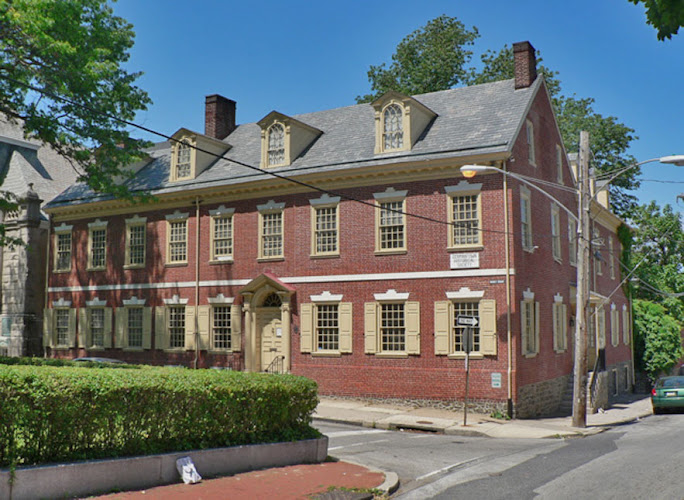
Germantown Historical Society
Find Accommodations Nearby
Recommended Tours & Activities
Visitor Reviews
There are no reviews yet. Be the first one to write one.
Share Your Experience
Have you visited Philadelphia’s Magic Gardens? Help other travelers by leaving a review.