
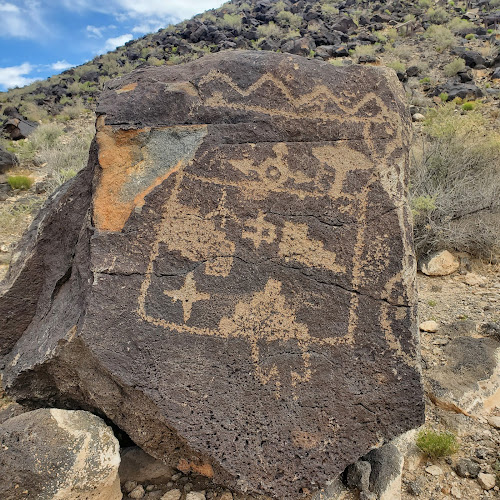
Petroglyph National Monument
About Petroglyph National Monument
Description
Petroglyph National Monument is one of those places that makes you pause and think about the people who walked this land long before us. Spread across volcanic rock formations on the edge of Albuquerque, it holds thousands of ancient carvings etched into stone by Native American and early Spanish settlers. Some are simple shapes, others are animals, figures, or symbols whose meanings are still debated today. And that mystery is part of the magic—you’ll find yourself wondering what stories these rocks would tell if they could talk.
The park isn’t pristine wilderness; it’s surrounded by modern neighborhoods and highways, which can feel a little odd at first. But once you’re on the trails, the hum of the city fades and you’re left with desert silence, broken only by the crunch of gravel underfoot or the occasional call of a raven overhead. It’s not the most glamorous park in the country, but it’s authentic, raw, and deeply tied to the history of the Southwest. Most visitors walk away impressed, though some might wish for more interpretive signs or shade along the trails. Personally, I think that stripped-down experience makes it feel more real—you’re not spoon-fed the history, you’re invited to imagine it.
It’s also a surprisingly family-friendly spot. Kids love spotting the carvings hidden along the rocks, almost like a treasure hunt. And if you bring your dog, you’ll be glad to know leashed pets are welcome on the trails. Facilities are basic—restrooms, picnic tables, and a visitor center—but that’s enough to make a half-day visit comfortable. If you’re expecting a glossy, theme-park style attraction, you’ll be disappointed. But if you’re after a genuine connection to the land and its stories, this place delivers in spades.
Key Features
- Thousands of prehistoric petroglyphs carved into volcanic rock
- Several hiking trails ranging from short walks to longer treks
- Wheelchair-accessible parking and entrance at select areas
- Visitor center with maps, exhibits, and ranger guidance
- Picnic tables for a relaxed break with desert views
- Family-friendly hikes suitable for kids
- Leashed dogs allowed on trails
- Public restrooms at main trailheads
Best Time to Visit
Timing is everything here. The desert sun can be merciless in summer, and I’ve made the mistake of hiking mid-afternoon in July—let’s just say I wouldn’t recommend it unless you enjoy feeling like a lizard on a hot rock. The best seasons are spring and fall when daytime temperatures are mild, skies are clear, and wildflowers or golden cottonwoods add a splash of color to the landscape. Winter has its own charm too; the crowds thin out, and the cool air makes longer hikes more comfortable.
If you’re planning to go in summer, start early in the morning. Not only will you avoid the heat, but you’ll also get that magical soft light that makes the carvings pop against the rocks. And sunsets here? Absolutely worth sticking around for. The sky lights up in shades of orange and purple, and the silhouettes of the volcanic cones on the horizon are unforgettable.
How to Get There
Petroglyph National Monument is located on the western edge of Albuquerque, which makes it one of the most accessible national park sites in New Mexico. If you’re flying in, Albuquerque International Sunport is about a 25-minute drive away. From downtown Albuquerque, it’s a short drive west, and you’ll find clear signs pointing toward the main visitor center and trailheads.
Most people arrive by car, and that’s really the easiest way to get around. Parking lots are available at the main trailheads, though they can fill up on weekends. Public transportation options are limited, so if you’re relying on buses or rideshares, plan carefully. Once you’re at the monument, you’ll do most of your exploring on foot, so comfortable shoes are a must.
Tips for Visiting
A few lessons I’ve learned the hard way: bring more water than you think you’ll need. The dry desert air sneaks up on you, and dehydration can turn a fun hike into a miserable one quickly. Sunscreen and a hat are non-negotiable, especially if you’re visiting in summer. Shade is scarce, so you’ll want to create your own.
Take your time on the trails. Some of the carvings are easy to miss if you’re rushing—look carefully along the boulders and you’ll start to notice shapes that at first glance just look like cracks or shadows. And please, resist the urge to touch the petroglyphs. Oils from human skin can damage the carvings, and they’ve survived centuries without us messing with them.
If you’re visiting with kids, pick Boca Negra Canyon for a short, engaging hike with plenty of carvings visible right from the trail. For a quieter experience, Rinconada Canyon offers a longer, more peaceful walk where you can really soak in the desert atmosphere. And if you’re traveling with your dog, double-check trail rules—some areas are pet-friendly, others aren’t.
Lastly, don’t rush your visit. While you can technically see a lot in an hour or two, giving yourself half a day allows you to explore multiple trails, have a picnic, and maybe even catch the sunset. It’s one of those places that rewards slowing down, listening to the silence, and letting your imagination wander back to the people who carved their stories into stone centuries ago.
Key Features
- Thousands of prehistoric petroglyphs carved into volcanic rock
- Several hiking trails ranging from short walks to longer treks
- Wheelchair-accessible parking and entrance at select areas
- Visitor center with maps, exhibits, and ranger guidance
- Picnic tables for a relaxed break with desert views
- Family-friendly hikes suitable for kids
- Leashed dogs allowed on trails
- Public restrooms at main trailheads
More Details
Updated September 23, 2025
Table of Contents
Description
Petroglyph National Monument is one of those places that makes you pause and think about the people who walked this land long before us. Spread across volcanic rock formations on the edge of Albuquerque, it holds thousands of ancient carvings etched into stone by Native American and early Spanish settlers. Some are simple shapes, others are animals, figures, or symbols whose meanings are still debated today. And that mystery is part of the magic—you’ll find yourself wondering what stories these rocks would tell if they could talk.
The park isn’t pristine wilderness; it’s surrounded by modern neighborhoods and highways, which can feel a little odd at first. But once you’re on the trails, the hum of the city fades and you’re left with desert silence, broken only by the crunch of gravel underfoot or the occasional call of a raven overhead. It’s not the most glamorous park in the country, but it’s authentic, raw, and deeply tied to the history of the Southwest. Most visitors walk away impressed, though some might wish for more interpretive signs or shade along the trails. Personally, I think that stripped-down experience makes it feel more real—you’re not spoon-fed the history, you’re invited to imagine it.
It’s also a surprisingly family-friendly spot. Kids love spotting the carvings hidden along the rocks, almost like a treasure hunt. And if you bring your dog, you’ll be glad to know leashed pets are welcome on the trails. Facilities are basic—restrooms, picnic tables, and a visitor center—but that’s enough to make a half-day visit comfortable. If you’re expecting a glossy, theme-park style attraction, you’ll be disappointed. But if you’re after a genuine connection to the land and its stories, this place delivers in spades.
Key Features
- Thousands of prehistoric petroglyphs carved into volcanic rock
- Several hiking trails ranging from short walks to longer treks
- Wheelchair-accessible parking and entrance at select areas
- Visitor center with maps, exhibits, and ranger guidance
- Picnic tables for a relaxed break with desert views
- Family-friendly hikes suitable for kids
- Leashed dogs allowed on trails
- Public restrooms at main trailheads
Best Time to Visit
Timing is everything here. The desert sun can be merciless in summer, and I’ve made the mistake of hiking mid-afternoon in July—let’s just say I wouldn’t recommend it unless you enjoy feeling like a lizard on a hot rock. The best seasons are spring and fall when daytime temperatures are mild, skies are clear, and wildflowers or golden cottonwoods add a splash of color to the landscape. Winter has its own charm too; the crowds thin out, and the cool air makes longer hikes more comfortable.
If you’re planning to go in summer, start early in the morning. Not only will you avoid the heat, but you’ll also get that magical soft light that makes the carvings pop against the rocks. And sunsets here? Absolutely worth sticking around for. The sky lights up in shades of orange and purple, and the silhouettes of the volcanic cones on the horizon are unforgettable.
How to Get There
Petroglyph National Monument is located on the western edge of Albuquerque, which makes it one of the most accessible national park sites in New Mexico. If you’re flying in, Albuquerque International Sunport is about a 25-minute drive away. From downtown Albuquerque, it’s a short drive west, and you’ll find clear signs pointing toward the main visitor center and trailheads.
Most people arrive by car, and that’s really the easiest way to get around. Parking lots are available at the main trailheads, though they can fill up on weekends. Public transportation options are limited, so if you’re relying on buses or rideshares, plan carefully. Once you’re at the monument, you’ll do most of your exploring on foot, so comfortable shoes are a must.
Tips for Visiting
A few lessons I’ve learned the hard way: bring more water than you think you’ll need. The dry desert air sneaks up on you, and dehydration can turn a fun hike into a miserable one quickly. Sunscreen and a hat are non-negotiable, especially if you’re visiting in summer. Shade is scarce, so you’ll want to create your own.
Take your time on the trails. Some of the carvings are easy to miss if you’re rushing—look carefully along the boulders and you’ll start to notice shapes that at first glance just look like cracks or shadows. And please, resist the urge to touch the petroglyphs. Oils from human skin can damage the carvings, and they’ve survived centuries without us messing with them.
If you’re visiting with kids, pick Boca Negra Canyon for a short, engaging hike with plenty of carvings visible right from the trail. For a quieter experience, Rinconada Canyon offers a longer, more peaceful walk where you can really soak in the desert atmosphere. And if you’re traveling with your dog, double-check trail rules—some areas are pet-friendly, others aren’t.
Lastly, don’t rush your visit. While you can technically see a lot in an hour or two, giving yourself half a day allows you to explore multiple trails, have a picnic, and maybe even catch the sunset. It’s one of those places that rewards slowing down, listening to the silence, and letting your imagination wander back to the people who carved their stories into stone centuries ago.
Key Highlights
- Thousands of prehistoric petroglyphs carved into volcanic rock
- Several hiking trails ranging from short walks to longer treks
- Wheelchair-accessible parking and entrance at select areas
- Visitor center with maps, exhibits, and ranger guidance
- Picnic tables for a relaxed break with desert views
- Family-friendly hikes suitable for kids
- Leashed dogs allowed on trails
- Public restrooms at main trailheads
Location
Places to Stay Near Petroglyph National Monument
Find and Book a Tour
Explore More Travel Guides
No reviews found! Be the first to review!
Traveler Reviews for Petroglyph National Monument
There are no reviews yet. Be the first one to write one.
Have you visited Petroglyph National Monument? Help other travelers by sharing your review.
You Might Also Like
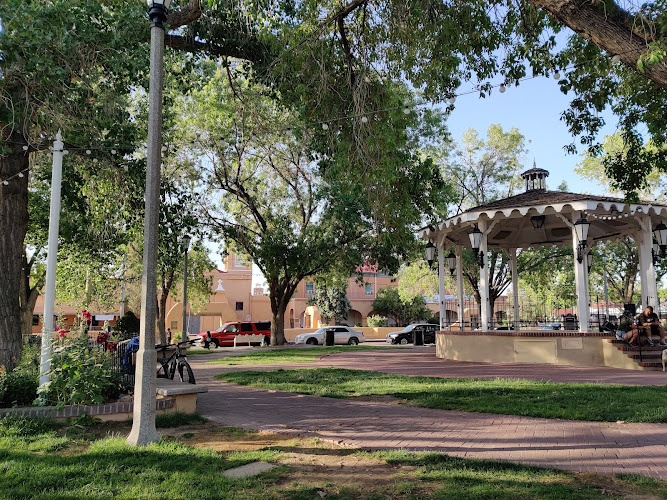
Old Town Plaza
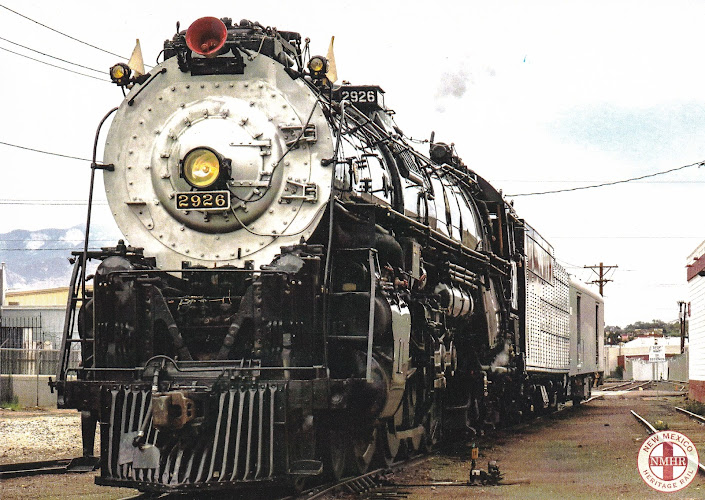
New Mexico Steam Locomotive
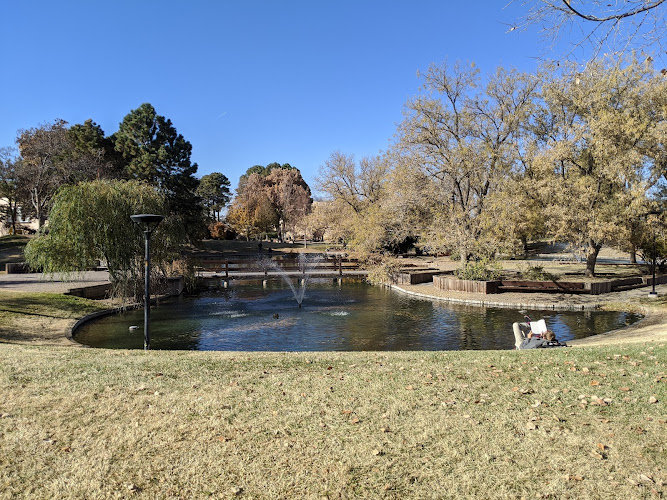
UNM Duck Pond
Find Accommodations Nearby
Recommended Tours & Activities
Visitor Reviews
There are no reviews yet. Be the first one to write one.
Share Your Experience
Have you visited Petroglyph National Monument? Help other travelers by leaving a review.