

Pernambuco State Museum
About Pernambuco State Museum
Description
There’s something about walking into the Pernambuco State Museum that makes you feel like time slows down a little. Maybe it’s the creak of the old wooden floors, or the way sunlight spills through the tall windows of that grand 19th-century mansion. The building itself feels like a living artifact, whispering stories from Recife’s past. Established back in 1929, this museum has quietly become one of Brazil’s most fascinating cultural landmarks—home to more than twelve thousand works that trace the soul of Pernambuco through art, history, and memory.
The museum’s collection is wonderfully eclectic. You’ll find oil paintings from the colonial era hanging beside modern sculptures, delicate porcelain from Europe sitting next to indigenous pottery, and even a few haunting relics from the Dutch occupation. It’s not just a museum—it’s a timeline of Pernambuco’s evolution, from the sugarcane barons and the Dutch invasions to the rise of modern Brazilian art. And what I personally love is how it doesn’t feel stuffy or pretentious. It’s welcoming, even to someone who might not know much about art. You can take your time, wander through each room, and genuinely feel the layers of history around you.
Of course, not everything is perfect—some exhibits could use better lighting, and a few of the labels are only in Portuguese. But honestly, that’s part of the charm. It feels authentic, unpolished in a way that reminds you this is a place run by people who care deeply about preserving culture, not just curating it for tourists. And yes, it’s family-friendly and inclusive, with accessibility features like wheelchair access and restrooms that make it easy for everyone to enjoy. The staff are kind too—if you look a little lost, someone will usually step in with a smile and a story.
What really stands out, though, is the atmosphere. You can almost feel the heartbeat of Pernambuco here. The museum doesn’t just show history—it breathes it. And when you step outside into the leafy courtyard, it’s easy to imagine the city as it once was: slower, quieter, full of stories waiting to be told.
Key Features
- Historic 19th-century mansion housing over 12,000 works of art and artifacts
- Extensive collection covering colonial history, Dutch occupation, and modern Pernambuco art
- Paintings, sculptures, porcelain, and ethnographic pieces from Brazil and abroad
- Wheelchair-accessible entrance, restrooms, and parking
- Family-friendly and LGBTQ+ inclusive environment
- Occasional live performances and cultural events
- Free parking available on-site
- Quiet, reflective atmosphere ideal for history and art lovers alike
Best Time to Visit
Honestly, there’s no bad time to visit, but if you want to enjoy the museum at its best, go during the weekday mornings. That’s when it’s quieter and you can really take your time exploring without the weekend crowds. Recife’s weather tends to be warm year-round, but if you’re not a fan of humidity, aim for the dry season—roughly August through December. The light during those months makes the mansion’s interiors glow beautifully, especially in the late morning.
I once popped in on a rainy afternoon in June, and I have to say, it was magical. The sound of rain tapping the old windowpanes while I stood staring at a 17th-century painting of Dutch ships—it felt like stepping through a time portal. So if you happen to catch a rainy day in Recife, don’t think twice. The museum is the perfect place to wait out a storm.
How to Get There
Getting to the museum is pretty straightforward. It’s located in one of Recife’s more traditional neighborhoods, and most taxi drivers or rideshare apps will know exactly where to go if you mention its name. If you’re staying downtown, it’s just a short drive away—maybe ten to fifteen minutes depending on traffic. Public buses also stop nearby, though if you’re not used to Brazilian public transport, I’d recommend a cab or a rideshare for convenience.
For those who like to walk, the surrounding area is pleasant enough, with leafy streets and a few small cafés tucked along the way. Just remember, Recife’s sun can be intense, so bring water and maybe a hat. Parking is free, which is a nice bonus, especially in a city where that’s not always easy to find.
Tips for Visiting
Here’s the thing about the Pernambuco State Museum—it rewards curiosity. Don’t rush it. Give yourself at least two hours to wander, maybe more if you’re the kind of person who likes to read every single placard (guilty as charged). The exhibits are arranged in a way that tells a story, so moving slowly through them really helps you appreciate how Pernambuco’s art and culture evolved over the centuries.
Bring a bottle of water and wear comfortable shoes. The floors are beautiful but old, and you’ll be on your feet quite a bit. Photography is allowed in most areas, but always double-check for signs or ask a staff member first. And if you can, time your visit to coincide with one of their live performances or temporary exhibitions—they add a whole new dimension to the experience. You might catch a local musician performing traditional frevo or maracatu rhythms, which honestly, is worth the trip alone.
One small tip that not many people mention: look up. The ceilings in some rooms are incredible—ornate woodwork, old chandeliers, and those tall windows that let in Recife’s golden light. I must’ve taken a dozen photos of just the ceilings. Also, if you’re traveling with kids, don’t worry—they’ll find plenty to keep them interested. The museum does a great job of mixing art with interactive displays and colorful pieces that spark curiosity.
And because I know someone will wonder—yes, it’s safe. The museum is well-maintained, and the staff are attentive. It’s also an LGBTQ+ and transgender-safe space, which makes it one of the more progressive cultural institutions in the region. You’ll feel welcome here, no matter who you are or where you’re from.
If you’re planning to visit multiple museums in Recife, I’d suggest starting here. It gives you such a solid foundation for understanding the city’s identity—its struggles, its triumphs, and its creative heartbeat. After spending a few hours here, you start noticing how that same spirit shows up everywhere else in Recife—from the street art to the architecture to the music floating out of corner bars.
So, should you go? Absolutely. The Pernambuco State Museum isn’t just a stop on a sightseeing list—it’s a genuine experience. It’s where art, history, and humanity all meet under one roof, inviting you to slow down and really see Pernambuco for what it is: layered, proud, and endlessly fascinating.
Key Features
- Historic 19th-century mansion housing over 12,000 works of art and artifacts
- Extensive collection covering colonial history, Dutch occupation, and modern Pernambuco art
- Paintings, sculptures, porcelain, and ethnographic pieces from Brazil and abroad
- Wheelchair-accessible entrance, restrooms, and parking
- Family-friendly and LGBTQ+ inclusive environment
- Occasional live performances and cultural events
- Free parking available on-site
- Quiet, reflective atmosphere ideal for history and art lovers alike
More Details
Updated November 7, 2025
Table of Contents
Description
There’s something about walking into the Pernambuco State Museum that makes you feel like time slows down a little. Maybe it’s the creak of the old wooden floors, or the way sunlight spills through the tall windows of that grand 19th-century mansion. The building itself feels like a living artifact, whispering stories from Recife’s past. Established back in 1929, this museum has quietly become one of Brazil’s most fascinating cultural landmarks—home to more than twelve thousand works that trace the soul of Pernambuco through art, history, and memory.
The museum’s collection is wonderfully eclectic. You’ll find oil paintings from the colonial era hanging beside modern sculptures, delicate porcelain from Europe sitting next to indigenous pottery, and even a few haunting relics from the Dutch occupation. It’s not just a museum—it’s a timeline of Pernambuco’s evolution, from the sugarcane barons and the Dutch invasions to the rise of modern Brazilian art. And what I personally love is how it doesn’t feel stuffy or pretentious. It’s welcoming, even to someone who might not know much about art. You can take your time, wander through each room, and genuinely feel the layers of history around you.
Of course, not everything is perfect—some exhibits could use better lighting, and a few of the labels are only in Portuguese. But honestly, that’s part of the charm. It feels authentic, unpolished in a way that reminds you this is a place run by people who care deeply about preserving culture, not just curating it for tourists. And yes, it’s family-friendly and inclusive, with accessibility features like wheelchair access and restrooms that make it easy for everyone to enjoy. The staff are kind too—if you look a little lost, someone will usually step in with a smile and a story.
What really stands out, though, is the atmosphere. You can almost feel the heartbeat of Pernambuco here. The museum doesn’t just show history—it breathes it. And when you step outside into the leafy courtyard, it’s easy to imagine the city as it once was: slower, quieter, full of stories waiting to be told.
Key Features
- Historic 19th-century mansion housing over 12,000 works of art and artifacts
- Extensive collection covering colonial history, Dutch occupation, and modern Pernambuco art
- Paintings, sculptures, porcelain, and ethnographic pieces from Brazil and abroad
- Wheelchair-accessible entrance, restrooms, and parking
- Family-friendly and LGBTQ+ inclusive environment
- Occasional live performances and cultural events
- Free parking available on-site
- Quiet, reflective atmosphere ideal for history and art lovers alike
Best Time to Visit
Honestly, there’s no bad time to visit, but if you want to enjoy the museum at its best, go during the weekday mornings. That’s when it’s quieter and you can really take your time exploring without the weekend crowds. Recife’s weather tends to be warm year-round, but if you’re not a fan of humidity, aim for the dry season—roughly August through December. The light during those months makes the mansion’s interiors glow beautifully, especially in the late morning.
I once popped in on a rainy afternoon in June, and I have to say, it was magical. The sound of rain tapping the old windowpanes while I stood staring at a 17th-century painting of Dutch ships—it felt like stepping through a time portal. So if you happen to catch a rainy day in Recife, don’t think twice. The museum is the perfect place to wait out a storm.
How to Get There
Getting to the museum is pretty straightforward. It’s located in one of Recife’s more traditional neighborhoods, and most taxi drivers or rideshare apps will know exactly where to go if you mention its name. If you’re staying downtown, it’s just a short drive away—maybe ten to fifteen minutes depending on traffic. Public buses also stop nearby, though if you’re not used to Brazilian public transport, I’d recommend a cab or a rideshare for convenience.
For those who like to walk, the surrounding area is pleasant enough, with leafy streets and a few small cafés tucked along the way. Just remember, Recife’s sun can be intense, so bring water and maybe a hat. Parking is free, which is a nice bonus, especially in a city where that’s not always easy to find.
Tips for Visiting
Here’s the thing about the Pernambuco State Museum—it rewards curiosity. Don’t rush it. Give yourself at least two hours to wander, maybe more if you’re the kind of person who likes to read every single placard (guilty as charged). The exhibits are arranged in a way that tells a story, so moving slowly through them really helps you appreciate how Pernambuco’s art and culture evolved over the centuries.
Bring a bottle of water and wear comfortable shoes. The floors are beautiful but old, and you’ll be on your feet quite a bit. Photography is allowed in most areas, but always double-check for signs or ask a staff member first. And if you can, time your visit to coincide with one of their live performances or temporary exhibitions—they add a whole new dimension to the experience. You might catch a local musician performing traditional frevo or maracatu rhythms, which honestly, is worth the trip alone.
One small tip that not many people mention: look up. The ceilings in some rooms are incredible—ornate woodwork, old chandeliers, and those tall windows that let in Recife’s golden light. I must’ve taken a dozen photos of just the ceilings. Also, if you’re traveling with kids, don’t worry—they’ll find plenty to keep them interested. The museum does a great job of mixing art with interactive displays and colorful pieces that spark curiosity.
And because I know someone will wonder—yes, it’s safe. The museum is well-maintained, and the staff are attentive. It’s also an LGBTQ+ and transgender-safe space, which makes it one of the more progressive cultural institutions in the region. You’ll feel welcome here, no matter who you are or where you’re from.
If you’re planning to visit multiple museums in Recife, I’d suggest starting here. It gives you such a solid foundation for understanding the city’s identity—its struggles, its triumphs, and its creative heartbeat. After spending a few hours here, you start noticing how that same spirit shows up everywhere else in Recife—from the street art to the architecture to the music floating out of corner bars.
So, should you go? Absolutely. The Pernambuco State Museum isn’t just a stop on a sightseeing list—it’s a genuine experience. It’s where art, history, and humanity all meet under one roof, inviting you to slow down and really see Pernambuco for what it is: layered, proud, and endlessly fascinating.
Key Highlights
- Historic 19th-century mansion housing over 12,000 works of art and artifacts
- Extensive collection covering colonial history, Dutch occupation, and modern Pernambuco art
- Paintings, sculptures, porcelain, and ethnographic pieces from Brazil and abroad
- Wheelchair-accessible entrance, restrooms, and parking
- Family-friendly and LGBTQ+ inclusive environment
- Occasional live performances and cultural events
- Free parking available on-site
- Quiet, reflective atmosphere ideal for history and art lovers alike
Location
Places to Stay Near Pernambuco State Museum
Find and Book a Tour
Explore More Travel Guides
No reviews found! Be the first to review!
Traveler Reviews for Pernambuco State Museum
There are no reviews yet. Be the first one to write one.
Have you visited Pernambuco State Museum? Help other travelers by sharing your review.
You Might Also Like

Pina beach bar
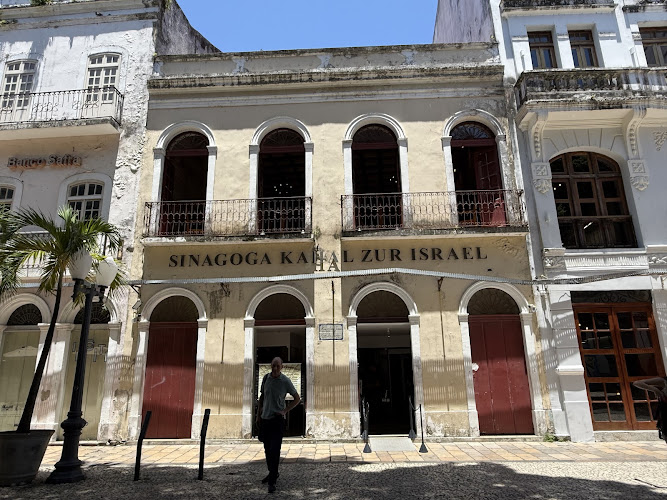
Synagogue Kahal Zur Israel

Praça Rio Branco & Av. Alfredo Lisboa
Find Accommodations Nearby
Recommended Tours & Activities
Visitor Reviews
There are no reviews yet. Be the first one to write one.
Share Your Experience
Have you visited Pernambuco State Museum? Help other travelers by leaving a review.