

Penza Oblast
About Penza Oblast
Description
Penza Oblast represents one of those Russian destinations that doesn't immediately spring to mind when planning a trip, and honestly, that's part of its charm. Tucked away in the Volga Federal District, this region sprawls across the southwestern portion of European Russia with a character all its own. The administrative center, Penza city, serves as the cultural and economic heartbeat of an oblast that came into existence relatively recently in 1939, carved out from what used to be Tambov Oblast territory. With a population hovering around 1.3 million people based on census data, Penza Oblast offers travelers something refreshingly different from the well-trodden paths of Moscow and St. Petersburg. The landscape here rolls gently with forested areas giving way to agricultural lands, while rivers meander through countryside that feels genuinely untouched by mass tourism. And that's exactly what makes it special - you won't find yourself dodging selfie sticks or waiting in endless queues here. The region sits at an interesting crossroads culturally speaking, where Russian traditions blend with influences from neighboring territories. I've always found these less-visited Russian regions tell a more authentic story than their famous counterparts. The local economy has historically revolved around manufacturing and agriculture, which means you'll encounter real working towns rather than places that exist primarily for tourists. This gives the whole experience an honest, unfiltered quality that's increasingly rare in modern travel.Key Features
The attractions and characteristics that define Penza Oblast include: • Penza city's Museum Quarter, housing multiple institutions dedicated to literature, art, and regional history that showcase the area's intellectual heritage • The Lermontov Museum-Reserve in Tarkhany, celebrating one of Russia's greatest poets in his actual childhood estate where he spent formative years • Belinsky Literary Museum honoring the famous Russian literary critic who was born in this region • The ancient oak forests that have survived for centuries, providing exceptional hiking and nature photography opportunities • Traditional Russian wooden architecture preserved in smaller villages throughout the oblast • The Sura River, offering peaceful fishing spots and scenic waterways perfect for contemplative walks • Local crafts including distinctive pottery and traditional textile work that you can still find in regional markets • The annual Penza Accordion Festival that draws musicians from across Russia • Unique religious architecture including Orthodox churches and monasteries dating back several centuries • Regional cuisine that emphasizes hearty dishes made from locally-sourced ingredients, particularly mushrooms, berries, and game • The surprisingly well-maintained Soviet-era monuments and architecture that provide fascinating historical contextBest Time to Visit
Timing your visit to Penza Oblast really depends on what you're after, though I'd argue the shoulder seasons offer the most rewarding experiences. The region experiences a continental climate with all four seasons making their presence known quite distinctly. Late spring, particularly May and early June, brings the countryside to life with wildflowers and fresh greenery everywhere you look. The temperatures hover comfortably in the 15-20°C range (60-68°F), making it perfect for exploring outdoor sites without breaking a sweat. But here's the thing - you'll also catch locals in their best moods as everyone emerges from the long winter months. Summer, spanning July and August, sees temperatures climb to 20-25°C (68-77°F), occasionally pushing higher during heat waves. This is when the region truly opens up for outdoor activities. The forests become accessible for mushroom picking - a beloved local pastime that you might get invited to join if you befriend locals. However, summer also brings more precipitation, so pack accordingly. September through early October delivers my personal favorite conditions. The fall foliage transforms the oak forests into something genuinely spectacular, and temperatures cool to comfortable levels around 10-15°C (50-59°F). Harvest season means fresh produce floods the markets, and you'll find local festivals celebrating everything from apples to honey. Winter spans November through March and it gets properly cold - we're talking temperatures regularly dropping to -10°C to -20°C (14°F to -4°F). Unless you're specifically seeking a winter adventure or want to experience Russian winter culture authentically, this probably isn't the ideal visiting window. That said, if you do brave the cold, you'll see the region at its most traditionally Russian, with snowy landscapes and cozy indoor gatherings.How to Get There
Getting to Penza Oblast requires a bit more planning than reaching Russia's major tourist centers, but it's definitely manageable and honestly part of the adventure. The most straightforward approach involves flying into Moscow first. From Moscow, you've got several options. The train journey from Moscow's Kazansky Railway Station to Penza takes approximately 12-14 hours on overnight trains, which I actually recommend because you wake up at your destination and save on accommodation for a night. The trains are comfortable enough, and there's something romantic about watching the Russian countryside roll past your window. If you prefer speed over experience, domestic flights operate between Moscow's airports and Penza's Ternovka Airport, though these aren't as frequent as you'd find on more popular routes. The flight takes roughly 1.5 hours, but factor in airport time and you might not save as much time as you'd think. Buses also run between Moscow and Penza, taking around 14-16 hours. They're cheaper than trains but less comfortable for overnight travel, so weigh that against your budget and comfort preferences. For those already traveling through the Volga region, Penza Oblast is accessible from Samara, Saratov, and other regional centers via rail or road connections. The Russian rail network, despite what you might assume, works quite efficiently for intercity travel. Once you're in Penza city, local buses and marshrutkas (minibuses) provide connections to smaller towns and villages within the oblast, though schedules can be infrequent for more remote destinations. Renting a car opens up the region considerably, especially for reaching nature sites and smaller villages, but be prepared for road conditions that vary wildly from decent to challenging.Tips for Visiting
Navigating Penza Oblast successfully requires some practical knowledge that guidebooks sometimes skip over. First off, English speakers are few and far between here - like, really few. Download a translation app that works offline and learn basic Russian phrases. Locals genuinely appreciate any effort to speak their language, and I've found it opens doors that would otherwise remain closed. Cash remains king in this region despite digital payment systems gaining ground in larger Russian cities. Many smaller establishments, markets, and rural areas simply don't accept cards. ATMs exist in Penza city and larger towns, but don't assume you'll find one in every village. Accommodation options range from Soviet-era hotels that haven't changed their decor since 1985 (part of the charm, honestly) to newer mini-hotels and guesthouses. Book ahead during summer months and around major holidays. Consider staying in private apartments through local rental platforms, which often provide better value and more authentic experiences than standard hotels. The food scene focuses heavily on traditional Russian cuisine - think pelmeni, borscht, and shchi. Vegetarians might struggle a bit as meat features prominently in local dishes, but larger restaurants in Penza city can accommodate dietary restrictions if you communicate clearly. Don't miss trying regional specialties, particularly anything made with local mushrooms and berries. Transportation within Penza city is straightforward with buses and trolleybuses covering most areas, but timetables might not be readily available in English. Ask your accommodation host for help understanding routes. Taxis through apps work in the city, though less reliably than in Moscow. Safety-wise, Penza Oblast is generally safe for travelers, but standard precautions apply. Petty theft occurs occasionally, so watch your belongings in crowded areas. The bigger challenge honestly comes from cultural misunderstandings rather than crime - familiarize yourself with basic Russian etiquette around greetings, gift-giving, and social interactions. Weather can change quickly, particularly during spring and fall, so pack layers regardless of when you visit. A good waterproof jacket proves invaluable. And if you're visiting in winter, invest in proper cold-weather gear - frostbite isn't a joke at these temperatures. Photography is generally permitted at most sites, but always ask before photographing people, especially in rural areas. Some museums and churches prohibit photography or charge extra fees for it. Finally, give yourself more time than you think you'll need. This isn't a region to rush through in a day or two. The pace of life moves slower here, and that's precisely what makes it rewarding. Plan for at least three to four days to properly explore Penza city and make day trips to surrounding areas. Trust me, once you settle into the rhythm of the place, you'll wish you'd allocated even more time. The lack of tourist infrastructure that might initially seem like a drawback actually becomes one of the region's greatest assets - you're experiencing Russia as it actually exists for most Russians, not a curated version designed for foreign visitors. And there's real value in that kind of authentic travel experience.Key Features
- Penza city’s cultural museums, theaters and classical provincial architecture
- Sura River valleys and accessible countryside for walking and nature
- Historic orthodox churches, monasteries and rural heritage sites
- Local crafts, regional markets and traditional cuisine
- Low tourist crowds — an off‑the‑beaten‑path Russian experience
More Details
Updated March 30, 2026
Table of Contents
Description
Penza Oblast represents one of those Russian destinations that doesn’t immediately spring to mind when planning a trip, and honestly, that’s part of its charm. Tucked away in the Volga Federal District, this region sprawls across the southwestern portion of European Russia with a character all its own. The administrative center, Penza city, serves as the cultural and economic heartbeat of an oblast that came into existence relatively recently in 1939, carved out from what used to be Tambov Oblast territory.
With a population hovering around 1.3 million people based on census data, Penza Oblast offers travelers something refreshingly different from the well-trodden paths of Moscow and St. Petersburg. The landscape here rolls gently with forested areas giving way to agricultural lands, while rivers meander through countryside that feels genuinely untouched by mass tourism. And that’s exactly what makes it special – you won’t find yourself dodging selfie sticks or waiting in endless queues here.
The region sits at an interesting crossroads culturally speaking, where Russian traditions blend with influences from neighboring territories. I’ve always found these less-visited Russian regions tell a more authentic story than their famous counterparts. The local economy has historically revolved around manufacturing and agriculture, which means you’ll encounter real working towns rather than places that exist primarily for tourists. This gives the whole experience an honest, unfiltered quality that’s increasingly rare in modern travel.
Key Features
The attractions and characteristics that define Penza Oblast include:
• Penza city’s Museum Quarter, housing multiple institutions dedicated to literature, art, and regional history that showcase the area’s intellectual heritage
• The Lermontov Museum-Reserve in Tarkhany, celebrating one of Russia’s greatest poets in his actual childhood estate where he spent formative years
• Belinsky Literary Museum honoring the famous Russian literary critic who was born in this region
• The ancient oak forests that have survived for centuries, providing exceptional hiking and nature photography opportunities
• Traditional Russian wooden architecture preserved in smaller villages throughout the oblast
• The Sura River, offering peaceful fishing spots and scenic waterways perfect for contemplative walks
• Local crafts including distinctive pottery and traditional textile work that you can still find in regional markets
• The annual Penza Accordion Festival that draws musicians from across Russia
• Unique religious architecture including Orthodox churches and monasteries dating back several centuries
• Regional cuisine that emphasizes hearty dishes made from locally-sourced ingredients, particularly mushrooms, berries, and game
• The surprisingly well-maintained Soviet-era monuments and architecture that provide fascinating historical context
Best Time to Visit
Timing your visit to Penza Oblast really depends on what you’re after, though I’d argue the shoulder seasons offer the most rewarding experiences. The region experiences a continental climate with all four seasons making their presence known quite distinctly.
Late spring, particularly May and early June, brings the countryside to life with wildflowers and fresh greenery everywhere you look. The temperatures hover comfortably in the 15-20°C range (60-68°F), making it perfect for exploring outdoor sites without breaking a sweat. But here’s the thing – you’ll also catch locals in their best moods as everyone emerges from the long winter months.
Summer, spanning July and August, sees temperatures climb to 20-25°C (68-77°F), occasionally pushing higher during heat waves. This is when the region truly opens up for outdoor activities. The forests become accessible for mushroom picking – a beloved local pastime that you might get invited to join if you befriend locals. However, summer also brings more precipitation, so pack accordingly.
September through early October delivers my personal favorite conditions. The fall foliage transforms the oak forests into something genuinely spectacular, and temperatures cool to comfortable levels around 10-15°C (50-59°F). Harvest season means fresh produce floods the markets, and you’ll find local festivals celebrating everything from apples to honey.
Winter spans November through March and it gets properly cold – we’re talking temperatures regularly dropping to -10°C to -20°C (14°F to -4°F). Unless you’re specifically seeking a winter adventure or want to experience Russian winter culture authentically, this probably isn’t the ideal visiting window. That said, if you do brave the cold, you’ll see the region at its most traditionally Russian, with snowy landscapes and cozy indoor gatherings.
How to Get There
Getting to Penza Oblast requires a bit more planning than reaching Russia’s major tourist centers, but it’s definitely manageable and honestly part of the adventure.
The most straightforward approach involves flying into Moscow first. From Moscow, you’ve got several options. The train journey from Moscow’s Kazansky Railway Station to Penza takes approximately 12-14 hours on overnight trains, which I actually recommend because you wake up at your destination and save on accommodation for a night. The trains are comfortable enough, and there’s something romantic about watching the Russian countryside roll past your window.
If you prefer speed over experience, domestic flights operate between Moscow’s airports and Penza’s Ternovka Airport, though these aren’t as frequent as you’d find on more popular routes. The flight takes roughly 1.5 hours, but factor in airport time and you might not save as much time as you’d think.
Buses also run between Moscow and Penza, taking around 14-16 hours. They’re cheaper than trains but less comfortable for overnight travel, so weigh that against your budget and comfort preferences.
For those already traveling through the Volga region, Penza Oblast is accessible from Samara, Saratov, and other regional centers via rail or road connections. The Russian rail network, despite what you might assume, works quite efficiently for intercity travel.
Once you’re in Penza city, local buses and marshrutkas (minibuses) provide connections to smaller towns and villages within the oblast, though schedules can be infrequent for more remote destinations. Renting a car opens up the region considerably, especially for reaching nature sites and smaller villages, but be prepared for road conditions that vary wildly from decent to challenging.
Tips for Visiting
Navigating Penza Oblast successfully requires some practical knowledge that guidebooks sometimes skip over. First off, English speakers are few and far between here – like, really few. Download a translation app that works offline and learn basic Russian phrases. Locals genuinely appreciate any effort to speak their language, and I’ve found it opens doors that would otherwise remain closed.
Cash remains king in this region despite digital payment systems gaining ground in larger Russian cities. Many smaller establishments, markets, and rural areas simply don’t accept cards. ATMs exist in Penza city and larger towns, but don’t assume you’ll find one in every village.
Accommodation options range from Soviet-era hotels that haven’t changed their decor since 1985 (part of the charm, honestly) to newer mini-hotels and guesthouses. Book ahead during summer months and around major holidays. Consider staying in private apartments through local rental platforms, which often provide better value and more authentic experiences than standard hotels.
The food scene focuses heavily on traditional Russian cuisine – think pelmeni, borscht, and shchi. Vegetarians might struggle a bit as meat features prominently in local dishes, but larger restaurants in Penza city can accommodate dietary restrictions if you communicate clearly. Don’t miss trying regional specialties, particularly anything made with local mushrooms and berries.
Transportation within Penza city is straightforward with buses and trolleybuses covering most areas, but timetables might not be readily available in English. Ask your accommodation host for help understanding routes. Taxis through apps work in the city, though less reliably than in Moscow.
Safety-wise, Penza Oblast is generally safe for travelers, but standard precautions apply. Petty theft occurs occasionally, so watch your belongings in crowded areas. The bigger challenge honestly comes from cultural misunderstandings rather than crime – familiarize yourself with basic Russian etiquette around greetings, gift-giving, and social interactions.
Weather can change quickly, particularly during spring and fall, so pack layers regardless of when you visit. A good waterproof jacket proves invaluable. And if you’re visiting in winter, invest in proper cold-weather gear – frostbite isn’t a joke at these temperatures.
Photography is generally permitted at most sites, but always ask before photographing people, especially in rural areas. Some museums and churches prohibit photography or charge extra fees for it.
Finally, give yourself more time than you think you’ll need. This isn’t a region to rush through in a day or two. The pace of life moves slower here, and that’s precisely what makes it rewarding. Plan for at least three to four days to properly explore Penza city and make day trips to surrounding areas. Trust me, once you settle into the rhythm of the place, you’ll wish you’d allocated even more time.
The lack of tourist infrastructure that might initially seem like a drawback actually becomes one of the region’s greatest assets – you’re experiencing Russia as it actually exists for most Russians, not a curated version designed for foreign visitors. And there’s real value in that kind of authentic travel experience.
Key Highlights
- Penza city’s cultural museums, theaters and classical provincial architecture
- Sura River valleys and accessible countryside for walking and nature
- Historic orthodox churches, monasteries and rural heritage sites
- Local crafts, regional markets and traditional cuisine
- Low tourist crowds — an off‑the‑beaten‑path Russian experience
Location
Places to Stay Near Penza Oblast
Find and Book a Tour
Explore More Travel Guides
No reviews found! Be the first to review!
Penza Oblast is a prominent Attractions located in RU.
Traveler Reviews for Penza Oblast
There are no reviews yet. Be the first one to write one.
Have you visited Penza Oblast? Help other travelers by sharing your review.
Nearby Attractions
You Might Also Like
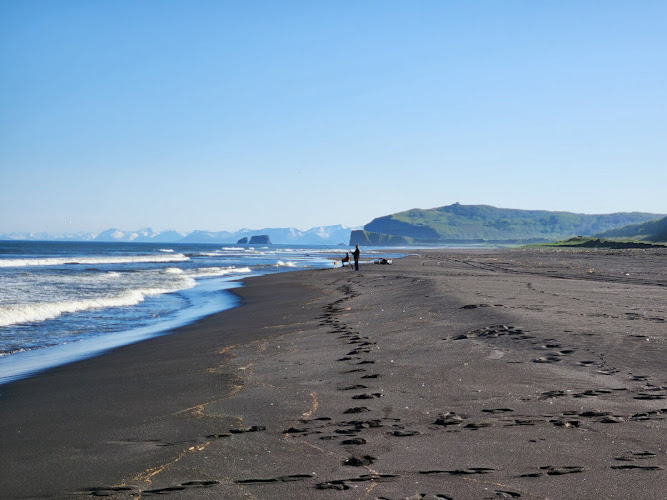
Khalaktyrsky Beach
660006
Gora Keuda
Find Accommodations Nearby
Recommended Tours & Activities
Visitor Reviews
There are no reviews yet. Be the first one to write one.
Share Your Experience
Have you visited Penza Oblast? Help other travelers by leaving a review.