

Penghu Reclamation Hall
About Penghu Reclamation Hall
Description
The Penghu Reclamation Hall transports you back through time to explore the fascinating maritime heritage of Taiwan's beautiful Penghu archipelago. I've gotta say, this place really opened my eyes to the incredible history of land reclamation and development in these islands. The museum does an amazing job showcasing how local communities have shaped and adapted to life by the sea over generations.
Throughout the exhibits, you'll discover compelling stories about traditional fishing methods, coastal engineering, and how the people of Penghu worked to expand their livable land. What really grabbed me was learning about the innovative techniques they used to claim territory from the ocean - it's pretty mind-blowing stuff! The displays include old tools, historical photographs, and detailed models that help bring this unique history to life.
Key Features
- Interactive exhibits demonstrating traditional land reclamation techniques
- Historical artifacts and fishing equipment from different eras
- Scale models showing the evolution of Penghu's coastline
- Educational displays about marine ecology and conservation
- Special exhibition area featuring rotating cultural programs
- Clean, modern facilities with wheelchair accessibility
- Kid-friendly learning zones with hands-on activities
Best Time to Visit
Look, I've been here during different seasons, and I'd say the sweet spot for visiting is between March and October. But here's a pro tip - try to avoid the intense summer heat of July and August when tourist crowds peak. The museum gets pretty packed during those months!
Early mornings (right when they open) or late afternoons tend to be less crowded. And if you're coming during winter, just remember that Penghu can get super windy. You might wanna plan your visit around the weather forecast.
How to Get There
Getting to the Penghu Reclamation Hall isn't too complicated. From Magong Airport or the harbor, you can catch a local bus or grab a taxi - it's about a 15-minute ride. If you're feeling adventurous like I was on my first visit, you can rent a scooter and make your own way there. The building's pretty easy to spot, and most locals can point you in the right direction if you get turned around.
Public buses run regularly throughout the day, but service gets a bit spotty after 5 PM. I learned that the hard way once! If you're staying in downtown Magong, you could even walk there in about 30 minutes along the scenic waterfront path.
Tips for Visiting
After multiple visits, I've picked up some handy tips that'll make your experience even better. First off, grab one of the free audio guides - they're available in several languages and really enhance your understanding of the exhibits. Trust me, you don't wanna miss out on all the fascinating details!
Give yourself at least 2 hours to properly explore everything. The first time I came, I rushed through in an hour and totally regretted it. There's just so much to take in! Also, bring a water bottle cause the air conditioning can get pretty dry inside.
Oh, and don't forget your camera! Some of the exhibits make for amazing photos, especially the large-scale models. If you're visiting with kids, head to the interactive section first while they're still fresh and energetic. The museum offers special guided tours on weekends - book these in advance during peak season.
One last thing - they've got a small gift shop near the exit with some unique local crafts and educational materials. I always pick up something to remember my visit, and the prices are actually pretty reasonable. Just remember they only accept cash or local payment apps.
Key Features
- Interactive exhibits demonstrating traditional land reclamation techniques
- Historical artifacts and fishing equipment from different eras
- Scale models showing the evolution of Penghu's coastline
- Educational displays about marine ecology and conservation
- Special exhibition area featuring rotating cultural programs
- Clean, modern facilities with wheelchair accessibility
- Kid-friendly learning zones with hands-on activities
More Details
Updated May 21, 2025
Table of Contents
Description
The Penghu Reclamation Hall transports you back through time to explore the fascinating maritime heritage of Taiwan’s beautiful Penghu archipelago. I’ve gotta say, this place really opened my eyes to the incredible history of land reclamation and development in these islands. The museum does an amazing job showcasing how local communities have shaped and adapted to life by the sea over generations.
Throughout the exhibits, you’ll discover compelling stories about traditional fishing methods, coastal engineering, and how the people of Penghu worked to expand their livable land. What really grabbed me was learning about the innovative techniques they used to claim territory from the ocean – it’s pretty mind-blowing stuff! The displays include old tools, historical photographs, and detailed models that help bring this unique history to life.
Key Features
- Interactive exhibits demonstrating traditional land reclamation techniques
- Historical artifacts and fishing equipment from different eras
- Scale models showing the evolution of Penghu’s coastline
- Educational displays about marine ecology and conservation
- Special exhibition area featuring rotating cultural programs
- Clean, modern facilities with wheelchair accessibility
- Kid-friendly learning zones with hands-on activities
Best Time to Visit
Look, I’ve been here during different seasons, and I’d say the sweet spot for visiting is between March and October. But here’s a pro tip – try to avoid the intense summer heat of July and August when tourist crowds peak. The museum gets pretty packed during those months!
Early mornings (right when they open) or late afternoons tend to be less crowded. And if you’re coming during winter, just remember that Penghu can get super windy. You might wanna plan your visit around the weather forecast.
How to Get There
Getting to the Penghu Reclamation Hall isn’t too complicated. From Magong Airport or the harbor, you can catch a local bus or grab a taxi – it’s about a 15-minute ride. If you’re feeling adventurous like I was on my first visit, you can rent a scooter and make your own way there. The building’s pretty easy to spot, and most locals can point you in the right direction if you get turned around.
Public buses run regularly throughout the day, but service gets a bit spotty after 5 PM. I learned that the hard way once! If you’re staying in downtown Magong, you could even walk there in about 30 minutes along the scenic waterfront path.
Tips for Visiting
After multiple visits, I’ve picked up some handy tips that’ll make your experience even better. First off, grab one of the free audio guides – they’re available in several languages and really enhance your understanding of the exhibits. Trust me, you don’t wanna miss out on all the fascinating details!
Give yourself at least 2 hours to properly explore everything. The first time I came, I rushed through in an hour and totally regretted it. There’s just so much to take in! Also, bring a water bottle cause the air conditioning can get pretty dry inside.
Oh, and don’t forget your camera! Some of the exhibits make for amazing photos, especially the large-scale models. If you’re visiting with kids, head to the interactive section first while they’re still fresh and energetic. The museum offers special guided tours on weekends – book these in advance during peak season.
One last thing – they’ve got a small gift shop near the exit with some unique local crafts and educational materials. I always pick up something to remember my visit, and the prices are actually pretty reasonable. Just remember they only accept cash or local payment apps.
Key Highlights
- Interactive exhibits demonstrating traditional land reclamation techniques
- Historical artifacts and fishing equipment from different eras
- Scale models showing the evolution of Penghu's coastline
- Educational displays about marine ecology and conservation
- Special exhibition area featuring rotating cultural programs
- Clean, modern facilities with wheelchair accessibility
- Kid-friendly learning zones with hands-on activities
Location
Places to Stay Near Penghu Reclamation Hall
Find and Book a Tour
Explore More Travel Guides
No reviews found! Be the first to review!
Traveler Reviews for Penghu Reclamation Hall
There are no reviews yet. Be the first one to write one.
Have you visited Penghu Reclamation Hall? Help other travelers by sharing your review.
You Might Also Like

Changhua City

Chang Yu-sheng Memorial Museum
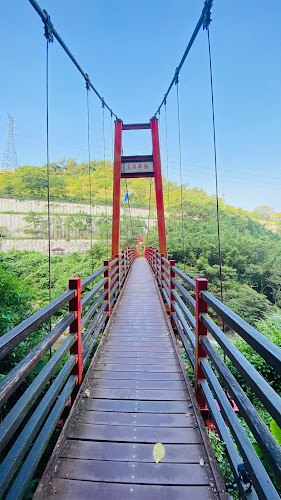
Danlan Suspension Bridge
Find Accommodations Nearby
Recommended Tours & Activities
Visitor Reviews
There are no reviews yet. Be the first one to write one.
Share Your Experience
Have you visited Penghu Reclamation Hall? Help other travelers by leaving a review.