
Pedra do Sal
About Pedra do Sal
Pedra do Sal is a historic site and tourist attraction in Rio de Janeiro’s Saúde neighborhood, recognized for its foundational role in Brazilian samba music.
What to Expect
You visit a place known as the birthplace of samba. This was originally a quilombo village, a community established by people of African descent, including formerly enslaved people. An association group called the Community Descendents of the Quilombos of Pedra do Sal still lives here. The site gets its name, which translates to "Rock of Salt," from its history as a location for salt trading. Today, it is a hub for experiencing live samba music and Afro-Brazilian culture.
History & Significance
The site's history is deeply tied to the African diaspora in Brazil. It was formally recognized as a state cultural heritage site in 1984 by INEPAC, the Institute for State Cultural Heritage. Pedra do Sal served as a vital refuge and a center of community and cultural preservation, which directly led to the development of the samba musical genre in the early 20th century.
Practical Information
Pedra do Sal is located at R. Tia Ciata - Saúde, Rio de Janeiro - RJ, 20081-040, Brazil. The site holds a high user rating of 4.6 out of 5. As a cultural landmark in an active neighborhood, visiting provides a direct connection to the living history and musical traditions of Rio de Janeiro.
More Details
Updated April 5, 2026
Pedra do Sal is a historic site and tourist attraction in Rio de Janeiro’s Saúde neighborhood, recognized for its foundational role in Brazilian samba music.
Table of Contents
- What to Expect
- History & Significance
- Practical Information
- Location
- Places to Stay Near Pedra do Sal
- Find and Book a Tour
- Explore More Travel Guides
- Key Takeaways
- About Pedra do Sal
- History and Significance
- What Makes It Special
- What to See and Do
- Main Attractions and Highlights
- Best Time to Visit
- Visitor Information
- Location and How to Get There
- Tips for Visitors
- Nearby Places You Might Like
- Traveler Reviews for Pedra do Sal
- Share Your Experience
What to Expect
You visit a place known as the birthplace of samba. This was originally a quilombo village, a community established by people of African descent, including formerly enslaved people. An association group called the Community Descendents of the Quilombos of Pedra do Sal still lives here. The site gets its name, which translates to “Rock of Salt,” from its history as a location for salt trading. Today, it is a hub for experiencing live samba music and Afro-Brazilian culture.
History & Significance
The site’s history is deeply tied to the African diaspora in Brazil. It was formally recognized as a state cultural heritage site in 1984 by INEPAC, the Institute for State Cultural Heritage. Pedra do Sal served as a vital refuge and a center of community and cultural preservation, which directly led to the development of the samba musical genre in the early 20th century.
Practical Information
Pedra do Sal is located at R. Tia Ciata – Saúde, Rio de Janeiro – RJ, 20081-040, Brazil. The site holds a high user rating of 4.6 out of 5. As a cultural landmark in an active neighborhood, visiting provides a direct connection to the living history and musical traditions of Rio de Janeiro.
Location
Places to Stay Near Pedra do Sal
Find and Book a Tour
Explore More Travel Guides
No reviews found! Be the first to review!
Tucked away in Rio’s historic Saúde neighborhood, Pedra do Sal sits where cobblestone streets meet the rhythm of Brazil’s musical heart. This massive stone landmark marks the birthplace of samba and stands as one of Rio’s most culturally significant sites.
Here, Afro-Brazilian heritage comes alive through weekly street gatherings and live music. You’ll notice it’s less polished than Copacabana or Ipanema, but honestly, that’s the charm—this place is raw, real, and buzzing with soul.
The name translates to “Salt Rock,” a nod to its 19th-century role as a salt trading post. Enslaved and freed Africans built a community here that would shape Brazilian culture forever.
Today, you can wander through vibrant street art, catch free samba performances, and soak in the authentic Rio that most tour buses just breeze past. It’s a spot where you actually feel the city’s pulse, not just watch it.
What keeps people coming back? It’s the energy—especially on Monday and weekend nights when locals spill into the streets for spontaneous samba circles. The whole neighborhood vibrates with drums, singing, and laughter.
And if you’re a photo lover, the murals and the views from nearby Conceição Hill are gold. Way better than another beach shot, if you ask me.
Key Takeaways
- Pedra do Sal is the birthplace of samba music and a living center of Afro-Brazilian culture in Rio’s Saúde district.
- Free samba gatherings happen several nights a week—think dancing with locals, not staged shows.
- The area is a mashup of historic significance, bold street art, colonial architecture, and sweeping city views.
About Pedra do Sal
This giant rock in Saúde isn’t just a landmark—it’s a living monument to Afro-Brazilian culture. The rhythms of samba first took shape here and still echo through the streets during weekly gatherings.
History and Significance
“Rock of Salt”—that’s what Pedra do Sal means. Back in the 1800s, this was a salt trading post where enslaved Africans unloaded and stored salt from the port. But honestly, the real story is so much deeper.
After abolition, freed Africans settled around the rock, forming one of Rio’s first Black communities. They brought their religious traditions, like Candomblé ceremonies, turning the stone into a sacred site.
The area became part of “Little Africa,” a zone where African culture didn’t just survive—it thrived. UNESCO even recognizes the port area as a World Heritage Site, nodding to its connection with the transatlantic slave trade. Nearly a million enslaved people passed through nearby Valongo Wharf.
Pedra do Sal stands out because it transformed from a place of hardship into a symbol of resistance and creative spirit. It’s hard not to feel that when you’re standing there.
What Makes It Special
Here’s where samba was born in the early 1900s. Legends like Pixinguinha and João da Baiana played here, mixing African drumming with Portuguese and indigenous sounds to create Brazil’s most iconic music.
Live samba sessions still happen multiple nights a week, usually Thursday through Sunday. These aren’t slick tourist shows—they’re real gatherings where locals dance, sing, and genuinely welcome visitors. The music is free, the vibe is electric, and you’ll see everyone from kids to grandparents moving on the cobbles.
The rock sits at the base of Morro da Conceição, surrounded by murals celebrating Black identity and resistance. Walking these streets, you can’t help but feel connected to the people who shaped Rio’s cultural soul.
What to See and Do
Pedra do Sal squeezes so much history and culture into a small area. You can dance to live samba, wander colonial streets, and tap into Rio’s Afro-Brazilian roots all in a single evening.
Main Attractions and Highlights
The massive stone slab that gives Pedra do Sal its name sits right in Saúde, marking the spot where enslaved Africans once unloaded salt from ships. Now, it’s the stage for some of Rio’s most authentic samba gatherings.
Samba circles are the main event. Live bands set up on the stone steps, and music spills into the plaza. Locals who’ve been coming for decades dance alongside first-timers, and the mood swings from reverent to wild depending on the song.
Head up to Morro da Conceição just behind Pedra do Sal. The cobblestone streets are lined with colorful colonial houses, and the neighborhood feels like it’s been frozen in time. You’ll stumble across tiny art studios and quiet corners with views over the port.
Street art is everywhere—murals telling stories of Afro-Brazilian history and resistance. The Valongo Wharf is nearby, a UNESCO World Heritage Site where nearly a million enslaved Africans arrived in Brazil. The exposed stones of the wharf are a sobering counterpoint to the music and celebration just up the street.
Best Time to Visit
Monday and Friday nights are the big ones for samba at Pedra do Sal. Things usually kick off around 7 PM and go until midnight or later. Mondays pull the biggest crowds, especially when it’s summer (December through March).
If you want a spot near the musicians, show up by 6:30 PM. The narrow streets fill up fast, and by 8 PM you’ll be elbow-to-elbow with the crowd. But honestly, that’s part of the fun—samba was born in tight spaces, not big concert venues.
Weekends bring more tourists, but the energy stays real. Thursday and Sunday have music too, just on a smaller scale. For a quieter vibe, visit during weekday afternoons—the area is calm and you can explore the history at your own pace.
Cooler months (June through August) are perfect for dancing outside, but rain can cancel the party. Always check the weather before heading out.
Visitor Information
Getting to Pedra do Sal isn’t complicated, but a few local tips will make your visit smoother.
Location and How to Get There
Pedra do Sal is in the Saúde neighborhood, close to Largo da Prainha in Rio’s revamped port zone. It’s wedged between downtown and the waterfront, so you can reach it from pretty much anywhere in Rio.
The easiest way? Take the metro to Uruguaiana station (Line 1 or 2), then walk about 15 minutes north toward the port. Or, hop on the VLT light rail to Santo Cristo station—from there, it’s just a five-minute stroll.
Taxi or Uber works too. Just tell your driver “Pedra do Sal no bairro da Saúde.” Most drivers know it, especially on samba nights. From Copacabana, the ride’s about 25-30 minutes, traffic willing.
Tips for Visitors
Pedra do Sal really wakes up on Monday and Friday evenings around 7 PM, when those legendary free samba circles kick off. Oddly enough, locals sometimes spill in on Saturdays too, but the official gatherings stick to earlier in the week.
Bring cash—seriously, don’t count on cards working here. The street vendors sell everything from caipirinhas to grilled cheese, and there’s no ATM in sight.
Wear shoes you can dance (or at least stand) in, because the cobblestones are no joke, and the crowd gets thick once the music starts. If you want to snag a spot close to the musicians, showing up by 6:30 PM is your best bet.
The plaza’s technically open all day and night, but honestly, during daylight it’s mostly just the old stones and some vibrant murals. By 9 PM, especially in the summer, the place is absolutely packed—sometimes it feels like half of Rio squeezed in for the party.
Traveler Reviews for Pedra do Sal
There are no reviews yet. Be the first one to write one.
Have you visited Pedra do Sal? Help other travelers by sharing your review.
You Might Also Like
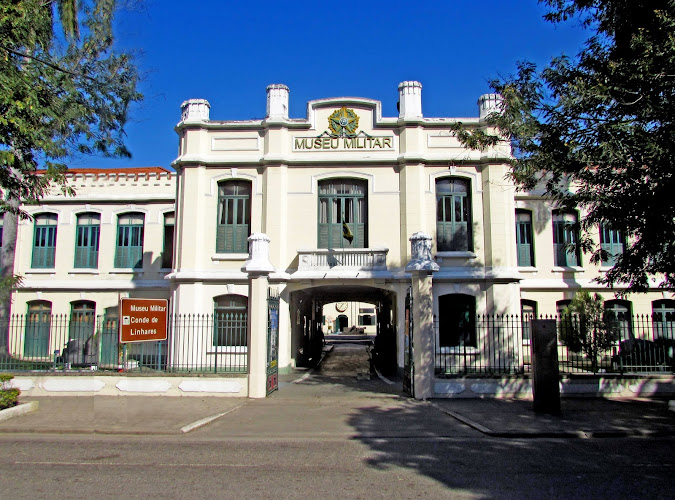
Military Museum Conde de Linhares
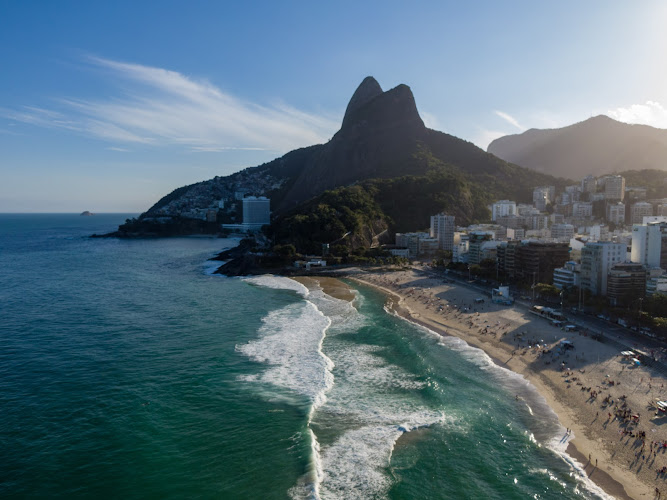
Leblon Beach
Hang gliding Rio de Janeiro
Find Accommodations Nearby
Recommended Tours & Activities
Visitor Reviews
There are no reviews yet. Be the first one to write one.
Share Your Experience
Have you visited Pedra do Sal? Help other travelers by leaving a review.