

Peabody Essex Museum
About Peabody Essex Museum
Description
The Peabody Essex Museum in Salem stands as one of New Englands most curious and compelling cultural institutions. It merges art, maritime history, and global objects into a series of galleries and historic spaces that feel both scholarly and unexpectedly playful. The building itself is a conversation: contemporary atrium and galleries meet restored historic halls and carefully reassembled historic houses, including celebrated Asian house galleries that often draw the longest looks.
Visitors can expect a broad sweep of material: American art and material culture sit beside Asian ceramics and carved architecture, maritime artifacts tell tales of voyages and trade, and rotating contemporary exhibitions keep the experience fresh. Exhibitions are designed to provoke thought more than simply dazzle; the interpretation leans toward storytelling and context, which helps a casual visitor understand why an object matters, and a repeat visitor discover a new layer.
Its public spaces are set up for lingering. The atrium brings daylight into a series of circulation paths where people pause, meet, and plan the next gallery. There is a garden restaurant that is part exhibit, part place to recharge — a nice touch when one is museumed-out but not ready to leave the site entirely. The museum also stages live performances, talks, and screenings in its theater spaces, so a single visit can feel like a mini cultural festival if one times it right.
Overall sentiment toward the museum trends positive with many visitors praising the depth and scope of the collection and the quality of curation, though a fair number of people mention crowds on peak days and occasional frustration with ticket lines for special exhibitions. The museum is mindful of accessibility: entrances, parking, and restrooms are wheelchair accessible, and staff-run tours are available for groups who want a deeper dive.
For travelers who like history with a side of global exchange, and who appreciate settings that combine old architecture and new galleries, the museum offers an especially satisfying stay. It is not just a building with things in it; it is a place that traces networks — of sailors, artists, collectors, and communities — that span continents and centuries.
Key Features
- Extensive collections of American and Asian art alongside maritime history artifacts
- Historic house galleries, including carefully reassembled Chinese and East India Marine-associated houses
- A bright central atrium that connects old and new architectural elements
- Garden restaurant and on-site cafe for sit-down meals or quick breaks
- Theater and live performance programming ranging from film to music to talks
- Guided tours and family-friendly programming that make the museum good for kids
- Gift shop stocked with exhibition-related items and thoughtful souvenirs
- Free Wi-Fi, restrooms, and staff available for accessibility assistance
- Paid admission with special exhibitions often requiring advance tickets
Best Time to Visit
Off-peak weekday mornings are the smartest bet if visitors want to move through galleries without jostling. Late spring and early fall give pleasant weather for pairing a museum visit with a stroll through Salem streets, which is handy because the museum is an anchor for exploring the surrounding historic district. Summers draw families and tourists, so lines and crowds tend to swell, especially when a major special exhibition is on view.
For those interested in live programming or talks, it pays to check the museum calendar before planning a trip; an evening performance can transform a daytime visit into an unforgettable cultural outing. Note that certain special exhibitions have limited-run tickets and can sell out — advance purchase is recommended. Also, holiday weekends see higher attendance, so if peace and quiet matter, avoid Presidents Day, Fourth of July weekend, and Columbus Day weekend if possible.
Seasonally, the galleries themselves are climate controlled and pleasant year-round. Winters tend to be quieter, which many locals appreciate for slow museum days and better chances for guided tours with smaller groups. But do bring a warm layer; New England weather can be unpredictable on the walk to nearby restaurants or historic houses.
How to Get There
The museum is walkable from Salem center and a convenient stop for anyone exploring the downtown area. It is commonly reached by foot, bike, or short taxi ride from local transit points. Regional travelers coming from Boston will find commuter rail and bus options to Salem followed by a short walk or local shuttle; parking is available nearby for those driving, though street parking can be limited on busy days.
Those new to the area should allow extra time for finding parking during peak tourism months. Ride-hailing and local taxis are reliable alternatives and often faster than circling for a spot. For groups, the museum offers recommendations for where to meet and where to load and unload if using tour buses or vans. If visitors plan to combine the museum with a harbor walk or other Salem attractions, walking routes are straightforward and pleasant.
Tips for Visiting
Buy tickets in advance for special exhibitions. This cannot be overstated. Popular shows and timed-entry exhibits often reach capacity, and nothing kills the afternoon like a sold-out sign. Advance tickets also let visitors plan for guided tours or time the visit around a performance.
Plan at least two to three hours for a relaxed visit. That sounds like a lot, but with historic houses, temporary exhibitions, and the permanent collection, time flies. If someone in the group is especially interested in Asian art or maritime history, add additional time — those sections are deep and richly interpreted.
Take a break in the garden restaurant. The food won’t win any Michelin stars, but the atmosphere is restorative and designed for museum pacing: light, thoughtful, and easy to escape back into the galleries afterward. The cafe is a good fallback if the restaurant is full or if the group needs a quick snack between gallery rotations.
Use the free Wi-Fi to download the museum map or follow a digital tour if offered. It helps to mark the must-see objects before beginning; otherwise the collection can swallow an afternoon. The museum typically posts suggested routes for families or for those with one hour only, which are a nice way to get the highlights without getting overwhelmed.
Ask about live performances and theater offerings when purchasing tickets. A daytime visit that ends with an evening performance feels more like an event and less like a checklist. Families should check age-appropriate programming and any special family activity guides; the museum is good for kids but some exhibits are more engaging for older children.
Be patient with crowds around the house galleries. The Chinese house and East India Marine-related spaces draw concentrated interest because they are intimate and exceptionally detailed. People linger; that’s part of the charm, but it can slow movement. If the group prefers solitude, revisit those rooms later in the day or during off-peak hours.
Consider a guided tour to get context. Volunteers and staff guides have a knack for telling the micro-stories behind objects — who collected them, how they traveled, and why they matter today. A guided tour transforms a passive walk-through into a narrative journey across trade routes, artistic movements, and local histories.
Be mindful of rotating exhibitions. The permanent collection is always worth seeing, but special exhibitions often feature loans and rare objects that are not regularly on display. If a headline show is running, expect extra foot traffic and consider timing that part of the visit for early or late in the day.
Accessibility matters here. The museum advertises wheelchair-accessible entrances and restrooms, and staff are willing to help with mobility needs. It is a thoughtful institution on this front, but visitors with specific needs should contact the museum in advance to confirm accommodations and any available assistive technologies or quiet hours.
Finally, leave room for discovery. The Peabody Essex Museum rewards curiosity. Random corners reveal small cabinets of curiosities, textile fragments, or prints that are quietly arresting. Those who allow a little unstructured time tend to walk away with the best memories: a fragment of a sailor's log, a ceramic whose glaze looks different in real life, or an architectural detail that sparks a new line of curiosity.
In short, it is a place that rewards both planning and wandering. A little forethought — tickets, timing, and a decision about must-see spots — makes the visit smoother. But the unexpected finds are what linger, and for many visitors, that is the real reason to go back.
Key Features
- Extensive collections of American and Asian art alongside maritime history artifacts
- Historic house galleries, including carefully reassembled Chinese and East India Marine-associated houses
- A bright central atrium that connects old and new architectural elements
- Garden restaurant and on-site cafe for sit-down meals or quick breaks
- Theater and live performance programming ranging from film to music to talks
- Guided tours and family-friendly programming that make the museum good for kids
- Gift shop stocked with exhibition-related items and thoughtful souvenirs
- Free Wi-Fi, restrooms, and staff available for accessibility assistance
More Details
Updated August 29, 2025
Table of Contents
Description
The Peabody Essex Museum in Salem stands as one of New Englands most curious and compelling cultural institutions. It merges art, maritime history, and global objects into a series of galleries and historic spaces that feel both scholarly and unexpectedly playful. The building itself is a conversation: contemporary atrium and galleries meet restored historic halls and carefully reassembled historic houses, including celebrated Asian house galleries that often draw the longest looks.
Visitors can expect a broad sweep of material: American art and material culture sit beside Asian ceramics and carved architecture, maritime artifacts tell tales of voyages and trade, and rotating contemporary exhibitions keep the experience fresh. Exhibitions are designed to provoke thought more than simply dazzle; the interpretation leans toward storytelling and context, which helps a casual visitor understand why an object matters, and a repeat visitor discover a new layer.
Its public spaces are set up for lingering. The atrium brings daylight into a series of circulation paths where people pause, meet, and plan the next gallery. There is a garden restaurant that is part exhibit, part place to recharge — a nice touch when one is museumed-out but not ready to leave the site entirely. The museum also stages live performances, talks, and screenings in its theater spaces, so a single visit can feel like a mini cultural festival if one times it right.
Overall sentiment toward the museum trends positive with many visitors praising the depth and scope of the collection and the quality of curation, though a fair number of people mention crowds on peak days and occasional frustration with ticket lines for special exhibitions. The museum is mindful of accessibility: entrances, parking, and restrooms are wheelchair accessible, and staff-run tours are available for groups who want a deeper dive.
For travelers who like history with a side of global exchange, and who appreciate settings that combine old architecture and new galleries, the museum offers an especially satisfying stay. It is not just a building with things in it; it is a place that traces networks — of sailors, artists, collectors, and communities — that span continents and centuries.
Key Features
- Extensive collections of American and Asian art alongside maritime history artifacts
- Historic house galleries, including carefully reassembled Chinese and East India Marine-associated houses
- A bright central atrium that connects old and new architectural elements
- Garden restaurant and on-site cafe for sit-down meals or quick breaks
- Theater and live performance programming ranging from film to music to talks
- Guided tours and family-friendly programming that make the museum good for kids
- Gift shop stocked with exhibition-related items and thoughtful souvenirs
- Free Wi-Fi, restrooms, and staff available for accessibility assistance
- Paid admission with special exhibitions often requiring advance tickets
Best Time to Visit
Off-peak weekday mornings are the smartest bet if visitors want to move through galleries without jostling. Late spring and early fall give pleasant weather for pairing a museum visit with a stroll through Salem streets, which is handy because the museum is an anchor for exploring the surrounding historic district. Summers draw families and tourists, so lines and crowds tend to swell, especially when a major special exhibition is on view.
For those interested in live programming or talks, it pays to check the museum calendar before planning a trip; an evening performance can transform a daytime visit into an unforgettable cultural outing. Note that certain special exhibitions have limited-run tickets and can sell out — advance purchase is recommended. Also, holiday weekends see higher attendance, so if peace and quiet matter, avoid Presidents Day, Fourth of July weekend, and Columbus Day weekend if possible.
Seasonally, the galleries themselves are climate controlled and pleasant year-round. Winters tend to be quieter, which many locals appreciate for slow museum days and better chances for guided tours with smaller groups. But do bring a warm layer; New England weather can be unpredictable on the walk to nearby restaurants or historic houses.
How to Get There
The museum is walkable from Salem center and a convenient stop for anyone exploring the downtown area. It is commonly reached by foot, bike, or short taxi ride from local transit points. Regional travelers coming from Boston will find commuter rail and bus options to Salem followed by a short walk or local shuttle; parking is available nearby for those driving, though street parking can be limited on busy days.
Those new to the area should allow extra time for finding parking during peak tourism months. Ride-hailing and local taxis are reliable alternatives and often faster than circling for a spot. For groups, the museum offers recommendations for where to meet and where to load and unload if using tour buses or vans. If visitors plan to combine the museum with a harbor walk or other Salem attractions, walking routes are straightforward and pleasant.
Tips for Visiting
Buy tickets in advance for special exhibitions. This cannot be overstated. Popular shows and timed-entry exhibits often reach capacity, and nothing kills the afternoon like a sold-out sign. Advance tickets also let visitors plan for guided tours or time the visit around a performance.
Plan at least two to three hours for a relaxed visit. That sounds like a lot, but with historic houses, temporary exhibitions, and the permanent collection, time flies. If someone in the group is especially interested in Asian art or maritime history, add additional time — those sections are deep and richly interpreted.
Take a break in the garden restaurant. The food won’t win any Michelin stars, but the atmosphere is restorative and designed for museum pacing: light, thoughtful, and easy to escape back into the galleries afterward. The cafe is a good fallback if the restaurant is full or if the group needs a quick snack between gallery rotations.
Use the free Wi-Fi to download the museum map or follow a digital tour if offered. It helps to mark the must-see objects before beginning; otherwise the collection can swallow an afternoon. The museum typically posts suggested routes for families or for those with one hour only, which are a nice way to get the highlights without getting overwhelmed.
Ask about live performances and theater offerings when purchasing tickets. A daytime visit that ends with an evening performance feels more like an event and less like a checklist. Families should check age-appropriate programming and any special family activity guides; the museum is good for kids but some exhibits are more engaging for older children.
Be patient with crowds around the house galleries. The Chinese house and East India Marine-related spaces draw concentrated interest because they are intimate and exceptionally detailed. People linger; that’s part of the charm, but it can slow movement. If the group prefers solitude, revisit those rooms later in the day or during off-peak hours.
Consider a guided tour to get context. Volunteers and staff guides have a knack for telling the micro-stories behind objects — who collected them, how they traveled, and why they matter today. A guided tour transforms a passive walk-through into a narrative journey across trade routes, artistic movements, and local histories.
Be mindful of rotating exhibitions. The permanent collection is always worth seeing, but special exhibitions often feature loans and rare objects that are not regularly on display. If a headline show is running, expect extra foot traffic and consider timing that part of the visit for early or late in the day.
Accessibility matters here. The museum advertises wheelchair-accessible entrances and restrooms, and staff are willing to help with mobility needs. It is a thoughtful institution on this front, but visitors with specific needs should contact the museum in advance to confirm accommodations and any available assistive technologies or quiet hours.
Finally, leave room for discovery. The Peabody Essex Museum rewards curiosity. Random corners reveal small cabinets of curiosities, textile fragments, or prints that are quietly arresting. Those who allow a little unstructured time tend to walk away with the best memories: a fragment of a sailor’s log, a ceramic whose glaze looks different in real life, or an architectural detail that sparks a new line of curiosity.
In short, it is a place that rewards both planning and wandering. A little forethought — tickets, timing, and a decision about must-see spots — makes the visit smoother. But the unexpected finds are what linger, and for many visitors, that is the real reason to go back.
Key Highlights
- Extensive collections of American and Asian art alongside maritime history artifacts
- Historic house galleries, including carefully reassembled Chinese and East India Marine-associated houses
- A bright central atrium that connects old and new architectural elements
- Garden restaurant and on-site cafe for sit-down meals or quick breaks
- Theater and live performance programming ranging from film to music to talks
- Guided tours and family-friendly programming that make the museum good for kids
- Gift shop stocked with exhibition-related items and thoughtful souvenirs
- Free Wi-Fi, restrooms, and staff available for accessibility assistance
Location
Places to Stay Near Peabody Essex Museum
Find and Book a Tour
Explore More Travel Guides
No reviews found! Be the first to review!
Traveler Reviews for Peabody Essex Museum
There are no reviews yet. Be the first one to write one.
Have you visited Peabody Essex Museum? Help other travelers by sharing your review.
You Might Also Like

Count Orlok's Nightmare Gallery Monster Museum
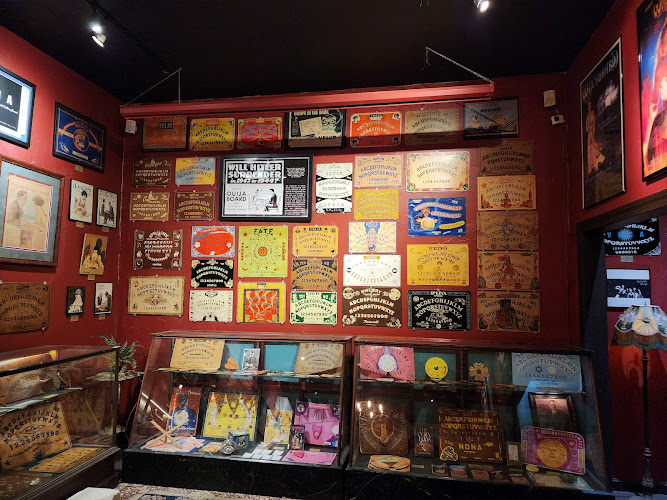
Salem Witch Board Museum

Forest River Park
Find Accommodations Nearby
Recommended Tours & Activities
Visitor Reviews
There are no reviews yet. Be the first one to write one.
Share Your Experience
Have you visited Peabody Essex Museum? Help other travelers by leaving a review.