
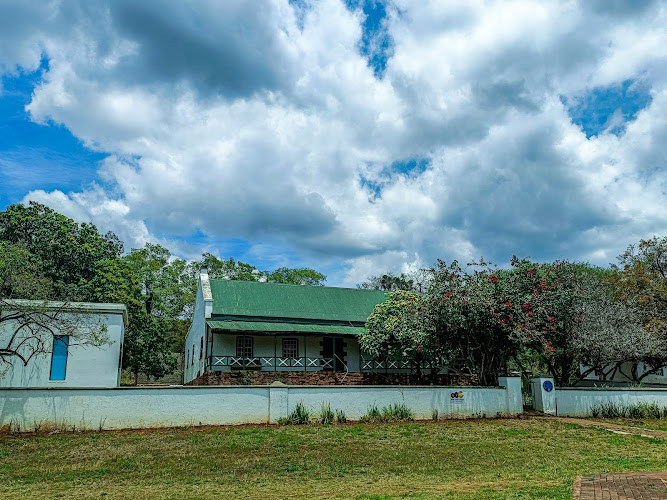
Paul Kruger Country House Museum
About Paul Kruger Country House Museum
Description
The Paul Kruger Country House Museum offers visitors a direct doorway into a pivotal chapter of South African history. It sits near Rustenburg in the North West Province and preserves the country home where one of the nation's most talked-about historical figures spent time. The museum's rooms are arranged much like a lived-in house, with period furniture, personal effects, and interpretive panels that help situate Paul Kruger within the larger sweep of 19th-century South African politics and daily life. The tone here is quiet, deliberate—more of a contemplative stop than a frenetic tourist trap.
Visitors will find the experience less about flashy technology and more about atmosphere: wood-paneled rooms, portraiture, and objects that feel intimate rather than curated for shock value. That matters; history feels human here. It’s the kind of place where one can spend a long time reading a single plaque and walk away thinking about choices people made under pressure. The onsite staff typically provide succinct tours and are happy to answer questions, though sometimes the pace is casual—bring a little curiosity and patience.
Practical details that matter: there is a restaurant at the site, clean restrooms, and a wheelchair accessible restroom, so accessibility concerns are taken seriously in basic ways. Families often find the museum welcoming to kids, thanks to approachable displays and a layout that’s not overwhelming. Still, the museum is a compact, focused experience; anyone expecting a sprawling complex will be surprised. That surprise can be pleasant, though—this is more like stepping into a preserved chapter of life rather than a blockbuster history production.
One subtle point that doesn’t always get highlighted is the way the property connects to local community memory. Guides sometimes share small anecdotes passed down, fragments of oral history that give texture to the exhibits. Those little stories—about a particular item on the mantel or a garden gate—are, in the writer’s opinion, the best parts. They make the museum feel like a place where history breathes, rather than a sterile repository.
For travelers focused on efficiency: plan ahead. Tickets are best purchased in advance during busy seasons and school holidays. The site is moderately popular among domestic visitors and international history buffs alike, which means peak days can have queues. But if one times the visit for a quieter morning slot midweek, it’s possible to enjoy the rooms with minimal interruption and linger over details that would otherwise be missed.
Key Features
- Historic house museum showcasing the life and times of Paul Kruger with original-style furnishings
- Concise, informative interpretive panels that contextualize political and domestic history
- Restaurant on site for a relaxed post-visit meal—handy if you want to decompress after a deep-dive into history
- Wheelchair accessible restroom and basic accessibility provisions to support visitors with mobility needs
- Family-friendly exhibits and a layout that is good for kids—short walks between rooms, engaging objects
- Guided tours available; staff often share lesser-known anecdotes and local lore during visits
- Compact site that makes a half-day visit entirely reasonable—combine with other Rustenburg attractions
- Advance ticketing recommended for peak times to avoid lines and disappointment
Best Time to Visit
The ideal time to visit is a weekday morning when school groups and weekend tour buses are less likely to be on site. Spring and autumn in the region offer comfortable temperatures for the short strolls between buildings and the garden areas. If a traveler must pick a month, aim for the shoulder seasons: late March to May, and late August to October—these generally provide milder weather and fewer crowds.
Weekends can be lively, especially during school holidays, so if the plan is to linger—read every plaque, take photos without strangers in frame, enjoy a slow lunch at the restaurant—go during the week. And yes, there are days when commemorative events are held at the museum. Those can be fantastic for atmosphere and a more immersive feel, but they also draw crowds and sometimes restrict access to certain rooms. If the goal is quiet reflection, check the museum’s event calendar before you go.
Time of day matters, too. Early morning visits—just after opening—tend to be calmest. Late afternoons can be lovely if one prefers golden light for photos and a quieter restaurant crowd afterward. Just remember that small museums like this sometimes close earlier than larger institutions; always verify opening hours before you set out.
How to Get There
The Paul Kruger Country House Museum is accessible by car, and most visitors reach it that way from Rustenburg and surrounding towns. Driving provides the most flexibility: parking is generally straightforward and the short distance from town makes a half-day trip feel efficient. Public transport options in this part of the North West Province are limited; rail doesn’t drop you right at the door and bus schedules can be sparse. If public transit is the only option, allow ample time for transfers and local taxis.
Guided day tours that include the museum sometimes leave from larger centers like Johannesburg or Pretoria, which is convenient for travelers who don’t want to drive. For those who prefer independent travel, renting a car is a common and practical choice. The roads to the museum are well signposted from the main routes around Rustenburg, but a GPS can be helpful if one likes to avoid detours.
Pro tip: if renting a car, arrive early to secure a parking spot close to the site entrance. And if relying on a taxi or ride-hailing service, plan the return trip in advance—services are available but become less frequent later in the evening. Last time the writer visited, a short wait for a return taxi turned into a 20-minute storytelling session with a local driver—unexpected, but memorable. Those spontaneous conversations often add a layer of context you won’t get from plaques alone.
Tips for Visiting
Buy tickets in advance whenever possible. This reduces the risk of being turned away at busy times and helps ensure a predictable schedule. Even if the line doesn’t look long, the ticket desk can sometimes be slow, and the site prefers visitors to be checked in promptly for guided segments.
Allow at least 90 minutes for the visit. While the museum is compact, the exhibits are dense. Allowing time to read, reflect, and chat with staff will make the visit more rewarding. If history is your jam, budget two hours—there’s more to uncover than meets the eye.
Bring comfortable shoes. Floors are original or period-appropriate in places, and there’s a bit of walking between rooms and the exterior spaces. Also, carry a small bottle of water—especially if visiting in the warmer months. The onsite restaurant makes a pleasant stop afterward, but having water on hand during the tour is just sensible.
Photography policies vary. Visitors are encouraged to ask about flash and tripods. In many cases, non-flash photos for personal use are allowed, but it’s polite to confirm with staff before snapping away. And if photography isn’t permitted in certain rooms, respect that: some objects are fragile and conservation rules are there for a reason.
If traveling with kids, bring a small activity or two. The museum is welcoming but not explicitly interactive, so a simple sketchbook or a small scavenger-list—find a brass knob, count portraits, spot a particular type of chair—can make the experience more engaging for younger visitors. The writer once made a makeshift scavenger hunt for a visiting niece and it turned a quiet house tour into a game; she still talks about the brass knob.
Ask about guided tours. A short guided tour can add massive value because guides often share context and stories not found on panels. These tidbits—little family stories, local lore—bring objects to life. If a guide isn’t immediately available, the staff are generally willing to answer targeted questions at the desk. Don’t be shy; you’ll often get the best insights by simply asking.
Consider combining the museum visit with nearby attractions to make a full day of it. But if time is limited, prioritize the museum and the restaurant on site; linger over a meal and let the visit settle in. That combination—quiet museum followed by a relaxed lunch—often leaves visitors feeling like they’ve had a proper cultural interlude rather than a rushed stop on a checklist.
Finally, leave feedback. Small institutions rely on visitor impressions to improve. If something delighted—or disappointed—the visitor, a short note or a conversation with staff helps them evolve. The museum is run with care, and constructive feedback often results in meaningful changes for future travelers.
In short: the Paul Kruger Country House Museum is an intimate, thoughtfully preserved site that rewards slow attention. It’s accessible, family-friendly, and enriched by local storytelling. For anyone curious about the era or those who appreciate quieter historical spaces, it’s a solid, worthwhile stop near Rustenburg. Go expecting a focused house-museum experience, buy tickets in advance, and savor the small details—those are the moments that stick.
Key Features
- Historic house museum showcasing the life and times of Paul Kruger with original-style furnishings
- Concise, informative interpretive panels that contextualize political and domestic history
- Restaurant on site for a relaxed post-visit meal—handy if you want to decompress after a deep-dive into history
- Wheelchair accessible restroom and basic accessibility provisions to support visitors with mobility needs
- Family-friendly exhibits and a layout that is good for kids—short walks between rooms, engaging objects
- Guided tours available; staff often share lesser-known anecdotes and local lore during visits
- Compact site that makes a half-day visit entirely reasonable—combine with other Rustenburg attractions
- Advance ticketing recommended for peak times to avoid lines and disappointment
More Details
Updated August 30, 2025
Table of Contents
Description
The Paul Kruger Country House Museum offers visitors a direct doorway into a pivotal chapter of South African history. It sits near Rustenburg in the North West Province and preserves the country home where one of the nation’s most talked-about historical figures spent time. The museum’s rooms are arranged much like a lived-in house, with period furniture, personal effects, and interpretive panels that help situate Paul Kruger within the larger sweep of 19th-century South African politics and daily life. The tone here is quiet, deliberate—more of a contemplative stop than a frenetic tourist trap.
Visitors will find the experience less about flashy technology and more about atmosphere: wood-paneled rooms, portraiture, and objects that feel intimate rather than curated for shock value. That matters; history feels human here. It’s the kind of place where one can spend a long time reading a single plaque and walk away thinking about choices people made under pressure. The onsite staff typically provide succinct tours and are happy to answer questions, though sometimes the pace is casual—bring a little curiosity and patience.
Practical details that matter: there is a restaurant at the site, clean restrooms, and a wheelchair accessible restroom, so accessibility concerns are taken seriously in basic ways. Families often find the museum welcoming to kids, thanks to approachable displays and a layout that’s not overwhelming. Still, the museum is a compact, focused experience; anyone expecting a sprawling complex will be surprised. That surprise can be pleasant, though—this is more like stepping into a preserved chapter of life rather than a blockbuster history production.
One subtle point that doesn’t always get highlighted is the way the property connects to local community memory. Guides sometimes share small anecdotes passed down, fragments of oral history that give texture to the exhibits. Those little stories—about a particular item on the mantel or a garden gate—are, in the writer’s opinion, the best parts. They make the museum feel like a place where history breathes, rather than a sterile repository.
For travelers focused on efficiency: plan ahead. Tickets are best purchased in advance during busy seasons and school holidays. The site is moderately popular among domestic visitors and international history buffs alike, which means peak days can have queues. But if one times the visit for a quieter morning slot midweek, it’s possible to enjoy the rooms with minimal interruption and linger over details that would otherwise be missed.
Key Features
- Historic house museum showcasing the life and times of Paul Kruger with original-style furnishings
- Concise, informative interpretive panels that contextualize political and domestic history
- Restaurant on site for a relaxed post-visit meal—handy if you want to decompress after a deep-dive into history
- Wheelchair accessible restroom and basic accessibility provisions to support visitors with mobility needs
- Family-friendly exhibits and a layout that is good for kids—short walks between rooms, engaging objects
- Guided tours available; staff often share lesser-known anecdotes and local lore during visits
- Compact site that makes a half-day visit entirely reasonable—combine with other Rustenburg attractions
- Advance ticketing recommended for peak times to avoid lines and disappointment
Best Time to Visit
The ideal time to visit is a weekday morning when school groups and weekend tour buses are less likely to be on site. Spring and autumn in the region offer comfortable temperatures for the short strolls between buildings and the garden areas. If a traveler must pick a month, aim for the shoulder seasons: late March to May, and late August to October—these generally provide milder weather and fewer crowds.
Weekends can be lively, especially during school holidays, so if the plan is to linger—read every plaque, take photos without strangers in frame, enjoy a slow lunch at the restaurant—go during the week. And yes, there are days when commemorative events are held at the museum. Those can be fantastic for atmosphere and a more immersive feel, but they also draw crowds and sometimes restrict access to certain rooms. If the goal is quiet reflection, check the museum’s event calendar before you go.
Time of day matters, too. Early morning visits—just after opening—tend to be calmest. Late afternoons can be lovely if one prefers golden light for photos and a quieter restaurant crowd afterward. Just remember that small museums like this sometimes close earlier than larger institutions; always verify opening hours before you set out.
How to Get There
The Paul Kruger Country House Museum is accessible by car, and most visitors reach it that way from Rustenburg and surrounding towns. Driving provides the most flexibility: parking is generally straightforward and the short distance from town makes a half-day trip feel efficient. Public transport options in this part of the North West Province are limited; rail doesn’t drop you right at the door and bus schedules can be sparse. If public transit is the only option, allow ample time for transfers and local taxis.
Guided day tours that include the museum sometimes leave from larger centers like Johannesburg or Pretoria, which is convenient for travelers who don’t want to drive. For those who prefer independent travel, renting a car is a common and practical choice. The roads to the museum are well signposted from the main routes around Rustenburg, but a GPS can be helpful if one likes to avoid detours.
Pro tip: if renting a car, arrive early to secure a parking spot close to the site entrance. And if relying on a taxi or ride-hailing service, plan the return trip in advance—services are available but become less frequent later in the evening. Last time the writer visited, a short wait for a return taxi turned into a 20-minute storytelling session with a local driver—unexpected, but memorable. Those spontaneous conversations often add a layer of context you won’t get from plaques alone.
Tips for Visiting
Buy tickets in advance whenever possible. This reduces the risk of being turned away at busy times and helps ensure a predictable schedule. Even if the line doesn’t look long, the ticket desk can sometimes be slow, and the site prefers visitors to be checked in promptly for guided segments.
Allow at least 90 minutes for the visit. While the museum is compact, the exhibits are dense. Allowing time to read, reflect, and chat with staff will make the visit more rewarding. If history is your jam, budget two hours—there’s more to uncover than meets the eye.
Bring comfortable shoes. Floors are original or period-appropriate in places, and there’s a bit of walking between rooms and the exterior spaces. Also, carry a small bottle of water—especially if visiting in the warmer months. The onsite restaurant makes a pleasant stop afterward, but having water on hand during the tour is just sensible.
Photography policies vary. Visitors are encouraged to ask about flash and tripods. In many cases, non-flash photos for personal use are allowed, but it’s polite to confirm with staff before snapping away. And if photography isn’t permitted in certain rooms, respect that: some objects are fragile and conservation rules are there for a reason.
If traveling with kids, bring a small activity or two. The museum is welcoming but not explicitly interactive, so a simple sketchbook or a small scavenger-list—find a brass knob, count portraits, spot a particular type of chair—can make the experience more engaging for younger visitors. The writer once made a makeshift scavenger hunt for a visiting niece and it turned a quiet house tour into a game; she still talks about the brass knob.
Ask about guided tours. A short guided tour can add massive value because guides often share context and stories not found on panels. These tidbits—little family stories, local lore—bring objects to life. If a guide isn’t immediately available, the staff are generally willing to answer targeted questions at the desk. Don’t be shy; you’ll often get the best insights by simply asking.
Consider combining the museum visit with nearby attractions to make a full day of it. But if time is limited, prioritize the museum and the restaurant on site; linger over a meal and let the visit settle in. That combination—quiet museum followed by a relaxed lunch—often leaves visitors feeling like they’ve had a proper cultural interlude rather than a rushed stop on a checklist.
Finally, leave feedback. Small institutions rely on visitor impressions to improve. If something delighted—or disappointed—the visitor, a short note or a conversation with staff helps them evolve. The museum is run with care, and constructive feedback often results in meaningful changes for future travelers.
In short: the Paul Kruger Country House Museum is an intimate, thoughtfully preserved site that rewards slow attention. It’s accessible, family-friendly, and enriched by local storytelling. For anyone curious about the era or those who appreciate quieter historical spaces, it’s a solid, worthwhile stop near Rustenburg. Go expecting a focused house-museum experience, buy tickets in advance, and savor the small details—those are the moments that stick.
Key Highlights
- Historic house museum showcasing the life and times of Paul Kruger with original-style furnishings
- Concise, informative interpretive panels that contextualize political and domestic history
- Restaurant on site for a relaxed post-visit meal—handy if you want to decompress after a deep-dive into history
- Wheelchair accessible restroom and basic accessibility provisions to support visitors with mobility needs
- Family-friendly exhibits and a layout that is good for kids—short walks between rooms, engaging objects
- Guided tours available; staff often share lesser-known anecdotes and local lore during visits
- Compact site that makes a half-day visit entirely reasonable—combine with other Rustenburg attractions
- Advance ticketing recommended for peak times to avoid lines and disappointment
Location
Places to Stay Near Paul Kruger Country House Museum
Find and Book a Tour
Explore More Travel Guides
No reviews found! Be the first to review!
Traveler Reviews for Paul Kruger Country House Museum
There are no reviews yet. Be the first one to write one.
Have you visited Paul Kruger Country House Museum? Help other travelers by sharing your review.
You Might Also Like
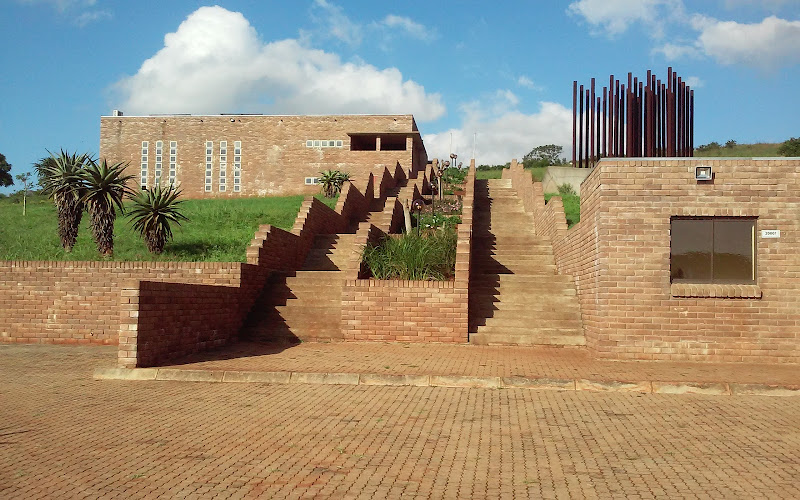
Samora Machel Monument and Museum
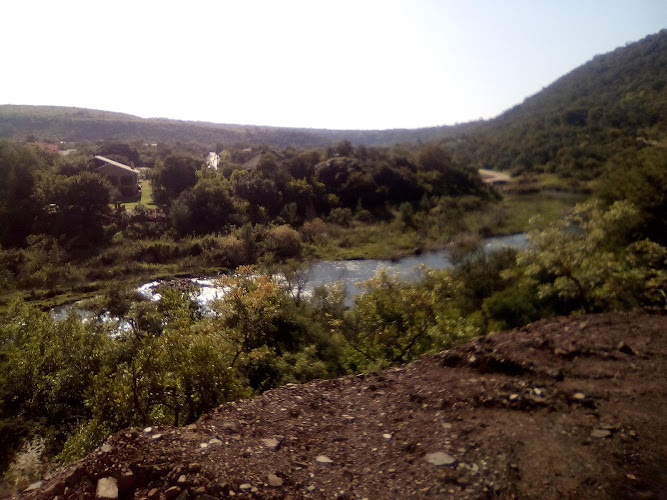
Steve Tshwete Local Municipality
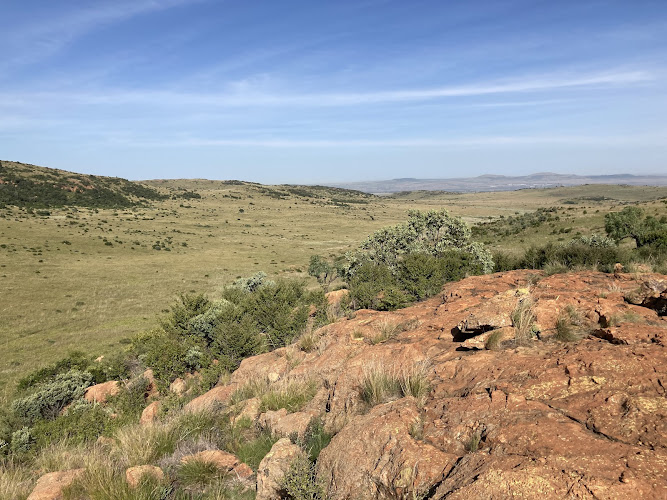
Suikerbosrand Nature Reserve
Find Accommodations Nearby
Recommended Tours & Activities
Visitor Reviews
There are no reviews yet. Be the first one to write one.
Share Your Experience
Have you visited Paul Kruger Country House Museum? Help other travelers by leaving a review.